
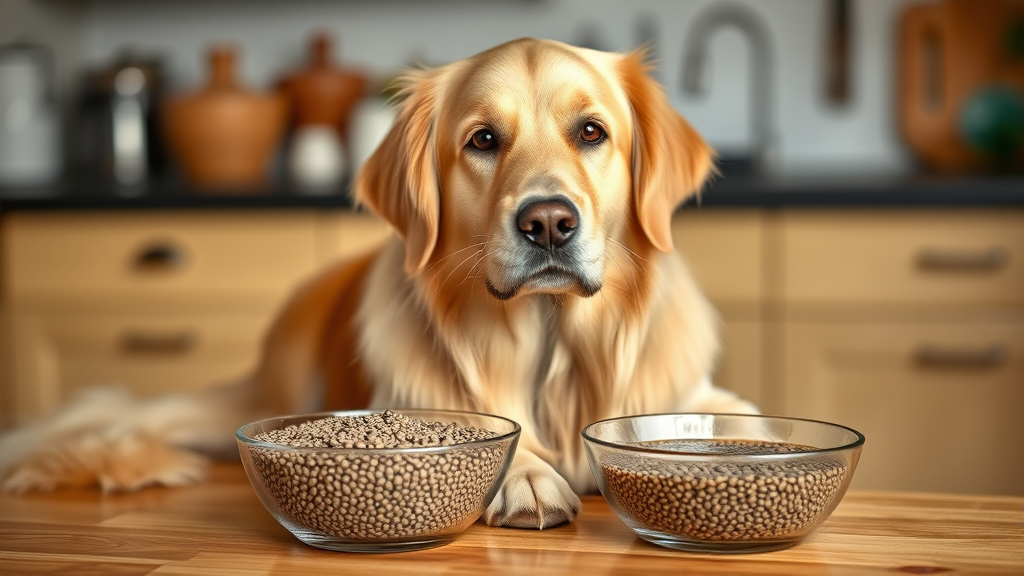
As health-conscious pet owners increasingly explore superfood options for their furry friends, chia seeds have emerged as a topic of considerable interest. These tiny nutritional powerhouses, packed with omega-3 fatty acids, fiber, and protein, have garnered attention for their potential benefits in canine diets. However, the question remains: are chia seeds truly safe and beneficial for dogs?
Understanding what foods are safe for our canine companions is crucial for maintaining their health and well-being. While dogs have different nutritional needs than humans, some human superfoods can indeed provide valuable nutrients when incorporated properly into their diet. Chia seeds, derived from the Salvia hispanica plant, have been consumed by humans for centuries and are now being considered as a supplement for dogs.
This comprehensive guide will explore the safety, benefits, and proper ways to incorporate chia seeds into your dog’s diet, helping you make an informed decision about whether these nutritious seeds belong in your pet’s food bowl.
Nutritional Profile of Chia Seeds
Chia seeds are remarkably nutrient-dense, containing an impressive array of vitamins, minerals, and macronutrients that can potentially benefit dogs. A single ounce of chia seeds provides approximately 137 calories, 4.4 grams of protein, 8.6 grams of fat, and 12.3 grams of carbohydrates, with 10.6 grams of dietary fiber.
The omega-3 fatty acid content in chia seeds is particularly noteworthy, with alpha-linolenic acid (ALA) comprising about 60% of the total fat content. These essential fatty acids play crucial roles in maintaining healthy skin, coat, and supporting cognitive function in dogs. Additionally, chia seeds contain significant amounts of calcium, phosphorus, magnesium, and manganese.
According to the USDA FoodData Central, chia seeds also provide antioxidants, including chlorogenic acid, caffeic acid, and quercetin, which may help combat oxidative stress in dogs. The high fiber content can support digestive health, while the protein provides essential amino acids necessary for muscle maintenance and overall health.

Safety Considerations for Dogs
The primary concern regarding chia seeds for dogs revolves around their unique property of absorbing liquid and expanding significantly when wet. When dry chia seeds come into contact with moisture, they can absorb up to 12 times their weight in water, forming a gel-like consistency. This characteristic raises important safety considerations for pet owners.
Feeding dry chia seeds directly to dogs can potentially cause choking hazards or digestive blockages, particularly in smaller breeds. The American Veterinary Medical Association emphasizes the importance of proper preparation when introducing new foods to dogs’ diets.
To ensure safety, chia seeds should always be soaked in water before serving to dogs. This pre-soaking process allows the seeds to expand and form their characteristic gel texture outside of the dog’s digestive system, eliminating the risk of internal expansion that could cause complications.
Another safety consideration involves the gradual introduction of chia seeds to your dog’s diet. Like many human foods that are safe for dogs, such as quinoa, chia seeds should be introduced slowly to monitor for any adverse reactions or digestive upset.
Potential Health Benefits
When properly prepared and served in appropriate quantities, chia seeds can offer several health benefits for dogs. The high omega-3 fatty acid content supports skin and coat health, potentially reducing inflammation and promoting a lustrous, healthy appearance. These essential fatty acids also play a role in brain health and cognitive function.
The substantial fiber content in chia seeds can aid in digestive health by promoting regular bowel movements and supporting beneficial gut bacteria. This can be particularly helpful for dogs with digestive sensitivities or those prone to constipation. The fiber also contributes to feelings of satiety, which may help with weight management in overweight dogs.
Chia seeds’ antioxidant properties may help combat free radicals and support the immune system. The minerals present, including calcium and phosphorus, contribute to bone and teeth health, while magnesium supports muscle and nerve function. Research published in the National Center for Biotechnology Information highlights the anti-inflammatory properties of chia seeds.
The protein content in chia seeds provides essential amino acids that support muscle maintenance and overall health. While not a complete protein source like animal proteins, chia seeds can complement other protein sources in your dog’s diet, similar to how other plant-based foods like brown rice can provide additional nutrients.

Proper Serving Methods and Portions
The key to safely incorporating chia seeds into your dog’s diet lies in proper preparation and appropriate portion control. Always soak chia seeds in water for at least 15-30 minutes before serving, allowing them to fully expand and develop their gel-like consistency. The general ratio is one part chia seeds to ten parts water.
Portion sizes should be carefully calculated based on your dog’s size and weight. For small dogs (under 20 pounds), start with no more than 1/4 teaspoon of soaked chia seeds daily. Medium dogs (20-50 pounds) can have up to 1/2 teaspoon, while larger dogs (over 50 pounds) may have up to 1 teaspoon of prepared chia seeds per day.
Chia seeds can be mixed into your dog’s regular food, combined with other safe ingredients like Greek yogurt, or incorporated into homemade treats. Some pet owners create chia puddings by mixing the soaked seeds with dog-safe ingredients like pureed pumpkin or banana.
It’s important to start with even smaller amounts than recommended and gradually increase the serving size over several weeks. This allows your dog’s digestive system to adjust to the increased fiber content and helps you monitor for any adverse reactions.
Risks and Precautions
While chia seeds can be beneficial for many dogs, certain risks and precautions must be considered. Dogs with a history of digestive issues, food allergies, or sensitive stomachs should be introduced to chia seeds with extra caution. The high fiber content, while generally beneficial, can cause digestive upset in some dogs, particularly if introduced too quickly or in excessive amounts.
The ASPCA Animal Poison Control Center recommends consulting with veterinarians before introducing new foods to pets’ diets. Dogs with diabetes should be monitored closely, as the fiber in chia seeds can affect blood sugar levels, though this is typically a positive effect.
Puppies and senior dogs may require special consideration when introducing chia seeds. Puppies have developing digestive systems that may be more sensitive to dietary changes, while senior dogs may have existing health conditions that could be affected by new foods.
Some dogs may experience allergic reactions to chia seeds, though this is relatively rare. Signs of food allergies in dogs include itching, skin irritation, digestive upset, or changes in behavior. If any of these symptoms occur after introducing chia seeds, discontinue use immediately and consult your veterinarian.
Comparison with Other Seeds
When considering chia seeds for your dog, it’s helpful to understand how they compare to other seeds that are safe for canine consumption. Pumpkin seeds are another popular option, offering different nutritional benefits including zinc and healthy fats, but requiring different preparation methods.
Unlike pumpkin seeds which should be roasted and ground for optimal safety, chia seeds are best served soaked and can be given in their whole form once properly prepared. Flax seeds are another omega-3 rich option, but they must be ground to be digestible, whereas chia seeds can be absorbed whole by dogs.
Sunflower seeds, while safe for dogs in moderation, are higher in fat and calories compared to chia seeds. The American Kennel Club provides guidance on various seeds safe for dogs. Each type of seed offers unique nutritional profiles and preparation requirements.
Hemp seeds are another alternative that provides omega fatty acids and protein, similar to chia seeds but with different mineral profiles. The choice between different seeds often depends on your dog’s specific nutritional needs, preferences, and any existing health conditions.
When to Consult Your Veterinarian
Before introducing chia seeds or any new food to your dog’s diet, consulting with your veterinarian is always recommended. This is particularly important for dogs with existing health conditions, food allergies, or those taking medications. Your veterinarian can provide personalized advice based on your dog’s specific health status and nutritional needs.
Dogs with diabetes, kidney disease, or digestive disorders may require special dietary considerations that could affect whether chia seeds are appropriate. The American Veterinary Medical Association emphasizes the importance of professional guidance when making dietary changes for pets.
If your dog experiences any adverse reactions after consuming chia seeds, such as vomiting, diarrhea, excessive gas, or changes in appetite, contact your veterinarian immediately. These symptoms could indicate digestive intolerance or other complications that require professional attention.
Regular veterinary check-ups can help monitor how dietary additions like chia seeds are affecting your dog’s overall health. Your veterinarian may recommend blood work or other tests to ensure that new dietary supplements are beneficial rather than harmful. Some dogs may benefit from chia seeds as part of a comprehensive nutritional plan that might also include other beneficial foods like coconut or olive oil.
Professional guidance is especially important when considering chia seeds for therapeutic purposes, such as supporting joint health or managing weight. Your veterinarian can help determine whether chia seeds align with your dog’s treatment plan and overall dietary strategy.
Frequently Asked Questions
Can all dog breeds safely eat chia seeds?
Most dog breeds can safely consume properly prepared chia seeds, but individual dogs may have different tolerances. Small breeds require smaller portions and extra care during preparation to prevent choking hazards. Brachycephalic breeds (flat-faced dogs) may need additional precautions due to their unique airway anatomy. Always introduce chia seeds gradually regardless of breed and monitor for any adverse reactions.
How often can I give my dog chia seeds?
Chia seeds can be given daily in small, appropriate portions, but it’s not necessary to provide them every day. Many veterinarians recommend offering them 2-3 times per week as part of a varied, balanced diet. The frequency may depend on your dog’s size, health status, and how well they tolerate the seeds. Consistency is less important than proper preparation and appropriate portion sizes.
What should I do if my dog ate dry chia seeds?
If your dog consumed a small amount of dry chia seeds, monitor them closely and ensure they have access to plenty of fresh water. The seeds will absorb moisture in their stomach and expand, which is usually not dangerous in small quantities. However, if your dog consumed a large amount of dry seeds or shows signs of discomfort, choking, or digestive distress, contact your veterinarian immediately.
Are chia seeds better than fish oil for omega-3 fatty acids?
Chia seeds and fish oil provide different types of omega-3 fatty acids. Chia seeds contain ALA (alpha-linolenic acid), while fish oil provides EPA and DHA, which are more readily used by dogs’ bodies. Fish oil is generally considered more bioavailable for dogs, but chia seeds offer additional benefits like fiber and minerals. Some dogs may benefit from both sources as part of a comprehensive nutritional plan.
Can puppies eat chia seeds?
Puppies can potentially eat chia seeds, but extra caution is required due to their developing digestive systems. It’s best to wait until puppies are at least 12 weeks old and fully weaned before introducing any new foods. Start with very small amounts of properly soaked seeds and consult with your veterinarian first. Puppy nutrition should primarily focus on high-quality puppy food formulated for their growth needs.
How long do soaked chia seeds last in the refrigerator?
Properly soaked chia seeds can be stored in the refrigerator for up to 5 days when kept in an airtight container. The gel-like mixture should be stirred before serving and checked for any signs of spoilage, such as off odors or mold. For best quality and safety, prepare fresh batches every few days rather than making large quantities that might spoil before use.
Can chia seeds help with my dog’s constipation?
The high fiber content in chia seeds may help promote regular bowel movements and can be beneficial for dogs experiencing mild constipation. However, it’s important to ensure your dog is drinking adequate water when consuming fiber-rich foods. If constipation persists or is severe, consult your veterinarian rather than relying solely on dietary remedies. Underlying health issues may require professional treatment.





