

When temperatures drop and snow starts flying, your pet’s cold weather caloric needs skyrocket faster than your heating bill. While you’re bundling up in layers, your furry friend is burning through energy just to stay warm, and most pet parents have no idea their dog or cat needs significantly more food during winter months.
Table of Contents
- Why Winter Changes Your Pet’s Metabolism
- Understanding Winter Energy Expenditure in Pets
- Assessing Your Pet’s Individual Cold Weather Requirements
- High-Quality Protein: The Winter MVP
- Fats and Oils: Fuel and Coat Protection
- Hydration: The Overlooked Winter Challenge
- Timing and Frequency of Winter Meals
- Breed-Specific Cold Weather Caloric Adjustments
- Monitoring Weight and Adjusting as Needed
- Special Considerations for Senior Pets and Health Conditions
- Practical Winter Feeding Strategies
- Frequently Asked Questions
- Summary: Getting Winter Nutrition Right
Why Winter Changes Your Pet’s Metabolism
Here’s the thing about cold: it’s basically a metabolic workout your pet didn’t ask for. When outdoor temperatures plummet, your pet’s body works overtime maintaining core body temperature. This thermoregulation process burns calories like a furnace running 24/7. A dog that needs 1,500 calories in summer might require 1,800-2,000 calories in winter, depending on breed, age, activity level, and how much time they spend outdoors.
Indoor cats aren’t off the hook either. Even though they’re lounging by the window, their bodies are still compensating for lower ambient temperatures in your home. The metabolic increase is real, and ignoring it leads to weight loss, lethargy, and a grumpy pet.
Understanding Winter Energy Expenditure in Pets
Think of your pet’s body like a hybrid car—in cold weather, it switches to a less efficient mode. Shivering alone burns massive amounts of calories. A 50-pound dog shivering for extended periods can burn an extra 200-400 calories daily. Add in outdoor playtime, and you’re looking at serious nutritional demands.
The amount of extra calories depends on several factors: breed size, coat thickness, age, health status, and outdoor exposure time. A short-haired Greyhound living in Minnesota needs way more caloric supplementation than a fluffy Husky in the same climate.
Assessing Your Pet’s Individual Cold Weather Requirements
Not all pets need identical caloric increases. Your veterinarian can help determine your specific pet’s needs, but here’s a general framework: pets spending 4+ hours daily outdoors in freezing temperatures need 15-25% more calories. Those spending 1-3 hours outdoors need 10-15% increases. Indoor-only pets need minimal adjustments, though they might benefit from slightly higher calories if your home temperature drops below 65°F.
Monitor your pet’s body condition score throughout winter. You should feel their ribs easily but not see them prominently. If they’re losing weight despite eating normally, increase portions by 10-15% and reassess in two weeks.
High-Quality Protein: The Winter MVP
During cold months, protein becomes your pet’s best friend. It’s the building block for maintaining muscle mass and generating body heat through thermogenesis. Winter nutrition should emphasize high-quality animal proteins—chicken, beef, fish, and lamb are excellent choices.
Look for pet foods listing meat as the first ingredient and containing at least 25% crude protein for dogs and 30% for cats. Pair high-protein kibble with warming additions like bone broth or cooked sweet potato to boost both nutrition and palatability. This is also an ideal time to consider immune-boosting supplements for winter to support your pet’s defenses against seasonal illness.
Fats and Oils: Fuel and Coat Protection
Fat gets a bad rap, but during winter, it’s essential. Healthy fats provide concentrated calories (9 calories per gram versus 4 for protein and carbs) and support skin and coat health—crucial when cold, dry air damages fur and skin. Omega-3 and omega-6 fatty acids reduce inflammation and strengthen the skin barrier.
Pet foods should contain 12-18% fat for dogs and 9-15% for cats during winter months. Consider adding fish oil supplements or feeding fatty fish like salmon twice weekly. These additions support both caloric needs and joint health, which becomes increasingly important as older pets become less mobile in cold weather.
Hydration: The Overlooked Winter Challenge
Pets often drink less water in winter because they’re not panting and the water bowl isn’t as appealing when it’s cold. Dehydration exacerbates winter health issues and impairs metabolism. Offer warm (not hot) water throughout the day and consider adding moisture-rich foods like wet food or bone broth to increase water intake.
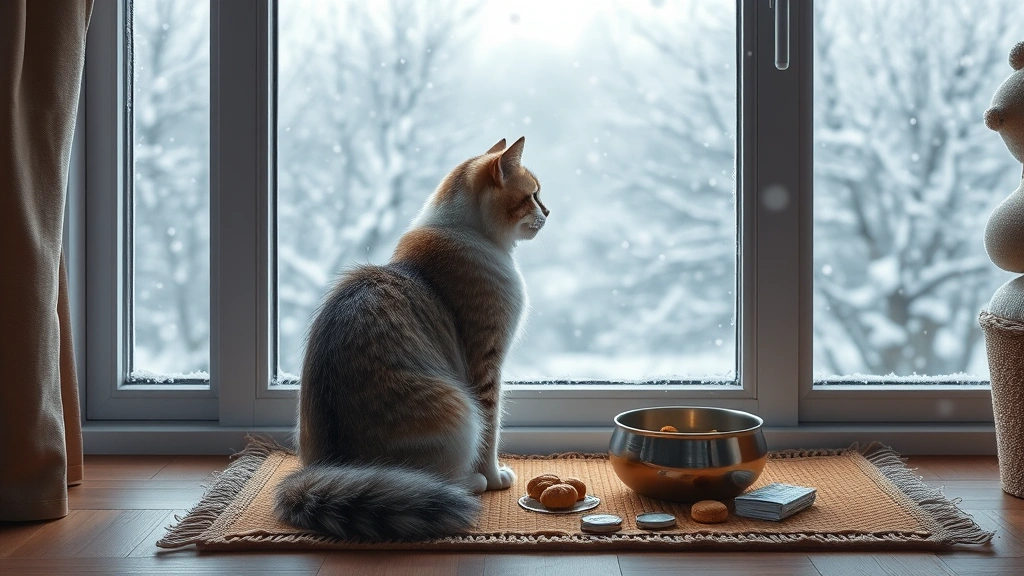
Cats especially struggle with winter hydration. If your cat normally eats dry food, winter is the perfect time to introduce wet food or add water to their kibble. Proper hydration supports kidney function and helps maintain healthy body weight.
Timing and Frequency of Winter Meals
Cold weather feeding strategy matters as much as quantity. Some pet owners find success splitting daily calories into three smaller meals instead of two, which keeps metabolism elevated and prevents the energy crashes that make pets more susceptible to cold stress.
Feed meals at consistent times, ideally earlier in the evening so your pet has fuel for overnight warmth. Avoid feeding right before outdoor time (wait 30-45 minutes after eating) to prevent digestive issues, but do feed shortly before sleep so they maintain body heat overnight.
Breed-Specific Cold Weather Caloric Adjustments
Different breeds have vastly different cold tolerance and caloric needs. Large, thick-coated breeds like Huskies and Malamutes are built for winter and need minimal adjustment—maybe 5-10% more calories. Short-haired, lean breeds like Greyhounds, Whippets, and Chihuahuas need aggressive caloric increases of 20-30%.
Small breed dogs struggle disproportionately with cold because they have higher surface-area-to-body-mass ratios. A 5-pound Chihuahua burns calories faster than a 50-pound Lab in identical conditions. Cats also vary: Maine Coons laugh at snow while Siamese cats shiver miserably in the same weather.
Monitoring Weight and Adjusting as Needed
Winter weight management requires vigilance. Weigh your pet monthly and adjust portions accordingly. Many pets gain weight in winter because owners increase food but don’t account for decreased activity levels. Others lose weight because their increased caloric needs aren’t met.
Keep a simple log: date, weight, portion size, and observed energy level. This data helps your vet make informed recommendations. If your pet loses more than 5% body weight over winter, increase calories by 15% and schedule a vet check to rule out underlying health issues.
Consider incorporating pet longevity supplements to support overall health during winter stress, and discuss preventative care supplements with your veterinarian to strengthen your pet’s winter resilience.
Special Considerations for Senior Pets and Health Conditions
Older pets need extra attention during winter. Their metabolism slows, but they also lose muscle mass and struggle with temperature regulation. Senior dogs and cats often benefit from slightly warmer food (not hot—around 100°F) which aids digestion and feels comforting.
Pets with arthritis, joint disease, or other chronic conditions face compounded challenges. Cold exacerbates joint pain and reduces mobility, leading to weight gain despite decreased activity. Work with your vet to balance caloric needs with pain management and consider anti-inflammatory supplements for cats or similar products for dogs to maintain mobility and quality of life.
Practical Winter Feeding Strategies
Here’s what actually works: keep food and water bowls inside and away from exterior doors. Outdoor bowls freeze, and pets won’t eat frozen food (understandably). If your pet spends significant time outdoors, provide a heated outdoor shelter with insulated food and water bowls.
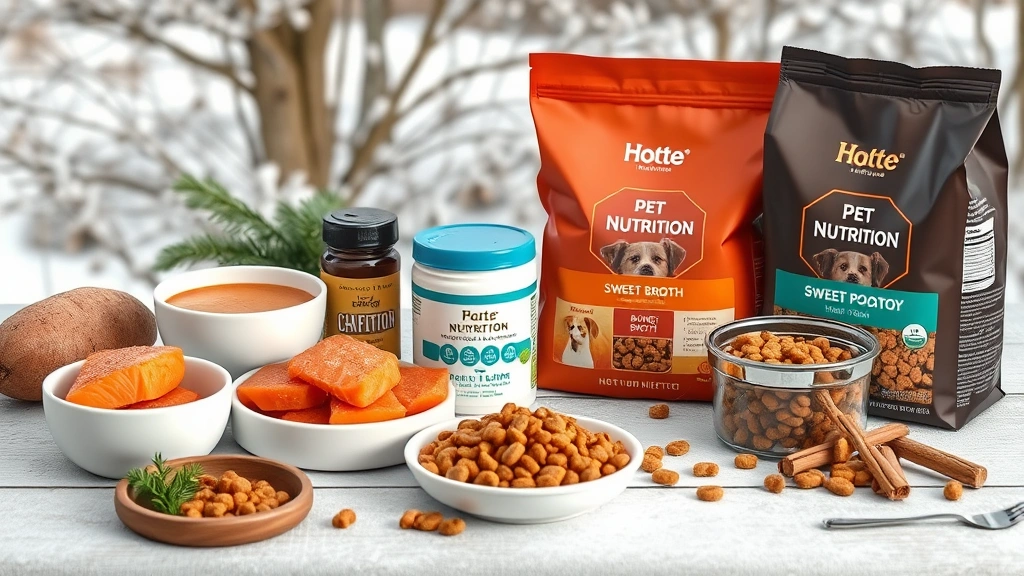
Rotate proteins weekly to maintain interest and ensure varied nutrient profiles. Add warming toppers like bone broth, pumpkin puree, or cooked vegetables to boost calories and palatability. Some pets eat better when food is slightly warmed, which also aids digestion.
Consider pet multivitamins to fill nutritional gaps, especially if you’re supplementing regular kibble with homemade additions.
Frequently Asked Questions
How much extra food should I give my pet in winter?
Start with a 10-15% increase in daily calories and monitor your pet’s body condition over two weeks. Adjust up or down based on whether they’re maintaining weight. Outdoor pets may need 20-25% more calories; indoor pets might need no increase at all.
Can I just give my pet table scraps to increase winter calories?
Avoid this temptation. Table scraps are often high in salt, fat, and additives that cause digestive upset. Instead, add pet-safe foods like cooked chicken, sweet potato, or bone broth to their regular diet.
Is wet food better than dry food for winter?
Both work fine, but wet food provides additional hydration and is more palatable to some pets. Many owners feed a combination: dry food for convenience and wet food for moisture and palatability. Wet food also warms more easily for picky eaters.
Should indoor cats eat more in winter?
Only slightly. Indoor cats with stable temperatures need minimal increases—maybe 5-10%. However, if your home temperature drops below 65°F or your cat has outdoor access, increase calories by 10-15%.
What’s the best way to transition to winter feeding?
Gradually increase portions over 7-10 days to avoid digestive upset. Add 10-15% more food each day until you reach your target winter amount. Similarly, transition back to normal portions in spring over the same timeframe.
How do I know if my pet is getting enough winter calories?
Your pet should maintain stable weight, have good energy levels, and display a healthy coat. If they’re losing weight, seem lethargic, or have dull fur, increase calories by 10-15%. Conversely, if they’re gaining weight, reduce portions slightly.
Summary: Getting Winter Nutrition Right
Your pet’s cold weather caloric needs are real, significant, and often overlooked by well-meaning owners. Winter nutrition isn’t just about feeding more—it’s about feeding smarter with high-quality proteins, healthy fats, and consistent hydration. Every pet is different, so monitor your individual animal’s body condition and adjust accordingly.
Start by calculating a 10-15% caloric increase for outdoor pets and reassess monthly. Emphasize protein and fat, keep water warm and accessible, and consider supplements to support immune function and joint health. Work with your veterinarian to create a winter feeding plan tailored to your pet’s age, breed, health status, and lifestyle.
Cold weather is harsh on pets, but proper nutrition makes it manageable. Your pet will thank you with better energy, a healthier coat, and the ability to actually enjoy winter instead of just surviving it.





