
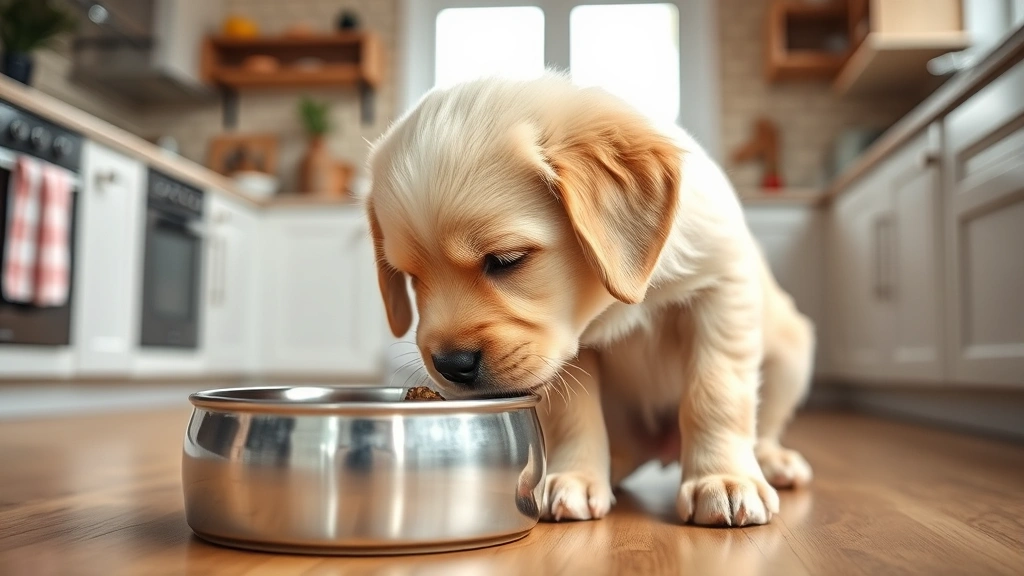
A growth phase feeding schedule is one of the most critical decisions you’ll make as a pet owner, yet it’s often overlooked or done haphazardly. Whether you’re raising a bouncy puppy, a kitten with endless energy, or any young animal, getting the feeding schedule right during those crucial developmental months can mean the difference between a healthy adult and one plagued with nutritional deficiencies or obesity issues.
Table of Contents
- Why Growth Phase Nutrition Matters More Than You Think
- Understanding Your Pet’s Growth Timeline
- Frequency: How Often Should You Feed Your Growing Pet?
- Portion Control During the Growth Phase
- Choosing the Right Food for Growth Phases
- Hydration: The Forgotten Piece of the Puzzle
- Transitioning From Growth Food to Adult Nutrition
- Common Mistakes in Growth Phase Feeding Schedules
- Supplements and Special Considerations During Growth
- Monitoring and Adjusting Your Growth Phase Feeding Schedule
- The Role of Exercise in Growth Phase Nutrition
- Frequently Asked Questions
- Conclusion: Making the Growth Phase Count
Why Growth Phase Nutrition Matters More Than You Think
During the growth phase, your pet’s body is essentially a construction site. Every cell, bone, muscle, and organ is being built from the ground up. This isn’t the time to wing it with random meals or whatever’s on sale at the pet store. Your growing pet needs specific nutrients in specific amounts at specific times. Think of it like building a house—you wouldn’t use subpar materials during the foundation stage and expect the walls to stand strong later, right?
Young animals have metabolic rates that would make a caffeine-addicted human jealous. They’re burning calories like crazy just existing, let alone playing, exploring, and learning. A proper puppy feeding schedule or kitten feeding regimen ensures they get adequate energy without becoming overfed, which can lead to developmental orthopedic disease in large breed dogs.
Understanding Your Pet’s Growth Timeline
Not all pets grow at the same rate, and this is where things get interesting. Small breed dogs might reach their adult size by 9-12 months, while large breeds can take 18-24 months to fully develop. Cats typically reach adulthood around 12 months. Rabbits, guinea pigs, and other small animals have their own unique timelines. Understanding where your pet falls on this spectrum is essential for creating an effective juvenile pet nutrition plan.
The first 8 weeks are especially critical—this is when your pet is transitioning from mother’s milk (if applicable) to solid food. If you’re adopting a young animal, ask the previous caregiver what they’ve been feeding and stick with it initially, gradually transitioning to your chosen diet over 7-10 days to avoid digestive upset.
Frequency: How Often Should You Feed Your Growing Pet?
Here’s where most people mess up: they feed their growing pets like they’re adults. Wrong move. Young animals need more frequent meals because their stomachs are smaller and their nutritional needs are higher per pound of body weight.

Puppies (8 weeks to 6 months): Feed 3-4 times daily. Yes, four times. This might seem excessive, but their little stomachs can’t hold enough food to sustain them for long periods.
Puppies (6 months to 1 year): Transition to 2 meals daily. By this point, their digestive system is more mature and can handle larger portions less frequently.
Kittens (8 weeks to 6 months): Feed 3-4 times daily, similar to puppies. Kittens are notorious for being picky eaters, so multiple smaller meals help ensure they’re getting adequate nutrition.
Kittens (6 months to 1 year): Move to 2 meals daily as they approach adulthood.
For other species like rabbits or guinea pigs, hay should be available constantly, but pellets should be portioned based on age and weight guidelines specific to each species.

Portion Control During the Growth Phase
This is where that feeding schedule becomes a real challenge. You need to balance providing enough calories for growth without creating an overweight youngster. Overfeeding during growth can actually accelerate growth too quickly, putting stress on developing bones and joints—particularly problematic in large breed dogs.
Most quality pet foods have feeding guidelines on the package, but these are often starting points, not gospel. Factors that affect portion size include:
- Current age and weight
- Expected adult size
- Activity level
- Specific food calorie content
- Individual metabolism
A good rule of thumb: you should be able to feel your pet’s ribs when you gently press their sides, but not see them prominently. If your pet is looking chunky, reduce portions slightly. If you can see ribs too clearly, increase portions. Your veterinarian can provide specific guidance based on your pet’s individual needs and growth curve.
Choosing the Right Food for Growth Phases
Not all pet foods are created equal, especially when it comes to supporting healthy growth. Look for foods specifically formulated for puppies, kittens, or young animals. These formulations contain appropriate ratios of protein, fat, and essential nutrients like calcium and phosphorus.
For large breed puppies specifically, choose foods formulated for large breed growth—these have controlled calcium and phosphorus levels to prevent developmental orthopedic disease. This isn’t marketing fluff; it’s legitimate science.

Quality ingredients matter. Your pet’s food should have named meat sources (like chicken, beef, or fish) rather than vague “meat by-products.” During growth phases, adequate protein is non-negotiable—aim for at least 22% crude protein for puppies and 24% for kittens.
Consider supplementing with pet supplement dosage guidance to ensure your growing pet gets all necessary vitamins and minerals. Many pet owners find pet supplement starter kits helpful for navigating the complex world of nutritional support during growth phases.
Hydration: The Forgotten Piece of the Puzzle
While we obsess over food portions and nutrient ratios, hydration often gets ignored. Growing pets need constant access to fresh, clean water. This is especially true for pets eating dry kibble, which has very low moisture content. A good rule: water should always be available, and you should notice your pet drinking regularly throughout the day.
Some pet owners add a bit of water or low-sodium broth to kibble to increase moisture content, which can aid digestion and hydration—particularly helpful for growing animals learning to eat solid food.
Transitioning From Growth Food to Adult Nutrition
Eventually, your pet will reach adulthood, and you’ll need to transition them to adult food. This isn’t an overnight switch. Gradual transitions over 7-10 days help prevent digestive upset and allow their system to adjust to the new formula.

The timeline varies by species and breed. Small breed dogs might transition around 9-12 months, while large breeds might stay on growth formulas until 18-24 months. Your veterinarian can advise when your specific pet is ready for the switch.
Common Mistakes in Growth Phase Feeding Schedules
Let me be real with you—most pet owners make at least one of these mistakes:
Feeding adult food too early: Adult formulas don’t have the right nutrient ratios for growing bodies. It’s like feeding a teenager a restricted-calorie diet meant for senior citizens.
Free-feeding (leaving food out all day): This makes portion control impossible and can lead to obesity. Set meal times help with housetraining too.
Mixing multiple foods constantly: While some variety is fine, constantly changing foods can upset digestion and make it hard to assess if your pet is getting adequate nutrition.

Ignoring growth rate: If your pet is growing too fast or too slow, it’s worth discussing with your vet. Abnormal growth can indicate health issues.
Skipping veterinary guidance: Your vet can assess your individual pet’s needs and adjust recommendations based on their growth curve.
Supplements and Special Considerations During Growth
Here’s where things get nuanced. A high-quality growth formula should contain all necessary nutrients, but some pets benefit from additional supplementation. Large breed puppies often benefit from joint support supplements containing glucosamine and chondroitin. Bone health supplements can provide additional support during critical growth phases, particularly for breeds prone to hip dysplasia.
Before adding supplements, consult your veterinarian. Over-supplementation, particularly with calcium and phosphorus, can actually harm growing pets. Your vet might recommend veterinarian recommended supplements based on your pet’s specific needs and breed predispositions.
For serious enthusiasts or those with multiple growing pets, professional grade pet supplements offer higher quality and potency than many over-the-counter options.
Monitoring and Adjusting Your Growth Phase Feeding Schedule
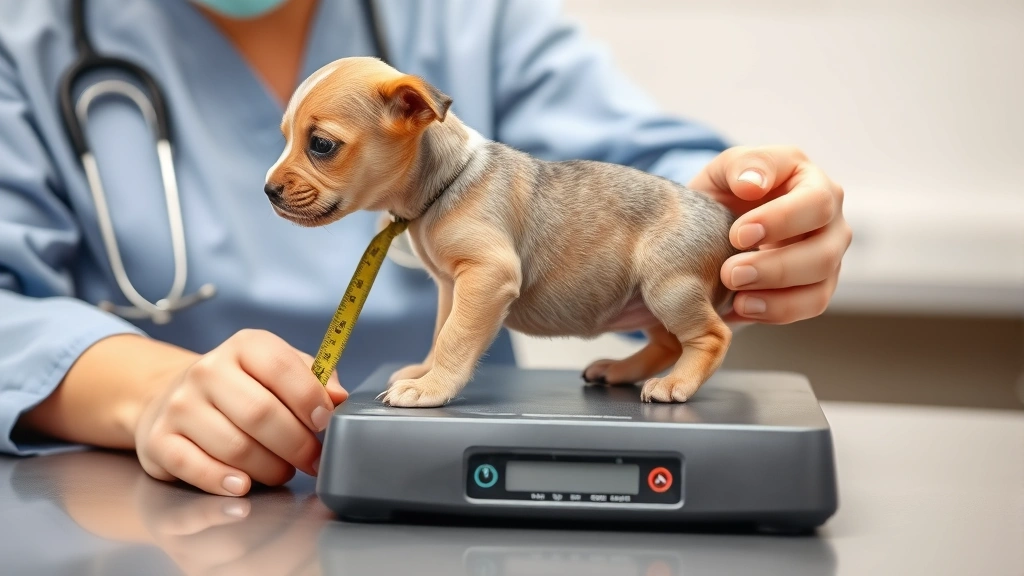
A feeding schedule isn’t set in stone—it’s a living, breathing plan that needs adjustment as your pet grows. Weigh your pet regularly (monthly is good) and track growth patterns. If growth seems too fast or too slow, it’s worth investigating.
Keep notes on how your pet looks and acts. Are they energetic? Is their coat healthy? Are they having digestive issues? These observations help you and your veterinarian fine-tune the feeding schedule for optimal results.
Body condition scoring is a useful tool. Your vet can teach you how to assess whether your pet is at an ideal weight. Aim for a body condition score of 4-5 on a 9-point scale, where 5 is ideal.
The Role of Exercise in Growth Phase Nutrition
Nutrition doesn’t exist in a vacuum—exercise plays a crucial role too. Growing pets need appropriate exercise for their age and breed, which affects their caloric needs. A couch potato puppy needs fewer calories than an active one.
However, excessive exercise during growth phases can stress developing joints, so avoid high-impact activities like jumping or long runs until your pet is fully grown. Moderate, age-appropriate exercise combined with proper nutrition creates the ideal environment for healthy development.

Frequently Asked Questions
How do I know if I’m feeding my growing pet the right amount?
Your pet should have a visible waist when viewed from above, and you should feel ribs easily without seeing them prominently. They should be energetic and playful, with a healthy coat. If you’re unsure, your veterinarian can assess body condition and provide specific portion recommendations.
Can I switch between different puppy foods if one is on sale?
While occasional brand switches are okay, constantly changing foods can upset digestion and make it difficult to assess if your pet is getting adequate nutrition. If you do switch, do it gradually over 7-10 days. Stick with one quality brand if possible.
Is it okay to give table scraps during the growth phase?
Table scraps should make up no more than 10% of daily calories and should never include foods toxic to pets (chocolate, grapes, onions, xylitol, etc.). During growth phases, consistency is especially important, so limit treats and focus on balanced meals.
When should I stop feeding growth formula?
This depends on your pet’s breed and size. Small breeds typically transition around 9-12 months, while large breeds might stay on growth formulas until 18-24 months. Your veterinarian can assess your pet’s growth plate closure and recommend the right time to switch.
Do all growing pets need supplements?
A high-quality growth formula should provide complete nutrition, but some pets benefit from additional support. Large breed puppies often benefit from joint supplements. Always consult your veterinarian before adding supplements to avoid over-supplementation.
How often should I visit the vet during my pet’s growth phase?
Most veterinarians recommend monthly check-ups during the first 6 months, then every 6-8 weeks until your pet reaches adulthood. These visits allow your vet to monitor growth, assess nutrition, and catch any developmental issues early.
Conclusion: Making the Growth Phase Count
A well-planned growth phase feeding schedule is one of the best investments you can make in your pet’s long-term health. It requires attention to detail, commitment to consistency, and willingness to adjust as needed, but the payoff is a healthy, properly developed adult animal.
Remember that every pet is unique. What works perfectly for your friend’s puppy might not be ideal for yours. Work closely with your veterinarian to develop a feeding plan tailored to your specific pet’s needs, breed, and growth trajectory. Monitor progress regularly, keep detailed notes, and don’t hesitate to ask questions.
The effort you put in during these critical growth months will pay dividends throughout your pet’s life. A strong foundation built on proper nutrition sets the stage for years of health, happiness, and vitality. Your pet’s future self will thank you for getting the growth phase right.





