
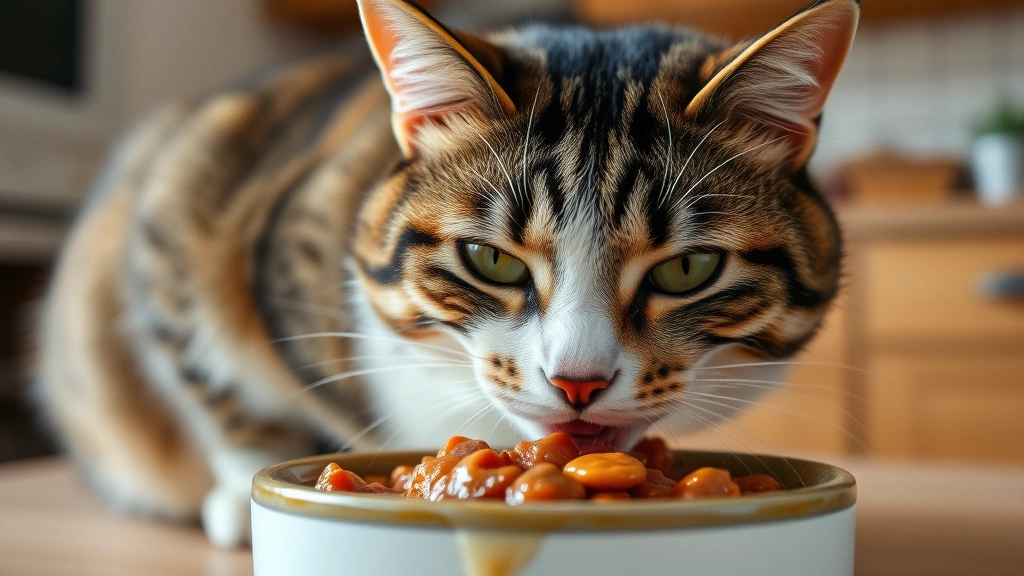
Mature cat feeding isn’t just about tossing kibble in a bowl and calling it a day—your senior feline deserves a nutrition strategy that keeps them thriving through their golden years. Whether your whiskered companion is 7, 12, or pushing 20, what they eat directly impacts their energy levels, coat quality, and overall wellbeing. Let’s dive into the essentials of feeding older cats the right way.
Table of Contents
- Understanding Your Senior Cat’s Changing Nutritional Needs
- Choosing High-Quality Protein Sources for Senior Felines
- Managing Portion Sizes and Meal Frequency
- Hydration: The Often-Overlooked Essential
- Incorporating Supplements and Joint Support
- Monitoring Health Through Diet and Regular Check-ups
- Addressing Common Senior Cat Feeding Challenges
- Budget-Friendly Approaches to Senior Cat Nutrition
- Frequently Asked Questions
- Summary: Making Mature Cat Feeding Work for Your Senior Companion
Understanding Your Senior Cat’s Changing Nutritional Needs
As cats age, their metabolism shifts like a car downshifting on a hill. A mature cat’s body processes protein differently, their digestive system becomes more sensitive, and their caloric needs often decrease. However—and this is crucial—they actually need *higher quality* protein to maintain muscle mass. This seems counterintuitive, but senior cats lose muscle naturally, and inadequate protein accelerates that loss.
Your 10-year-old tabby isn’t the same eating machine she was at age 3. Her kidneys work harder, her teeth might be compromised, and her digestive enzymes aren’t as robust. This is why generic “senior” formulas exist, but not all of them are created equal. Look for foods specifically formulated for mature cats with enhanced digestibility and appropriate nutrient profiles.
Choosing High-Quality Protein Sources for Senior Felines
Protein is the MVP of senior cat nutrition. Cats are obligate carnivores, meaning they’re hardwired to eat meat. When selecting food for mature cat feeding, prioritize named meat sources like chicken, turkey, fish, or beef—not vague terms like “meat by-products” or “animal meal.”
Quality protein helps preserve lean muscle mass, supports immune function, and maintains healthy skin and coat. Senior cats typically need 30-40% protein in their diet, sometimes even higher depending on individual health status. If your cat has kidney issues (common in older felines), your vet might adjust this, but don’t assume lower protein is better without professional guidance.
Consider rotating between different protein sources. Variety isn’t just the spice of life—it’s also nutritionally smart. Rotating between chicken, fish, and beef provides different amino acid profiles and micronutrients. Many cat owners find their mature cats respond better to fresh or minimally processed options, whether that’s high-quality commercial food or carefully balanced homemade diets prepared under veterinary supervision.
Managing Portion Sizes and Meal Frequency
Here’s where many well-meaning cat parents go wrong: they feed mature cats the same portions they ate as youngsters. Older cats typically need fewer calories because they’re less active, but the quality of those calories matters exponentially more. A 12-year-old cat might need 20-30% fewer calories than a 3-year-old, yet require denser nutrition in every bite.
Instead of one or two large meals, consider splitting your mature cat’s daily food into three or four smaller portions. This approach mimics how cats naturally hunt and eat in the wild—frequent, small meals—and it’s gentler on aging digestive systems. Smaller meals reduce the burden on the stomach and pancreas, potentially decreasing digestive upset.
The exact portion size depends on your cat’s body condition, activity level, and any underlying health conditions. A good rule of thumb: you should be able to feel your cat’s ribs without pressing hard, but not see them prominently. If your mature cat is gaining weight, they’re at higher risk for diabetes and joint problems. If they’re losing weight despite eating well, that’s a vet visit situation.
Hydration: The Often-Overlooked Essential
Senior cats are notoriously bad at drinking water. Their thirst mechanism isn’t as sharp as younger cats’, and chronic dehydration can lead to kidney disease, urinary issues, and general malaise. This is why wet food becomes increasingly important in mature cat feeding strategies.
Wet or canned food contains 70-80% moisture compared to dry kibble’s 10-12%. Feeding your senior cat primarily wet food can significantly boost their daily water intake without requiring them to drink from a bowl. Many vets recommend a diet that’s at least 50% wet food for senior cats, with some advocating for mostly wet food.
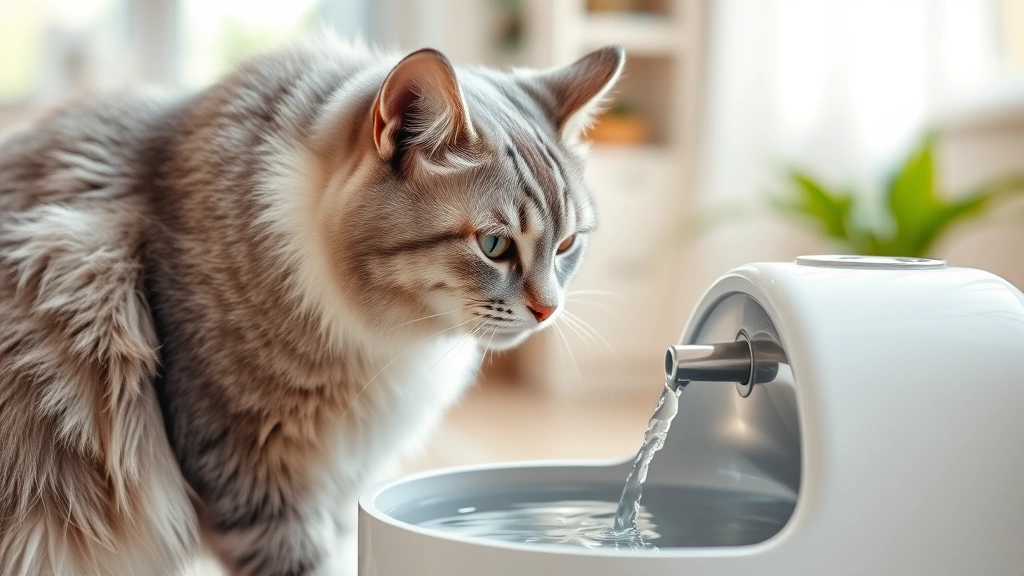
If your cat refuses wet food, try these tricks: warm it slightly to enhance aroma, add a bit of low-sodium broth, or mix wet and dry together. Some cats prefer food at room temperature, others like it slightly warmed. You might also invest in a cat water fountain—the moving water appeals to many older cats and encourages drinking.
Incorporating Supplements and Joint Support
Senior cats often benefit from targeted supplementation. Pet multivitamins designed for older cats can fill nutritional gaps, while powder probiotics for cats support digestive health and nutrient absorption. Many mature cats develop arthritis or joint stiffness, and joint pain relief for senior pets containing glucosamine and chondroitin can improve mobility and comfort.
Anti-inflammatory supplements for cats may help with chronic conditions common in aging felines. Omega-3 fatty acids support cognitive function, reduce inflammation, and promote coat health. However, before adding supplements, consult your veterinarian—some can interact with medications or underlying conditions.
When introducing supplements, start slowly and monitor for any digestive upset. Pet supplement dosage guidance should always be followed carefully, as senior cats have smaller body mass and more sensitive systems than younger adults.
Monitoring Health Through Diet and Regular Check-ups
Mature cat feeding isn’t a “set it and forget it” situation. You need to actively monitor how your senior cat responds to dietary changes. Pet health monitoring should include regular weight checks, coat condition assessment, energy level observation, and litter box habits.
Red flags that warrant a vet visit include sudden weight loss or gain, changes in appetite, vomiting, diarrhea, increased thirst, or behavioral changes. These could indicate kidney disease, thyroid issues, diabetes, or dental problems—all common in senior cats and all manageable with proper diagnosis.
Annual vet visits should become semi-annual or quarterly for cats over 10 years old. Blood work becomes increasingly important to catch early signs of organ dysfunction before symptoms appear. Your vet can recommend specific dietary adjustments based on your cat’s individual health profile.
Addressing Common Senior Cat Feeding Challenges
Dental disease is rampant in older cats, making wet food essential for many seniors. If your cat has significant tooth loss or gum disease, softened kibble, pâté-style wet food, or even pureed options might be necessary. Don’t assume your cat can’t eat just because they’ve lost teeth—cats are surprisingly adaptable, but texture matters.
Some mature cats develop pickiness as their senses dull. Warming food enhances aroma, which can stimulate appetite. Others become more sensitive to food changes, requiring gradual transitions when switching foods. Never switch abruptly—aim for a 7-10 day transition period mixing old and new food in increasing ratios.
Constipation affects many senior cats, especially those eating primarily dry food. Increase wet food intake, ensure adequate hydration, and discuss fiber supplementation with your vet if needed. Conversely, some older cats develop loose stools or diarrhea due to decreased digestive efficiency—your vet might recommend prescription digestive diets or probiotics.
Budget-Friendly Approaches to Senior Cat Nutrition
Quality senior cat feeding doesn’t require emptying your wallet. Buy wet food in bulk when on sale, compare price-per-serving across brands, and consider store brands that meet nutritional standards. Some premium foods offer better value than others—a pricier food with superior digestibility might mean your cat eats less overall.
Making homemade cat food under veterinary guidance can be cost-effective and allows complete control over ingredients. However, this requires careful nutritional planning to ensure your cat gets all necessary amino acids, minerals, and vitamins. Work with a veterinary nutritionist to create balanced recipes.
Don’t let cost prevent you from feeding quality food. A senior cat eating nutrient-dense food might actually cost less long-term because you’re preventing health issues that lead to expensive vet bills.
Frequently Asked Questions
How often should I feed my mature cat?
Most senior cats thrive on three to four smaller meals daily rather than one or two large meals. This approach mimics natural hunting patterns and is gentler on aging digestive systems. However, some cats do fine with two meals—observe your individual cat’s preferences and consult your vet.
Is wet food better than dry food for senior cats?
For most mature cats, a diet incorporating significant wet food (at least 50%) is beneficial due to increased moisture content, which supports hydration and kidney health. However, some dry food can be included, especially if it’s high-quality and your cat enjoys it. The ideal diet varies by individual cat.
Can I feed my senior cat the same food as my younger cats?
While it’s not harmful, senior cats benefit from foods specifically formulated for their life stage. Senior formulas typically feature higher-quality proteins, enhanced digestibility, added joint support, and balanced minerals for kidney health. If feeding multiple cats different foods, separate them during meals to prevent younger cats from eating senior food.
What supplements do senior cats really need?
This depends on your individual cat’s health status. Many benefit from joint support (glucosamine/chondroitin), probiotics for digestive health, and omega-3 fatty acids. However, always consult your veterinarian before supplementing—blood work might reveal specific deficiencies or contraindications based on your cat’s conditions.
How do I know if my senior cat is eating enough?
Monitor body condition (you should feel ribs without pressing), energy levels, coat quality, and weight trends. Weigh your cat monthly if possible. Sudden changes in appetite or weight warrant veterinary attention. Your vet can assess whether your cat’s caloric intake is appropriate for their age and health status.
Summary: Making Mature Cat Feeding Work for Your Senior Companion
Feeding a mature cat successfully requires understanding their unique nutritional needs, prioritizing high-quality protein, managing portions thoughtfully, and ensuring adequate hydration. Senior cats aren’t just smaller versions of adult cats—they’re individuals with specific requirements that change over time.
The best mature cat feeding strategy is personalized to your cat’s health status, preferences, and individual needs. Regular veterinary check-ups, close observation of your cat’s condition, and willingness to adjust their diet as needed will keep your senior feline thriving. Remember, you’re not just keeping your cat alive—you’re supporting their quality of life, mobility, cognitive function, and overall happiness during their golden years. That’s worth the extra attention and care.





