

A renal diet feeding routine is literally the difference between your pet thriving and struggling when kidney disease enters the picture. If you’ve just gotten the diagnosis that your furry best friend has kidney issues, don’t panic—we’re about to walk through exactly how to feed them right and keep them feeling their best.
Table of Contents
- What Makes a Renal Diet Different?
- Understanding Protein in Kidney Disease Management
- Phosphorus Control in Your Pet’s Feeding Schedule
- Establishing a Consistent Daily Feeding Routine
- Portion Sizes and Caloric Needs
- Wet Food vs. Dry Food: Which Works Better?
- Water Intake and Hydration Strategies
- Treats and Table Scraps: What’s Safe?
- Monitoring Your Pet’s Response to the Renal Diet
- Transitioning to a Renal Diet Safely
- Working With Your Veterinarian on Nutrition
- Frequently Asked Questions
- Summary: Making the Renal Diet Work Long-Term
What Makes a Renal Diet Different?
Your pet’s kidneys are basically tiny filtration factories that work 24/7 to keep waste products out of the bloodstream. When they start failing, those waste products build up like trash in an overstuffed dumpster. A renal diet feeding routine specifically reduces the workload on these struggling organs by limiting certain nutrients—mainly protein, phosphorus, and sodium.
The goal isn’t to starve your pet of nutrition; it’s to feed them smarter. High-quality, easily digestible proteins become your best friend here. Think of it like giving your pet’s kidneys a lighter load to carry instead of making them haul bricks up a hill.
Understanding Protein in Kidney Disease Management
Here’s where people get confused: dogs and cats still need protein when they have kidney disease. The trick is feeding them the right amount of high-quality protein, not eliminating it entirely. Your vet will recommend specific protein percentages based on your pet’s individual condition.
Lower protein levels reduce the buildup of nitrogenous waste products, which is exactly what stressed kidneys can’t handle. But here’s the catch—the protein you do feed needs to be highly digestible. Your pet should be absorbing and using most of what you give them, not passing it through their system unused.
Phosphorus Control in Your Pet’s Feeding Schedule
Phosphorus management is absolutely critical in a kidney disease feeding routine. When kidneys fail, they can’t regulate phosphorus levels properly, leading to mineral imbalances that damage bones and soft tissues. Prescription renal diets are specifically formulated to keep phosphorus low.
This is why you can’t just switch your pet to a generic “low protein” diet and call it a day. Renal-specific formulations are engineered by veterinary nutritionists to hit the exact phosphorus targets your pet needs. It’s not something to wing on your own—work with your vet to get the right formula.
Establishing a Consistent Daily Feeding Routine
Consistency matters more than you’d think with kidney disease. Your pet’s body thrives on routine, and their digestive system especially appreciates knowing when food is coming. Most vets recommend feeding pets with kidney disease twice daily at the same times every single day.
This helps with several things: it keeps blood sugar stable, makes monitoring appetite easier (which is crucial for catching complications early), and reduces stress on the digestive system. Set alarms on your phone if you need to—this is worth the reminder.
When establishing your renal diet feeding routine, also consider your pet’s current appetite and energy levels. Some days they’ll be hungrier than others, and that’s normal. The key is sticking to portion sizes your vet recommends while staying flexible about timing if needed.
Portion Sizes and Caloric Needs
Your vet will give you specific portion recommendations based on your pet’s weight, age, and overall health status. Don’t eyeball it—actually measure food with a proper measuring cup. A little extra here and there adds up fast and can stress the kidneys.
Most pets with kidney disease actually need slightly fewer calories than healthy pets since they’re often less active due to feeling unwell. Your vet might recommend reducing portions by 10-15% compared to what a healthy pet of the same size would eat. This isn’t about making your pet hungry; it’s about preventing obesity, which puts additional stress on failing kidneys.
For detailed guidance on supplementing your pet’s diet, check out our Pet Supplement Dosage Guidance article to ensure you’re adding the right nutrients safely.
Wet Food vs. Dry Food: Which Works Better?
Here’s a hot take: wet food often works better for pets with kidney disease. Prescription renal diets come in both wet and dry formulations, but wet food has some advantages. It contains more moisture, which helps keep your pet hydrated—something kidney disease patients desperately need.
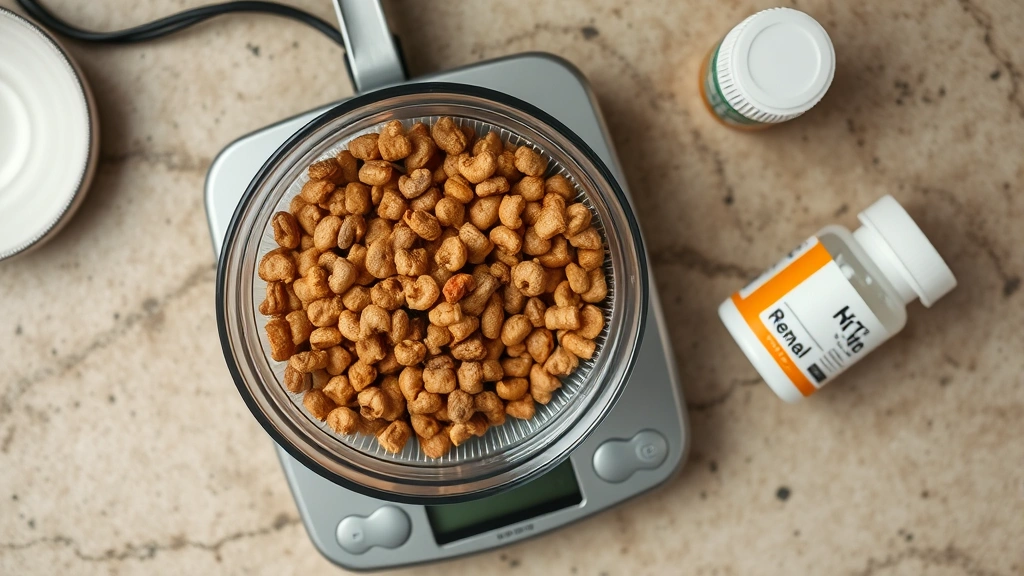
Wet food is also typically more palatable, meaning pets with reduced appetites are more likely to eat it. Since kidney disease often causes nausea and appetite loss, anything that gets them to eat is a win. You can also warm wet food slightly (not hot!) to make it even more appealing and easier to digest.
That said, some pets prefer dry food, and that’s fine too. The most important thing is that they’re eating the right formula consistently. If your pet refuses their prescribed diet, talk to your vet about alternatives rather than switching on your own.
Water Intake and Hydration Strategies
While we’re talking about feeding, hydration deserves its own spotlight. Pets with kidney disease need constant access to fresh, clean water. Some vets recommend leaving multiple water bowls around the house to encourage drinking.
A few tricks that work: add low-sodium broth to their water (vet-approved only), use a cat water fountain if you have a feline friend (many cats prefer moving water), or offer water-rich foods like wet food more frequently. Proper hydration helps the kidneys function better and prevents additional complications.
Check out our Pet Health Monitoring guide for signs that your pet might not be drinking enough water.
Treats and Table Scraps: What’s Safe?
This is where pet parents struggle the most. You love your pet, and giving treats feels like showing love. But with kidney disease, most regular treats are off-limits due to high sodium, phosphorus, or protein content.
The good news? Renal-friendly treats exist. Your vet can recommend approved options, or you can offer small amounts of safe foods like plain boiled chicken (in tiny portions), green beans, or carrots. Just make sure these treats count toward your pet’s daily caloric intake—don’t add them on top of meals.
Absolutely avoid anything with added salt, seasonings, or human food scraps. That pizza crust might seem harmless, but it’s likely packed with sodium and phosphorus that will stress your pet’s kidneys.
Monitoring Your Pet’s Response to the Renal Diet
Once you’ve started a renal diet feeding routine, pay attention to how your pet responds. Are they eating well? Do they have more energy? Is their coat healthier? These are all positive signs.
Watch for red flags too: excessive vomiting, extreme lethargy, loss of appetite, or changes in water consumption. These could indicate the diet needs adjustment or that a new complication has developed. Keep your vet in the loop with regular check-ins—they’ll likely want to retest kidney values every 3-6 months.
Many pets actually feel better once they’re on a proper renal diet because their kidneys aren’t working so hard. You might notice improved appetite and activity levels within weeks. It’s genuinely rewarding to see.
Transitioning to a Renal Diet Safely
Don’t just switch your pet’s food cold turkey. A gradual transition over 7-10 days helps prevent digestive upset. Mix increasing amounts of the new renal diet with their old food, slowly reducing the old food percentage each day.
Day 1-2: 75% old food, 25% new food
Day 3-4: 50% old food, 50% new food
Day 5-6: 25% old food, 75% new food
Day 7-10: 100% new food
If your pet has a sensitive stomach or shows signs of digestive upset, slow this transition down even more. Some pets need 2-3 weeks to fully adjust.
Working With Your Veterinarian on Nutrition
Your vet is your partner in this journey. They should provide specific feeding recommendations tailored to your pet’s kidney values, age, and overall health. If your regular vet doesn’t feel confident with nutritional guidance, ask for a referral to a veterinary nutritionist—these specialists are worth their weight in gold.
According to the Association of American Feed Control Officials (AAFCO), prescription diets must meet strict nutritional standards specifically designed for disease management. This is why prescription renal diets are so much better than over-the-counter options.
For comprehensive health monitoring alongside diet changes, our Pet Longevity Supplements article discusses additional support options your vet might recommend.
Frequently Asked Questions
Can I prepare homemade renal diet food for my pet?
Homemade renal diets are possible but require working with a veterinary nutritionist to ensure proper nutrient balance. It’s easy to accidentally include too much phosphorus or protein when cooking at home. Most vets recommend prescription commercial diets because they’re formulated to exact specifications. If you want to try homemade feeding, get a formal recipe from a board-certified veterinary nutritionist and have regular bloodwork done to monitor kidney values.
How long does it take to see improvements after starting a renal diet?
Many pets show improvement within 2-4 weeks, though some take longer. You might notice better appetite, increased energy, and improved coat quality. Kidney values measured through bloodwork may take 6-8 weeks to show improvement. Be patient—the renal diet feeding routine is working even if changes seem slow.
What if my pet refuses to eat the prescribed renal diet?
This is frustrating but common. Try warming the food, mixing in approved broths, or offering it at different times. If your pet consistently refuses the diet, contact your vet immediately. They might recommend a different formula, brand, or feeding approach. Never force a pet to eat or switch diets without vet guidance—malnutrition is as dangerous as kidney disease.
Can supplements help with kidney disease alongside the renal diet?
Some supplements may support kidney health when prescribed by your vet, including omega-3 fatty acids and specific phosphate binders. However, many supplements contain phosphorus or other minerals that worsen kidney disease. Always get vet approval before adding anything to your pet’s routine. Our At Home Pet Treatments guide discusses vet-approved options.
Should I adjust portions as my pet gets older?
Yes, nutritional needs change with age and disease progression. Older pets with kidney disease may need fewer calories but the same careful nutrient balance. Have your vet reassess your pet’s portions annually or whenever kidney values change significantly. Regular bloodwork helps guide these adjustments.
Summary: Making the Renal Diet Work Long-Term
A renal diet feeding routine isn’t punishment—it’s one of the best tools you have to help your pet live longer, feel better, and maintain quality of life despite kidney disease. The key is consistency, working closely with your vet, and staying committed even when it feels tedious.
Start by getting a prescription renal diet from your vet, establish a consistent twice-daily feeding schedule, measure portions carefully, and monitor your pet’s response. Keep water available at all times, avoid unauthorized treats, and have regular check-ins with your vet to adjust as needed.
Your pet can’t tell you how much better they feel on the right diet, but you’ll see it in their eyes, their energy level, and their overall health. That’s worth every bit of effort you put into this routine. You’ve got this, and your pet is lucky to have someone who cares enough to get it right.





