

When your furry friend gets diagnosed with liver disease, a liver disease feeding regimen becomes your secret weapon in the fight for their health and happiness. I know it sounds intimidating—suddenly you’re not just a pet parent, you’re a nutritionist too—but trust me, getting the diet right can genuinely transform your pet’s quality of life and slow disease progression. Let’s break down exactly what you need to know to feed your liver-challenged companion like a pro.
Table of Contents
- Understanding Liver Disease and Why Diet Matters So Much
- Tip #1: Keep Protein Moderate (But Not Too Low)
- Tip #2: Manage Fat Content Carefully
- Tip #3: Add Easily Digestible Carbohydrates
- Tip #4: Control Sodium and Copper Intake
- Tip #5: Implement Frequent, Small Meals
- Creating Your Pet’s Personalized Liver Disease Feeding Regimen
- Supplements That Support Liver Health
- Monitoring and Adjusting the Feeding Plan
- Common Mistakes to Avoid
- When to Seek Professional Help
- Success Stories: Real Pets Thriving on Liver Disease Feeding Regimens
- Frequently Asked Questions
- Final Thoughts: Your Pet’s Recovery Starts With What’s in Their Bowl
Understanding Liver Disease and Why Diet Matters So Much
Your pet’s liver is basically the body’s personal cleanup crew. When it starts failing, everything goes sideways—toxins build up, proteins get weird, and your pet feels absolutely miserable. Here’s the thing: while you can’t cure liver disease with food alone, the right hepatic diet plan can seriously reduce the workload on that struggling organ.
The liver filters blood, produces bile, stores nutrients, and detoxifies harmful substances. When it’s compromised, feeding the wrong foods is like asking a tired worker to carry even heavier loads. A proper liver disease feeding regimen focuses on reducing the liver’s burden while providing essential nutrients. This is where most pet parents go wrong—they think they’re helping by feeding regular food, but they’re actually making things worse.
Tip #1: Keep Protein Moderate (But Not Too Low)
This is where things get tricky, and honestly, it’s where I see the most confusion. You’ll hear “reduce protein” and immediately think you should feed your pet like they’re a rabbit. Wrong move.
Pets with liver disease need protein, just in the right amounts and the right kind. The goal is high-quality, easily digestible protein that doesn’t create excess ammonia—a toxic byproduct that damaged livers struggle to process. Think of it like this: you’re not reducing the fuel, you’re upgrading to premium fuel that burns cleaner.
For dogs, aim for 10-15% crude protein in their diet (compared to 18-25% for healthy dogs). For cats, it’s a bit different—they need 26-35% crude protein, even with liver disease, because they’re obligate carnivores and will literally waste away without adequate protein. Always check with your vet about specific percentages for your pet, since individual cases vary wildly.
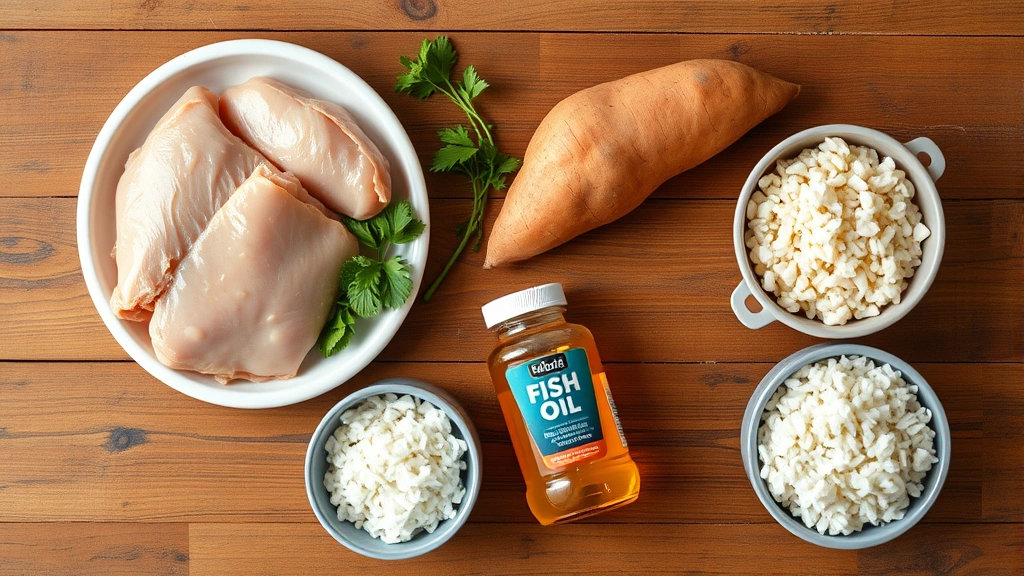
Good protein sources include chicken, turkey, eggs, and fish. Avoid high-ammonia proteins like beef and organ meats. Your vet might recommend prescription hepatic diet formulas that are specifically balanced for liver health.
Tip #2: Manage Fat Content Carefully
Damaged livers struggle with fat metabolism, so you’ll want to keep dietary fat between 5-15% for dogs with liver disease. This isn’t about making your pet skinny—it’s about preventing the liver from working overtime.
However, some fat is absolutely necessary. Omega-3 fatty acids actually help reduce liver inflammation, so don’t go full zero-fat mode. The key is quality over quantity. Include fish oil supplements (with your vet’s approval), which provide anti-inflammatory benefits without taxing the liver.
When you’re shopping for food, read those labels carefully. Many commercial pet foods are loaded with fat that a healthy liver could handle but a diseased one definitely cannot. This is a perfect time to consult your vet about prescription diets specifically formulated for liver support.
Tip #3: Add Easily Digestible Carbohydrates
Carbs get a bad rap in pet nutrition, but for liver disease patients, they’re actually your friend. Easily digestible carbohydrates like rice, sweet potato, and oats provide energy without forcing the liver to work hard on protein and fat metabolism.
The digestibility factor is crucial here. Your pet’s compromised liver can’t handle complex carbs efficiently, so stick to simple, refined carbohydrates. White rice is actually better than brown rice for liver patients because it’s easier to digest. I know that sounds backward, but liver disease is full of these counterintuitive rules.
Aim for carbohydrates to make up about 35-50% of your pet’s diet. This gives their body the energy it needs while sparing the liver from excessive metabolic demands. When you’re following a liver-friendly nutrition plan, carbs become one of your most valuable allies.
Tip #4: Control Sodium and Copper Intake
Here’s something many pet parents miss entirely: excess sodium and copper can seriously worsen liver disease. Sodium promotes fluid retention, which creates ascites (fluid buildup in the abdomen)—not fun for anyone involved. Copper accumulates in the liver and accelerates damage, especially in certain breeds predisposed to copper storage disease.
Keep sodium below 0.5% on a dry matter basis. This means reading labels obsessively and avoiding anything with added salt. No table scraps, no salty treats, no “just a little bit” of human food.
Copper is trickier because it’s in many foods naturally. Organ meats, shellfish, and nuts are high in copper and should be avoided. Prescription liver diets are formulated with copper content in mind, which is another reason they’re worth the investment. If your pet has specific copper storage issues, your vet might recommend chelating agents to help remove excess copper from the body.
Tip #5: Implement Frequent, Small Meals
Instead of one or two big meals daily, feed your liver disease patient multiple small portions throughout the day. This approach reduces the metabolic burden on the liver with each meal and helps maintain stable blood sugar levels.
For dogs, try three to four smaller meals instead of one or two large ones. For cats, this actually aligns better with their natural eating patterns anyway. Frequent, small meals also help prevent hypoglycemia, which is common in advanced liver disease.
Keep meal sizes consistent and use proper measuring pet food techniques to avoid overfeeding. Even a few extra calories can stress a failing liver. If your pet is on medications, coordinate with your vet about the best medication with food schedule to maximize absorption and minimize side effects.
Creating Your Pet’s Personalized Liver Disease Feeding Regimen
Every liver disease case is unique. Your golden retriever’s needs might be completely different from your neighbor’s cat with the same diagnosis. The best approach combines prescription diet recommendations from your vet with careful monitoring of how your pet responds.
Start by getting a complete diagnosis. Different liver conditions (cirrhosis, hepatitis, fatty liver disease) sometimes require slightly different nutritional approaches. Your vet might recommend feeding during illness protocols that are more aggressive than maintenance feeding.
Consider working with a veterinary nutritionist if your pet isn’t responding well to standard protocols. These specialists can create custom food recipes that hit exact nutritional targets for your pet’s specific situation. It’s worth every penny if it extends your pet’s life and improves their comfort.
Supplements That Support Liver Health
Beyond diet, certain supplements can genuinely help support liver function. Milk thistle (silymarin) is the most researched and has solid evidence for liver protection. SAMe (S-adenosyl methionine) helps with liver detoxification. Ursodeoxycholic acid (UDCA) improves bile flow.
Always discuss supplements with your vet before adding them. Some can interact with medications, and dosages matter. Your vet can recommend appropriate pet supplement dosage guidance specific to your pet’s condition and weight.
Monitoring and Adjusting the Feeding Plan
A liver disease feeding regimen isn’t set-and-forget. You need to monitor how your pet responds and adjust accordingly. Watch for appetite changes, energy levels, weight stability, and any signs of ascites (abdominal swelling).
Regular bloodwork is essential. Liver enzymes, ammonia levels, albumin, and bilirubin tell you whether the diet is working. If values are improving or stable, you’re on the right track. If they’re deteriorating, your vet might recommend adjustments.
Keep detailed records of what you’re feeding, portion sizes, and how your pet responds. This information is gold when you’re troubleshooting or discussing progress with your vet. Some pets thrive on prescription diets, while others need homemade meals prepared according to veterinary nutritionist specifications.
Common Mistakes to Avoid
Don’t assume your pet can eat regular food with just smaller portions. The macronutrient ratios are completely different. Don’t switch foods suddenly—liver patients have sensitive digestive systems, so transitions should take 7-10 days, mixing gradually.
Avoid giving your pet “just a taste” of your dinner. That bite of chicken with seasoning, that treat from the table—these add up and can contain sodium, spices, and other ingredients that stress the liver. Your pet doesn’t understand they have liver disease; they just see you eating delicious food. Stay strong and stick to the regimen.

Don’t rely on diet alone. Liver disease usually requires medication too—lactulose, ursodeoxycholic acid, or other drugs depending on the diagnosis. Diet and medication work together; neither alone is usually sufficient.
When to Seek Professional Help
If your pet isn’t improving on a standard liver diet, or if you’re struggling to manage the feeding regimen, reach out for professional support. You can even schedule a pet health consultation via video to discuss your concerns with a vet without leaving home.
Veterinary nutritionists can create custom feeding plans tailored to your pet’s exact needs. Hepatologists (liver specialists) can provide advanced guidance for complicated cases. Your regular vet is your starting point, but don’t hesitate to seek specialist input if needed.
Success Stories: Real Pets Thriving on Liver Disease Feeding Regimens
I’ve seen pets go from barely eating and lethargic to playful and engaged within weeks of starting a proper liver disease feeding regimen. One 10-year-old Labrador with cirrhosis went from having a prognosis of “weeks to months” to thriving for another two years with excellent quality of life—all because his owner committed to the dietary protocol.
A cat with hepatic lipidosis (fatty liver disease) made a complete recovery once her owner switched to frequent, small meals of the right nutritional composition. These aren’t miracle stories; they’re just what happens when you take liver disease seriously and implement proper nutrition.
Frequently Asked Questions
Can I feed my pet with liver disease homemade food?
Yes, but only with guidance from a veterinary nutritionist. Homemade diets can work wonderfully for liver disease patients, but they must be carefully formulated to hit exact nutritional targets. One study from UC Davis found that most homemade pet food recipes are nutritionally incomplete or unbalanced. Work with a professional to ensure your recipe is safe.
How long does it take to see improvement with a liver disease feeding regimen?
Some pets show improvement within 2-4 weeks, while others take 8-12 weeks. Bloodwork should be rechecked 4-6 weeks after starting a new diet to assess progress. The liver has remarkable regenerative capacity, but it takes time.
Is prescription liver diet food really necessary?
For most pets with liver disease, prescription diets are highly recommended because they’re formulated specifically for hepatic support. They’re not cheap, but they’re usually more cost-effective than managing complications from inadequate nutrition. Your vet can help determine if a prescription diet is right for your pet.
Can I give my pet treats while on a liver disease feeding regimen?
Only treats specifically approved by your vet. Most commercial treats contain too much sodium, fat, or protein for liver patients. Some vets approve small amounts of plain cooked chicken or specific low-sodium treats. Always ask first.
What if my pet refuses to eat the prescribed liver diet?
This is frustrating but solvable. Try warming the food, adding a small amount of low-sodium broth, or mixing in a liver-safe topper. Sometimes switching between different prescription brands helps. If your pet continues refusing food, contact your vet immediately—anorexia in liver patients is serious.
Does breed matter when implementing a liver disease feeding regimen?
Yes, breed-specific predispositions matter. Certain breeds like Bedlington Terriers and West Highland White Terriers are prone to copper storage disease and need special copper management. Dobermans are predisposed to dilated cardiomyopathy with liver involvement. Your vet will consider breed-specific factors when recommending a feeding plan.
Final Thoughts: Your Pet’s Recovery Starts With What’s in Their Bowl
Managing a liver disease feeding regimen requires commitment, attention to detail, and willingness to learn. It’s not glamorous—no Instagram moments of you measuring out precisely portioned meals of prescription diet—but it’s one of the most impactful things you can do for your pet’s health and longevity.
Your pet is counting on you to get this right. With the five essential tips outlined here—moderate quality protein, controlled fat, digestible carbs, limited sodium and copper, and frequent small meals—you have a solid foundation for success. Combine these with your vet’s guidance, regular monitoring, and appropriate medications, and you’re giving your pet the absolute best chance at managing their liver disease.
The fact that you’re reading this article tells me you care deeply about your pet’s wellbeing. That commitment, combined with proper nutrition, can genuinely extend your pet’s life and dramatically improve their quality of life. Now get out there and show that liver disease who’s boss.





