
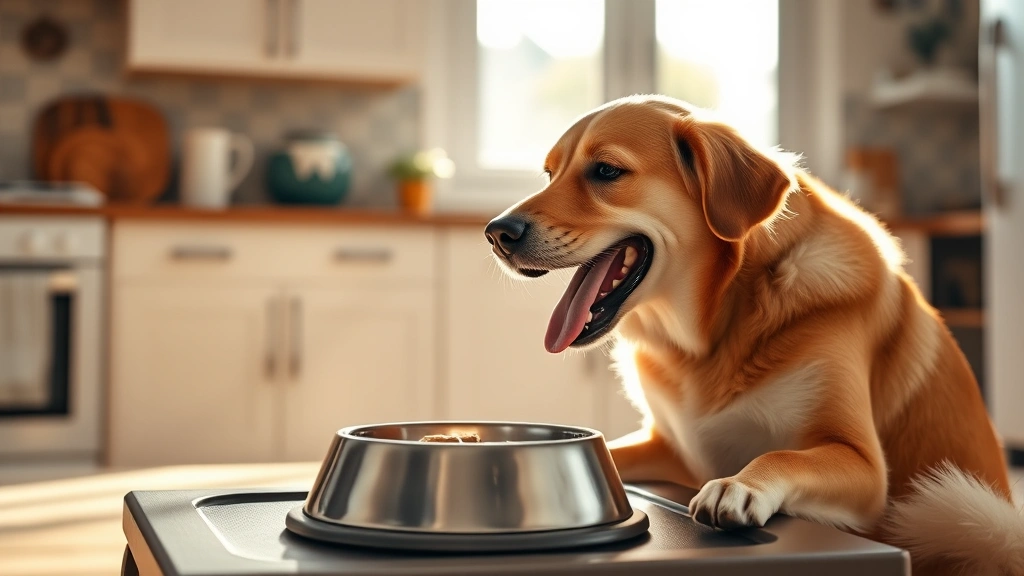
A feeding schedule for EPI dogs isn’t just about tossing kibble in a bowl twice a day—it’s a carefully orchestrated meal plan that can literally transform your pup’s quality of life. If you’ve got a dog with Exocrine Pancreatic Insufficiency (EPI), you already know that their digestive system is basically staging a protest against normal food processing. But here’s the good news: with the right feeding strategy, your furry friend can thrive.
Table of Contents
- Understanding EPI in Dogs: Why Feeding Matters
- The Ideal Feeding Schedule for EPI Dogs
- Portion Control and Caloric Needs for EPI Canines
- Best Food Types for Your EPI Dog’s Diet
- Enzyme Supplementation: Timing Is Everything
- Sensitive Stomach Considerations for EPI Pups
- Monitoring and Adjusting Your EPI Dog’s Feeding Plan
- Treats and Between-Meal Snacks: What’s Safe?
- Common Feeding Mistakes EPI Dog Owners Make
- Advanced Nutrition Options and Professional Supplements
- Frequently Asked Questions
- Summary: Your EPI Dog’s Path to Better Health
Understanding EPI in Dogs: Why Feeding Matters
Before we dive into the nitty-gritty of meal timing, let’s talk about what EPI actually is. Exocrine Pancreatic Insufficiency happens when your dog’s pancreas doesn’t produce enough digestive enzymes. Think of it like your dog’s digestive system showing up to work without the right tools. Without these enzymes, food just passes through their system undigested, leading to weight loss, greasy stools, and a generally unhappy pup.
The pancreatic enzyme deficiency means your dog struggles to break down proteins, fats, and carbohydrates. This is where your feeding schedule for pets becomes absolutely critical. You’re not just feeding your dog—you’re compensating for what their pancreas can’t do.
The Ideal Feeding Schedule for EPI Dogs
Most vets recommend feeding EPI dogs two to three times per day rather than once. Why? Smaller, more frequent meals are easier for their compromised digestive system to handle. It’s like the difference between trying to move a house in one trip versus several trips—the smaller loads work better.
A typical schedule might look like this:
- Morning meal: 7-8 AM
- Afternoon meal: 12-1 PM (optional but recommended)
- Evening meal: 5-6 PM
Consistency is your best friend here. Dogs thrive on routine, and EPI dogs especially benefit from knowing exactly when meals are coming. This predictability helps their digestive system prepare and function more efficiently.
Portion Control and Caloric Needs for EPI Canines
Here’s where pet portion control becomes your secret weapon. EPI dogs often need MORE calories than healthy dogs because they’re not absorbing nutrients efficiently. It’s frustrating, but it’s reality. You might feed your EPI dog 25-50% more food than a non-EPI dog of the same size.
Work with your vet to determine the right caloric intake. Generally, you’re looking at:
- Small breeds (under 20 lbs): 400-600 calories daily
- Medium breeds (20-50 lbs): 800-1200 calories daily
- Large breeds (50+ lbs): 1500-2200 calories daily
Monitor your dog’s weight monthly. You want to see steady weight gain or maintenance, not the rib-showing look many EPI dogs have before diagnosis.
Best Food Types for Your EPI Dog’s Diet
Not all dog foods are created equal when it comes to EPI management. Your dog needs highly digestible, quality nutrition. Look for:
- High-quality proteins: Chicken, turkey, beef, and fish are easier to digest than plant-based proteins
- Low to moderate fat: While fat is needed, too much can overwhelm the digestive system
- Easily digestible carbs: White rice, sweet potato, and plain oatmeal work better than corn or wheat
- Prescription diets: Many vets recommend Royal Canin Digestive or Hill’s Science Diet Sensitive Stomach & Skin
Some owners have success with home-cooked diets, but this requires working closely with a veterinary nutritionist to ensure complete nutrition. Raw diets are generally NOT recommended for EPI dogs—their systems just can’t handle the load.
Enzyme Supplementation: Timing Is Everything
Here’s the game-changer: pancreatic enzyme supplements. These are typically sprinkled on food and work as replacements for what your dog’s pancreas can’t produce. The timing of these supplements with meals is crucial.
Most vets recommend:
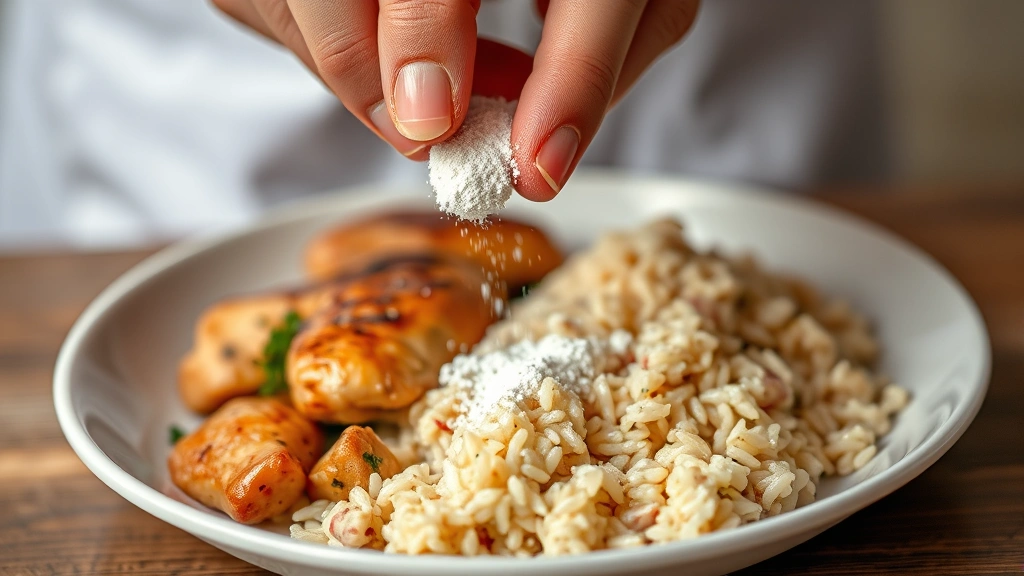
- Mix enzymes with a small amount of food 10-15 minutes before the main meal
- Some enzymes work better when pre-incubated with food for 15-20 minutes before feeding
- Always follow your vet’s specific instructions—different products have different protocols
Check out pet supplement dosage guidance to ensure you’re giving the right amount. Under-dosing means your dog still can’t digest food properly; over-dosing is wasteful and expensive.
Sensitive Stomach Considerations for EPI Pups
EPI dogs almost always have sensitive stomachs because their digestive systems are already compromised. This means your sensitive stomach feeding schedule needs extra TLC.
Avoid:
- Sudden diet changes (transition over 7-10 days minimum)
- High-fiber foods (they’re harder to digest)
- Fatty treats and table scraps
- Foods with artificial additives or excessive seasoning
- Dairy products (many EPI dogs develop lactose intolerance)
Introduce new foods slowly and monitor your dog’s response. Keep a food diary—yes, really—to track what works and what causes digestive upset.
Monitoring and Adjusting Your EPI Dog’s Feeding Plan
Your initial feeding schedule isn’t set in stone. As your dog’s condition stabilizes, you might adjust meal frequency or portions. Regular pet health monitoring is essential.
Watch for:
- Stool quality: Firm stools mean things are working. Greasy or loose stools suggest enzyme dosage needs adjustment
- Weight trends: Steady weight gain is the goal
- Energy levels: Your dog should seem more vibrant as nutrition improves
- Coat condition: A healthy coat indicates better nutrient absorption
Schedule vet check-ups every 3-4 months initially, then every 6 months once stable. Blood work helps confirm your dog is absorbing nutrients properly.
Treats and Between-Meal Snacks: What’s Safe?
Just because your dog has EPI doesn’t mean they can’t enjoy treats. It just means you need to be strategic. Stick with simple, digestible options:
- Plain boiled chicken (cut into small pieces)
- Plain cooked sweet potato
- Rice cakes (plain, no salt)
- Carrots (raw or cooked)
- Pumpkin puree (plain, not pie filling)
Avoid anything with added fats, seasonings, or artificial ingredients. Treats should comprise no more than 10% of daily calories. And here’s a pro tip: use treats as training rewards during meal times rather than between meals to avoid disrupting your feeding schedule.
Common Feeding Mistakes EPI Dog Owners Make
Let’s talk about what NOT to do:
- Inconsistent meal times: Your dog’s digestive system needs predictability
- Skipping enzyme supplements: This is non-negotiable for EPI management
- Free-feeding: Leaving food out all day prevents you from monitoring intake and your dog’s response
- Over-supplementing: More enzymes doesn’t mean better digestion—follow dosing guidelines
- Ignoring stool changes: Your dog’s poop tells you everything about their digestive health
- Switching foods too quickly: EPI dogs need gradual transitions
The biggest mistake? Trying to manage EPI without veterinary guidance. Work with your vet or a veterinary nutritionist—they’re your partners in keeping your dog healthy.
Advanced Nutrition Options and Professional Supplements
Once you’ve got the basics down, you might explore advanced options. Some owners use professional grade pet supplements beyond basic enzyme replacements.

Consider discussing with your vet:
- Probiotics: Help restore beneficial gut bacteria
- Digestive aids: Slippery elm or bone broth can soothe the GI tract
- Omega-3 supplements: Support overall digestive health (with vet approval)
- Cobalamin (B12) injections: Many EPI dogs develop B12 deficiency and need supplementation
Always run these additions by your vet first. Some supplements can interact with enzymes or other medications.
Frequently Asked Questions
Can EPI dogs ever eat normal dog food?
Not really. EPI is a lifelong condition requiring enzyme supplementation and careful diet management. However, once stabilized, your dog’s feeding schedule and food might become more flexible. Always maintain enzyme supplements and work with your vet on any changes.
How long does it take to see improvement after starting a proper feeding schedule?
Most dogs show significant improvement within 2-4 weeks of starting enzyme supplements and a proper feeding schedule. Weight gain and stool improvement typically follow within 4-8 weeks. Complete stabilization might take 3-6 months.
Is a raw or home-cooked diet better for EPI dogs?
Home-cooked diets can work if formulated by a veterinary nutritionist, but they require careful planning to ensure complete nutrition. Raw diets are generally not recommended because they’re harder for compromised digestive systems to process. Prescription commercial diets are often the safest bet.
What’s the cost of managing an EPI dog’s feeding schedule?
Enzyme supplements are the biggest expense, typically running $30-80 monthly depending on your dog’s size and enzyme type. Add prescription food costs ($40-100 monthly), and you’re looking at $70-180 monthly. It’s significant but manageable for most dog owners, and it’s worth every penny for your pup’s health.
Can stress affect my EPI dog’s feeding schedule effectiveness?
Absolutely. Stress can trigger digestive upset in EPI dogs. Keep meal times calm and consistent. Avoid feeding during stressful situations and maintain a relaxed environment. Some dogs benefit from eating in a quiet space away from other pets.
Do EPI dogs need antibiotics or other medications alongside enzyme supplements?
Some EPI dogs develop secondary bacterial overgrowth and need antibiotics. Others require B12 injections or additional medications. This is highly individual and requires veterinary assessment. Never assume your dog needs antibiotics—let your vet make that call based on symptoms and testing.
Summary: Your EPI Dog’s Path to Better Health
A proper feeding schedule for EPI dogs is genuinely transformative. We’re talking about the difference between a struggling, underweight pup and a vibrant, healthy dog who actually enjoys life. The key components are:
- Feed 2-3 times daily on a consistent schedule
- Use prescription or high-quality digestible food
- Never skip pancreatic enzyme supplements
- Monitor stool quality and weight closely
- Work with your vet on adjustments
- Be patient—improvement takes time but it comes
Your EPI dog isn’t broken—they just need a little extra support. With the right feeding strategy, enzyme supplementation, and veterinary care, they can live a completely normal, happy life. Stay consistent, stay vigilant, and celebrate those small wins like firm stools and weight gain. You’ve got this, and so does your pup.
Always consult with your veterinarian before making significant changes to your EPI dog’s feeding schedule or diet. This guide provides general information but doesn’t replace professional veterinary advice.





