
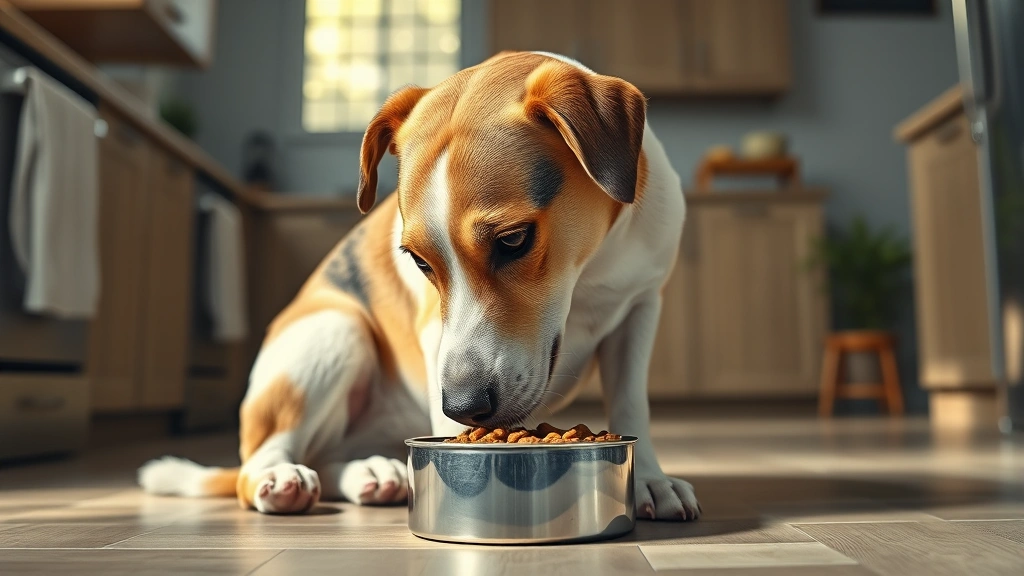
When it comes to pregnant pet feeding frequency, most pet parents think they just keep doing what they’ve always done—but surprise! Your expectant furry friend needs a whole new meal plan. Pregnancy isn’t just about eating for two; it’s about eating smarter, more often, and with serious nutritional intention. Let’s dig into what your pregnant pup or kitty actually needs to stay healthy and deliver healthy babies.
Table of Contents
- Understanding Your Pregnant Pet’s Nutritional Needs
- How Often Should You Feed a Pregnant Pet?
- Timing Your Pregnant Pet’s Meals
- Choosing the Right Food for Pregnant Pets
- Supplements and Special Considerations
- Hydration During Pregnancy
- Monitoring Weight Gain and Adjusting Portions
- Common Feeding Mistakes During Pregnancy
- Feeding Frequency in the Final Weeks
- Post-Delivery Feeding Adjustments
- When to Call Your Vet About Feeding Issues
- Frequently Asked Questions
- Summary: Getting Pregnant Pet Feeding Frequency Right
Understanding Your Pregnant Pet’s Nutritional Needs
Pregnancy fundamentally changes your pet’s metabolism. During the first trimester, your pregnant pet’s caloric needs don’t increase dramatically—but by the third trimester, she might need 25-50% more calories than her pre-pregnancy baseline. This isn’t the time for portion control; this is the time for strategic feeding. The growing puppies or kittens inside are literally pulling nutrients from mom’s body, so her diet needs to be nutrient-dense and frequent.
Your vet should be your first stop here. They can assess your pet’s current weight, breed, and health status to determine exact caloric needs. A general rule: pregnant pets need high-quality protein (essential for fetal development), increased fat content (for energy), and adequate calcium and phosphorus (for skeletal development in those babies).
How Often Should You Feed a Pregnant Pet?
Here’s where pregnant pet feeding frequency gets real. Most vets recommend increasing feeding from once or twice daily to three or four smaller meals per day, especially during the second and third trimesters. Why? Because a pregnant pet’s stomach is literally being compressed by growing fetuses, making smaller, more frequent meals easier to digest and more comfortable overall.
Think of it like this: instead of one big buffet, your pregnant pet gets snack-sized portions throughout the day. This prevents bloating, reduces nausea (yes, pets get morning sickness too), and ensures consistent nutrient delivery to both mom and babies. Start this transition gradually around week 4-5 of pregnancy to let her digestive system adjust.
Check out our guide on pet meal frequency for more general feeding schedules, though pregnant pets definitely march to their own drum.
Timing Your Pregnant Pet’s Meals
Consistency matters. If you’re feeding four times daily, aim for meals around 7 AM, 11 AM, 3 PM, and 7 PM. This keeps her blood sugar stable and prevents the energy crashes that can stress a pregnant pet. Some owners find it helpful to feed their pregnant pet slightly smaller portions at each sitting—think 25% of her normal daily intake per meal rather than 33%.
Pro tip: Feed her in a quiet, comfortable space away from other pets. Pregnancy brain is real, and your expecting mama needs stress-free mealtimes. If you have multiple pets, separate feeding areas are non-negotiable to ensure your pregnant pet gets her fair share.
Choosing the Right Food for Pregnant Pets
Not all pet foods are created equal when pregnancy enters the chat. Your pregnant pet needs food specifically formulated for growth and reproduction, or at minimum, a high-quality adult maintenance diet with elevated protein and fat content. Look for foods with at least 25-30% protein and 15-20% fat for dogs; cats need even higher protein levels (30%+).
Many vets recommend switching to puppy or kitten formulas during pregnancy, as these are nutrient-dense and designed for high-growth situations. Premium brands that meet AAFCO standards are your friend here. Avoid generic, budget-brand foods—this isn’t the time to penny-pinch on nutrition.
Our weight-based feeding guide can help you calculate exact portions, though pregnant pets need adjustments beyond standard calculations.
Supplements and Special Considerations
Your vet might recommend adding supplements during pregnancy. Prenatal vitamins formulated for pets can provide essential minerals like calcium and phosphorus, which are critical for fetal skeletal development. Don’t just grab human prenatal vitamins—pet-specific formulations are dosed appropriately for animal metabolism.
Some vets recommend adding omega-3 fatty acids (fish oil) to support fetal brain and eye development. Others suggest probiotics to maintain healthy digestion during this metabolically demanding time. Always check with your vet before adding anything to your pet’s diet; more isn’t always better, and some supplements can interact with other nutrients.
Hydration During Pregnancy
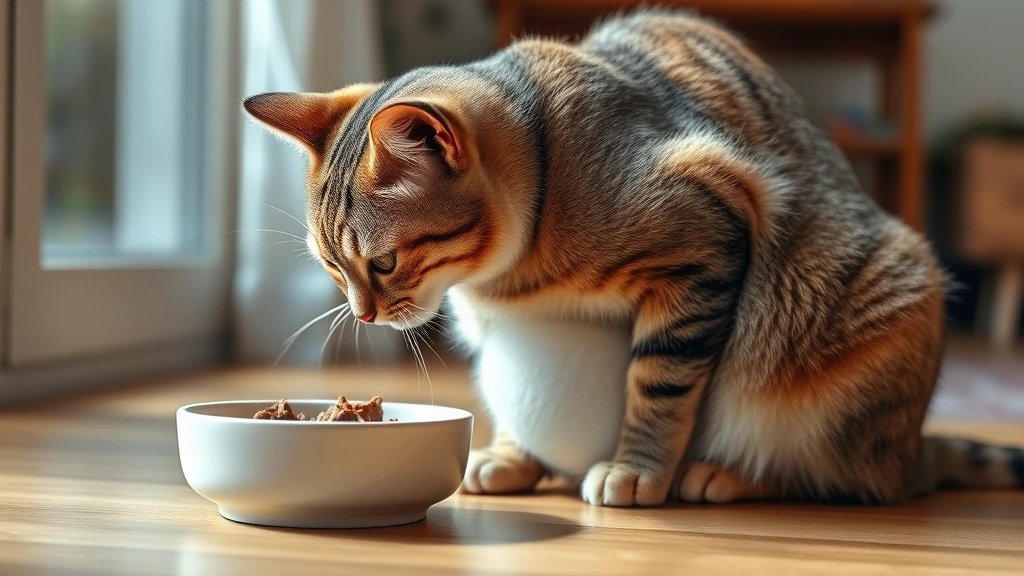
Fresh water access becomes even more critical during pregnancy. Your pregnant pet’s fluid needs increase significantly—she’s not just hydrating herself but contributing to amniotic fluid production too. Always have fresh, clean water available, and consider adding a second water bowl in a different location to encourage drinking.
Some pregnant pets become pickier about water temperature or bowl type. If your usually hydration-conscious pet suddenly seems less interested in drinking, experiment with different bowl materials (ceramic, stainless steel, glass) or try offering water at room temperature versus chilled.
Monitoring Weight Gain and Adjusting Portions
Healthy weight gain during pregnancy is essential, but excessive weight gain complicates delivery. A pregnant pet should gain about 20-50% of her pre-pregnancy body weight, depending on litter size (which you won’t know until ultrasound). Your vet will monitor this at regular check-ups and adjust feeding recommendations accordingly.
Weigh your pet weekly during the second and third trimesters. If she’s gaining too slowly, increase portion sizes slightly. If she’s gaining too quickly, dial it back a bit. This is a delicate balance—your vet is your best resource for real-time adjustments. Check out our guide on measuring pet food for precise portion control techniques.
Common Feeding Mistakes During Pregnancy
Mistake #1: Feeding the same amount as pre-pregnancy. Nope. Your pregnant pet needs more calories, period.
Mistake #2: Switching foods abruptly. Always transition gradually over 7-10 days to avoid digestive upset.
Mistake #3: Free-feeding. While some owners let pets graze, pregnancy requires controlled portions to prevent obesity.
Mistake #4: Ignoring breed-specific needs. Large breed pregnant pets have different calcium-to-phosphorus ratios than small breeds. Our breed-specific feeding guide breaks this down in detail.
Mistake #5: Giving too many treats. Treats should comprise no more than 10% of daily calories, even during pregnancy. Stick to healthy options like carrots or small pieces of lean chicken.
Feeding Frequency in the Final Weeks
As your pet approaches her due date (around day 63 for dogs, day 65 for cats), she might eat less despite needing calories. Her abdomen is maximally distended, and discomfort is real. Some pregnant pets develop mild nausea in the final week. Offer smaller, more frequent meals—potentially five to six times daily if she’ll eat them. Quality over quantity becomes the mantra.
Some vets recommend slightly reducing food intake 24 hours before expected delivery to reduce vomiting during labor. Your vet will give specific guidance based on your pet’s individual situation.
Post-Delivery Feeding Adjustments
Once those babies arrive, your pet’s feeding needs skyrocket again—especially if she’s nursing. Lactating pets can need 3-4 times their normal caloric intake. Continue the frequent feeding schedule, maintain the high-quality, nutrient-dense food, and increase portions significantly. Nursing drains enormous amounts of nutrients from mom’s body, so don’t skimp here either.
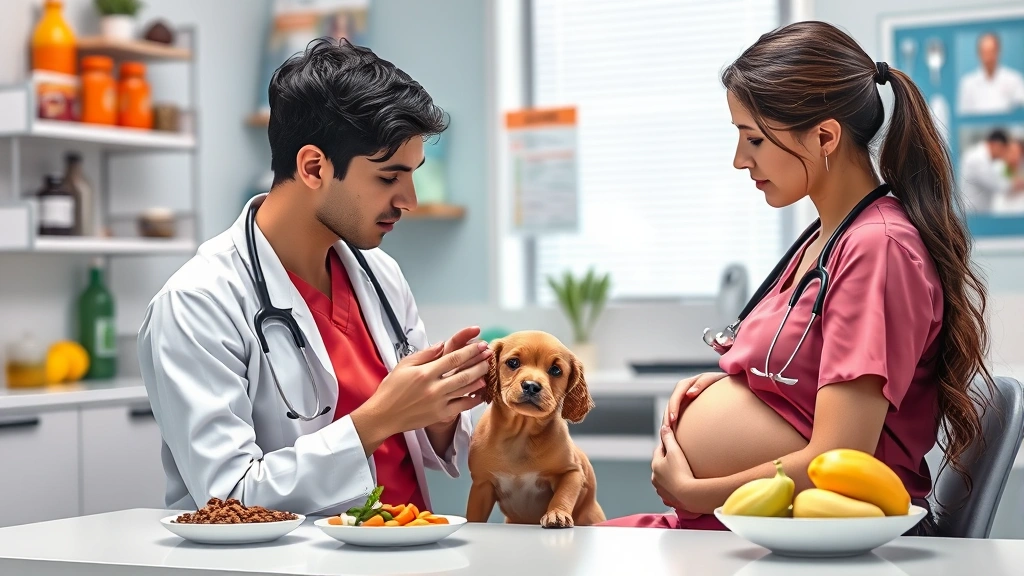
Our guide on puppy feeding times covers post-delivery nutrition for new mothers in detail.
When to Call Your Vet About Feeding Issues
Contact your vet if your pregnant pet refuses food for more than a meal or two, seems lethargic, vomits frequently, or shows signs of abdominal pain. Also reach out if she’s losing weight despite increased feeding, as this can indicate complications. Similarly, if she’s gaining weight too rapidly or seems uncomfortable after eating, your vet might need to adjust her diet or investigate underlying issues.
Frequently Asked Questions
Can I free-feed my pregnant pet?
Free-feeding (leaving food out all day) isn’t ideal during pregnancy. Controlled portions ensure you can monitor intake and prevent excessive weight gain. Stick to scheduled meals, even if it requires more effort on your part.
How much extra food does a pregnant pet need?
During the first trimester, minimal increase. By the third trimester, 25-50% more calories than pre-pregnancy baseline. Your vet can calculate exact amounts based on your pet’s weight and breed.
Should I give my pregnant pet treats?
Yes, but sparingly. Treats should comprise no more than 10% of daily calories. Stick to healthy options like carrots, green beans, or small pieces of lean chicken rather than commercial treats filled with empty calories.
What if my pregnant pet won’t eat?
Mild appetite changes are normal during pregnancy, especially in the final weeks. If she refuses food for more than one meal, contact your vet. Persistent loss of appetite can indicate complications requiring veterinary attention.
Is puppy/kitten food necessary during pregnancy?
Not absolutely necessary, but highly recommended. Puppy and kitten formulas are nutrient-dense and specifically designed for growth situations, making them ideal for pregnant pets. High-quality adult maintenance foods work if formulated appropriately, but growth formulas are your safest bet.
How often should I weigh my pregnant pet?
Weekly weigh-ins during the second and third trimesters help monitor healthy weight gain. Your vet can assess whether adjustments are needed based on the trajectory.
Can I continue giving my pet her regular food?
Depends on the food quality. If she’s eating a premium, high-protein, high-fat diet, you might only need to increase portion sizes. Lower-quality foods should be upgraded to ensure adequate nutrition for both mom and developing babies.
Summary: Getting Pregnant Pet Feeding Frequency Right
Nailing pregnant pet feeding frequency comes down to three core principles: feed more often (three to four times daily by the third trimester), feed higher-quality food (nutrient-dense formulas designed for growth), and feed appropriate amounts (25-50% more calories by late pregnancy). Work closely with your vet throughout the pregnancy to monitor weight gain, adjust portions, and catch any complications early.
Your pregnant pet is literally building new lives inside her body—treat her nutrition with the seriousness it deserves. Those frequent, nutritious meals aren’t just convenient; they’re essential for healthy pregnancies and healthy babies. When in doubt, consult your veterinarian. They’ve got the expertise to guide you through this special time.
External Resources:





