

An evening feeding schedule isn’t just about tossing kibble in a bowl before bed—it’s a game-changer for your pet’s health, digestion, and behavior. Whether you’ve got a hyperactive puppy, a senior cat, or a dog with a sensitive stomach, timing those evening meals right can mean the difference between a peaceful night and 3 AM bathroom emergencies.
Table of Contents
- Why Your Pet’s Evening Feeding Schedule Actually Matters
- Tip #1: Timing Is Everything for Your Evening Meal Plan
- Tip #2: Portion Control and Your Pet’s Evening Nutrition
- Tip #3: Choose the Right Food for Evening Meals
- Tip #4: Account for Your Pet’s Age and Activity Level
- Tip #5: Create a Consistent Evening Feeding Routine
- Common Evening Feeding Schedule Mistakes to Avoid
- How to Adjust Your Pet’s Evening Feeding Schedule
- Special Considerations for Different Pet Types
- Frequently Asked Questions
- Summary: Making Your Evening Feeding Schedule Work
Why Your Pet’s Evening Feeding Schedule Actually Matters
Your pet’s body runs on a biological clock, just like yours. When you establish a consistent evening feeding schedule, you’re essentially telling their digestive system, “Hey, dinner’s coming at 6 PM—get ready!” This predictability helps regulate everything from metabolism to bathroom habits.
According to the American Kennel Club, feeding pets at the same time daily promotes better digestion and can reduce behavioral issues. Dogs and cats thrive on routine, and an evening feeding schedule gives them that security. Plus, when you know exactly when your pup will need to go outside, you can plan your evening accordingly instead of being surprised at 11 PM.
Tip #1: Timing Is Everything for Your Evening Meal Plan
The golden rule? Feed your pet 2-3 hours before bedtime. This gives their digestive system enough time to process food without leaving them uncomfortably full when they’re trying to sleep. If your pet goes to bed at 10 PM, an evening feeding schedule around 7-8 PM is ideal.
For dogs, this timing also means they’ll likely need a bathroom break before settling down for the night. For cats, it mimics their natural hunting and eating patterns—they hunt, eat, groom, then rest. Your evening feeding schedule should align with your household’s sleep routine, not the other way around.
Check out our guide on feeding active vs inactive dogs to see how activity levels affect optimal feeding times.
Tip #2: Portion Control and Your Pet’s Evening Nutrition
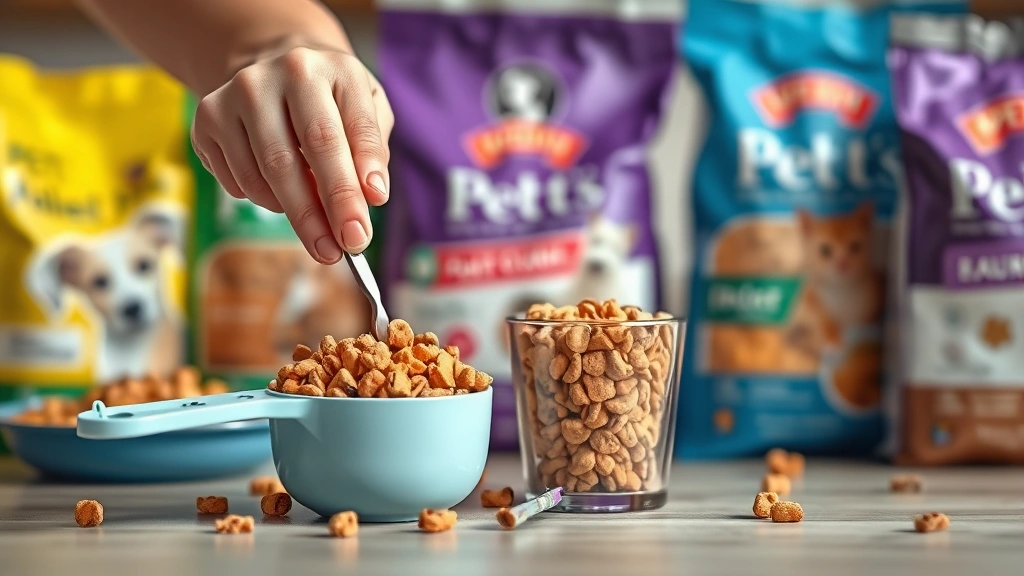
Just because it’s evening doesn’t mean your pet gets a smaller meal—it means the portions should match their daily caloric needs. An evening feeding schedule works best when combined with proper dog food measurement techniques.
Most pets need their daily calories split between meals. If you’re doing two meals a day, the evening portion should be roughly 40-50% of their total daily intake. Overfeeding at night can lead to weight gain, especially in less active pets. Underfeeding, on the other hand, leaves your pup begging at midnight.
The PetMD feeding guidelines suggest consulting your vet about your specific pet’s caloric needs. Your vet can factor in age, activity level, metabolism, and any health conditions when recommending portion sizes for an evening feeding schedule.
Tip #3: Choose the Right Food for Evening Meals
Not all pet foods are created equal for evening feeding schedules. Some foods are heavier and take longer to digest, while others move through the system quickly. If your pet has a sensitive stomach, you might want to use a specialized digestive formula for the evening meal.
Wet food tends to be easier on the digestive system and can be more satisfying for picky eaters. Dry kibble takes longer to digest but is more convenient and better for dental health. Your evening feeding schedule should incorporate foods that work with your pet’s individual needs.
If you’re switching foods or introducing something new, follow a gradual pet food transition schedule over 7-10 days to avoid digestive upset.
Tip #4: Account for Your Pet’s Age and Activity Level
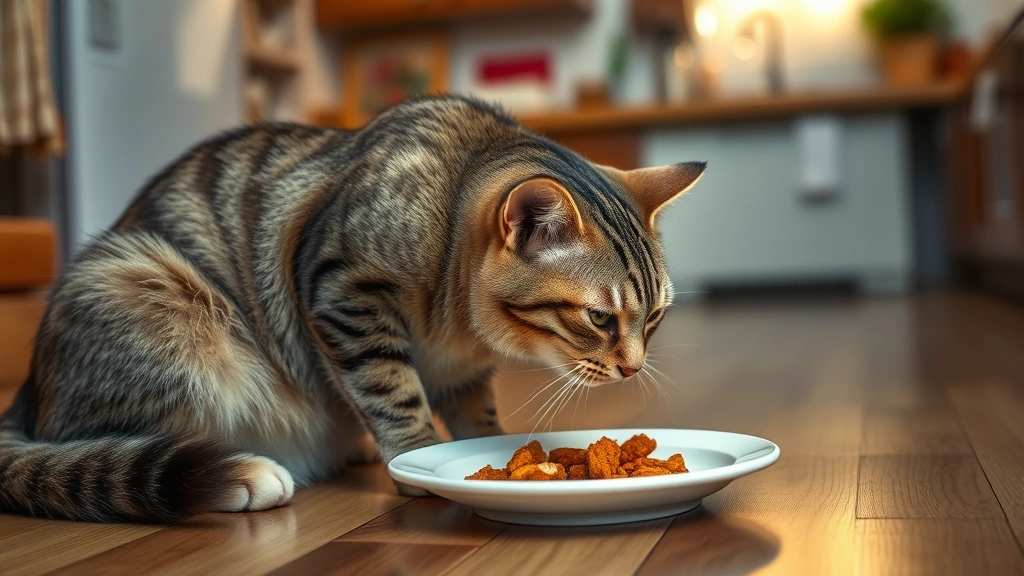
A 6-month-old Golden Retriever needs a completely different evening feeding schedule than a 12-year-old Chihuahua. Puppies require more frequent meals (sometimes 3-4 per day), while adult dogs typically do well with 1-2 meals. Senior pets might benefit from smaller, more frequent meals to aid digestion.
Active dogs can handle a slightly larger evening meal since they’ll burn those calories off, while couch-potato pets need lighter portions to prevent obesity. Geriatric pet feeding tips often recommend evening meals that are easier to digest and contain joint-supporting nutrients.
For mature cat feeding, consider that older cats often have dental issues and may prefer smaller portions of softer food in the evening.
Tip #5: Create a Consistent Evening Feeding Routine
Consistency is the secret sauce of any successful evening feeding schedule. Feed your pet at the same time every single day—yes, even on weekends. Your pet’s internal clock doesn’t recognize “sleeping in.”
Create a pre-feeding ritual: maybe you dim the lights, use a specific bowl, or ring a bell. These cues signal to your pet that dinner is coming, which can reduce anxiety and begging. After the meal, establish a post-feeding routine—perhaps a bathroom break for dogs or playtime for cats.
This predictability reduces stress for both you and your pet. You’ll know when they need to go outside, they’ll know when to expect food, and everyone’s happier. If your pet is a finicky eater, a consistent evening feeding schedule can actually help normalize their appetite.
Common Evening Feeding Schedule Mistakes to Avoid
Don’t feed your pet right before intense exercise or play—wait at least an hour after eating. This prevents bloat and digestive issues. Also avoid changing your evening feeding schedule on a whim; your pet’s digestive system needs consistency to function optimally.
Another mistake? Leaving food out all day and then wondering why they’re not interested at dinner. Free-feeding ruins any chance of establishing a proper evening feeding schedule. Set specific meal times, remove uneaten food after 15-20 minutes, and stick to it.
Finally, don’t assume one evening feeding schedule works for all pets in your household. Multi-pet homes might need staggered feeding times to prevent resource guarding or one pet eating another’s food.
How to Adjust Your Pet’s Evening Feeding Schedule
If your current evening feeding schedule isn’t working—your pet’s having accidents at night, seems constantly hungry, or shows digestive issues—it’s time to adjust. Make changes gradually, shifting meal times by 15-30 minutes every few days rather than making drastic changes overnight.
Keep a feeding journal for a week, noting meal times, portion sizes, and any behavioral or digestive changes. This data helps you (and your vet) identify patterns and make informed adjustments to your evening feeding schedule.
Special Considerations for Different Pet Types
Dogs with pancreatitis or other digestive conditions might need a low-fat evening feeding schedule. Diabetic pets might need meals timed with insulin injections. Cats with urinary issues might benefit from specific meal timing and hydration protocols.
Your vet is your best resource for customizing an evening feeding schedule that addresses your pet’s specific health needs. Don’t guess—ask the professionals.
Frequently Asked Questions
What’s the best time for an evening feeding schedule?
The ideal time is 2-3 hours before your pet’s bedtime. For most households, this means feeding between 6-8 PM. This allows adequate digestion time while preventing nighttime discomfort.
Can I feed my pet once a day in the evening?
Most adult dogs do better with two meals daily, but some adult dogs can manage one meal. Puppies, senior pets, and certain health conditions typically require multiple meals. Consult your vet about what’s best for your specific pet.
How do I know if my evening feeding schedule is working?
Your pet should have good energy levels, healthy weight, regular bathroom habits, and no digestive issues. If they’re gaining weight, having accidents, or seem constantly hungry or full, your evening feeding schedule might need adjustment.
Should I change my pet’s evening feeding schedule seasonally?
Not necessarily. While activity levels might change seasonally, most pets thrive on consistent year-round routines. If your pet’s activity significantly decreases in winter, you might adjust portions slightly, but keep feeding times the same.
What if my work schedule makes a consistent evening feeding schedule impossible?
Consider using an automatic feeder that dispenses food at set times, or ask a family member or pet sitter to handle evening feedings. Consistency matters more than who does the feeding.
Summary: Making Your Evening Feeding Schedule Work
An effective evening feeding schedule is one of the simplest yet most impactful changes you can make for your pet’s health and behavior. By timing meals 2-3 hours before bedtime, controlling portions, choosing appropriate foods, and maintaining consistency, you’ll see improvements in digestion, bathroom habits, behavior, and overall well-being.
Remember, every pet is unique. What works for your neighbor’s dog might not work for yours. Pay attention to your individual pet’s needs, consult your vet when in doubt, and don’t be afraid to adjust your evening feeding schedule as your pet ages or their circumstances change. Your pet’s health is worth the effort, and honestly, a pet that’s properly fed and on schedule makes for a much more peaceful household. Win-win.





