
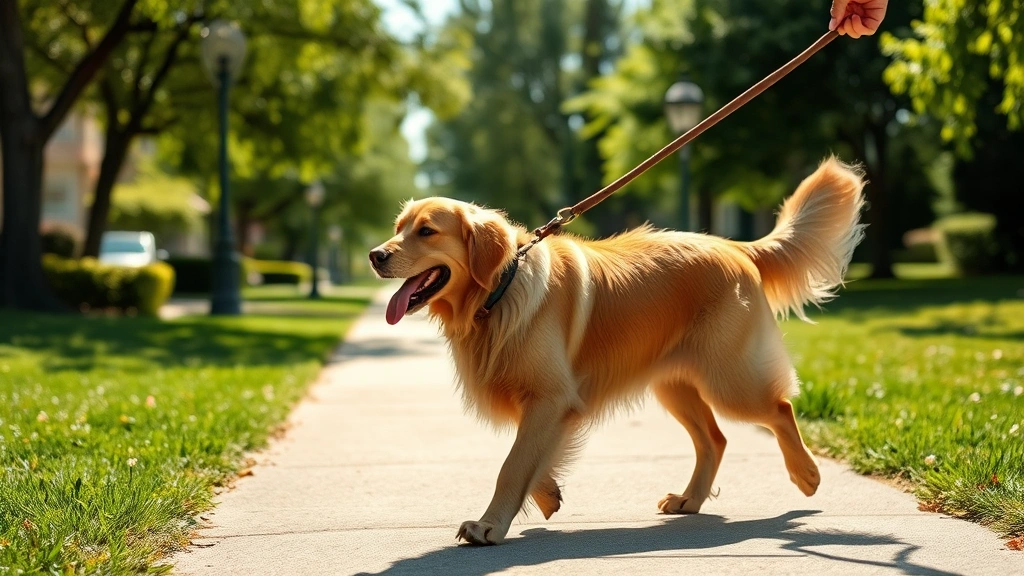
Feeding before walks is one of those pet care decisions that can make or break your dog’s comfort, health, and happiness during exercise. If you’ve ever wondered whether to feed Fido before that afternoon stroll or wait until after, you’re not alone—and the answer isn’t as straightforward as you might think.
Table of Contents
- Why Feeding Before Walks Matters More Than You Think
- The Bloat Risk: Understanding Gastric Dilatation-Volvulus (GDV)
- The Energy Factor: Does Your Pet Need Pre-Walk Fuel?
- Tip #1: The 2-Hour Rule for Full Meals
- Tip #2: Light Snacks vs. Full Meals
- Tip #3: Hydration Timing Is Just as Important
- Tip #4: Adjust Based on Your Pet’s Age and Health Status
- Tip #5: Establish a Consistent Routine
- Special Considerations for Different Breeds and Sizes
- Post-Walk Feeding: What You Should Know
- Frequently Asked Questions
- Summary: Making the Right Choice for Your Pet
Why Feeding Before Walks Matters More Than You Think
Here’s the thing: feeding before walks is a topic that veterinarians, trainers, and pet owners debate constantly. The timing of meals relative to exercise can significantly impact your pet’s digestive health, energy levels, and overall well-being. When you feed your dog right before a walk, you’re essentially asking their body to digest food while simultaneously burning energy through physical activity. This creates a physiological tug-of-war that can lead to serious complications if not managed properly.
The general consensus among veterinary professionals is that feeding before walks requires careful consideration. Your pet’s individual needs, age, size, and health status all play crucial roles in determining the ideal feeding schedule. According to the American Kennel Club, the timing between meals and exercise is essential for preventing bloat and other digestive issues.
The Bloat Risk: Understanding Gastric Dilatation-Volvulus (GDV)
One of the most critical reasons pet owners worry about feeding before walks is the risk of bloat, medically known as gastric dilatation-volvulus (GDV). This life-threatening condition occurs when a dog’s stomach fills with gas and twists, cutting off blood supply. Large breed dogs and deep-chested breeds are particularly susceptible, but any dog can develop bloat.
When you’re considering feeding before walks, understand that vigorous exercise on a full stomach increases the risk of GDV significantly. The stomach’s contents slosh around during movement, potentially causing the organ to rotate. This is why many vets recommend waiting at least 1-2 hours after feeding before engaging in strenuous activity. However, this doesn’t mean your pet should walk on an empty stomach either—it’s all about balance.
The Energy Factor: Does Your Pet Need Pre-Walk Fuel?
Now, here’s where feeding before walks gets tricky. Some pets genuinely need fuel before exercise, especially highly active dogs or those participating in agility training. A small snack 30-45 minutes before a walk can provide the energy boost needed without overloading the digestive system. Think of it like a human athlete eating a banana before a workout—light, quick to digest, and energizing.
If you’re implementing a feeding schedule for your pets, you’ll want to account for activity levels. Active dogs might benefit from strategic pre-walk snacking, while couch potatoes can wait until after their leisurely stroll. The key is understanding your individual pet’s metabolism and energy demands.
Tip #1: The 2-Hour Rule for Full Meals
Let’s get practical. If you’re feeding before walks with a full meal, the golden rule is waiting at least 2 hours before engaging in strenuous exercise. This gives your pet’s digestive system adequate time to process food and begin nutrient absorption. For moderate walks around the neighborhood, this timeline is especially important for large breeds and senior dogs.
However, if your walk is just a casual 15-minute neighborhood stroll, the risk is lower. The intensity and duration of the walk matter just as much as the timing. A leisurely walk differs dramatically from a high-energy hike or running session. Adjust your feeding before walks strategy based on the activity level you’re planning.
Tip #2: Light Snacks vs. Full Meals
Here’s a game-changer for feeding before walks: distinguish between light snacks and full meals. A small treat or light snack given 20-30 minutes before a walk is generally safe and can provide energy without the bloat risk. Consider options like:
- A few training treats
- A small piece of banana or apple
- A spoonful of peanut butter
- A few kibbles from their daily portion
These light options digest quickly and won’t sit heavily in your pet’s stomach during exercise. This approach is particularly useful if you’re using walks as training opportunities and need to reward good behavior. Check out our guide on size-based portion control to understand appropriate snack sizes for your pet.
Tip #3: Hydration Timing Is Just as Important
While discussing feeding before walks, we can’t ignore hydration—it’s equally critical. Avoid letting your pet drink large quantities of water immediately before or during a walk. Large water intake combined with exercise can also contribute to bloat. Instead, offer small amounts of water before departure and wait until after the walk for a full water bowl.
Our detailed article on hydration with feeding explores this relationship in depth. Proper hydration management is just as important as feeding before walks when it comes to preventing digestive upset and maintaining overall health.
Tip #4: Adjust Based on Your Pet’s Age and Health Status
Puppies, adult dogs, and senior pets have vastly different digestive capabilities. Young puppies need frequent meals (up to 4 times daily) and shouldn’t skip pre-walk snacks if their feeding schedule dictates eating around walk time. Senior dogs, on the other hand, often have more sensitive stomachs and benefit from the 2-hour rule more strictly.
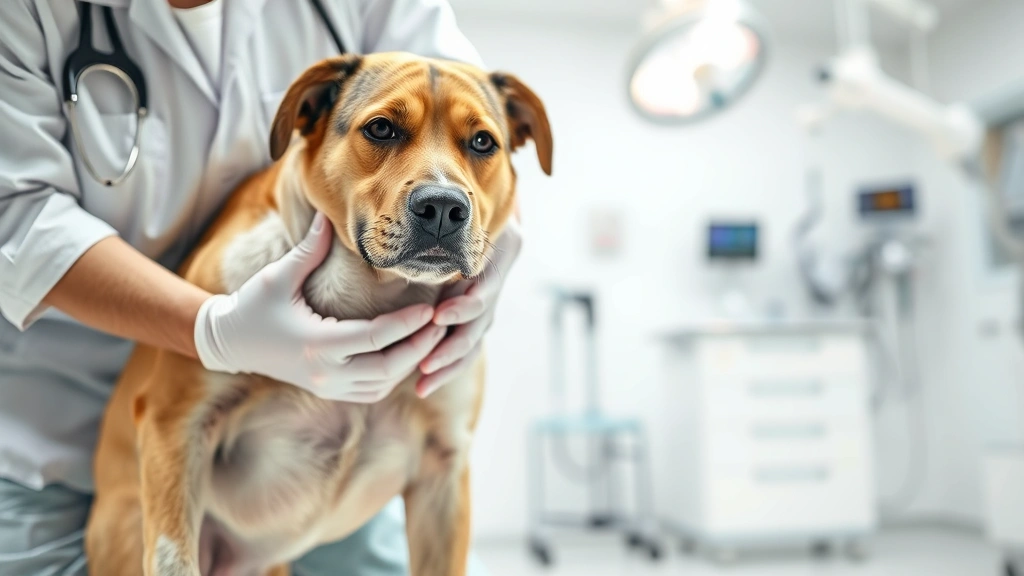
Dogs with existing health conditions—particularly those prone to bloat, with sensitive stomachs, or with diabetes—require individualized feeding before walks strategies. Always consult your veterinarian if your pet has health concerns. According to PetMD’s nutritional guidelines, individual health profiles should dictate feeding timing.
Tip #5: Establish a Consistent Routine
Pets thrive on consistency. Once you’ve determined the best feeding before walks schedule for your pet, stick with it. If your dog’s main meal is at 6 PM and you typically walk at 7 PM, that’s a one-hour gap—shorter than the recommended 2 hours but acceptable for many dogs during moderate activity.
Establishing a timed feeding schedule for pets helps regulate digestion and prevents gastric upset. Your pet’s body adapts to predictable meal times, making it easier to manage feeding before walks without stress or digestive issues. Consistency also helps with house-training and behavioral management.
Special Considerations for Different Breeds and Sizes
Large and giant breed dogs (Great Danes, German Shepherds, Labradors) face significantly higher bloat risk than small breeds. If you have a large breed, feeding before walks requires extra caution. These dogs should strictly follow the 2-hour rule and avoid vigorous exercise immediately after meals.
Small breeds, conversely, have lower bloat risk but may experience hypoglycemia (low blood sugar) if they skip meals before activity. A Chihuahua or Yorkshire Terrier might actually benefit from a small pre-walk snack to maintain energy levels. The breed-specific considerations make it essential to tailor your approach rather than following a one-size-fits-all rule.
Post-Walk Feeding: What You Should Know
After your walk, resist the urge to immediately offer a full meal. Wait at least 15-30 minutes before feeding your pet post-walk, especially if they’re still panting heavily or excited. Their digestive system needs time to settle after exercise. If you’re using puzzle feeders for dogs, these are excellent post-walk options that slow consumption and aid digestion.
Frequently Asked Questions
Can I feed my dog immediately before a walk?
It’s not recommended to feed your dog a full meal immediately before a walk. The safest practice is waiting at least 1-2 hours between feeding and strenuous exercise. However, a small, light snack 20-30 minutes before a short, leisurely walk is generally safe for most dogs.
What’s the best time to walk my dog relative to feeding?
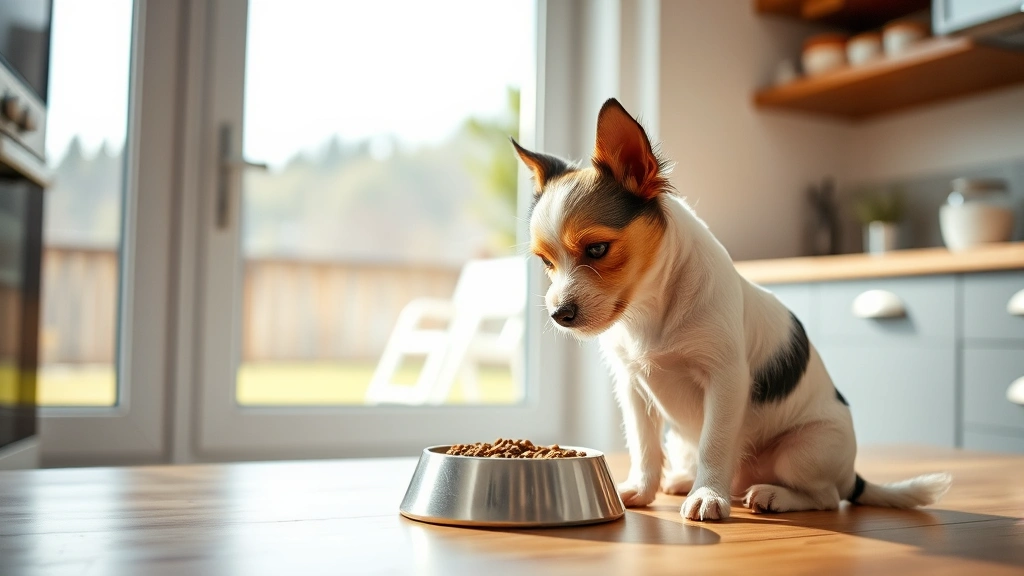
The ideal timing is either 2 hours after a full meal or 30 minutes after a light snack. For most households, feeding your dog after the walk works well, especially if you can offer a small snack beforehand for energy. Consistency in your routine matters more than the exact timing.
How does feeding before walks affect bloat risk?
Feeding before walks increases bloat risk, particularly in large breeds and deep-chested dogs. The combination of a full stomach and vigorous exercise creates conditions where the stomach can twist (GDV). Waiting 2 hours between feeding and exercise significantly reduces this risk.
Are there any benefits to feeding before walks?
Yes, for some pets. Active dogs or those with high metabolic rates may benefit from pre-walk snacks to maintain energy levels. Small, easily digestible snacks given 20-30 minutes before activity can provide fuel without digestive complications.
Should I adjust feeding before walks based on walk intensity?
Absolutely. A casual neighborhood stroll is different from a vigorous hiking session. For light walks, the 2-hour rule is less critical. For intense exercise like running or agility training, strictly adhere to the 2-hour guideline to prevent bloat and digestive upset.
What about water intake before walks?
Limit water intake immediately before walks. Large amounts of water combined with exercise can contribute to bloat. Offer small amounts of water before departure and allow free access after the walk when your pet has cooled down.
Summary: Making the Right Choice for Your Pet
Feeding before walks isn’t a one-size-fits-all decision. The best approach depends on your pet’s age, breed, size, health status, and the intensity of the activity planned. As a general guideline, wait 2 hours between full meals and strenuous exercise, but light snacks 20-30 minutes before walks are usually safe.
Remember that consistency is key. Once you establish a feeding and walking routine that works for your pet, stick with it. Monitor your dog for signs of digestive upset, bloat, or energy issues, and adjust as needed. When in doubt, consult your veterinarian—they know your pet’s individual health profile best.
Whether you choose to feed before or after walks, the most important thing is that your pet gets adequate nutrition, appropriate exercise, and plenty of love. By understanding the principles behind feeding before walks, you’re already taking a big step toward optimizing your pet’s health and happiness.





