
Your furry friend just came home from boarding, and they’re acting like they’ve been through a wilderness survival show. A proper post-boarding feeding schedule is absolutely crucial to help your pet bounce back from their time away and readjust to home life without digestive drama or stress-related appetite issues.
Table of Contents
- Why Your Pet’s Post-Boarding Appetite Matters
- Step 1: Start Small and Bland on Day One
- Step 2: Implement a Timed Feeding Routine
- Step 3: Gradually Transition Back to Regular Food
- Step 4: Monitor Hydration Alongside Meals
- Step 5: Track Appetite and Adjust as Needed
- Understanding Post-Boarding Stress and Digestion
- When to Call Your Veterinarian
- Creating a Post-Boarding Recovery Checklist
- Special Considerations for Different Pet Types
- Frequently Asked Questions
- Summary: Your Post-Boarding Feeding Game Plan
Why Your Pet’s Post-Boarding Appetite Matters
When dogs and cats return from boarding facilities, their digestive systems are often in a state of mild shock. They’ve been eating different food (or the same food in a stressful environment), drinking unfamiliar water, and experiencing anxiety that can wreak havoc on their gut. Think of it like traveling to a foreign country—your stomach’s going to be confused. The first 24-48 hours after boarding are critical for establishing a smooth transition back to normal eating patterns. Many pet owners make the mistake of immediately returning to their regular feeding routine without considering their pet’s emotional and physical state. This can lead to vomiting, diarrhea, or complete appetite loss, turning your reunion into a vet visit nobody wanted.
Step 1: Start Small and Bland on Day One
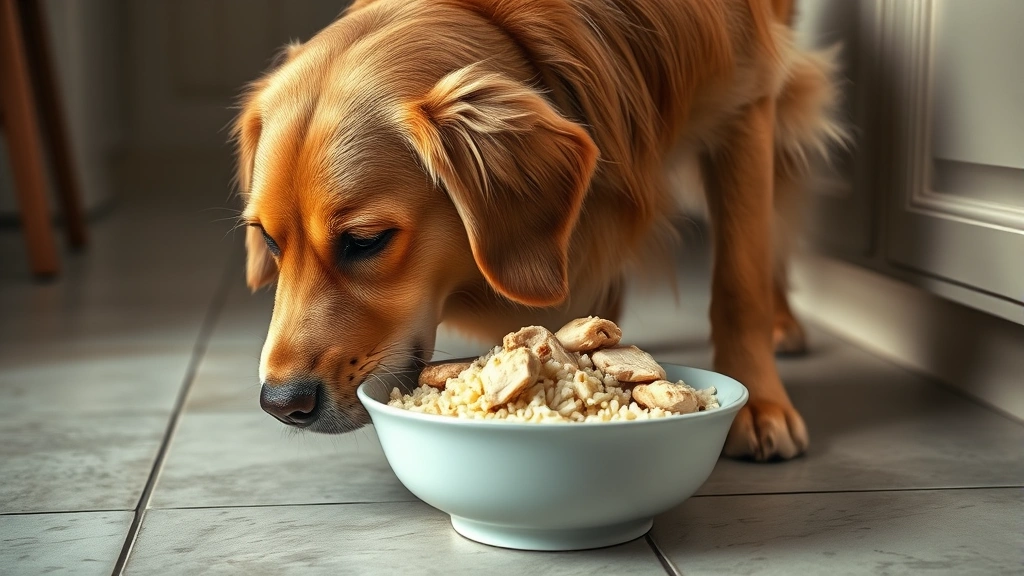
The golden rule of post-boarding recovery is this: resist the urge to give your pet their favorite meal as a welcome-home celebration. I know it’s tempting. You miss them, they miss you, and you want to shower them with love through food. Don’t do it. Instead, offer small portions of bland, easily digestible food. Plain boiled chicken, white rice, or a prescription bland diet works wonders. Aim for about 25-50% of their normal meal portion on the first day. This gives their digestive system a gentle introduction without overwhelming it. If your pet has been fed during illness at the boarding facility or shows signs of stomach upset, stick with even smaller portions spaced throughout the day rather than one or two large meals.
Step 2: Implement a Timed Feeding Routine
One of the best ways to help your pet recover is through structured meal timing. Instead of free-feeding or offering food randomly, establish a consistent timed feeding for pets schedule. For dogs, this typically means feeding at the same times each day—usually morning and evening for adult dogs. This predictability helps reduce anxiety and allows you to monitor their appetite closely. You’ll immediately notice if they’re not eating, which is a red flag that something’s wrong. Cats benefit from timed feeding too, though they’re often pickier about the transition. Set meal times, leave food out for 15-20 minutes, then remove it. This creates a routine that signals safety and normalcy to your recovering pet.
Step 3: Gradually Transition Back to Regular Food
Days 2-4 are your transition window. If your pet handled the bland diet well on day one, you can start mixing in their regular food. Begin with a ratio of about 75% bland food to 25% regular food. By day 3, move to 50/50, and by day 4, you should be at 75% regular to 25% bland. This gradual approach prevents digestive upset while allowing your pet’s system to readjust to their normal diet. The free feeding vs scheduled feeding debate becomes especially important here—stick with scheduled feeding during this transition period. It gives you control and visibility into what’s happening with their appetite and digestion.
Step 4: Monitor Hydration Alongside Meals
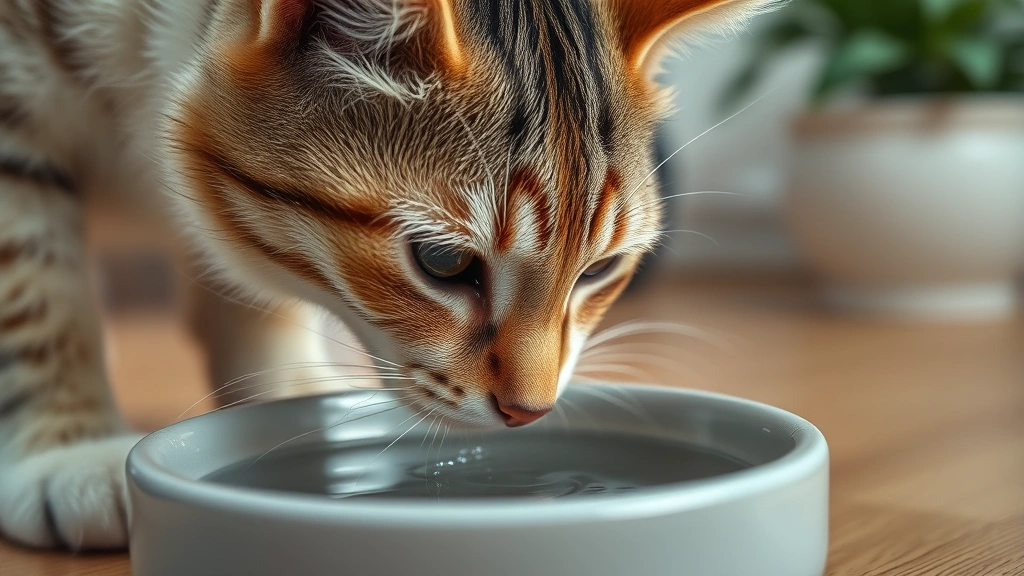
While you’re focused on getting food back on track, don’t overlook water intake. Boarding can dehydrate pets, especially if they were stressed or if the facility’s water quality was different from home. Ensure fresh, clean water is always available. Some pets benefit from hydration with feeding—you can add a bit of low-sodium broth to their food to increase fluid intake. Watch for signs of dehydration like dry gums, lethargy, or dark urine. If your pet isn’t drinking normally by day 3, contact your vet. Proper hydration is just as important as food for recovery and helps prevent digestive issues.
Step 5: Track Appetite and Adjust as Needed
Keep a simple log of what your pet eats and any digestive issues for the first week. Note the time, portion size, and whether they cleaned their bowl. Did they vomit? Have diarrhea? Seem lethargic? This information is gold if you need to call your vet. Some pets bounce back in 24 hours; others take a full week. If your pet isn’t eating by day 2 or shows signs of illness, don’t wait—contact your veterinarian. Prolonged appetite loss can indicate stress, illness, or dietary sensitivity that needs professional attention. If your pet seems to have lost interest in food altogether, you might need to explore appetite stimulation schedule strategies with your vet’s guidance.
Understanding Post-Boarding Stress and Digestion
Here’s something most pet owners don’t realize: stress literally changes how your pet’s digestive system works. When animals are anxious, their body prioritizes survival over digestion. Stomach acid production changes, gut motility slows down, and beneficial bacteria can become imbalanced. This is why a pet that ate perfectly fine at the boarding facility might refuse food at home—the stress of the transition is real. The first few days home should include extra cuddle time, gentle play, and a calm environment. Avoid introducing new foods, treats, or major schedule changes during this window. Your pet needs consistency and reassurance, not surprises.
When to Call Your Veterinarian
Most pets recover from boarding without incident, but know the warning signs. Contact your vet if your pet refuses food for more than 24 hours, has persistent vomiting or diarrhea beyond day 2, shows signs of lethargy or depression, or if you notice any behavioral changes. According to the American Kennel Club, sudden appetite changes warrant professional evaluation. Your vet can rule out boarding-related illnesses like kennel cough or parasites and ensure your pet’s recovery is on track. Don’t hesitate to reach out—it’s always better to be cautious with your pet’s health.
Creating a Post-Boarding Recovery Checklist
Before your pet comes home from boarding, prepare your space for their recovery. Stock up on bland food options like plain chicken and rice. Set up a quiet area away from household chaos. Have their regular food measured and ready for day 4 onward. Create a feeding schedule and stick it on your fridge as a reminder. Check that fresh water bowls are clean and filled. Consider pet health monitoring tools like a food diary or appetite tracker app. Having everything ready means you can focus on comforting your pet rather than scrambling to figure out logistics.
Special Considerations for Different Pet Types
Dogs and cats have different post-boarding needs. Dogs are generally more food-motivated and bounce back faster, but they can develop boarding anxiety that manifests as picky eating. Cats are more sensitive to environmental changes and may hide or refuse food for several days—this is normal but needs monitoring. Puppies and kittens require more frequent meals during recovery, while senior pets might need softer food options. Pets with pre-existing digestive issues or dietary restrictions need extra careful transition periods. If your pet has a history of boarding stress, talk to your vet about anti-anxiety measures before your next trip. Some vets recommend calming supplements or short-term medication to ease the transition.
Frequently Asked Questions
How long does it take for a pet to recover from boarding?
Most pets recover within 3-7 days. Their appetite normalizes, energy levels return, and behavioral changes fade. However, some sensitive pets might take up to two weeks to fully readjust. If recovery takes longer than two weeks, consult your vet to rule out underlying issues.
Should I give my pet treats during the post-boarding period?
Hold off on treats for the first 3-4 days. Once your pet is eating their regular food normally, you can slowly reintroduce treats in small amounts. High-fat or unfamiliar treats can upset an already-sensitive digestive system.

What if my pet refuses to eat after boarding?
First, give them 24 hours of calm observation. Stress-related appetite loss is common and often resolves on its own. Ensure you’re offering bland, familiar food in a quiet setting. If refusal continues past 24 hours or your pet shows other symptoms, contact your vet immediately.
Can I use the same food the boarding facility used?
You can ask the boarding facility what food they used and consider transitioning to it if it’s different from yours. However, many facilities use generic brands. If your pet did well on their food, stick with your regular brand for consistency. The boarding facility should provide information about what they fed your pet.
Is it normal for my pet to have diarrhea after boarding?
Mild, short-term diarrhea is common due to stress and dietary changes. It usually resolves within 24-48 hours with bland food and proper hydration. If diarrhea persists beyond 48 hours, contains blood, or is accompanied by vomiting, contact your vet.
How can I prevent post-boarding appetite issues?
Choose a reputable boarding facility that provides consistent care. Ask them to use the same food you provide. Ensure your pet is up-to-date on vaccinations and in good health before boarding. Consider shorter boarding periods for sensitive pets. Some pets benefit from pre-boarding visits to the facility to reduce stress.
Summary: Your Post-Boarding Feeding Game Plan
A successful post-boarding feeding schedule doesn’t require rocket science, just patience and consistency. Start small with bland food on day one, gradually transition back to regular meals over 3-4 days, maintain strict feeding times, monitor hydration closely, and track your pet’s appetite and digestion. Remember that your pet isn’t being difficult—they’re genuinely stressed and their digestive system is confused. By following these five essential steps and staying alert for warning signs, you’ll have your furry friend back to their normal eating habits and happy demeanor in no time. Your vet is always your best resource if anything seems off, so don’t hesitate to reach out. Welcome home to your pet, and here’s to smooth sailing through their recovery!





