

If you’ve noticed that your furry friend suddenly won’t touch their favorite kibble or is acting like they’re training for a competitive eating championship, you might be dealing with stress-related feeding changes in pets. Our pets can’t exactly tell us when they’re anxious, so they communicate through their behavior—and their appetite is often the first thing to take a hit.
Table of Contents
- Understanding Pet Stress and Appetite Changes
- Warning Sign #1: Complete Loss of Appetite (Anorexia)
- Warning Sign #2: Excessive or Compulsive Eating
- Warning Sign #3: Picky Eating or Food Rejection
- Warning Sign #4: Inconsistent Eating Patterns
- Warning Sign #5: Changes in Eating Speed or Behavior
- How to Differentiate Stress From Medical Issues
- Strategies to Help Your Stressed Pet
- When to Contact Your Veterinarian
- Frequently Asked Questions
- Summary: Taking Action on Stress-Related Feeding Changes
Whether it’s a new baby in the house, a move to a new neighborhood, or just the general chaos of fireworks season, stress affects our pets’ eating habits in ways that can range from mildly concerning to downright alarming. The good news? You’re not alone, and there are absolutely things you can do about it.
Understanding Pet Stress and Appetite Changes
When pets experience stress, their bodies release cortisol and adrenaline—the same fight-or-flight chemicals that affect us. These hormones directly impact digestion and appetite regulation. Unlike humans who might stress-eat an entire pizza, most pets actually lose interest in food when they’re anxious. Some, however, become compulsive eaters as a coping mechanism.
The tricky part is that appetite changes can signal anything from a simple behavioral issue to a serious medical condition. That’s why understanding the context matters. Did something change in your pet’s environment recently? Has your household been unusually chaotic? These clues help distinguish between stress-related feeding changes and something that needs immediate veterinary attention.
Warning Sign #1: Complete Loss of Appetite (Anorexia)
Your pet’s food bowl sits untouched for hours or even days. This is probably the most obvious sign of stress-related feeding changes. A pet that normally demolishes dinner in seconds suddenly shows zero interest. Some pets will sniff their food and walk away like it personally offended them.
What makes this tricky is that complete appetite loss can also indicate illness, so timing is crucial. If your pet skips one meal but seems otherwise normal and playful, stress is likely the culprit. If they’re refusing food for more than 24 hours, have other symptoms like vomiting or diarrhea, or seem lethargic, call your vet immediately.
Common stress triggers include loud noises (especially fireworks anxiety relief situations), veterinary visits, boarding, or household changes. Try removing the stressor if possible, and consider consulting with a pet behavioral telehealth specialist if the stress is ongoing.
Warning Sign #2: Excessive or Compulsive Eating
On the flip side, some stressed pets become little furry vacuum cleaners. They’ll eat faster than usual, eat more than usual, or become obsessed with food. This stress-related behavior often stems from anxiety—the pet is trying to self-soothe through eating.
Compulsive eating during stress can lead to rapid weight gain, digestive issues, and bloating. If your pet suddenly transitions from “normal eater” to “food-obsessed maniac,” something in their environment has likely changed. Maybe you’ve switched to a new pet meal frequency schedule, or perhaps there’s underlying anxiety you haven’t identified yet.
The key is moderation. You might need to implement timed feeding for pets to control portions and reduce the stress-eating behavior. Scheduled meals also provide structure and predictability, which actually reduces anxiety for many pets.
Warning Sign #3: Picky Eating or Food Rejection
Your pet used to love their kibble, but now they’re acting like you’re serving them cardboard. Picky eating during stressful periods is super common. Some pets will eat treats but refuse their regular food. Others will only eat if you hand-feed them or add something extra to make it “interesting.”
This behavior often signals that your pet is stressed enough to lose enthusiasm for eating, but not so stressed that they’ve completely shut down. It’s basically their way of saying, “I’m anxious and nothing seems appealing right now.” The good news? This usually resolves once the stressor is removed.
Try warming up their food slightly to enhance the aroma, adding a small amount of bone broth, or switching to a different flavor temporarily. However, if picky eating persists for more than a few days, rule out dental problems or gastrointestinal issues with your vet.
Warning Sign #4: Inconsistent Eating Patterns
Your pet eats normally one day, barely touches food the next, then goes back to normal. This inconsistency is a classic sign of stress-related feeding changes rather than a medical issue. Stress comes and goes, and so does your pet’s appetite.
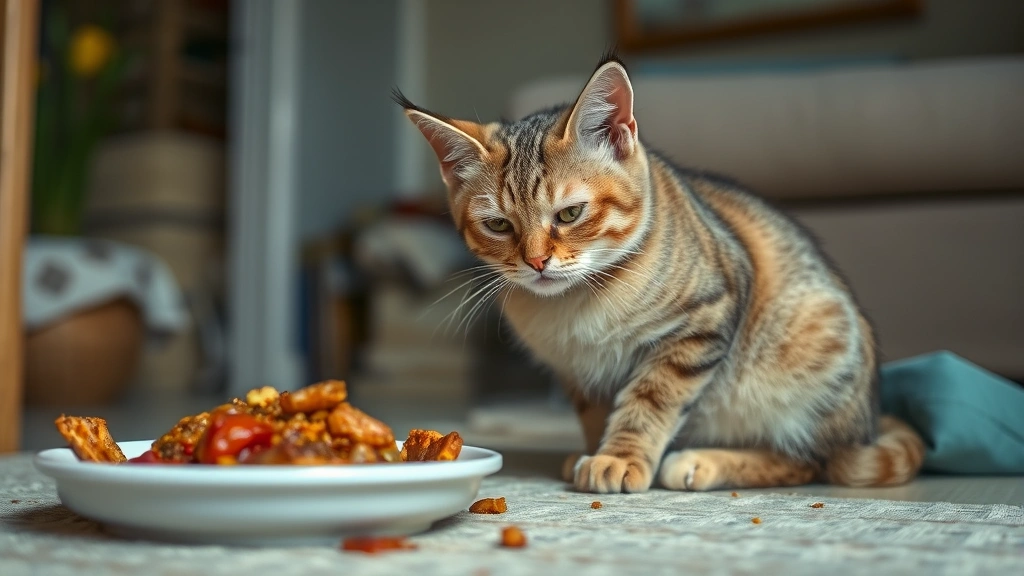
You might notice your pet eats fine when you’re home but skips meals when you leave for work (separation anxiety). Or they eat normally until fireworks season hits, then their appetite becomes sporadic. This pattern suggests behavioral or environmental stress rather than a health problem.
Keeping a food journal can help you identify patterns and correlate them with specific stressors. Did your pet eat less on the day of a thunderstorm? On the day you brought a new pet home? These connections help you understand what’s triggering the stress and how to address it.
Warning Sign #5: Changes in Eating Speed or Behavior
Your pet suddenly eats way too fast (like they’re being chased), or conversely, they eat very slowly and seem hesitant. They might take a few bites, walk away, come back later, and repeat. Some stressed pets will eat in a different location than usual or refuse to eat if anything about their feeding setup has changed.
These behavioral changes around eating reflect anxiety about the eating experience itself or general environmental stress. A pet that normally eats calmly but now inhales their food in 30 seconds flat is likely experiencing some level of stress or anxiety.
The solution often involves creating a calm, consistent feeding environment. Keep the food bowl in the same spot, feed at the same times, and minimize distractions and noise during meals. For some pets, pheromone supplements can create a more relaxed atmosphere during feeding time.
How to Differentiate Stress From Medical Issues
This is crucial because stress-related feeding changes and medical problems can look similar. Here’s what to watch for:
Stress-related changes typically show: Normal energy levels, normal bathroom habits, normal behavior otherwise, and the appetite changes correlate with identifiable stressors.
Medical issues typically show: Lethargy, vomiting, diarrhea, constipation, weight loss, excessive thirst, or symptoms that persist regardless of environmental changes.
When in doubt, contact your vet. They can rule out medical causes and help you identify stress factors. According to the American Kennel Club, stress in pets is a real physiological response that deserves attention.
Strategies to Help Your Stressed Pet
Once you’ve identified that stress is the culprit, here’s what you can do:
Remove or minimize the stressor: If possible, reduce exposure to whatever’s causing the anxiety. Can’t avoid fireworks? Create a safe, quiet space for your pet during the season.
Maintain routine: Stick to regular feeding times and schedules. Predictability is incredibly calming for anxious pets.
Create a calm feeding environment: Quiet, consistent, and distraction-free meals help reduce stress around eating.
Consider supplements: Pet cognitive supplements with ingredients like L-theanine or chamomile can help reduce anxiety naturally.
Exercise and enrichment: A tired pet is a less anxious pet. Regular play, walks, and mental stimulation help burn off stress.
Professional help: If stress is severe or persistent, pet behavioral telehealth services can provide expert guidance without the stress of a vet office visit.
When to Contact Your Veterinarian
Reach out to your vet if:
- Your pet refuses food for more than 24 hours
- Appetite changes are accompanied by vomiting, diarrhea, or lethargy
- Your pet has sudden, dramatic weight loss or gain
- The feeding changes don’t improve within a week of removing the stressor
- You’re unsure whether it’s stress or a medical issue (always better to check!)
Your veterinarian can perform a physical exam, run bloodwork if needed, and help you develop a stress-management plan tailored to your pet’s specific situation.
Frequently Asked Questions
How long do stress-related feeding changes typically last?
It depends on the stressor and your pet’s personality. Some pets bounce back within a day or two of the stressor being removed. Others might take a week or more. Chronic stress can cause longer-lasting appetite issues. The key is patience and consistency in your response.
Can stress cause permanent appetite problems in pets?
Not typically permanent, but chronic stress can create long-term behavioral patterns around food. If your pet experiences ongoing stress, their eating habits might remain affected until the underlying anxiety is addressed. This is why identifying and managing stressors is so important.
Is it safe to free-feed stressed pets?
Free-feeding (leaving food out all day) can actually increase stress and anxiety in some pets because they lose the structure and predictability that meals provide. It’s generally better to stick with scheduled meals, even for stressed pets. This gives them something to count on.
Should I change my pet’s food if they’re stressed?
Not necessarily. Changing food during a stressful period can add another stressor. Stick with what they know. If you do need to change foods, do it gradually and wait until your pet is back to their normal stress level.
Can anxiety medication help with stress-related feeding changes?
Sometimes, yes. If your pet’s stress is severe, your vet might recommend anti-anxiety medication to help them feel calmer and more willing to eat. This is especially helpful for pets with separation anxiety or noise phobias. Always discuss medication options with your vet.
Summary: Taking Action on Stress-Related Feeding Changes
Stress-related feeding changes in pets are more common than you might think, and they’re usually fixable. Whether your pet is refusing food, eating too much, or exhibiting inconsistent eating patterns, the solution starts with identifying the stressor and creating a calm, predictable environment.
Remember that your pet’s appetite is a window into their emotional state. By paying attention to these five warning signs and responding thoughtfully, you’re not just addressing a feeding issue—you’re supporting your pet’s overall wellbeing. Most stress-related appetite changes resolve quickly once you identify the trigger and implement calming strategies.
If you’re concerned about your pet’s eating habits, don’t hesitate to reach out to your vet. They’re your best resource for distinguishing between stress and medical issues, and they can help you create a plan to get your pet eating normally again. Your pet will thank you with their appetite and their wagging tail.





