

Bringing your furry friend home is exciting, but new home feeding adjustment can be trickier than you’d think. Your pet’s stomach is basically a tiny, dramatic theater production—one wrong move and you’ve got a mess on your hands (literally). Whether you’re adopting a puppy, kitten, adult dog, or rescue cat, nailing the feeding transition is crucial for their health, happiness, and your sanity.
Table of Contents
- Why New Home Feeding Adjustment Matters So Much
- Tip #1: Get the Scoop on Previous Feeding Habits
- Tip #2: Follow the Gradual Transition Timeline
- Tip #3: Watch for Digestive Red Flags
- Tip #4: Establish a Consistent Feeding Schedule
- Tip #5: Keep Water Available and Monitor Hydration
- Choosing the Right Food for Your New Pet
- Common New Home Feeding Mistakes to Avoid
- When to Call Your Vet During the Transition
- Special Considerations for Kittens and Puppies
- Frequently Asked Questions
- Summary: Getting the Feeding Transition Right
The reality? Most pet parents mess this up. They come home with Fluffy or Fido, toss out the old food, and wonder why their new buddy is barfing or refusing to eat. Spoiler alert: it’s the feeding switch. Your new pet has been eating one thing their whole life, and suddenly you’re serving them something completely different. That’s not a recipe for success—that’s a recipe for digestive disaster.
Let’s break down how to make this transition smooth, stress-free, and actually enjoyable for everyone involved.
Why New Home Feeding Adjustment Matters So Much
Your pet’s digestive system is like a finely-tuned engine. When you suddenly change the fuel, things go haywire. Vomiting, diarrhea, constipation, and loss of appetite are all common signs that your pet’s stomach is staging a protest.
But here’s the thing: it’s not just about avoiding gross cleanup. A botched feeding transition can lead to serious issues like inflammatory bowel disease, malnutrition, or dehydration. Plus, a stressed pet who won’t eat is a stressed pet owner. The adjustment period sets the tone for your entire relationship with your new companion, so getting it right from day one matters.
Tip #1: Get the Scoop on Previous Feeding Habits
Before your new pet even steps paw in your home, do your homework. Ask the shelter, breeder, or previous owner exactly what they’ve been feeding. Get specific: brand name, formula type, even the kibble size. Write it down. Take a photo of the bag if you can.
This isn’t just about being thorough—it’s about respecting your pet’s digestive system. Your new buddy has been eating the same food for weeks, months, or years. Their gut bacteria are literally adapted to it. Switching abruptly is like asking someone who’s eaten rice their whole life to suddenly survive on a steak-only diet.
If possible, ask the previous caretaker for a small bag of their current food to take home. This is gold. You’ll use it during the transition period to gradually introduce your chosen food.
Tip #2: Follow the Gradual Transition Timeline
Here’s the golden rule: never—and I mean never—do a cold-turkey food switch. The proper pet diet transition takes 7-10 days minimum. Some vets recommend up to two weeks for sensitive stomachs.
Here’s a sample timeline that works like a charm:
- Days 1-2: 75% old food + 25% new food
- Days 3-4: 50% old food + 50% new food
- Days 5-6: 25% old food + 75% new food
- Days 7-10: 100% new food
Mix the old and new food together thoroughly. Don’t just toss it in a bowl separately—your pet might pick out their favorite and ignore the rest. Blend it so they’re eating both in every bite. If your pet has a sensitive stomach, extend this timeline to 14 days. Better safe than sorry.
Check out our guide on Puppy Feeding Times for more specific timing advice based on your pet’s age.
Tip #3: Watch for Digestive Red Flags
During the transition period, you’re basically a poop detective. Yes, really. Your pet’s stool tells you everything.
Normal, healthy poop should be firm, brown, and well-formed. If you’re seeing:
- Loose stools or diarrhea
- Vomiting
- Excessive gas or bloating
- Lethargy or loss of appetite
…then slow down the transition. Go back to the previous ratio for a few more days before advancing. Some pets have genuinely sensitive digestive systems, and that’s okay. Just adapt your timeline accordingly.

If symptoms persist beyond a few days or get worse, contact your vet. There’s a difference between a normal adjustment period and a legitimate food allergy or intolerance. Your vet can help you figure out which one you’re dealing with. For pets with ongoing digestive issues, check out our article on Sensitive Stomach Supplements.
Tip #4: Establish a Consistent Feeding Schedule
New home feeding adjustment isn’t just about the food itself—it’s also about routine. Your pet is already stressed from the move. A predictable feeding schedule provides comfort and security.
Decide on feeding times and stick to them religiously. For puppies and kittens, that’s usually 3-4 times daily. For adult dogs and cats, twice daily works great. Feed at the same times every single day.
Why does this matter? Consistency helps regulate their digestive system, makes house-training easier (you’ll know when they need to poop), and reduces anxiety. Your pet will start anticipating mealtime, which actually helps them settle into their new home faster.
Our detailed guide on Timed Feeding for Pets has even more strategies for creating the perfect schedule.
Tip #5: Keep Water Available and Monitor Hydration
While you’re focused on food, don’t forget about water. Fresh, clean water should be available 24/7. During the transition period, your pet might drink more or less than usual—both are normal stress responses.
If your pet has diarrhea during the adjustment, they’re losing fluids. Make sure they’re drinking enough to compensate. Dehydration is actually more dangerous than a missed meal.
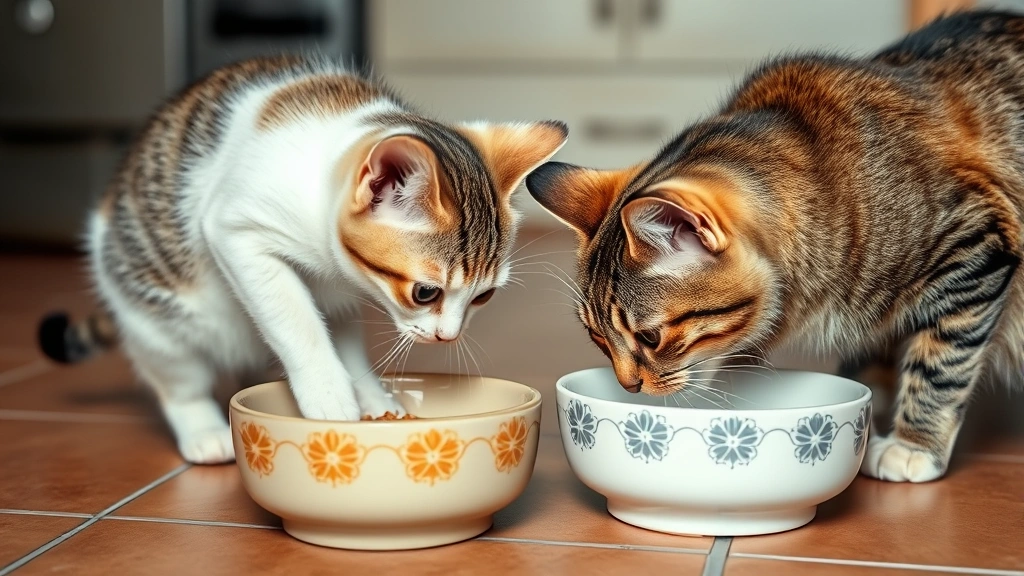
Some pets are picky about water temperature or bowl type. If your new pet isn’t drinking much, try different bowls or leave water in multiple locations. Cats, especially, can be weird about water. Some prefer running water from a fountain. Learn more about balancing nutrition and hydration in our guide on Hydration with Feeding.
Choosing the Right Food for Your New Pet
Once you’ve nailed the transition, you need to pick the actual food your pet will eat long-term. This isn’t the time to save money on cheap kibble. Your pet’s diet directly impacts their coat quality, energy level, digestive health, and lifespan.
Look for foods with:
- Named meat as the first ingredient (chicken, beef, fish—not “meat meal”)
- Appropriate protein levels for their age and activity level
- No artificial colors, flavors, or preservatives
- AAFCO certification (Association of American Feed Control Officials)
If you’re unsure, ask your vet for recommendations. They know your pet’s specific health needs and can suggest brands that align with those needs.
Common New Home Feeding Mistakes to Avoid
Let me save you some grief. Here are the biggest blunders pet parents make:
Mistake #1: Switching food too fast. We covered this, but it bears repeating. Slow and steady wins the race.
Mistake #2: Free-feeding (leaving food out all day). This makes it impossible to monitor eating habits and can lead to overeating. Stick to scheduled meals.

Mistake #3: Feeding table scraps during the transition. Your pet’s system is already adjusting. Adding human food creates more variables and can trigger digestive upset.
Mistake #4: Ignoring stress-related appetite loss. Some pets don’t eat much for the first few days due to stress. That’s normal. But if it lasts more than 3-4 days, call your vet.
Mistake #5: Not cleaning the bowl between meals. Old, wet food breeds bacteria. Wash and dry bowls daily.
When to Call Your Vet During the Transition
You don’t need to panic over every little thing, but some situations warrant a professional opinion. Contact your vet if:
- Diarrhea or vomiting lasts more than 2-3 days
- Your pet refuses to eat for more than 24 hours
- You notice blood in stool or vomit
- Your pet seems lethargic or in pain
- You suspect a food allergy (itching, hives, swelling)
Your vet has seen hundreds of feeding transitions. They can rule out underlying health issues and provide personalized advice for your specific pet. Don’t hesitate to reach out—that’s what they’re there for.
If your pet experiences anxiety during the transition, we have resources on Travel Anxiety Supplements that might help.
Special Considerations for Kittens and Puppies
Younger pets have slightly different needs during a new home feeding adjustment. Kittens and puppies require more frequent meals (3-4 times daily) and higher calorie counts than adults.
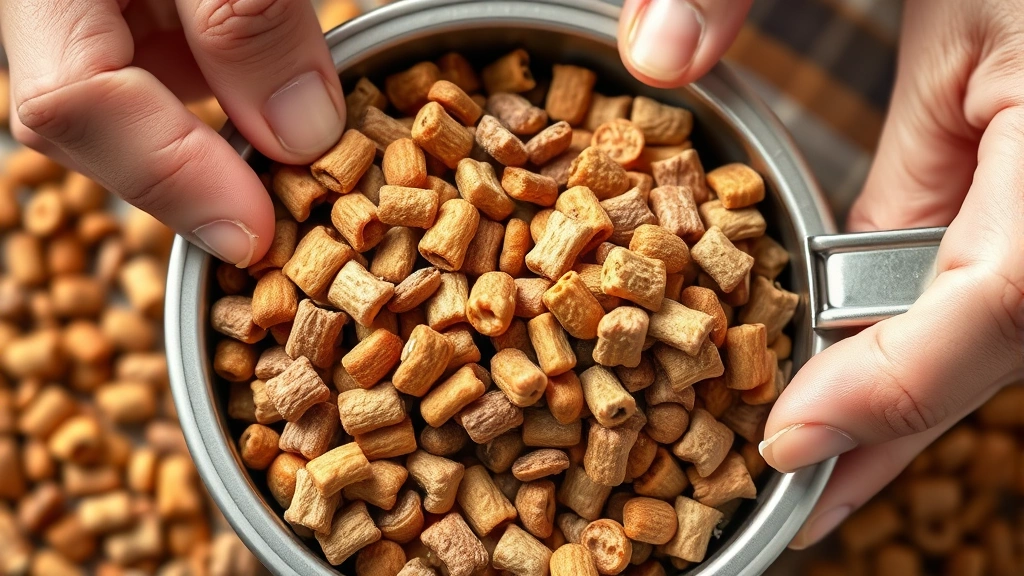
Kittens transitioning to solid food need extra care. Check out our detailed guide on Introducing Solid Food to Kittens for age-specific advice.
Puppies grow rapidly and need food formulated for large or small breed growth, depending on their adult size. The wrong food during this critical period can cause developmental issues.
Both kittens and puppies are more prone to digestive upset during transitions, so extend your timeline to 10-14 days if possible.
Frequently Asked Questions
How long does the new home feeding adjustment period usually take?
Most pets adjust within 7-10 days. Some sensitive pets need up to two weeks. You’ll know the transition is complete when your pet is eating well, their stool is consistent and healthy, and they seem relaxed around mealtime. Every pet is different, so follow your individual pet’s cues rather than rushing the process.
Can I switch my pet’s food immediately if they’re not eating?
No. Loss of appetite during the first few days is usually stress-related, not food-related. Give them time to adjust to their new environment. If they’re refusing food for more than 24 hours, contact your vet. Switching food won’t solve a stress issue—it’ll usually make it worse.
What if my pet has a sensitive stomach?
Extend the transition timeline to 14 days and mix even more gradually. Consider a limited ingredient or sensitive stomach formula. Some pets benefit from adding a probiotic supplement during the transition. Talk to your vet about options that might help.
Should I warm up the food during the transition?
Warming food slightly (not hot) can make it more palatable and easier to digest. Especially for kittens and senior pets, slightly warm food is often preferred. Just make sure it’s not hot enough to burn their mouth—test it with your finger first.
Is it normal for my pet to lose weight during the transition?
A slight weight loss over a few days isn’t uncommon due to stress and reduced appetite. But if your pet loses significant weight or continues losing weight beyond the transition period, contact your vet. They can rule out underlying health issues and ensure your pet is getting adequate nutrition.
Can I mix wet and dry food during the transition?
Absolutely. Mixing wet and dry food is a great strategy during the transition period. Wet food is often more palatable and easier to digest. You can use it to encourage eating while gradually introducing the new dry food. Just ensure the proportions match your transition timeline.
Summary: Getting the Feeding Transition Right
New home feeding adjustment is one of the most important things you’ll do as a new pet parent. It sets the stage for your pet’s long-term health and your relationship with them.
Remember the core principles: know what they were eating before, transition gradually over 7-10 days (or longer for sensitive pets), monitor their digestive health closely, establish a consistent feeding schedule, and don’t hesitate to call your vet if something seems off.
Your new pet is already dealing with a lot of change. A smooth, carefully managed feeding transition shows them that you’re a responsible, caring owner who has their best interests at heart. Plus, you’ll avoid the gross stuff and the stress that comes with digestive disasters.
Take your time, be patient, and trust the process. Before you know it, mealtime will be your pet’s favorite part of the day—and yours too.





