
Feeding pets with mobility issues requires thoughtfulness, creativity, and a sprinkle of patience—but honestly, it’s one of the most rewarding ways to show your furry friend you’ve got their back. Whether your dog is recovering from surgery, dealing with arthritis, or your cat has taken a tumble, adapting their feeding routine can make a world of difference in their quality of life. Let’s dive into how you can keep your mobility-challenged buddy well-nourished and thriving.
Table of Contents
- Understanding Mobility Issues in Pets
- Tip #1: Elevate Food and Water Bowls to Reduce Strain
- Tip #2: Choose Easily Digestible, Nutrient-Dense Foods
- Tip #3: Position Feeders in Accessible, Low-Traffic Areas
- Tip #4: Implement Smaller, More Frequent Meals
- Tip #5: Monitor Food Intake and Adjust as Needed
- Special Considerations for Arthritic Pets
- Making Mealtime Engaging (Without Overdoing It)
- Working With Your Vet on Nutrition Plans
- Creating a Supportive Feeding Routine
- Frequently Asked Questions
- Summary: Making Mealtime Work for Your Mobility-Challenged Pet
Understanding Mobility Issues in Pets
Mobility problems in pets come in many flavors. We’re talking arthritis, hip dysplasia, spinal injuries, post-surgical recovery, obesity-related limitations, and age-related decline. When your pet struggles to move, their entire routine gets disrupted—including mealtime. A dog that can’t easily walk to the kitchen or a cat that can’t jump to their elevated feeder suddenly faces real challenges just getting to dinner. That’s where understanding the root cause becomes crucial. Is your pet dealing with chronic pain? Temporary recovery? Progressive decline? Each scenario calls for slightly different feeding strategies, which is why checking with your vet first is non-negotiable.
Tip #1: Elevate Food and Water Bowls to Reduce Strain
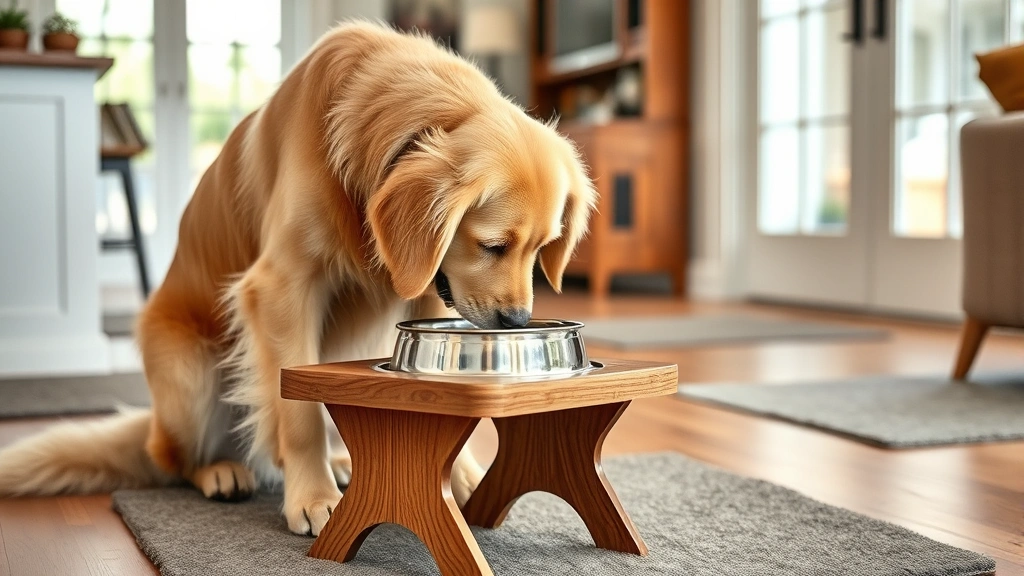
One of the simplest yet most effective changes you can make is elevating your pet’s food and water bowls. When pets with mobility issues have to crouch or strain their neck excessively, they’re putting unnecessary stress on already-compromised joints and muscles. Raised feeders—typically 4-12 inches off the ground depending on your pet’s size—allow them to eat in a more natural, comfortable position. This reduces strain on the spine, neck, and front legs. You can buy fancy elevated feeders or get creative with sturdy platforms, books, or DIY stands. The goal is getting those bowls to a height where your pet can eat without excessive bending. Pro tip: Make sure the bowls are non-slip and stable. A wobbly feeder is the last thing your mobility-challenged pet needs.
Tip #2: Choose Easily Digestible, Nutrient-Dense Foods
Pets with mobility issues often have reduced activity levels, which means their caloric needs shift. However, their nutritional needs don’t decrease—they actually become more critical. You want nutrient-dense foods that pack maximum nutrition into smaller portions. Look for high-quality proteins that support muscle maintenance (crucial when pets aren’t moving as much), omega-3 fatty acids for joint health, and easily digestible ingredients that won’t upset sensitive systems. Wet or softened food often works better than hard kibble because it requires less chewing effort and is gentler on the digestive system. Consider adding bone broth or warming up wet food slightly to increase palatability and make eating feel less like a chore. Your vet can recommend specific diets, but generally, you’re aiming for premium quality over quantity.
Tip #3: Position Feeders in Accessible, Low-Traffic Areas
Where you place the food bowl matters tremendously. Your pet shouldn’t have to navigate stairs, cross slippery floors, or compete with other animals to reach their meal. Set up feeding stations in quiet, accessible spots close to where your pet spends most of their time. If your dog usually hangs out in the living room, put their feeder there rather than forcing them to trek to the kitchen. For cats, consider multiple feeding stations on different levels if you have a multi-story home—no jumping required. Keep the area free from obstacles and ensure the flooring provides good traction. Slippery tile or hardwood can be treacherous for pets with balance or leg issues. A non-slip mat under the bowls and around the feeding area prevents accidents and builds confidence.
Tip #4: Implement Smaller, More Frequent Meals
Instead of the traditional one or two large meals daily, consider splitting your pet’s daily food intake into three or four smaller portions. This approach has multiple benefits: it’s easier for your pet to digest, prevents bloating, maintains more stable energy levels throughout the day, and reduces the physical strain of consuming a large meal at once. Smaller meals also help maintain consistent blood sugar levels, which is particularly important for older pets or those dealing with chronic conditions. Plus, if your pet is experiencing pain or discomfort, eating smaller amounts feels less overwhelming. You’re not changing the total calories—just distributing them throughout the day in a way that feels gentler on their system.
Tip #5: Monitor Food Intake and Adjust as Needed
Pets with mobility issues often experience changes in appetite due to pain, medication side effects, depression, or simply reduced activity. You need to become a food detective. Keep a simple log of what your pet eats, how much they leave, and any changes in their behavior around food. Weight management becomes critical—extra pounds put additional stress on already-compromised joints, creating a vicious cycle. If your pet isn’t eating well, consult your vet before assuming it’s normal. Sometimes appetite loss signals a bigger issue. Conversely, some pets develop stress-eating habits when their mobility is limited. The key is staying vigilant and responsive. Check out our guide on feeding during illness for more detailed monitoring strategies.

Special Considerations for Arthritic Pets
Arthritis is one of the most common mobility issues in aging pets, and nutrition plays a supporting role in management. Beyond the basic feeding adjustments, consider foods rich in glucosamine, chondroitin, and omega-3s—all of which support joint health. Many pet longevity supplements specifically target joint support and can be mixed into regular food. Warm food is often more appealing to arthritic pets and may help them feel more comfortable during meals. Some pets with arthritis also benefit from anti-inflammatory diets, which your vet can help you identify. The combination of proper feeding strategies plus targeted nutrition can genuinely improve mobility and quality of life.
Making Mealtime Engaging (Without Overdoing It)
Just because your pet has mobility issues doesn’t mean mealtime needs to become boring. While traditional puzzle feeders for dogs might be too challenging, you can still make eating engaging. Try spreading wet food on a lick mat (placed on an elevated surface), hiding small portions around their accessible area for gentle foraging, or varying food textures and flavors to maintain interest. Mental stimulation through eating helps combat the depression that sometimes accompanies mobility loss. Just ensure any enrichment activities don’t cause pain or frustration. The goal is engagement that feels good, not activities that remind your pet of their limitations.
Working With Your Vet on Nutrition Plans
This cannot be overstated: your veterinarian should be your primary resource for feeding decisions. They understand your specific pet’s health status, medications, and underlying conditions in ways that general advice cannot address. Some mobility issues benefit from prescription diets, others from supplements, and some from simple feeding adjustments. If your pet is recovering from surgery, they might need geriatric pet feeding tips adapted for temporary recovery. If they’re dealing with chronic issues, your vet can help you balance nutrition with pain management and mobility support. Regular check-ins help ensure your feeding strategy is actually working and can be adjusted as your pet’s needs evolve.
Creating a Supportive Feeding Routine
Beyond the logistics of what and how you feed your pet, the emotional aspect matters. Mealtime should feel safe, comfortable, and positive. If your pet associates eating with pain or struggle, they’ll resist. Sit with them during meals if possible. Offer gentle encouragement. Keep the environment calm and supportive. If your pet is anxious about their mobility, a consistent, predictable feeding routine provides comfort and security. Consider enlisting help from a pet sitter feeding guide if you need backup support maintaining consistency when you’re away. Consistency in timing, location, and routine helps pets feel more in control of at least one aspect of their day.
Frequently Asked Questions
How do I know if my pet’s mobility issues are affecting their nutrition?
Watch for weight loss or gain, changes in appetite, dull coat, low energy, and behavioral changes around mealtime. If your pet is struggling to reach food or shows signs of pain while eating, that’s a clear indicator their feeding setup needs adjustment. Your vet can assess whether mobility issues are impacting nutritional intake through blood work and physical examination.
Can diet alone help with mobility issues?
Diet is a supporting player, not the star. Proper nutrition—especially foods supporting joint health and maintaining ideal weight—can improve mobility outcomes, but it works best alongside veterinary care, physical therapy, pain management, and appropriate exercise. Think of it as one piece of a comprehensive approach.

Are there foods I should avoid for pets with mobility issues?
Generally, avoid high-fat foods that contribute to obesity (which worsens mobility), overly processed foods with poor digestibility, and anything your vet has flagged as problematic for your pet’s specific conditions. Inflammatory foods might worsen arthritis symptoms in some pets, so discussing this with your vet is important.
How often should I adjust feeding strategies?
Reassess every 4-6 weeks or whenever you notice changes in your pet’s mobility, appetite, or weight. As your pet recovers from surgery or progresses through aging, their needs will shift. Regular vet visits help catch these changes early.
What if my pet refuses to eat from elevated bowls?
Transition gradually. Start with a very slight elevation and increase over time. You might also try different bowl materials or positions. Some pets just need time to adjust. If refusal persists, your vet can rule out other issues like nausea or dental problems.
Summary: Making Mealtime Work for Your Mobility-Challenged Pet
Feeding pets with mobility issues boils down to thoughtful adaptation. Elevate those bowls, choose nutrient-dense foods, position feeders strategically, serve smaller frequent meals, and stay attentive to what’s actually working. Work closely with your vet to develop a plan tailored to your pet’s specific situation. Remember that mobility challenges are tough on your pet emotionally and physically—your commitment to making mealtime comfortable and supportive sends a powerful message that they’re valued and cared for. With these strategies in place, you’re not just keeping your pet fed; you’re actively supporting their quality of life and overall well-being during a challenging time.





