

Feeding pets with dental problems doesn’t have to turn mealtime into a stressful nightmare—it’s actually way more manageable than you’d think. Whether your furry friend has a missing tooth, gum disease, or is recovering from a dental extraction, the right feeding strategy can make all the difference in keeping them healthy, happy, and well-nourished.
Table of Contents
- Understanding Your Pet’s Dental Issues
- Soft Food Solutions for Dental Health
- Moistening and Softening Kibble Strategically
- Homemade Soft Diet Options
- Temperature Matters More Than You Think
- Meal Frequency and Portion Control
- Supplements and Nutritional Support
- Hydration is Non-Negotiable
- Monitoring Progress and Adjusting Strategy
- When to Consider Dental Procedures
- Working with Your Veterinarian
- Fresh Food Feeding Considerations
- Frequently Asked Questions
- Summary: Making Feeding Easier for Your Dental-Challenged Pet
Understanding Your Pet’s Dental Issues
Before you start redesigning your pet’s diet, let’s talk about what we’re dealing with. Dental problems in pets range from simple tartar buildup to serious conditions like periodontal disease, broken teeth, or infections. Your vet might’ve already told you that chewing is painful—and yeah, that changes everything about how your pet eats. Unlike humans who can complain about a sore tooth, pets just suffer silently and sometimes refuse food altogether. The key is recognizing the signs: excessive drooling, bad breath that could knock you over, swelling around the jaw, or your pet dropping food while eating. These are all red flags that your buddy needs dietary adjustments.
Soft Food Solutions for Dental Health
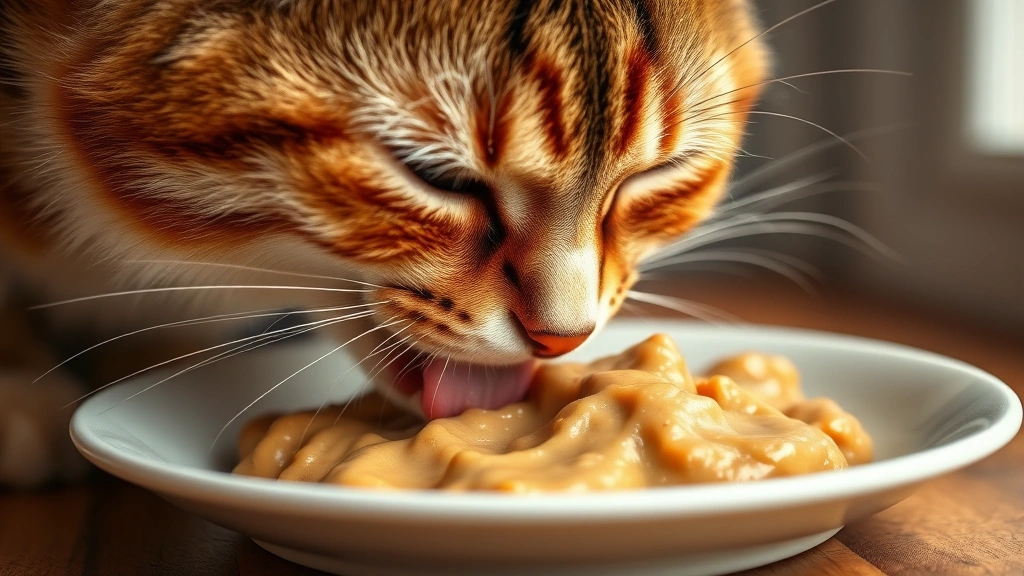
Here’s the golden rule: soft is your best friend when feeding pets with dental problems. Wet food, pâté-style canned food, and broth-based options are absolute lifesavers. You’re looking for foods that require minimal chewing effort. Many pet owners don’t realize that switching from kibble to wet food can be a game-changer. The texture is already broken down, so your pet doesn’t have to work their sore teeth overtime. Pro tip: warm the wet food slightly to enhance the aroma and make it even more appealing to a picky eater who’s in pain.
Moistening and Softening Kibble Strategically
If your pet absolutely refuses to give up their beloved kibble, don’t panic. You can still make it work by adjusting the pet food consistency. Soak the kibble in warm water, broth, or a pet-safe gravy for 5-10 minutes until it becomes soft and mushy. This isn’t just about texture—it’s about making nutrition accessible. Some pets are stubborn about their food preferences, and honestly, that’s fine. The important thing is that they’re actually eating and getting their nutrients. You can also try mixing moistened kibble with wet food to create a hybrid that’s easier on their teeth while maintaining some familiar flavors.
Homemade Soft Diet Options
Many vets recommend homemade diets for pets recovering from dental procedures or dealing with chronic dental issues. You can prepare simple, nutritious meals at home that are tailored to your pet’s specific needs. Think boiled chicken, ground turkey, sweet potatoes, carrots, and peas—all blended or finely chopped. The beauty of homemade feeding is that you control every ingredient and can avoid anything that might irritate their mouth. However, here’s the catch: you need to ensure nutritional balance. Work with your vet or a veterinary nutritionist to make sure your homemade meals meet all your pet’s dietary requirements. It’s not just about soft food; it’s about complete nutrition.
Temperature Matters More Than You Think
Temperature plays a surprising role in how comfortable your pet feels while eating. Cold food straight from the fridge can actually aggravate sensitive teeth and gums. Warm food, on the other hand, is soothing and can help reduce inflammation. Slightly warmed food also tends to smell better and taste more appealing, which is crucial when your pet is already reluctant to eat due to pain. Just make sure it’s warm, not hot—we’re talking room temperature to lukewarm, nothing that would burn their mouth. This simple adjustment can sometimes be the difference between your pet eating well and picking at their food.
Meal Frequency and Portion Control
When dealing with feeding schedules for pets with dental problems, smaller, more frequent meals often work better than large portions. Instead of one or two big meals, try three or four smaller ones throughout the day. This approach reduces the amount of work your pet’s teeth have to do at once and can prevent them from getting discouraged by a large bowl of food. It also helps with digestion and keeps their energy levels more stable. Think of it like eating soup instead of a steak—you’re getting nutrition without the heavy lifting.
Supplements and Nutritional Support
Pets with dental problems sometimes struggle to get enough calories and nutrients from regular food alone. This is where supplements come in handy. Fish oil supplements support gum health and reduce inflammation. Bone broth (pet-safe, no onions or garlic) adds flavor, hydration, and collagen for joint and gum health. Some vets recommend adding a bit of coconut oil for its anti-inflammatory properties. Always check with your vet before adding supplements, but these additions can really boost the nutritional value of your pet’s meals without requiring more chewing effort. You’re essentially creating a nutrient-dense meal that’s easier to consume.
Hydration is Non-Negotiable
Pets with dental problems often drink less water because their mouth hurts. This can lead to dehydration and urinary issues, which compounds their problems. Make water more accessible by providing multiple water bowls throughout your home. Some pets prefer running water, so a cat water fountain might actually encourage drinking. You can also increase hydration through food—wet food has significantly more moisture than kibble. Broth-based meals are excellent for this reason. If your pet seems severely dehydrated, your vet might recommend subcutaneous fluids, but usually, increasing water intake through food and water bowls does the trick.
Monitoring Progress and Adjusting Strategy
Every pet is different, and what works for one might not work for another. Keep a feeding journal noting what your pet eats, how much they consume, and how they seem afterward. Are they energetic? Gaining weight appropriately? Getting better at eating over time? Use this information to adjust your strategy. Maybe your pet does better with a specific brand of wet food, or perhaps they prefer their food at a particular temperature. Pet health monitoring during this period is crucial. Regular vet check-ins help ensure your pet’s nutrition is adequate and their dental situation isn’t worsening.
When to Consider Dental Procedures
Here’s the real talk: sometimes feeding soft food is a temporary solution while you’re planning for dental treatment. If your pet has severely compromised teeth or advanced gum disease, extraction might be the best long-term option. Pets actually do remarkably well without teeth—they can eat soft food indefinitely, and removing painful teeth often improves their quality of life dramatically. Many pet owners are surprised to learn that their dog or cat is happier after extractions because they’re no longer in pain. Discuss all options with your vet, but don’t assume that dental problems mean a lifetime of complicated feeding routines.
Working with Your Veterinarian
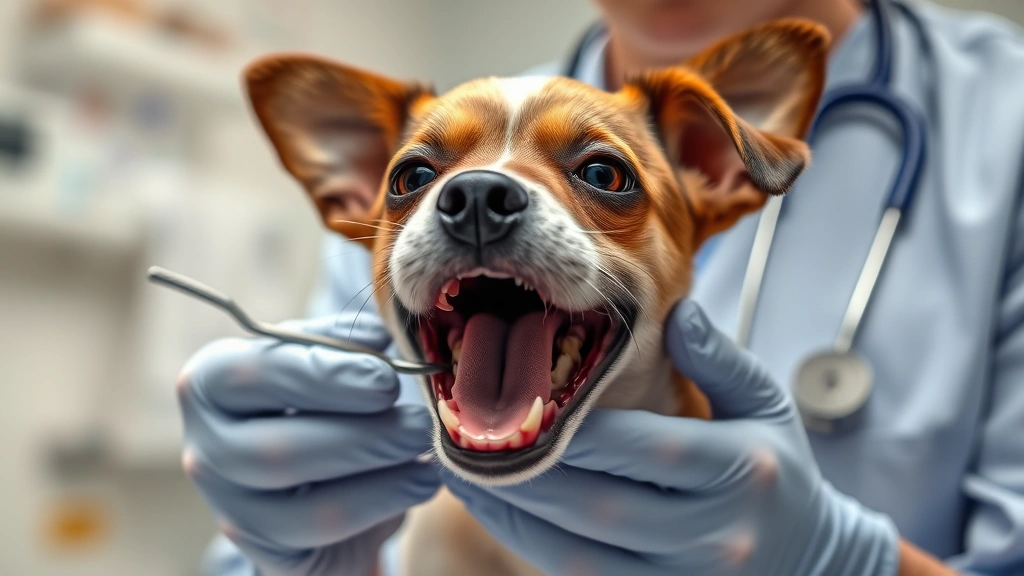
Your vet is your best resource throughout this process. They can recommend prescription dental diets specifically formulated for pets with oral issues. Some of these diets have special textures and ingredients designed to support gum health while being easy to eat. Your vet can also perform regular cleanings, assess whether antibiotics are needed for infections, and determine if extractions are necessary. According to the American Veterinary Medical Association, dental disease is one of the most common conditions in pets, so your vet has seen it all and can guide you through the process. Don’t hesitate to ask questions or request a referral to a veterinary dentist if needed.
Fresh Food Feeding Considerations
If you’re interested in fresh food feeding routine options, many commercial fresh pet food companies offer soft, ground options that are perfect for pets with dental problems. These meals are often more palatable than traditional canned food and contain whole, recognizable ingredients. However, they can be pricier than standard kibble. Some pet owners find the investment worthwhile for the improved nutrition and their pet’s enthusiasm for meals. Just make sure any fresh food you choose is nutritionally complete and balanced. Check with PetMD or consult your vet to verify that the brand meets AAFCO standards.
Frequently Asked Questions
Can I feed my pet with dental problems regular kibble if I soften it enough?
Technically yes, but wet food is generally better. While softened kibble can work, wet food is specifically formulated to be easier on teeth and often contains ingredients that support oral health. Softened kibble still requires some chewing effort and may not be as palatable to a pet in pain. If your pet prefers kibble, softening it is better than nothing, but wet food is the ideal choice.
How long does it take for a pet to adjust to a new diet?
Most pets adjust within 7-10 days, though some take up to two weeks. Transition gradually by mixing new food with old food, increasing the proportion of new food each day. However, if your pet is in pain from dental issues, they might accept the new soft food immediately because it’s more comfortable to eat.
Is homemade food safe for pets with dental problems?
Homemade food can be excellent, but it must be nutritionally complete. Work with a veterinary nutritionist to ensure proper balance of proteins, fats, vitamins, and minerals. Incomplete homemade diets can lead to nutritional deficiencies over time, which is especially problematic for pets already dealing with health issues.
What if my pet refuses to eat soft food?
Try warming the food, adding a small amount of low-sodium broth, or mixing in a pet-safe topper like salmon oil. Some pets are stubborn about texture changes. You can also try different brands—sometimes a pet will accept one brand’s wet food but reject another’s. If your pet continues refusing food, contact your vet immediately, as this could indicate a more serious problem.
Can dental problems affect my pet’s overall health?
Absolutely. Untreated dental disease can lead to infections that spread to the heart, kidneys, and liver. This is why addressing dental problems through proper feeding, regular dental care, and vet visits is so important. It’s not just about comfort; it’s about long-term health.
How often should I have my pet’s teeth professionally cleaned?
Most vets recommend annual dental cleanings, though some pets need them more frequently. Your vet can assess your pet’s specific needs during regular check-ups. Professional cleanings are crucial for preventing serious dental disease.
Summary: Making Feeding Easier for Your Dental-Challenged Pet
Feeding pets with dental problems is absolutely manageable with the right approach. Focus on soft foods, appropriate temperatures, and smaller, frequent meals. Work closely with your vet to monitor progress and determine if dental procedures are necessary. Remember that your pet’s comfort and nutrition are the priorities—there’s no shame in adjusting their diet, and most pets thrive on soft food diets. Whether it’s temporary while healing or long-term after extractions, you’ve got this. Your furry friend will appreciate the effort, and you’ll likely notice improved energy, better mood, and overall better health once their dental situation is properly managed. Keep communication open with your vet, stay patient with your pet, and don’t hesitate to try different approaches until you find what works best for your unique buddy.





