
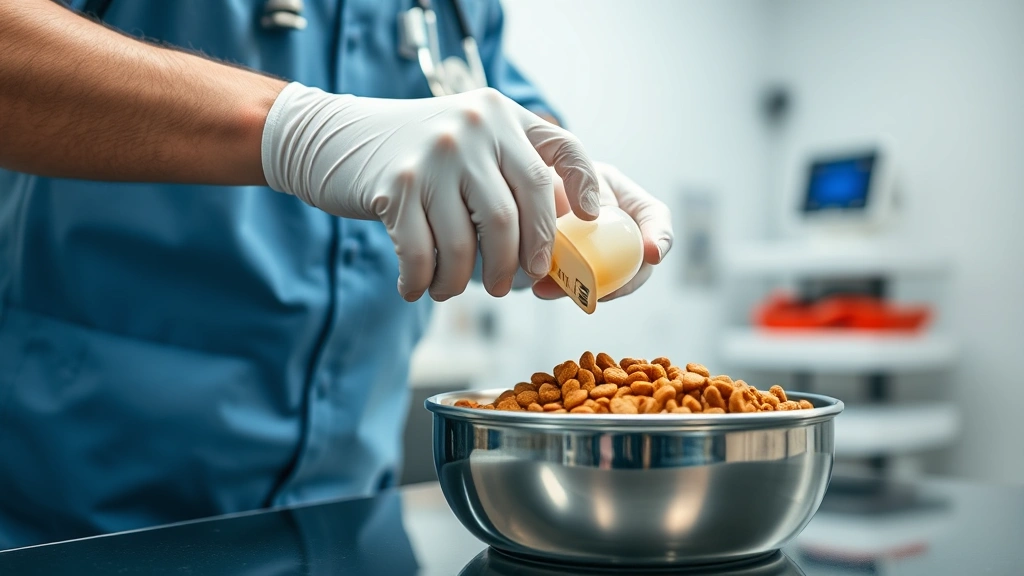
A critical care feeding routine can be the difference between a speedy recovery and prolonged complications for your beloved pet. Whether your furry friend is bouncing back from surgery, battling an illness, or managing a chronic condition, nailing their nutrition during recovery is absolutely crucial. Let’s dive into what you need to know to keep your pet thriving during their most vulnerable moments.
Table of Contents
- Understanding Critical Care Nutrition for Pets
- The Role of Veterinary Prescription Diets in Recovery
- Timing and Frequency: When to Feed Your Recovering Pet
- Portion Control and Caloric Requirements During Recovery
- Hydration: The Often-Forgotten Component
- Special Considerations for Renal and Digestive Health
- Monitoring Your Pet’s Response to Critical Care Feeding
- Transitioning Back to Normal Feeding Patterns
- Supplements and Supportive Care During Recovery
- Geriatric Pets and Critical Care Feeding Considerations
- Common Mistakes to Avoid in Critical Care Feeding
- Frequently Asked Questions
- Summary: Mastering Your Pet’s Critical Care Feeding Routine
Understanding Critical Care Nutrition for Pets
Critical care nutrition isn’t just about tossing some kibble in a bowl and hoping for the best. It’s a carefully orchestrated feeding strategy designed to support your pet’s immune system, accelerate healing, and prevent complications. When pets are in recovery mode, their bodies demand more calories, specific nutrients, and sometimes completely different food compositions than their regular diet.
The goal is to provide easily digestible, nutrient-dense meals that won’t tax their already-stressed system. Think of it as giving your pet’s body the VIP treatment it desperately needs right now.
The Role of Veterinary Prescription Diets in Recovery
Your vet isn’t just being fancy when they recommend prescription diet feeding. These specially formulated foods are engineered for specific health conditions—whether that’s kidney disease, digestive issues, or post-operative recovery. Prescription diets are formulated with precise protein levels, controlled sodium, and enhanced digestibility that commercial pet foods simply can’t match.
According to AAFCO standards, prescription diets must meet rigorous nutritional guidelines. Your vet has likely chosen your pet’s specific formula based on bloodwork, condition severity, and recovery goals.
Timing and Frequency: When to Feed Your Recovering Pet
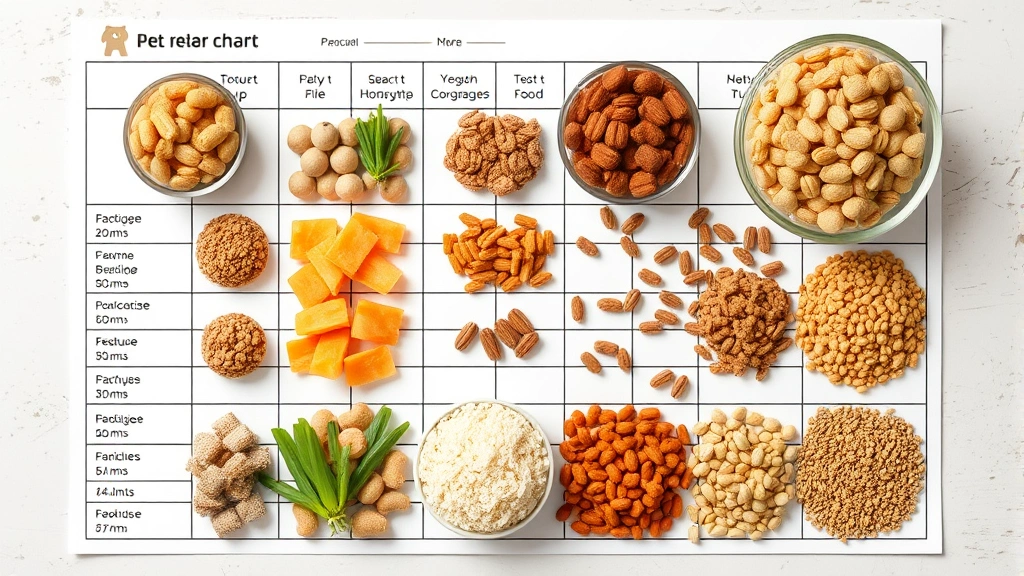
Forget the once-a-day feeding schedule your pet might be used to. During critical care recovery, smaller, more frequent meals work wonders. Most vets recommend feeding every 4-6 hours initially, then gradually transitioning back to normal schedules as your pet improves. This approach keeps the digestive system from becoming overwhelmed while maintaining steady nutrient delivery.
Your recovery feeding schedule should be tailored to your specific pet. Some pets recovering from surgery might start with just a few tablespoons every few hours, while others might tolerate quarter-portions of their normal meals.
Portion Control and Caloric Requirements During Recovery
Here’s where many well-meaning pet parents go off the rails: overfeeding during recovery. Yes, your pet needs extra calories to heal, but cramming down massive portions can cause vomiting, diarrhea, or pancreatitis. A good rule of thumb is to feed 25-50% of normal portions initially, then gradually increase based on your pet’s tolerance and your vet’s recommendations.
Critical care feeding requires monitoring body condition score regularly. Your vet can help you assess whether your pet is gaining weight appropriately or if adjustments are needed. Remember, recovery isn’t a sprint—it’s a marathon.
Hydration: The Often-Forgotten Component
You can’t talk about a critical care feeding routine without emphasizing hydration. Dehydration during recovery can derail even the best nutritional plan. Fresh water should be available at all times, though some pets might need encouragement to drink. Wet or canned foods provide additional moisture, and some vets recommend adding bone broth (unsalted, vet-approved) to meals for both nutrition and hydration.
If your pet isn’t drinking adequately, contact your vet immediately. Dehydration can lead to serious complications that complicate recovery.
Special Considerations for Renal and Digestive Health
Pets with kidney issues require specialized feeding protocols. A renal diet feeding routine typically involves lower protein and phosphorus levels to reduce stress on compromised kidneys. These diets are crucial for managing chronic kidney disease and preventing further deterioration.

Similarly, pets recovering from digestive issues benefit from highly digestible diets that minimize gastrointestinal stress. Your vet might recommend novel protein sources or limited-ingredient diets to identify and avoid triggers.
Monitoring Your Pet’s Response to Critical Care Feeding
Not every pet responds to feeding adjustments the same way. Some bounce back quickly while others need more time and tweaking. Keep detailed notes on:
- How much your pet eats at each meal
- Bowel and urinary output consistency
- Energy levels and activity
- Weight changes (weekly weigh-ins are ideal)
- Any vomiting or digestive upset
- Overall appetite and enthusiasm for meals
This information is gold for your vet during follow-up appointments. It helps them make informed decisions about diet modifications and recovery progress.
Transitioning Back to Normal Feeding Patterns
The transition back to your pet’s regular diet shouldn’t happen overnight. Most vets recommend a gradual shift over 7-10 days, mixing increasing amounts of regular food with the critical care diet. This slow transition prevents digestive upset and allows your pet’s system to readjust to their normal nutrition.
Your vet will give you the green light for this transition based on your pet’s recovery progress. Jumping the gun can result in setbacks, so patience is essential here.
Supplements and Supportive Care During Recovery
While your vet might recommend specific supplements to support recovery, don’t go rogue with over-the-counter options without approval. Some supplements can interact with medications or complicate existing conditions. However, certain additions like pet insulin support supplements or omega-3 fatty acids might be recommended for specific conditions.
Always discuss any supplements with your vet before adding them to your pet’s routine. They’ll help you determine what’s actually beneficial versus what’s just marketing hype.
Geriatric Pets and Critical Care Feeding Considerations
Senior pets recovering from illness or surgery have unique nutritional needs. Older pets often have diminished appetite, dental issues, and slower digestion. Geriatric pet feeding tips emphasize easily consumable, nutrient-dense foods that don’t require extensive chewing.
Warming food slightly can make it more aromatic and appealing to older pets, and softer textures are often better tolerated. Senior pets might also benefit from more frequent, smaller meals even longer into recovery than younger animals.
Common Mistakes to Avoid in Critical Care Feeding
Let’s be real—people mess this up all the time. The most common mistakes include:
- Feeding too much too quickly: Enthusiasm for recovery can lead to overfeeding, causing digestive upset
- Ignoring vet recommendations: Switching foods or adding treats without approval can complicate recovery
- Inconsistent feeding schedules: Skipping meals or feeding at random times disrupts the routine
- Using low-quality foods: Cheap, low-digestibility foods work against recovery goals
- Neglecting water intake: Focusing only on food while ignoring hydration creates problems
These mistakes are easily avoidable with a little attention and commitment to the plan your vet has outlined.
Frequently Asked Questions
How long does a critical care feeding routine typically last?
Recovery timelines vary dramatically depending on the condition, surgery type, and individual pet. Some pets need modified feeding for just 2-3 weeks, while others with chronic conditions might require lifelong adjustments. Your vet will provide a timeline specific to your pet’s situation.
Can I use human food during my pet’s critical care recovery?
Generally, no. Human foods often contain ingredients that complicate recovery or don’t meet the specific nutritional requirements your pet needs. Stick with vet-approved foods and only add foods your vet explicitly recommends. Some vets might approve plain boiled chicken or sweet potato, but always ask first.
What if my pet refuses to eat the prescribed critical care diet?
First, don’t panic—many pets are picky about new foods. Try warming the food, mixing in a small amount of low-sodium broth, or hand-feeding. If your pet still refuses after 24-48 hours, contact your vet immediately. They might recommend appetite stimulants or alternative diets. Refusing food during recovery is a red flag that needs professional attention.
Should I use pet health monitoring apps to track feeding?
Absolutely. Documenting feeding amounts, times, and your pet’s response helps your vet make better decisions. Many pet health apps allow you to track nutrition, weight, and symptoms in one place. This information becomes invaluable during recovery.
Is it okay to give treats during critical care recovery?
Most vets recommend avoiding treats entirely during the initial recovery phase. Once your pet is improving and your vet gives approval, treats should be minimal and vet-approved. Never give treats that aren’t specifically recommended for your pet’s condition.
How do I know if the critical care feeding routine is working?
Signs of successful recovery include stable or improving weight, normal energy levels, healthy coat condition, and consistent bowel movements. Your vet will also monitor bloodwork and physical condition to assess progress. Regular weigh-ins and vet check-ups are essential.
Summary: Mastering Your Pet’s Critical Care Feeding Routine
A successful critical care feeding routine requires commitment, attention to detail, and close collaboration with your veterinary team. This isn’t the time to wing it or rely on guesswork. Your pet’s recovery depends on providing precisely the right nutrition at the right times in the right amounts.
Remember that every pet is unique, and what works for one might not work for another. Stay flexible, keep detailed records, and maintain open communication with your vet. Most importantly, trust the process—your dedication to proper nutrition during recovery can significantly impact your pet’s healing trajectory and long-term health outcomes.
Your pet is counting on you to get this right. You’ve got this!





