
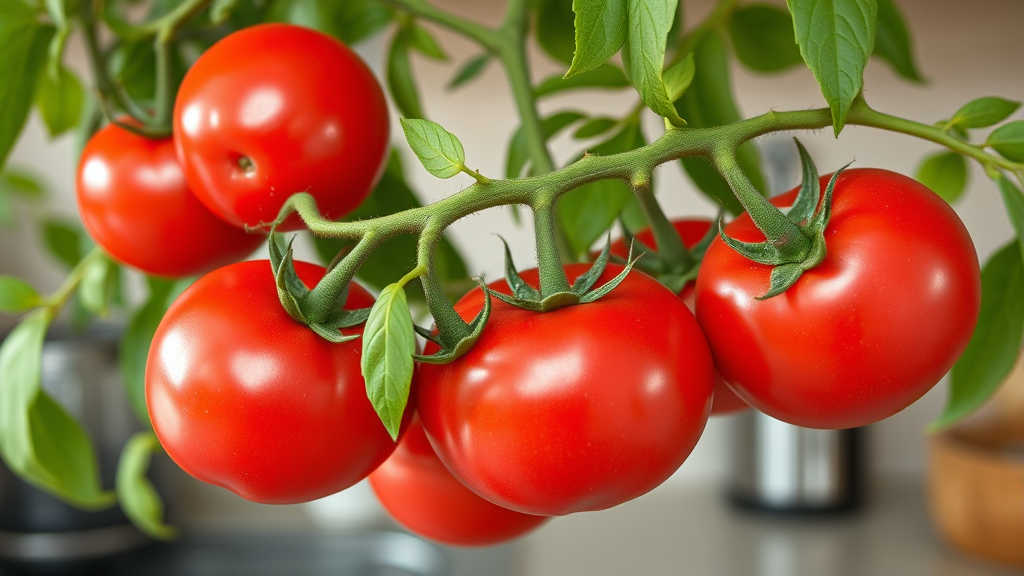
As a devoted pet parent, you’ve likely found yourself wondering about the safety of various human foods for your furry companion. One common question that arises in many households is whether dogs can safely consume tomatoes. This vibrant red fruit is a staple in many kitchens, appearing in salads, sauces, and countless recipes, making it inevitable that curious canines might show interest in this popular food.
The relationship between dogs and tomatoes is more complex than a simple yes or no answer. While ripe tomatoes can be safe for dogs in small quantities, there are important considerations every pet owner should understand before sharing this fruit with their four-legged family member. Understanding the potential risks and benefits will help you make informed decisions about your dog’s diet and keep them healthy and happy.
Understanding Tomatoes and Their Components
Tomatoes belong to the nightshade family (Solanaceae), which includes other common vegetables like potatoes, eggplants, and peppers. This botanical family is known for containing natural compounds called alkaloids, which serve as the plant’s natural defense mechanism against insects and other threats. The primary alkaloids found in tomatoes are solanine and tomatine, both of which can be problematic for dogs when consumed in significant quantities.
Ripe, red tomatoes contain relatively low levels of these toxic compounds compared to green tomatoes and other parts of the plant. The American Kennel Club notes that while ripe tomatoes are generally considered safe for dogs in small amounts, the green parts of the plant pose a much greater risk. As tomatoes ripen and turn red, the concentration of harmful alkaloids decreases significantly, making them potentially safer for canine consumption.
The nutritional profile of ripe tomatoes includes beneficial components such as lycopene, vitamin C, and potassium. Lycopene is a powerful antioxidant that gives tomatoes their red color and may provide some health benefits. However, dogs produce their own vitamin C and don’t require dietary supplementation, unlike humans who must obtain this vitamin from food sources.
The Safety Concerns: Solanine and Tomatine
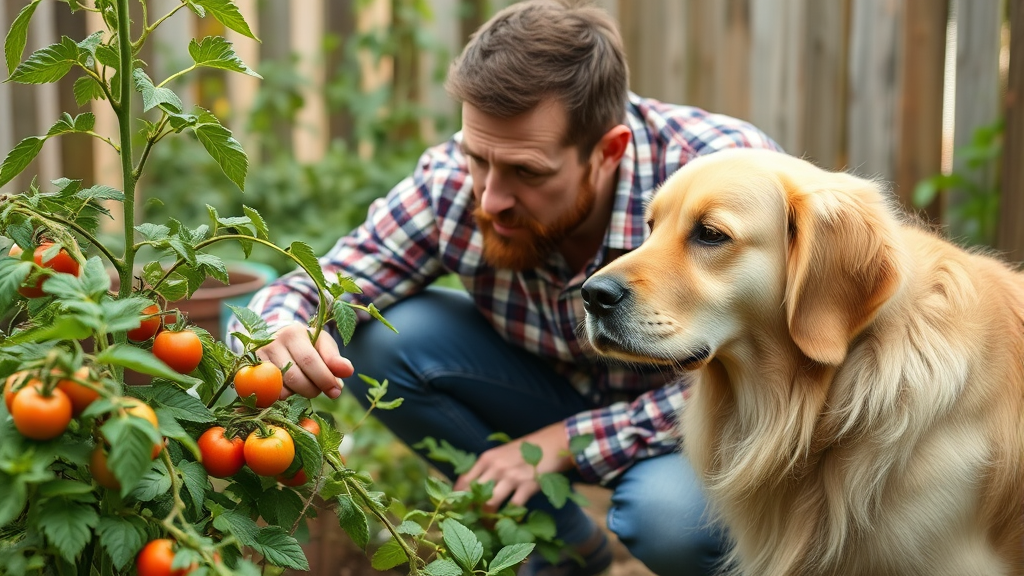
The primary concern with feeding tomatoes to dogs stems from the presence of solanine and tomatine, two glycoalkaloids that can cause toxicity in canines. These compounds are concentrated in the green parts of the tomato plant, including unripe green tomatoes, stems, leaves, and roots. Even small amounts of these plant parts can potentially cause adverse reactions in sensitive dogs.
Solanine toxicity, also known as solanine poisoning, can affect the nervous system and digestive tract of dogs. The severity of symptoms depends on several factors, including the dog’s size, the amount consumed, and individual sensitivity. Smaller dogs are at higher risk because they require smaller amounts of the toxic compound to experience adverse effects.
Research published by the National Center for Biotechnology Information indicates that glycoalkaloids can cause gastrointestinal upset, neurological symptoms, and in severe cases, more serious complications. The concentration of these compounds varies depending on the growing conditions, storage, and maturity of the tomato plant.
It’s worth noting that cooking does not significantly reduce the alkaloid content in tomatoes, so processed tomato products like sauces, soups, and ketchup may still contain these compounds. Additionally, many commercial tomato products contain other ingredients that are harmful to dogs, such as onions, garlic, and excessive salt. For more information about other potentially dangerous foods, you might want to read about whether dogs can eat onions.
When Tomatoes Can Be Safe for Dogs
Despite the potential risks, ripe, red tomatoes can be safe for dogs when given in very small quantities and under specific conditions. The key is ensuring that only the ripe fruit flesh is offered, with all green parts, stems, and leaves completely removed. A small slice or a few cherry tomato pieces occasionally are unlikely to cause harm to most healthy adult dogs.
Before introducing any new food to your dog’s diet, it’s essential to consult with your veterinarian, especially if your pet has existing health conditions or known food sensitivities. Some dogs may be more sensitive to alkaloids than others, and individual tolerance can vary significantly. The American Veterinary Medical Association recommends that treats and human foods should never make up more than 10% of a dog’s daily caloric intake.
When offering tomatoes to your dog, start with a very small amount to observe their reaction. Monitor for any signs of digestive upset or unusual behavior over the next 24-48 hours. If your dog shows any adverse reactions, discontinue feeding tomatoes immediately and consult your veterinarian if symptoms persist or worsen.
It’s important to remember that while ripe tomatoes may be technically safe in small amounts, they offer no essential nutritional benefits that dogs cannot obtain from their regular, balanced dog food. High-quality commercial dog foods are formulated to meet all of a dog’s nutritional needs, making human food additions unnecessary from a dietary standpoint.
Parts of the Tomato Plant That Are Dangerous
Understanding which parts of the tomato plant pose the greatest risk to dogs is crucial for pet safety. The highest concentrations of solanine and tomatine are found in the green parts of the plant, making them the most dangerous for canine consumption. These include green, unripe tomatoes, which can contain up to five times more alkaloids than their ripe counterparts.
The stems, leaves, and vines of tomato plants are particularly toxic and should never be accessible to dogs. Even small amounts of these plant parts can cause significant health issues. Pet owners who grow tomatoes in their gardens should ensure their dogs cannot access these plants, as curious dogs might chew on leaves or stems while exploring the garden.
The roots of tomato plants also contain high levels of toxic compounds and pose a risk if dogs dig them up and consume them. This is particularly concerning for dogs who enjoy digging or have access to compost piles where tomato plant waste might be present. Similar to tomatoes, other nightshade vegetables can pose risks, which is why it’s important to understand whether dogs can eat eggplant and other related plants.
Green tomatoes that haven’t ripened should be treated with the same caution as other green parts of the plant. While they may look appealing, they contain significantly higher levels of alkaloids than ripe tomatoes and should be kept away from dogs. Even fried green tomatoes, a popular Southern dish, should not be shared with pets due to the alkaloid content and the added oils and seasonings used in preparation.
Signs of Tomato Poisoning in Dogs
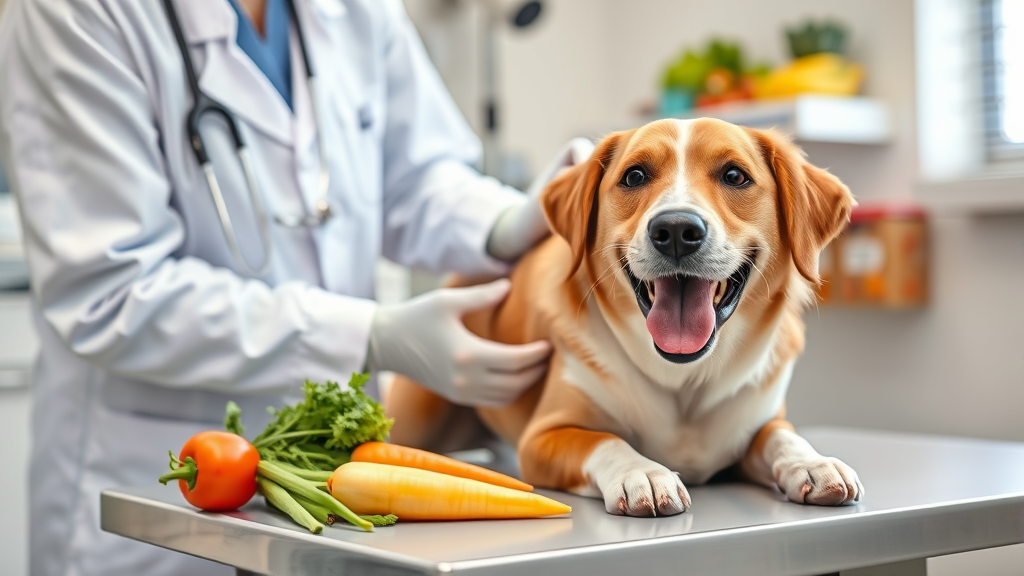
Recognizing the signs of tomato poisoning in dogs is essential for prompt treatment and the best possible outcome. Symptoms typically appear within a few hours of consumption but can sometimes take up to 12 hours to manifest, depending on the amount consumed and the individual dog’s sensitivity. The ASPCA Animal Poison Control Center lists several key symptoms to watch for after potential tomato plant ingestion.
Gastrointestinal symptoms are often the first to appear and may include vomiting, diarrhea, loss of appetite, and excessive drooling. These digestive issues can range from mild to severe, depending on the amount of toxic material consumed. Abdominal pain may also be present, which dogs might show through restlessness, reluctance to move, or unusual positioning.
Neurological symptoms can develop as the alkaloids affect the nervous system. These may include lethargy, confusion, weakness, difficulty walking, tremors, or seizures in severe cases. Some dogs may also experience dilated pupils, changes in heart rate, or difficulty breathing. Any neurological symptoms should be considered a veterinary emergency requiring immediate professional attention.
If you suspect your dog has consumed any part of a tomato plant, especially green parts, contact your veterinarian or pet poison control hotline immediately. Time is crucial in treating alkaloid poisoning, and early intervention can significantly improve outcomes. Keep a sample of what your dog consumed if possible, as this can help veterinary professionals determine the appropriate treatment approach.
Healthy Alternatives to Tomatoes
Rather than risking potential health issues with tomatoes, consider offering your dog safer, more beneficial alternatives that can satisfy their curiosity about human foods. Many fruits and vegetables are not only safe for dogs but can also provide nutritional benefits when given in appropriate amounts as occasional treats.
Carrots are an excellent alternative that many dogs enjoy. They’re low in calories, high in fiber, and provide beneficial beta-carotene. They can be served raw as a crunchy treat or cooked for easier digestion. Sweet potatoes are another nutritious option that’s rich in vitamins and fiber, though they should be cooked and served in moderation. You can learn more about the safety of related vegetables by reading about whether potatoes are good for dogs.
Blueberries and apple slices (without seeds) make excellent fruit alternatives that are packed with antioxidants and vitamins. Green beans, whether fresh or frozen, provide a low-calorie crunch that many dogs find satisfying. Cucumber slices can be refreshing, especially during hot weather, and provide hydration along with a satisfying crunch.
When exploring safe vegetables for your pet, you might also want to learn about whether dogs can eat peppers, as this is another common garden vegetable that raises questions among pet owners. Always remember that any new food should be introduced gradually and in small amounts to monitor your dog’s reaction.
How to Safely Prepare Tomatoes for Dogs
If you’ve consulted with your veterinarian and decided to occasionally offer small amounts of ripe tomato to your dog, proper preparation is essential to minimize risks. Always select fully ripe, red tomatoes and thoroughly wash them before preparation. Remove all stems, leaves, and any green parts completely, as these contain the highest concentrations of toxic alkaloids.
Cut the tomato into small, appropriate-sized pieces for your dog’s size to prevent choking hazards. Remove all seeds if possible, as some dogs may have difficulty digesting them. Start with just a tiny piece – no more than a small slice for large dogs or a few small pieces for smaller dogs. Never offer tomatoes that have been prepared with seasonings, oils, or other ingredients that could be harmful to dogs.
Avoid giving your dog any processed tomato products, including tomato sauce, paste, or soup. These products often contain additional ingredients that can be toxic to dogs, such as garlic, onions, excessive salt, or artificial preservatives. For more information about other foods to avoid, consider reading about why dogs can’t have chocolate.
Monitor your dog closely after offering tomato for the first time, watching for any signs of digestive upset or unusual behavior. If your dog shows any adverse reactions, discontinue feeding tomatoes immediately and consult your veterinarian. Remember that even if your dog tolerates small amounts of ripe tomato, this should only be an occasional treat, not a regular part of their diet.
Frequently Asked Questions
Can dogs eat cherry tomatoes?
Dogs can potentially eat small amounts of ripe cherry tomatoes with the same precautions as regular tomatoes. However, cherry tomatoes pose an additional choking risk due to their size and round shape, especially for smaller dogs. If offering cherry tomatoes, cut them into smaller pieces and ensure they are fully ripe and red. As with all tomatoes, this should only be an occasional treat in very small quantities.
What should I do if my dog ate green tomatoes?
If your dog has consumed green tomatoes, contact your veterinarian or pet poison control immediately. Green tomatoes contain much higher levels of toxic alkaloids than ripe ones. Monitor your dog closely for symptoms such as vomiting, diarrhea, lethargy, or neurological signs. The severity of the situation depends on how much was consumed and your dog’s size, but professional guidance is always recommended when green tomato consumption occurs.
Are cooked tomatoes safer for dogs than raw ones?
Cooking does not significantly reduce the alkaloid content in tomatoes, so cooked tomatoes are not necessarily safer than raw ones. Additionally, many cooked tomato dishes contain ingredients that are harmful to dogs, such as garlic, onions, salt, and various seasonings. If you choose to offer tomato to your dog, plain, ripe, raw tomato in small amounts is generally the safest option.
Can tomato sauce or ketchup harm my dog?
Yes, tomato sauce and ketchup can be harmful to dogs. These products typically contain high levels of salt, sugar, onions, garlic, and various preservatives that can be toxic to dogs. Even if the tomato base might be tolerable in small amounts, the additional ingredients make these products unsuitable for canine consumption. Always avoid giving your dog any processed tomato products.
How much tomato is too much for a dog?
Even ripe tomatoes should only be given in very small amounts as an occasional treat. For most dogs, a small slice or a few small pieces once in a while is the maximum recommended amount. The exact quantity depends on your dog’s size, but treats should never exceed 10% of their daily caloric intake. When in doubt, consult with your veterinarian about appropriate portion sizes for your specific dog.
Are there any dogs that should never eat tomatoes?
Dogs with known allergies or sensitivities to nightshade plants should never be given tomatoes. Additionally, dogs with kidney problems, heart conditions, or digestive issues may be more sensitive to the alkaloids in tomatoes. Puppies, senior dogs, and small breeds may also be at higher risk due to their size or developing/declining organ function. Always consult your veterinarian before introducing any new food to dogs with health conditions.
What other foods should I avoid giving my dog along with tomatoes?
Many foods commonly combined with tomatoes in human dishes are toxic to dogs. These include onions, garlic, chives, and excessive salt. You should also be cautious about whether dogs can eat mushrooms, as some varieties can be extremely dangerous. Other foods to avoid include chocolate, grapes, raisins, avocado, and xylitol-containing products. When considering any human food for your dog, research its safety first and consult with your veterinarian.





