

Treat scheduling between meals is one of those pet parenting skills that sounds simple but can actually make or break your furry friend’s health, behavior, and waistline. Most pet owners throw treats at their dogs and cats whenever the mood strikes, which is basically like letting your kid eat candy whenever they cry. Spoiler alert: it doesn’t end well. But here’s the good news—with the right approach, treats can be an amazing tool for training, bonding, and keeping your pet happy without turning them into a furry little blimp.
Table of Contents
- Why Treat Timing Actually Matters More Than You Think
- Tip #1: Calculate Your Pet’s Daily Caloric Budget
- Tip #2: Space Out Your Treats Around Your Pet’s Meal Schedule
- Tip #3: Choose Treats That Actually Align With Your Pet’s Nutritional Needs
- Tip #4: Use Treats as Training Tools, Not Just Snacks
- Tip #5: Monitor Your Pet’s Weight and Adjust Accordingly
- The Science Behind Treat Timing and Digestion
- Creating a Sustainable Treat Schedule You’ll Actually Follow
- Special Considerations for Multi-Pet Households
- Frequently Asked Questions
Why Treat Timing Actually Matters More Than You Think
Before we dive into the nitty-gritty, let’s talk about why treating your pet between meals isn’t just about preventing obesity (though that’s definitely part of it). When you’re strategic with treat scheduling between meals, you’re actually influencing your pet’s metabolism, behavior, and even their training success. Your vet might recommend specific pet meal frequency guidelines, and treats need to fit into that puzzle like a well-organized Tetris game.
Treats given at random times can lead to begging behavior, upset stomachs, and nutrient imbalances. Plus, if you’re trying to use treats for training—which is basically the holy grail of pet parenting—you need them timed right. A treat given at the wrong moment might reinforce the wrong behavior. It’s like accidentally teaching your dog that jumping on guests is rewarded. Yikes.
Tip #1: Calculate Your Pet’s Daily Caloric Budget
This is where things get mathematical, but don’t worry—it’s not calculus. Your pet’s daily caloric intake should be split between meals and treats. The golden rule? Treats should make up no more than 10% of your pet’s total daily calories. The other 90% comes from their regular meals.
So if your dog needs 1,500 calories per day, treats should max out at 150 calories. Most commercial treats list calorie counts on the package, so you’re not flying blind here. Some pet parents use a puzzle feeder approach to portion control, which doubles as mental enrichment. Win-win.
For cats, the math is slightly different since they’re smaller and have different nutritional needs, but the 10% rule still applies. A 10-pound cat might need around 200-250 calories daily, meaning treats should hover around 20-25 calories. Yes, that’s tiny. Feline treats are basically confetti-sized.
Tip #2: Space Out Your Treats Around Your Pet’s Meal Schedule
Here’s where strategic scheduling comes into play. If your dog eats breakfast at 7 AM and dinner at 6 PM, you’ve got a 11-hour window to play with. Ideally, you want to space treats so they don’t interfere with appetite at mealtimes. Nobody wants a pet who’s too full to eat their nutritionally balanced food because they stuffed themselves with training treats at 5 PM.
A solid approach? Give treats at least 2-3 hours before a scheduled meal. This gives your pet’s digestive system time to process the treat without spoiling their appetite. For dogs on a dog feeding routine, mid-morning (around 10 AM) and mid-afternoon (around 3-4 PM) are sweet spots. For cats, treats work best between meals as well, though cats are pickier about their feeding windows.
If you’re doing training sessions, timing matters even more. Post-meal training might not be ideal since your pet could have a full belly, but pre-meal training (especially 30 minutes to an hour before eating) can work wonders. Your pet will be motivated by hunger without being ravenous.
Tip #3: Choose Treats That Actually Align With Your Pet’s Nutritional Needs
Not all treats are created equal. Some are basically junk food, while others can actually support your pet’s health. According to the American Kennel Club’s nutrition guidelines, treats should ideally complement your pet’s diet rather than work against it.
If your dog is on a high-protein diet, choose protein-rich treats like freeze-dried meat or fish. If your cat has dental issues, crunchy treats can help clean teeth (though they shouldn’t replace dental care). Some pets benefit from treats with added probiotics or joint support, especially senior animals. You can even use anxiety treats for cats if your feline friend gets stressed during certain times of day.
Pro tip: Vegetables and fruits count as treats too. Many pets go absolutely bonkers for carrots, green beans, or apple slices. These are low-calorie, nutrient-dense options that won’t blow your 10% budget. Just avoid anything toxic (no grapes, onions, or chocolate, obviously).
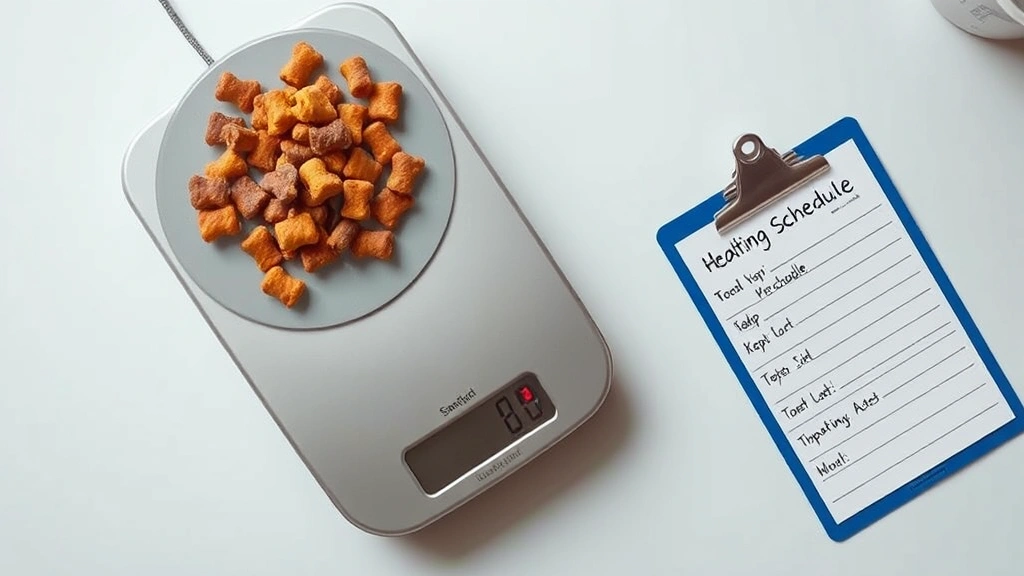
Tip #4: Use Treats as Training Tools, Not Just Snacks
This is where treat scheduling becomes a superpower. If you’re training your pet, treats should be strategic rewards for specific behaviors. Instead of just handing out treats willy-nilly, use them to reinforce good behavior during designated training windows.
The best time for training treats? When your pet is alert and motivated but not overly excited or hungry-aggressive. This usually means 1-2 hours after a meal. If you’re doing multiple training sessions throughout the day, break your 10% daily treat allowance into smaller portions for each session. A 10-minute training session might use 5-10 calories worth of treats, leaving you plenty of room for other treats or bonding moments.
Consistency is key here. If you always give a training treat at the same time of day, your pet’s brain starts anticipating that reward window. It becomes part of their routine, which actually helps with behavioral training and reduces anxiety.
Tip #5: Monitor Your Pet’s Weight and Adjust Accordingly
Even with the best-laid plans, sometimes you need to pivot. If your pet is gaining weight despite following the treat guidelines, it might be time to reassess. Some pets are just more treat-motivated than others, kind of like how some humans can’t resist a good cookie.
Weigh your pet monthly if possible, or at least every 3 months. Most vets recommend this anyway during wellness visits. If you’re noticing weight creep, consider reducing treat calories by 5-10% or switching to lower-calorie options. You can also increase exercise to burn more calories, creating more room in the treat budget.
Some pets have metabolic issues or food sensitivities that make treat timing even more critical. If your pet has digestive issues or specific dietary needs according to PetMD, talk to your vet about which treats are safest and when to give them.
The Science Behind Treat Timing and Digestion
Your pet’s digestive system isn’t just a simple tube where food goes in and poop comes out. It’s actually pretty sophisticated. Treats given too close to meals can interfere with nutrient absorption and cause digestive upset. This is especially true for pets with sensitive stomachs.
When you space treats properly, your pet’s digestive enzymes have time to do their job effectively. Stomach acid levels normalize between eating events, which means your pet processes nutrients better. This is why the 2-3 hour spacing recommendation exists—it’s not just arbitrary. It’s based on how long it typically takes for a pet’s stomach to empty and digestive juices to reset.
For senior pets or those with underlying health conditions, proper treat scheduling becomes even more important. Their digestive systems are often less forgiving of poor timing or inappropriate treat choices.
Creating a Sustainable Treat Schedule You’ll Actually Follow
Here’s the thing about pet care advice: it only works if you actually do it. Creating a treat schedule that fits your lifestyle is crucial. If you’re a chaotic person who forgets to feed themselves, a complex treat schedule won’t work. You need something simple.
Try using phone reminders for treat times if that helps. Or tie treats to existing routines—treats after your morning walk, treats during your afternoon work break, treats before bedtime. Some pet parents find that behavioral support supplements combined with strategic treat timing helps with anxious pets who need extra support.

Write down your pet’s meal times and planned treat times, then stick it on your fridge. Make it a habit. The first two weeks will feel weird, but after that, it becomes automatic. Your pet will actually start anticipating treat time, which is adorable and also helps with their sense of security and routine.
Special Considerations for Multi-Pet Households
If you’ve got multiple pets, treat scheduling becomes a three-dimensional chess game. You might have a dog who needs treats at 10 AM and a cat who gets anxious without treats at that exact time. Or maybe your senior dog needs different treat timing than your hyperactive puppy.
The solution? Individual feeding and treating spaces. Feed and treat your pets separately so each one gets exactly what they need at exactly the right time. This prevents resource guarding, ensures everyone gets their proper portions, and lets you stick to your schedule without chaos.
Some households use baby gates or separate rooms to manage this. Others feed pets at different times entirely. Find what works for your specific pet family situation and commit to it.
Frequently Asked Questions
Can I give treats right before bed?
It depends on your pet’s digestion and your goals. If you’re giving treats as part of a calming bedtime routine, that’s fine—just make sure it’s not so close to sleep that your pet needs to potty during the night. A treat 1-2 hours before bed works well for most pets. Avoid giving treats immediately before sleep, as this can cause digestive discomfort.
What if my pet begs for treats between scheduled times?
This is where your resolve gets tested. Begging is a learned behavior, and if you give in, you’re teaching your pet that begging works. Stay strong. Redirect their attention with play, petting, or a puzzle toy instead. Your pet will eventually learn that begging doesn’t result in treats, and they’ll stop. It usually takes 2-4 weeks of consistent boundary-setting.
Are there treats I should avoid giving between meals?
Absolutely. Avoid treats with lots of salt, sugar, or artificial additives. Skip anything with xylitol (toxic to dogs), grapes, raisins, chocolate, or anything your vet has flagged as problematic for your specific pet. High-fat treats can also cause digestive upset if given between meals, so stick with moderately portioned, quality options.
How do I adjust treat scheduling if my pet’s meal times change?
Just shift your treat schedule along with it. If your dog’s dinner moves from 6 PM to 7 PM, move your afternoon treat from 3 PM to 4 PM. The 2-3 hour spacing rule stays the same. Pets actually adapt pretty quickly to schedule changes, especially if you’re consistent about the new timing.
Can I use hydration with feeding to help with treat scheduling?
Absolutely! Proper hydration supports digestion, which makes treat timing even more effective. Make sure your pet always has access to fresh water, and consider giving water alongside treats to aid digestion. Some pets actually benefit from hydration-focused treats like frozen broth cubes during hot months.
What’s the best treat for training if I’m doing multiple sessions daily?
Small, low-calorie treats are your best bet. Think pea-sized pieces of freeze-dried meat, tiny training treats specifically designed for frequent use, or even small pieces of cooked chicken. The key is keeping portions tiny so you can do many repetitions without hitting your calorie budget.





