
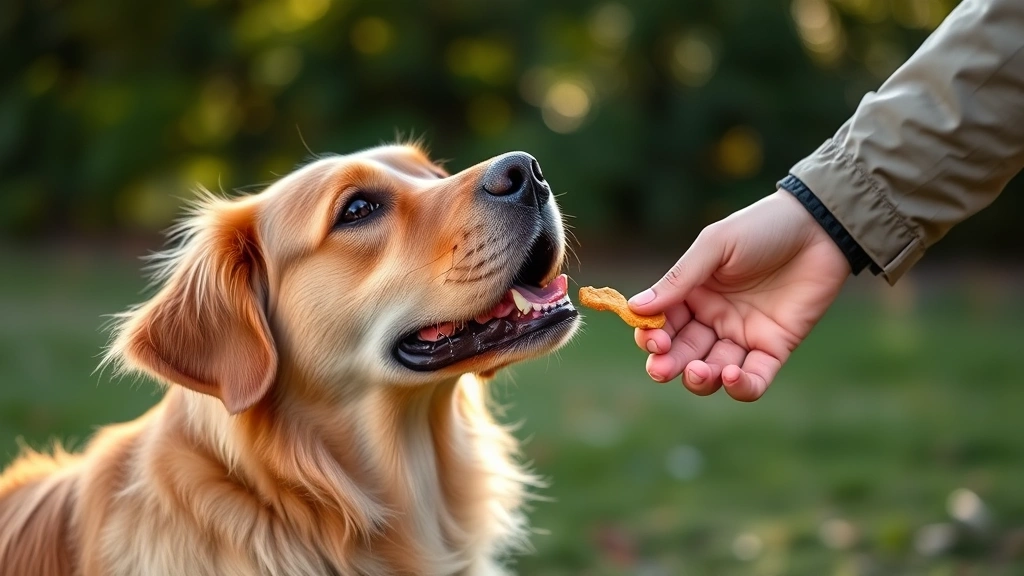
Feeding during training sessions is one of those things that sounds simple until you actually try it—then suddenly you’re wondering if your dog’s going to puke on your carpet or if those treats are sabotaging your progress. The truth is, timing, portion control, and choosing the right snacks can make or break your training game.
Table of Contents
- Why Timing Matters for Training Treats
- Portion Control: The Golden Rule
- Choosing the Right Training Treats
- The Pre-Training Feeding Schedule
- Hydration: The Forgotten Training Essential
- Adjusting Meals Based on Training Intensity
- Common Feeding Mistakes During Training
- Special Considerations for Different Dog Sizes
- Monitoring Your Dog’s Response
- The Science Behind Food Motivation
- Frequently Asked Questions
- Final Thoughts: Making It Work for Your Dog
Why Timing Matters for Training Treats
Here’s the thing: your pup’s digestive system doesn’t care about your training schedule. When you’re feeding during training sessions, you’re basically asking your dog to work on a stomach that’s either too full or too empty. Feed them a massive meal right before training? They’ll be sluggish and uncomfortable. Train them when they’re starving? They’ll be distracted by hunger instead of focused on your commands.
The sweet spot is feeding your dog a light meal about 2-3 hours before training. This gives them enough energy without the bloated feeling. During the actual session, you’re using small training treats—not full meals. Think of it as appetizers, not dinner.
Portion Control: The Golden Rule
Most dog owners make the same mistake: they go overboard with treat portions during training. Your training treats should account for no more than 10% of your dog’s daily caloric intake. If your dog needs 1,000 calories a day (check our guide on caloric needs for dogs), that means only 100 calories should come from training treats.
This is where a lot of people mess up their dog feeding routine. They’re so excited about training progress that they don’t subtract the training treat calories from the regular meals. Your dog ends up gaining weight, becoming less motivated (because they’re already full), and developing digestive issues.
Pro tip: use a small kitchen scale. Seriously. Weigh your training treats. Most people are shocked to discover they’re giving way more than they think.
Choosing the Right Training Treats
Not all treats are created equal when it comes to training sessions. You want something that:
- Is small enough to eat quickly (no 5-minute chewing sessions)
- Has a strong smell dogs love
- Won’t upset their stomach
- Isn’t too high in fat or protein
Freeze-dried meat treats, small pieces of cooked chicken, or low-calorie commercial training treats work great. Avoid anything greasy, sugary, or with artificial ingredients. Your dog’s motivation shouldn’t come at the cost of their health.
Some trainers swear by using your dog’s regular kibble as training treats—it’s low-calorie and keeps them from getting bored with their meals. It’s actually genius if your dog is food-motivated enough to care.
The Pre-Training Feeding Schedule
Let’s talk strategy. If you’re planning serious training sessions, you need a structured approach to feeding. Most professionals recommend establishing a timed feeding for pets schedule that aligns with your training goals.
Here’s a sample schedule:
- Morning: Regular breakfast 2-3 hours before training
- Training time: Small treats during session (max 10% of daily calories)
- Post-training: Wait 30 minutes before offering water; wait 1-2 hours before regular meal
- Evening: Regular dinner at your set time
The waiting period after training is important. Your dog’s adrenaline is pumping, and feeding them immediately can cause digestive upset. Let them cool down, get some water, and chill out before their next meal.
Hydration: The Forgotten Training Essential
While we’re talking about feeding during training sessions, let’s not forget water. Your dog needs constant access to fresh water, especially during training. Training sessions increase their body temperature and metabolism, which means they need to drink more.
Don’t let them gulp massive amounts right before training (bloat risk), but definitely have water available during and after. A good rule: offer water every 10-15 minutes during longer sessions, but in small amounts.
Adjusting Meals Based on Training Intensity
Not all training days are the same. A 15-minute obedience session burns way fewer calories than an hour-long agility workout. You need to adjust your measuring pet food portions accordingly.
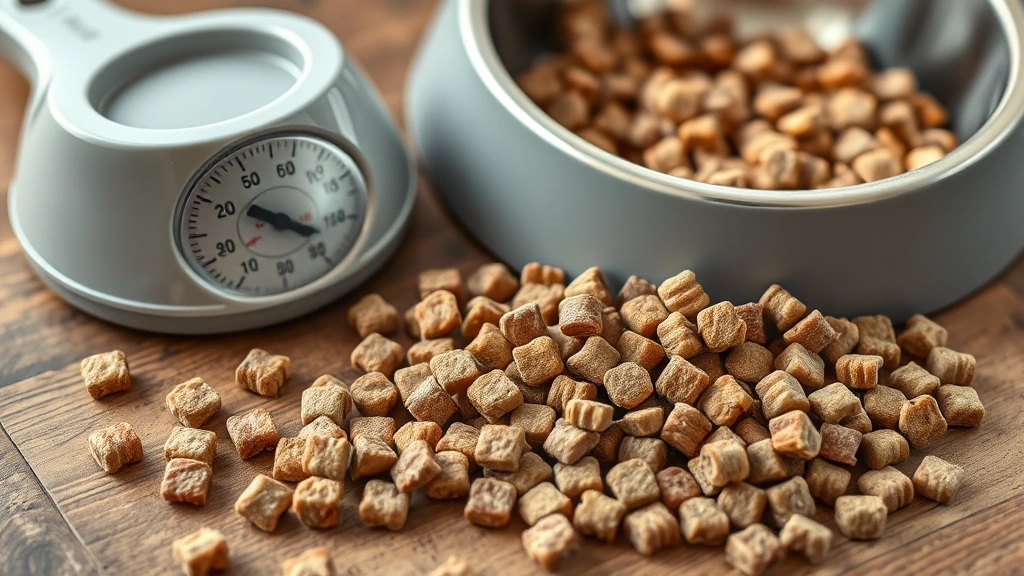
On heavy training days, you might increase treat portions slightly (still within that 10% rule) and reduce their regular meal size. On light training days, keep everything consistent. Track what you’re doing so you can see what works for your dog’s energy levels and weight.
Some trainers use a simple system: light training = regular portions, moderate training = add 10% to treats and reduce dinner, heavy training = add 15-20% to treats and reduce dinner by the same amount.
Common Feeding Mistakes During Training
Let me tell you about the mistakes I see constantly:
Mistake #1: Using human food. That piece of cheese or hot dog might seem harmless, but it’s often high in sodium and fat. Stick to dog-appropriate treats.
Mistake #2: Inconsistent feeding times. Dogs thrive on routine. If you’re feeding them at random times, their digestion and training motivation suffer.
Mistake #3: Not accounting for treats in daily calories. This is the #1 reason dogs get chubby during training. The math doesn’t lie.
Mistake #4: Training on a completely empty stomach. Your dog needs some fuel. A completely empty stomach leads to poor focus and potential hypoglycemia in small breeds.
Mistake #5: Feeding immediately after intense exercise. Wait at least 30 minutes to avoid bloat and digestive issues.
Special Considerations for Different Dog Sizes
Feeding during training sessions looks different for a Chihuahua versus a Great Dane. Small breeds have faster metabolisms and smaller stomachs, so they need more frequent small treats. Large breeds need to be extra careful about bloat, so longer wait times between feeding and training are crucial.
Puppies are a whole different beast—they need more calories overall because they’re growing, but their stomachs are tiny. Train puppies before meals when possible, use their regular kibble as treats, and keep sessions short (5-10 minutes max).
Senior dogs often have sensitive stomachs, so softer treats and consistent feeding schedules become even more important. Check with your vet if your older dog has any digestive issues.
Monitoring Your Dog’s Response
The best feeding schedule is one that works for YOUR dog. Every dog is different. Some are motivated by food, some by toys, some by praise. Pay attention to:
- Energy levels during training
- Weight changes (weigh monthly)
- Coat quality
- Stool consistency
- Overall enthusiasm for training
If your dog seems sluggish, they might need more pre-training fuel. If they’re gaining weight, you’re probably overfeeding. If their stool is loose, the treats might not agree with them. Adjust accordingly.
The Science Behind Food Motivation
Dogs are motivated by food because it’s literally survival instinct. When you’re feeding during training sessions, you’re tapping into their most basic drive. This is why food-based training works so well—it’s not bribery, it’s biology.
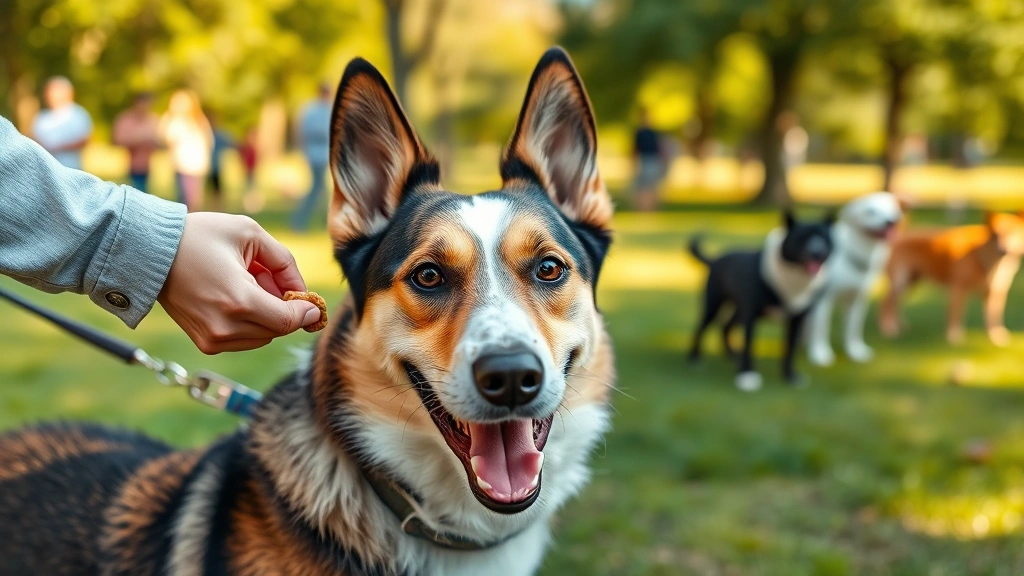
However, this also means you need to be strategic. If your dog has unlimited access to food, they won’t care about training treats. This is why scheduled feeding (rather than free-feeding) works better for training-focused dogs. It keeps them motivated and gives structure to your whole routine.
According to the American Kennel Club, proper nutrition and timing are foundational to successful training outcomes.
Frequently Asked Questions
Can I feed my dog right before a training session?
Not a full meal. Feed them 2-3 hours before training. During the session itself, use only small treats that account for about 10% of their daily calories. A full stomach makes dogs sluggish and uncomfortable.
What’s the best treat size for training?
Pea-sized to dime-sized, depending on your dog’s size. You want something they can swallow quickly without chewing. The goal is rapid reward delivery, not a snack break.
Should I reduce regular meals on training days?
Yes, absolutely. If you’re giving training treats, subtract those calories from regular meals. Otherwise, you’re overfeeding and defeating the purpose of training motivation.
How long should I wait after training to feed my dog?
At least 30 minutes for light training, up to 1-2 hours for intense exercise. This prevents bloat and allows their heart rate to normalize before digestion kicks in.
Can I use my dog’s regular kibble as training treats?
Absolutely. It’s low-calorie, convenient, and keeps them interested in their meals. Many professional trainers do this with great success.
What if my dog isn’t food-motivated?
Some dogs prefer toys or praise. That’s totally fine. You can still use feeding during training sessions for other dogs in your household or rotate between different motivation types for the same dog.
Is it okay to skip meals on heavy training days?
No, skip that idea entirely. Reduce meal portions slightly instead, but don’t eliminate meals. Your dog needs consistent nutrition regardless of training intensity.
How do I know if I’m overfeeding training treats?
Weigh your dog monthly. If they’re gaining weight, reduce treat portions. Check their ribs—you should feel them easily without pressing hard. Adjust your pet food transition schedule if needed.
Final Thoughts: Making It Work for Your Dog
Feeding during training sessions isn’t rocket science, but it does require attention and consistency. The five proven tips—timing meals properly, controlling portions, choosing appropriate treats, following a schedule, and monitoring results—work together to create a training environment where your dog stays motivated, healthy, and happy.
Start by calculating your dog’s daily caloric needs, set up a feeding schedule that aligns with your training times, and commit to tracking what you’re doing. Within a few weeks, you’ll see improvements in training focus, weight stability, and overall health.
Remember: the goal isn’t just better training results. It’s a healthier, happier dog that’s properly fueled for success. That’s worth the effort.
For more information on establishing healthy feeding practices, check out PetMD’s dog nutrition guide and consult with your veterinarian about your specific dog’s needs.





