
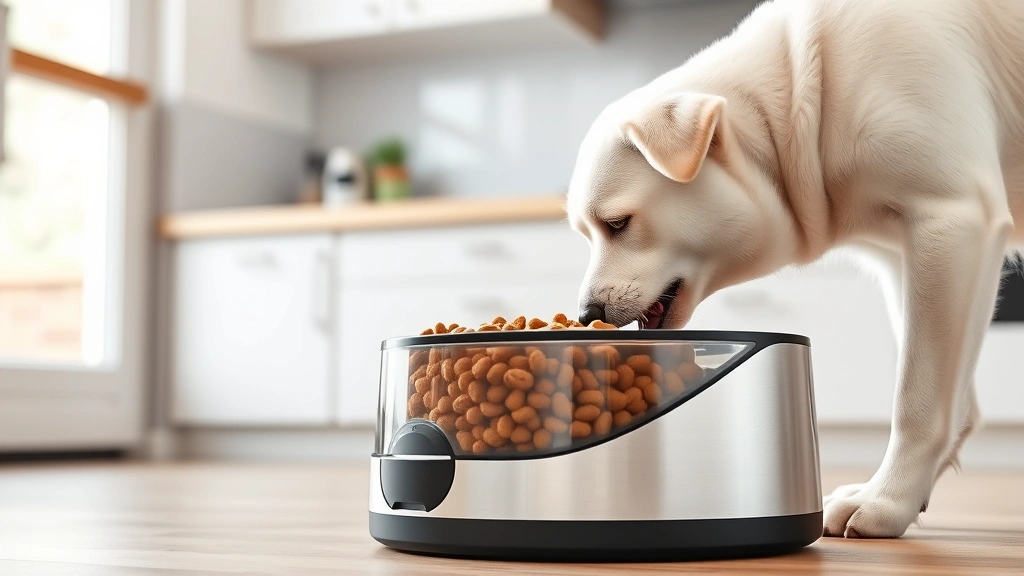
Remote feeding monitoring has revolutionized how pet owners care for their furry friends, especially when life gets chaotic or you’re away from home. Gone are the days of wondering if Fluffy actually ate that breakfast you left out, or if your dog is stress-eating the entire pantry while you’re at work. With smart feeding technology, you can now watch your pet’s eating habits in real-time, get alerts when meals are missed, and even dispense food from your smartphone. It’s like having a tiny robot butler dedicated solely to your pet’s nutrition.
Table of Contents
- Why Remote Feeding Monitoring Matters for Modern Pet Parents
- How Smart Pet Feeders Track Your Pet’s Eating Habits
- The Top 5 Remote Feeding Monitoring Systems Available Today
- Understanding Pet Feeding Portion Control Through Data
- Remote Feeding Monitoring for Pets with Special Dietary Needs
- Multi-Pet Households: Managing Different Feeding Schedules
- Integration with Broader Pet Health Monitoring
- Cost Considerations and ROI for Smart Feeders
- Setting Up Your Remote Feeding Monitoring System
- Common Mistakes People Make with Smart Feeders
- The Future of Pet Nutrition Technology
- Frequently Asked Questions
- Summary: Making Remote Feeding Monitoring Work for You
Why Remote Feeding Monitoring Matters for Modern Pet Parents
Let’s be real—pet ownership in 2024 is a juggling act. Between work, errands, and the occasional Netflix binge, keeping tabs on whether your pet is eating properly can feel impossible. Remote feeding monitoring systems solve this problem by giving you peace of mind and actionable data about your pet’s diet. Whether you have a picky eater, a pet with medical dietary needs, or you’re just paranoid (no judgment here), these systems provide transparency into your pet’s nutrition. Plus, understanding proper pet meal frequency becomes way easier when you have concrete data showing exactly when and how much your pet is eating.
How Smart Pet Feeders Track Your Pet’s Eating Habits
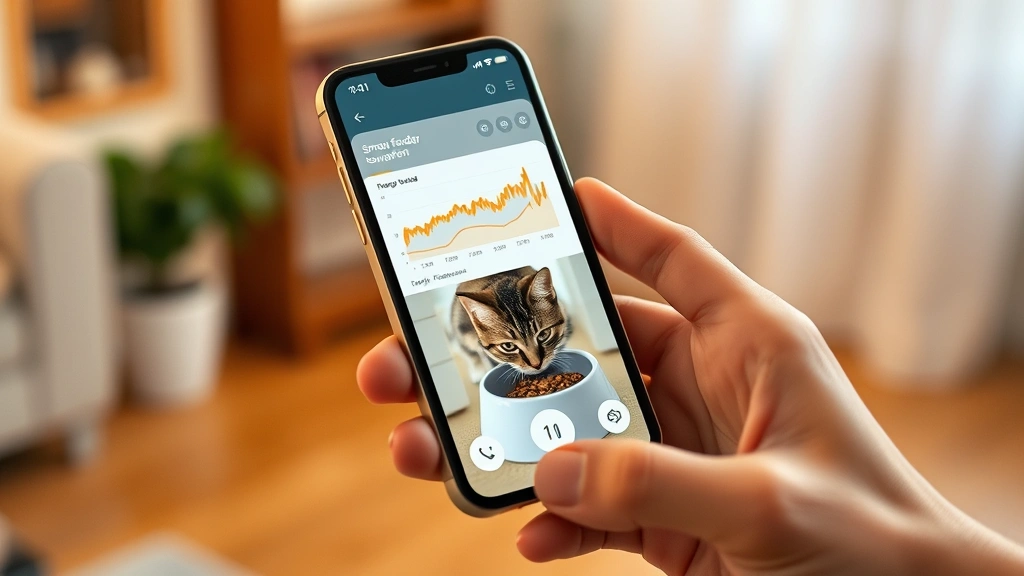
Modern remote feeding monitoring technology uses a combination of weight sensors, cameras, and app connectivity to give you the full picture. When your pet approaches the feeder, built-in cameras activate and stream live video to your phone. Weight sensors track how much food is being consumed, and the system logs everything into a detailed eating history. Some advanced models even use AI to recognize your specific pet and distinguish between multiple animals eating from the same feeder. It’s basically a nutritionist for your pet, minus the awkward conversations about portion control.
The Top 5 Remote Feeding Monitoring Systems Available Today
Here are the best systems currently dominating the smart pet feeder market:
1. Enabot Vet Smart Feeder – This system combines automatic dispensing with HD video monitoring and two-way audio. You can watch your pet eat, talk to them (yes, really), and set customized feeding schedules. The app provides detailed eating reports, and it works with multiple pets simultaneously.
2. PetSafe 5-Meal Automatic Feeder – Perfect for those who want simplicity without sacrificing functionality. This feeder holds five meals and can be controlled remotely, making it ideal for multiple pet feeding solutions. The rotating carousel ensures freshness, and portion control is precise.
3. Cheerble Board Game Feeder Pro – This interactive option combines monitoring with mental stimulation. While your pet eats, they’re also solving a puzzle, which is basically the equivalent of a gym membership for their brain. Remote monitoring lets you watch the action unfold.
4. Cat Mate C500 Automatic Feeder – Specifically designed for cats (though small dogs work too), this feeder offers timed portions and remote monitoring capabilities. It’s particularly useful if you’re dealing with a cat who thinks 3 AM is an appropriate time for breakfast.
5. Petronics Boltz Smart Feeder – This premium option features a sleek design, app-based portion control, and activity tracking. It monitors not just eating habits but also your pet’s overall activity levels, giving you a holistic view of their health.
Understanding Pet Feeding Portion Control Through Data
One of the biggest advantages of remote feeding monitoring is the ability to track exact portions. The proper way to measure pet food becomes crystal clear when your smart feeder logs every gram dispensed. This is especially important for pets with weight management issues or specific dietary requirements. You’ll get detailed reports showing trends over time, helping you identify if your pet is gradually eating more or less—early warning signs of potential health issues. According to the American Kennel Club’s nutrition guidelines, proper portion tracking is essential for preventing obesity in dogs.
Remote Feeding Monitoring for Pets with Special Dietary Needs
Pets with diabetes, kidney disease, or food allergies require precise feeding schedules and portion sizes. Remote monitoring systems make managing these conditions significantly easier. You can set exact meal times, track consumption patterns, and share data with your veterinarian. Some systems even send alerts if your pet skips meals, which could indicate a health problem. This level of oversight is invaluable for pets whose lives depend on dietary management.
Multi-Pet Households: Managing Different Feeding Schedules
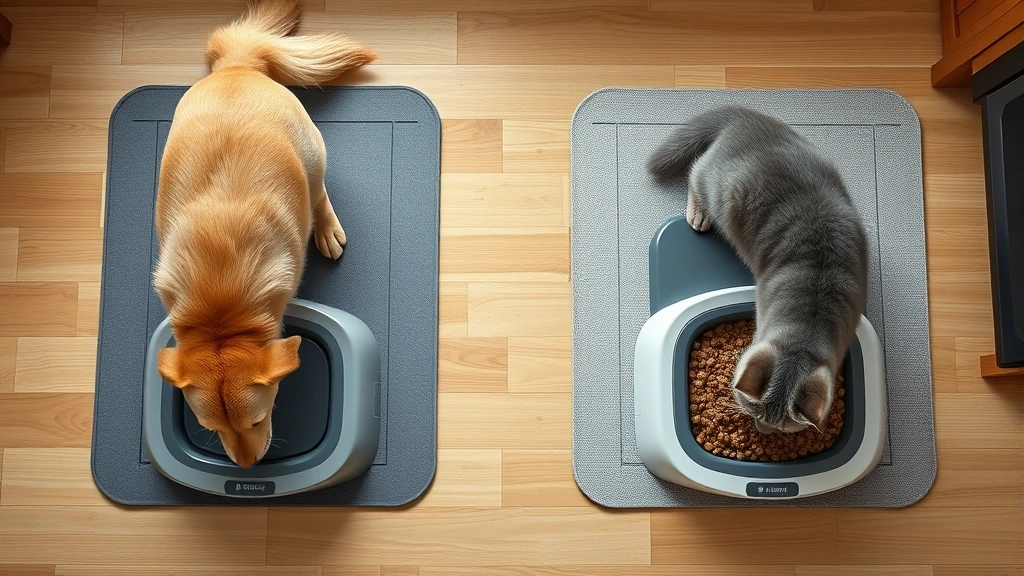
If you have multiple pets with different dietary needs, remote feeding monitoring becomes a game-changer. You can set individualized schedules, track which pet ate what, and ensure that the food-stealing dog doesn’t demolish the cat’s prescription diet. Many modern systems use pet recognition technology to identify which animal is eating, eliminating the guesswork. This is far superior to traditional gravity feeders for pets, which offer zero control over who eats what.
Integration with Broader Pet Health Monitoring
The best remote feeding monitoring systems don’t exist in isolation—they integrate with other pet health tracking tools. Some connect with activity monitors, weight scales, and health apps to give you a complete picture of your pet’s wellness. This comprehensive approach helps you spot potential health issues early. According to PetMD’s pet nutrition guide, monitoring eating patterns is one of the earliest indicators of illness in pets.
Cost Considerations and ROI for Smart Feeders
Yes, remote feeding monitoring systems cost more than a regular bowl, but consider the return on investment. Preventing obesity-related health issues, catching illness early, and avoiding emergency vet visits for dietary problems easily justifies the expense. Most systems range from $100 to $400, which is roughly what you’d spend on a single emergency vet visit. Plus, the peace of mind? Priceless. For weight management feeding specifically, these systems can save thousands in long-term health complications.
Setting Up Your Remote Feeding Monitoring System
Installation is typically straightforward—most systems require minimal setup. You’ll download the app, connect to your home WiFi, calibrate the feeder, and start monitoring. Some advanced models might require a bit more configuration, but nothing that would stump the average tech-savvy pet owner. Customer support is usually responsive, and most companies provide comprehensive setup guides. The learning curve is minimal, and you’ll be monitoring your pet’s eating habits within minutes.
Common Mistakes People Make with Smart Feeders
Don’t set it and forget it. Regularly check your app for eating pattern changes—sudden drops in appetite or unusual consumption spikes warrant veterinary attention. Also, ensure you’re checking for other health symptoms alongside feeding data. Clean your feeder regularly to prevent bacterial growth, and don’t rely solely on the system for portion control—always consult your vet about appropriate amounts for your specific pet. Finally, make sure all family members understand how to use the system to avoid feeding your pet twice.
The Future of Pet Nutrition Technology
Remote feeding monitoring is just the beginning. Emerging technologies include AI-powered nutritional analysis, automatic diet adjustments based on activity levels, and integration with veterinary clinics for real-time health monitoring. Some researchers are developing feeders that can adjust portions based on your pet’s weight and metabolic needs. The future of pet care is becoming increasingly data-driven, and that’s genuinely exciting for pet health outcomes.
Frequently Asked Questions
Can remote feeding monitoring systems work with multiple pets?
Absolutely! Most modern systems support multiple pets and use pet recognition technology to track individual eating habits. You can set different feeding schedules, portion sizes, and dietary restrictions for each pet, making it ideal for households with dogs, cats, or both.
What happens if my WiFi goes down?
Most smart feeders have backup battery power and local storage for feeding data. While you won’t be able to monitor remotely, the feeder will continue operating on its programmed schedule. Data syncs back to the app once your WiFi reconnects.
Are remote feeding monitors good for weight loss programs?
Yes! They’re excellent for weight management. Precise portion tracking, meal timing, and activity monitoring help you create a sustainable weight loss plan. You can share detailed reports with your vet to adjust the program based on results.
Do I need a smartphone to use these systems?
Most remote feeding monitoring systems require a smartphone app for full functionality, but some models have basic local controls. If you want the remote monitoring features, you’ll need a compatible smartphone and WiFi connection.
How often should I clean a smart feeder?
Clean your smart feeder at least once weekly, or more frequently if you notice food residue. Remove the bowl, wash it thoroughly, and wipe down the feeder’s interior. This prevents bacterial growth and keeps the sensors functioning properly.
Can these systems detect health problems?
While they can’t diagnose illness, they can flag potential issues through eating pattern changes. A sudden drop in appetite or unusual consumption spikes warrant veterinary attention, making these systems valuable early warning systems for health problems.
Summary: Making Remote Feeding Monitoring Work for You
Remote feeding monitoring has transformed pet care from guesswork into data-driven decision-making. Whether you’re managing multiple pets, dealing with dietary restrictions, or simply want to know your pet is eating properly while you work, these systems deliver real value. The combination of real-time monitoring, portion tracking, and activity data gives you unprecedented insight into your pet’s nutrition and overall health. Start with a system that matches your needs and budget, and you’ll quickly wonder how you ever managed without it. Your pet’s health—and your peace of mind—will thank you.





