
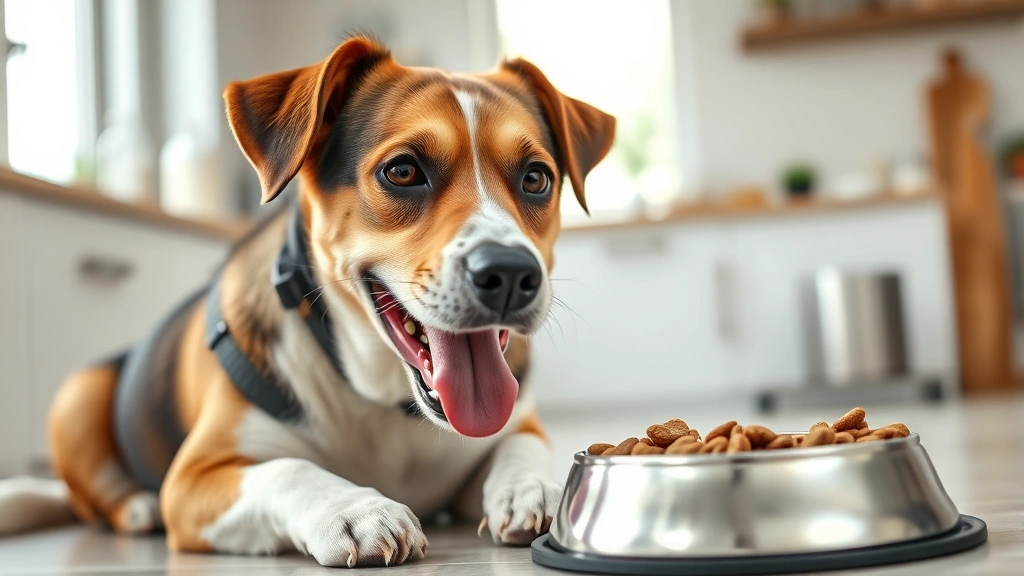
Veterinary recommended feeding times are one of the most underrated aspects of pet care, yet they’re absolutely crucial for keeping your furry friend healthy, happy, and at a weight that won’t require them to waddle through life like a tiny furball with commitment issues.
Table of Contents
- Why Veterinary Recommended Feeding Times Matter So Much
- The Puppy Feeding Schedule: Getting Them Started Right
- Adult Dogs: The Sweet Spot for Feeding Frequency
- Senior Dogs and Special Feeding Considerations
- Free Feeding vs. Scheduled Feeding: What Vets Actually Recommend
- Timing Meals Around Exercise and Activity
- How to Handle Picky Eaters and Feeding Challenges
- Seasonal and Life-Stage Adjustments to Feeding Times
- Understanding Your Dog’s Digestive Timeline
- Common Mistakes Pet Owners Make With Feeding Times
- Consulting With Your Veterinarian About Your Specific Dog
- Making the Transition to a New Feeding Schedule
- Frequently Asked Questions
- Conclusion: Making Veterinary Recommended Feeding Times Work for Your Dog
Let’s be real: feeding your dog isn’t rocket science, but doing it RIGHT? That’s where the magic happens. Whether you’ve got a hyperactive puppy bouncing off your walls or a senior dog who moves like they’re walking through peanut butter, understanding the best feeding schedule can transform your pet’s entire life. In this guide, we’ll break down everything vets want you to know about feeding times, because apparently, timing really IS everything.
Why Veterinary Recommended Feeding Times Matter So Much
Your vet isn’t just making up feeding schedules to keep you busy. There’s actual science behind it. When you establish consistent pet meal frequency, you’re essentially creating a digestive rhythm that your dog’s body learns to anticipate. It’s like setting an internal alarm clock that says, “Hey buddy, get ready to process some kibble!”
Dogs thrive on routine. Their stomachs, their metabolism, their bathroom habits—everything works better when meals arrive like clockwork. Plus, a scheduled feeding routine helps prevent bloating, regurgitation, and that lovely surprise of finding your dog’s dinner coming back up on your favorite rug. Nobody wants that party.
When you follow veterinary recommended feeding times, you’re also making it easier to monitor your dog’s health. You’ll notice changes in appetite faster, spot potential digestive issues early, and generally be a more observant pet parent. It’s basically the difference between guessing and actually knowing what’s going on with your pup.
The Puppy Feeding Schedule: Getting Them Started Right
Puppies are basically tiny furry chaos machines that need fuel constantly. Vets typically recommend feeding puppies three to four times daily until they’re about six months old. Why? Because their little stomachs can’t hold much, and their bodies are growing at ridiculous speeds. We’re talking about doubling or tripling in size in just a few months.
Most vets suggest spacing meals about four to six hours apart. So if you’re feeding at 7 AM, noon, 5 PM, and 9 PM, you’re hitting the sweet spot. This schedule prevents hypoglycemia (low blood sugar) in small breeds and keeps that growing body fueled without overloading the digestive system.
Around six months, you can transition to twice-daily feeding. Check out our guide on growth phase feeding schedule for more specific details about transitioning your pup. The key is doing it gradually—mixing the old schedule with the new one over about a week to avoid digestive upset.
Adult Dogs: The Sweet Spot for Feeding Frequency
Once your dog hits adulthood (typically around one year for most breeds, up to two years for giant breeds), most vets recommend settling into a twice-daily feeding routine. Morning and evening works great for most households, and it fits nicely with human schedules.
Feeding your adult dog at 7 AM and 6 PM gives their digestive system plenty of time to process food between meals. It also means you’re less likely to have a hangry dog destroying your furniture at 3 PM. Plus, the evening meal gives them fuel for the night, and the morning meal jumpstarts their metabolism.
The spacing matters too. Vets generally recommend 8-12 hours between meals for adults. This isn’t some random number—it’s based on how long it takes a dog’s digestive system to process food and prepare for the next meal. It’s the Goldilocks zone: not too soon, not too late, just right.
Senior Dogs and Special Feeding Considerations
As your dog enters their golden years, their nutritional needs and digestive capabilities change. Many vets recommend adjusting the feeding schedule for senior dogs, and sometimes even increasing meal frequency. Sounds backwards, right? Here’s the thing: older dogs often have slower metabolisms and may experience digestive sensitivity.
Some vets suggest three smaller meals daily for seniors instead of two larger ones. This approach is gentler on the digestive system and helps maintain steadier energy levels throughout the day. Check out our article on senior dog feeding routine for comprehensive guidance on feeding your aging companion.
Senior dogs also benefit from meals timed around their activity levels. Feeding before walks helps prevent bloat, and spacing meals further apart can help with overnight bathroom management. It’s all about working WITH your dog’s changing body, not against it.
Free Feeding vs. Scheduled Feeding: What Vets Actually Recommend
Here’s where things get spicy. Some pet owners leave food out all day (free feeding), while others follow strict schedules. Vets almost universally prefer scheduled feeding, and they have solid reasons.
With free feeding vs scheduled feeding, the scheduled approach wins on nearly every metric. You can monitor how much your dog actually eats, spot appetite changes immediately, prevent overeating and obesity, and maintain better control over bathroom schedules. Plus, scheduled feeding helps with training and behavior management.
Free feeding works for maybe 5% of dogs—those magical unicorns with perfect self-control who eat only what they need. For the other 95%? It’s a one-way ticket to chubby pup city. And we’re not talking cute chubby; we’re talking joint problems, diabetes, and a shorter lifespan.

Timing Meals Around Exercise and Activity
Here’s a pro tip that separates the casual dog owners from the vet-approved pros: timing meals around exercise matters. You shouldn’t feed your dog right before intense activity (risk of bloat), and you shouldn’t exercise them immediately after eating either.
The general rule? Wait at least 30 minutes to an hour after eating before vigorous exercise. So if your pup eats at 7 AM, hold off on that intense play session until 8 or 9 AM. Similarly, if you’re planning a big walk or play session, feed them after, not before.
This timing prevents gastric dilatation-volvulus (bloat), a serious and potentially fatal condition where the stomach twists. It’s especially important for deep-chested breeds like German Shepherds, Great Danes, and Boxers, but it’s good practice for all dogs.
How to Handle Picky Eaters and Feeding Challenges
Some dogs treat meal time like it’s a negotiation. They sniff their food, walk away, come back later, and generally act like you’ve personally insulted their ancestors. If you’ve got a finicky eater, veterinary recommended feeding times become even MORE important.
For details on managing these little food critics, check out our resource on finicky eater schedules. The basic strategy is: put food down for 15-20 minutes, then pick it up. No snacking between meals, no treats right before dinner, no negotiating. Your dog will eventually realize that when the bowl appears, it’s time to eat.
Vets recommend not making a big fuss about picky eating unless there’s an underlying health issue. Sometimes dogs just aren’t hungry, and that’s okay. But establishing a routine teaches them that meal time is meal time, not a suggestion.
Seasonal and Life-Stage Adjustments to Feeding Times
Your dog’s needs change with the seasons and life stages. During winter, some dogs need slightly more calories for temperature regulation. During summer, they might need less. Pregnant or nursing dogs need different schedules entirely. Working dogs and competition dogs have their own requirements.
The key is staying in touch with your vet about these transitions. They can help you adjust portion sizes and feeding times based on your individual dog’s needs, activity level, and health status. What works for your neighbor’s Labrador might not work for your Chihuahua, and that’s perfectly normal.
Understanding Your Dog’s Digestive Timeline
To really nail veterinary recommended feeding times, you need to understand how your dog’s digestive system actually works. Food takes about 4-8 hours to move through the stomach and small intestine, and another 12-24 hours for the entire digestive process.
This is why spacing meals properly matters. It gives your dog’s digestive system time to fully process one meal before the next one arrives. It’s also why you can predict bathroom schedules pretty accurately—usually 30 minutes to an hour after eating.
Understanding this timeline helps you make better decisions about feeding times relative to walks, playtime, and sleep. It’s not magic; it’s just biology.
Common Mistakes Pet Owners Make With Feeding Times
People mess up feeding schedules in surprisingly consistent ways. They feed too frequently, feed at random times, change meal times constantly, or feed too close to exercise. They also sometimes get confused about portion sizes and think “feeding on schedule” means unlimited food.
Another common mistake? Treating meal time like it’s optional. If you decide to feed at 7 AM and 6 PM, then 7 AM and 6 PM it should be. Dogs thrive on consistency, and changing things up regularly messes with their digestive and behavioral routines.
Consulting With Your Veterinarian About Your Specific Dog
Here’s the reality: while general guidelines exist, your specific dog might need something different. Some breeds have unique requirements. Some dogs have health conditions that require modified schedules. Some are prone to certain digestive issues. This is why talking to your vet is non-negotiable.
Your vet can assess your individual dog’s age, weight, activity level, health status, and metabolism to recommend the exact feeding schedule that works best. They might suggest something different from standard recommendations, and that’s fine—it’s actually ideal because it’s tailored to YOUR dog.
For information about caloric requirements and how much to feed, check out our guide on caloric needs for dogs. This pairs perfectly with establishing the right feeding times.

Making the Transition to a New Feeding Schedule
If you’re switching from one feeding schedule to another, do it gradually. Don’t just suddenly change from three meals to two meals daily. Transition over about a week, gradually shifting meal times or reducing frequency.
Watch for digestive upset during transitions. If your dog gets diarrhea or vomiting, slow down the transition. If they handle it fine, you’re golden. Most dogs adapt within a week or two, but some need more time.
Frequently Asked Questions
What time should I feed my dog?
Most vets recommend feeding adult dogs at consistent times, typically 8-12 hours apart. Common schedules are 7 AM and 6 PM, or 8 AM and 5 PM. The exact times matter less than consistency. Puppies need three to four meals daily, while seniors might benefit from three smaller meals.
Can I feed my dog at different times each day?
Not ideally. Dogs thrive on routine, and changing feeding times regularly can mess with their digestion and bathroom schedules. Pick times that work for your household and stick with them. Your dog’s body will adjust to the rhythm.
How long should I leave food out?
Vets typically recommend leaving food out for 15-20 minutes, then removing it. This prevents overeating, maintains portion control, and teaches your dog that meal time has a beginning and an end. It also helps with housetraining because you’ll know when they ate.
Is it okay to feed my dog once a day?
Generally, no. Most vets recommend twice-daily feeding for adult dogs. Once-daily feeding can lead to bloat, digestive issues, and behavioral problems. The only exception might be for certain senior dogs or those with specific health conditions, but even then, twice daily is usually better.
Should I feed my dog before or after exercise?
After, and with a wait time. Feed your dog at least 30-60 minutes AFTER exercise, not before. Feeding right before intense activity increases bloat risk. Feeding right after exercise is fine once they’ve cooled down.
What if my dog won’t eat at the scheduled time?
That’s actually fine. Put the food down, wait 15-20 minutes, then remove it. Don’t leave it out all day and don’t offer snacks between meals. Your dog will eventually eat when hungry. If they’re refusing food for more than a day, contact your vet—that could indicate a health issue.
Do different breeds need different feeding schedules?
Somewhat. Large and giant breed puppies need careful feeding schedules to prevent growth-related problems. Small breeds sometimes need more frequent meals. But the basic principle of scheduled feeding applies to all breeds. Your vet can recommend breed-specific adjustments.
Conclusion: Making Veterinary Recommended Feeding Times Work for Your Dog
Veterinary recommended feeding times aren’t complicated, but they ARE important. The basic principle is simple: establish a consistent schedule that works for your household, stick to it, and adjust as your dog ages and their needs change.
Most adult dogs thrive on twice-daily feeding spaced 8-12 hours apart. Puppies need more frequent meals, and seniors might benefit from three smaller meals. The exact times matter less than consistency—your dog’s body will adapt to whatever schedule you establish and maintain.
The benefits of following veterinary recommendations are real: better digestion, easier housetraining, better weight management, improved behavior, and the ability to spot health issues faster. Plus, your dog gets the comfort of knowing exactly when to expect their next meal. It’s a win-win.
Talk to your vet about what works best for YOUR dog specifically. They know your pup’s health history, breed, age, and activity level. They can give you personalized recommendations that go beyond general guidelines. And if something isn’t working, they can help you troubleshoot and adjust.
Your dog depends on you to make good decisions about their care, and establishing proper feeding times is one of the easiest and most impactful decisions you can make. So pick your times, set a reminder if you need to, and commit to consistency. Your dog will thank you with better health, more energy, and fewer digestive surprises on your carpet.





