

Understanding prescription feeding frequency is one of those veterinary topics that sounds boring until your vet hands you a bag of specialized food and suddenly you’re wondering if you’re supposed to feed Fluffy three times a day or five. Here’s the truth: prescription feeding frequency isn’t one-size-fits-all, and getting it wrong could mean your pet doesn’t get the full benefits of their expensive, vet-approved diet.
Table of Contents
- What Exactly Is Prescription Feeding Frequency?
- Why Your Vet Cares About Feeding Schedule
- Common Prescription Feeding Frequency Patterns
- Pancreatitis and Feeding Frequency: A Special Case
- Post-Surgery and Recovery Feeding Schedules
- Transitioning to a New Prescription Diet
- How to Track and Document Your Pet’s Feeding
- Medication Interactions and Feeding Timing
- Senior Pets and Prescription Feeding Frequency
- When to Adjust Prescription Feeding Frequency
- Frequently Asked Questions
- Summary: Getting Prescription Feeding Frequency Right
As a vet tech who’s watched countless pet parents struggle with feeding schedules, I’m here to break down exactly what you need to know about prescription feeding frequency, why it matters, and how to nail it every single time.
What Exactly Is Prescription Feeding Frequency?
Prescription feeding frequency refers to how many times per day your pet should eat their therapeutic or prescription diet food. Unlike regular kibble where you might just dump a scoop in a bowl twice daily and call it a day, prescription diets are formulated for specific health conditions—think kidney disease, pancreatitis, digestive issues, or urinary problems.
Your vet doesn’t just hand you a bag of prescription diet feeding and hope for the best. They’re giving you a medication in food form, and like any medication, timing and frequency matter. A lot.
The frequency isn’t random either. It’s based on your pet’s specific condition, metabolism, digestive capacity, and the formulation of the food itself. Some prescription diets work better with multiple small meals, while others are designed for once or twice daily feeding.
Why Your Vet Cares About Feeding Schedule
Here’s what most pet parents don’t realize: the therapeutic benefit of prescription food depends heavily on consistent, properly-timed feeding. If your vet says feed three times daily and you’re doing it twice, you’re potentially reducing the food’s effectiveness by up to 40 percent.
For conditions like pancreatitis, multiple small meals actually help prevent pancreatic inflammation flare-ups. For kidney disease, frequent smaller portions help maintain steady nutrient levels in the bloodstream. For digestive issues, spacing meals out prevents overwhelming the gut.
Your vet’s feeding recommendations are basically a dosage schedule. Skip the timing, and you’re essentially underdosing your pet’s treatment.
Common Prescription Feeding Frequency Patterns
Most prescription diets fall into three main feeding patterns. Understanding which category your pet’s food falls into helps you understand the “why” behind the schedule.
Twice Daily (The Standard): Many prescription diets—particularly those for weight management, joint support, and some kidney formulas—work great on a twice-daily schedule. This is the most convenient for working pet parents, and it’s often recommended for adult dogs and cats with stable conditions.
Three Times Daily (The Digestive Hero): If your pet has a sensitive stomach or sensitive stomach feeding schedule concerns, three times daily is common. Smaller, more frequent meals are gentler on compromised digestive systems and help maintain stable blood sugar.
Once Daily (The Rare Exception): Some senior pets or those with specific metabolic conditions might be on once-daily feeding, though this is less common for prescription diets. It’s usually reserved for pets whose conditions specifically benefit from longer fasting periods.
Pancreatitis and Feeding Frequency: A Special Case
Pancreatitis deserves its own section because it’s one of the most common reasons vets prescribe specialized feeding schedules. Pets with pancreatitis feeding schedule requirements often need multiple small meals to keep pancreatic stimulation minimal.
For acute pancreatitis, your vet might recommend four to six small meals daily. For chronic pancreatitis, three meals is typical. The logic is simple: each time food enters the stomach, it triggers pancreatic secretions. Smaller, more frequent meals mean each trigger is gentler.
Skipping meals or going too long between feedings can actually trigger pancreatitis flare-ups. This is one prescription feeding frequency situation where consistency is absolutely non-negotiable.
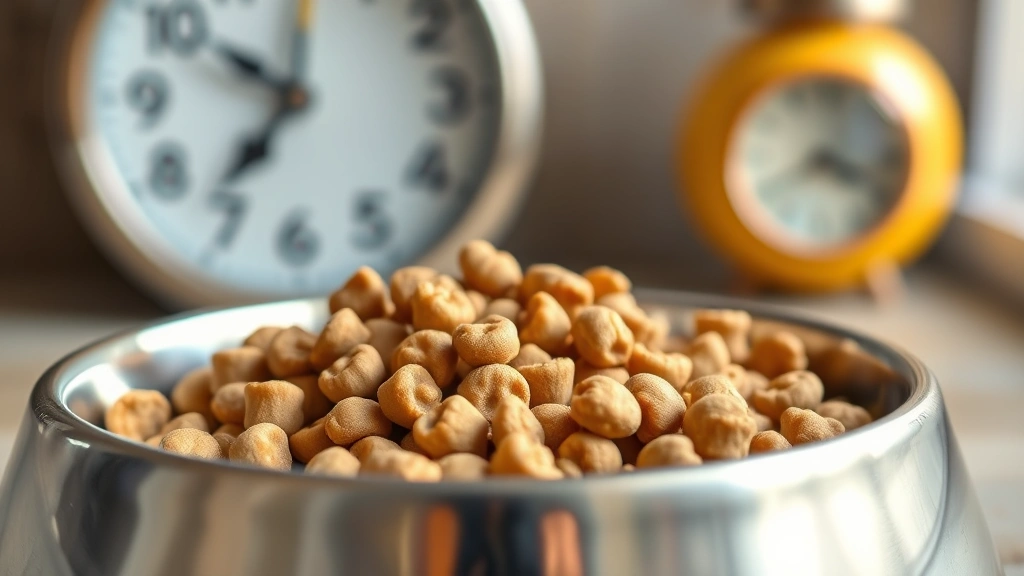
Post-Surgery and Recovery Feeding Schedules
After surgery, your pet’s feeding schedule becomes a crucial part of recovery. Many vets recommend a recovery feeding schedule that involves smaller, more frequent meals for the first week or two post-op.
Why? Because a recovering digestive system can’t handle large meals. Plus, frequent small meals help maintain energy levels during the healing process without overwhelming the gut. As your pet heals, you’ll gradually transition back to their normal prescription feeding frequency.
Don’t skip this step. I’ve seen too many pet parents try to rush back to normal feeding schedules and end up with vomiting, diarrhea, or worse complications.
Transitioning to a New Prescription Diet
Here’s where most people mess up: they get excited about starting the new prescription diet and forget about the transition period. Your vet probably mentioned it, but it’s worth emphasizing.
When you’re switching to a new prescription diet, you can’t just swap foods cold turkey. The transition itself affects your feeding frequency. Most vets recommend a 7-10 day gradual transition, often with adjusted feeding frequency during that period.
A typical transition looks like: Days 1-3 (25% new food, 75% old food, same feeding frequency), Days 4-6 (50% new, 50% old, possibly increased feeding frequency), Days 7-10 (75% new, 25% old, moving toward target frequency). By day 11, you’re at full prescription diet with the recommended feeding frequency.
How to Track and Document Your Pet’s Feeding
Seriously, get a notebook or use your phone’s notes app. Track what time you feed your pet, how much they eat, and any reactions. This data is gold for your vet.
When you go back for check-ups, bring this information. Your vet can see if your pet is actually thriving on the prescribed frequency or if adjustments are needed. Plus, if your pet has any issues, this documentation helps your vet troubleshoot faster.
Pro tip: Set phone reminders for each feeding time. Sounds simple, but it’s the easiest way to maintain consistent prescription feeding frequency, especially if you have multiple pets on different schedules.
Medication Interactions and Feeding Timing
If your pet is on medications in addition to prescription food, feeding frequency matters even more. Some medications need to be given with food, others on an empty stomach. Some need to be spaced hours apart from meals.
Your vet should clarify this when they prescribe both medication and prescription diet. If they don’t mention it, ask. Getting the timing right between medications and prescription feeding frequency ensures both work optimally.
Senior Pets and Prescription Feeding Frequency
Older pets often have different prescription feeding needs. A senior dog with kidney disease might do better on three smaller meals than two larger ones, even if younger dogs with the same condition do fine on twice daily.
Senior digestive systems are less efficient, so smaller, more frequent meals can actually improve nutrient absorption. Your vet might adjust the prescription feeding frequency specifically for age-related factors, and that’s perfectly normal.
When to Adjust Prescription Feeding Frequency
Your vet recommends a frequency based on your pet’s condition at that moment. But conditions change. Weight changes. Activity levels shift. New health issues pop up.
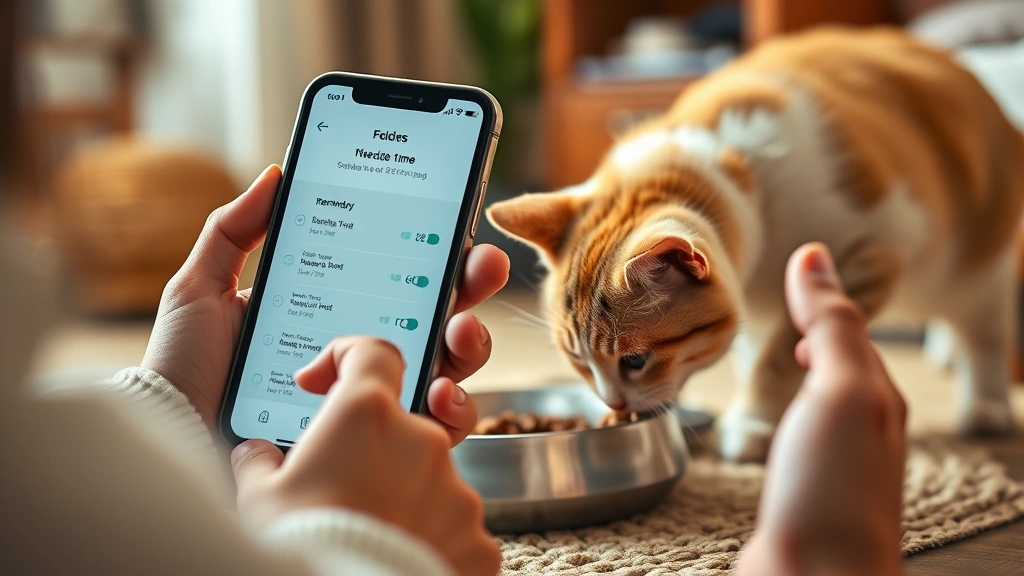
If you notice your pet isn’t doing well on the prescribed frequency—maybe they’re vomiting, having diarrhea, not gaining weight, or seeming lethargic—that’s your cue to contact your vet. They might adjust the frequency or portion sizes. Never make these changes without veterinary guidance, though. That prescription feeding frequency is there for a reason.
Frequently Asked Questions
Can I free-feed my pet’s prescription diet?
No. Free-feeding (leaving food out all day) defeats the purpose of prescription diets. The therapeutic benefit depends on controlled portions and specific feeding times. Free-feeding also makes it impossible to monitor how much your pet is actually eating, which is crucial for managing health conditions.
What if I miss a feeding time?
Don’t panic. Missing one feeding won’t derail your pet’s treatment. Just get back on schedule with the next meal. If you’re chronically missing feeding times because the schedule is too demanding, talk to your vet about adjusting the frequency to something more manageable. A feeding schedule you can actually stick to is better than a perfect schedule you can’t maintain.
Does prescription feeding frequency change with seasons?
Not typically, unless your pet’s activity level or health changes seasonally. Some pets are more active in summer and less active in winter, which might warrant a conversation with your vet, but the prescription feeding frequency itself usually stays consistent year-round.
Can multiple pets on different prescriptions eat together?
This is tricky. If they have different feeding frequencies, you’ll need to separate them during meals. The last thing you need is Pet A eating Pet B’s prescription food or vice versa. Separate feeding spaces, closed doors, or feeding them at different times are all valid solutions.
What’s the difference between prescription feeding frequency and portion size?
Frequency is how many times per day. Portion size is how much food per meal. Your vet gives you both recommendations, and they work together. You could have the right frequency but wrong portions, or vice versa, and your pet still wouldn’t get optimal results.
Is prescription feeding frequency the same for cats and dogs?
Not necessarily. Cats are obligate carnivores with different metabolic needs than dogs. A cat with kidney disease might do fine on twice daily, while a dog with the same condition needs three meals. Always follow species-specific recommendations from your vet.
Summary: Getting Prescription Feeding Frequency Right
Prescription feeding frequency isn’t complicated, but it does require attention and consistency. Your vet isn’t being overly detailed when they specify a feeding schedule—they’re giving you a critical component of your pet’s treatment plan.
Whether it’s twice daily for a stable condition, three times daily for digestive issues, or a customized schedule for post-recovery, the key is actually following through. Set reminders, keep records, and don’t hesitate to ask your vet questions if something seems off.
Your pet’s health depends on it, and honestly, once you get into the rhythm, it becomes second nature. Plus, you’ll see the results: better energy, improved digestion, better weight management, or whatever health goal the prescription diet was designed to address.
Need to get prescription refills online? Make sure you’re reordering in time to maintain consistent feeding. Consistency in both the diet and the feeding frequency is what makes prescription nutrition actually work.
For more information on prescription nutrition, check out resources from the American Kennel Club, PetMD’s veterinary guides, and your veterinary school’s nutrition resources for evidence-based feeding recommendations.





