

Getting species-appropriate feeding times right is honestly one of the most overlooked aspects of pet care, yet it’s absolutely foundational to your furry friend’s health and happiness. Whether you’ve got a dog, cat, rabbit, or something more exotic, when and how often you feed your pet matters just as much as what you feed them. Let’s dive into this because your pet’s digestive system is basically a finely-tuned machine, and feeding at the wrong times? That’s like trying to run software from 2005 on a 2024 computer.
Table of Contents
- Why Species-Appropriate Feeding Times Actually Matter
- Understanding Your Dog’s Natural Feeding Rhythm
- The Feline Feeding Schedule: Honoring the Hunter
- Puppies vs Adult Dogs: Timing Everything Right
- Senior Pets and Their Special Feeding Needs
- Breed-Specific Feeding Timing Considerations
- Timing Meals Around Medications and Health Conditions
- Environmental Factors That Affect Feeding Times
- Creating Your Pet’s Ideal Feeding Schedule
- Frequently Asked Questions
- Summary: Getting Species-Appropriate Feeding Times Right
Why Species-Appropriate Feeding Times Actually Matter
Your pet didn’t evolve eating three meals a day on a human schedule. Dogs are descendants of wolves who ate sporadically when they made kills. Cats are obligate carnivores who hunt multiple small prey throughout the day. Rabbits graze continuously in the wild. When we ignore these natural feeding patterns and force our pets into arbitrary schedules, we’re basically asking for digestive issues, obesity, and behavioral problems.
The science is clear: feeding at the right times supports better nutrient absorption, maintains stable blood sugar levels, and keeps your pet’s metabolism humming along smoothly. Plus, when you nail your feeding schedules for pets, you’ll notice improvements in energy levels, coat quality, and even temperament.
Understanding Your Dog’s Natural Feeding Rhythm
Dogs are opportunistic feeders, meaning they’ll eat whenever food is available, but that doesn’t mean we should leave kibble out 24/7. Most adult dogs thrive on one or two meals per day, spaced about 8-12 hours apart. Puppies? They’re little calorie-burning machines and need three to four meals daily because their stomachs are tiny and their metabolisms are bonkers.
Here’s the thing about pet meal frequency: it depends on your individual dog’s age, activity level, and health status. A young, active Border Collie has totally different needs than a senior Bulldog lounging on the couch. Check out our guide on feeding active vs inactive dogs for more specific recommendations based on lifestyle.
The Feline Feeding Schedule: Honoring the Hunter
Cats are where things get really interesting. These little obligate carnivores evolved eating 10-20 small meals per day through hunting. Yet we often feed them once or twice daily like they’re dogs. This mismatch contributes to obesity, diabetes, and digestive issues in cats.
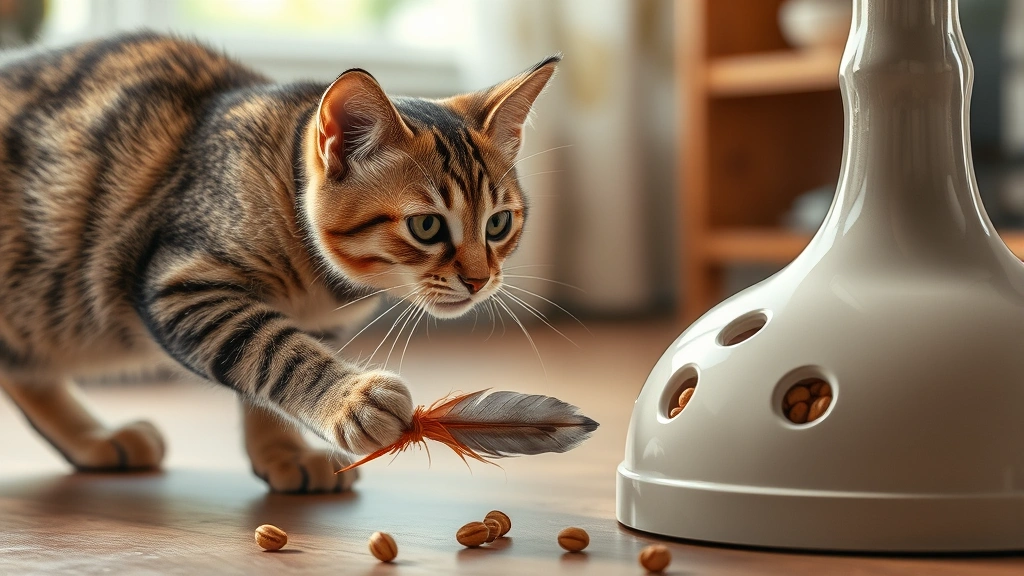
The ideal approach? Feed cats smaller portions multiple times daily, or better yet, use puzzle feeders and hunting-based feeding systems that mimic their natural predatory behavior. Our article on feeding indoor vs outdoor cats breaks down how to adjust schedules based on lifestyle, and don’t miss our piece on hunting feeders for cats for enrichment-based feeding strategies.
Puppies vs Adult Dogs: Timing Everything Right
Puppies need frequent, small meals because their tiny stomachs can’t hold much and their growing bodies demand consistent nutrition. Most vets recommend feeding puppies under 6 months old three to four times daily. Between 6-12 months, you can drop to two meals. By 12 months, most dogs can transition to adult feeding schedules.
The timing matters too—avoid feeding right before or after intense exercise to prevent bloat, a potentially life-threatening condition. Space meals out by at least 30 minutes from vigorous activity. This is especially important for deep-chested breeds prone to gastric dilatation-volvulus (GDV).
Senior Pets and Their Special Feeding Needs
As pets age, their metabolism slows and their digestive efficiency decreases. Senior dogs and cats often benefit from smaller, more frequent meals rather than one large feeding. This helps maintain stable energy levels and prevents the digestive upset that older pets often experience.
Additionally, seniors may have dental issues, making softer foods or moistened kibble necessary. Some older pets also develop conditions like diabetes or kidney disease that require specific feeding schedules coordinated with medications. Always consult your vet about adjusting feeding times as your pet ages.
Breed-Specific Feeding Timing Considerations
Different breeds have wildly different metabolic needs. Giant breeds like Great Danes need carefully timed meals to prevent bloat and support their massive frames. Small breeds like Chihuahuas have faster metabolisms and might do better with three meals daily even as adults. Brachycephalic breeds (flat-faced dogs) sometimes benefit from elevated feeders and smaller, more frequent meals to reduce digestive stress.
High-energy working breeds need meals timed to support their activity levels without causing digestive upset. Check out daily calorie requirements cats for feline-specific information, though the principles apply across species.
Timing Meals Around Medications and Health Conditions
If your pet takes medications, feeding times become even more critical. Some medications must be given with food, others on an empty stomach. Some supplements need specific timing to maximize absorption. Pets with conditions like pancreatitis, IBD, or diabetes require precisely timed meals coordinated with their treatment plans.
Work closely with your vet to establish a feeding schedule that works with your pet’s medications and health needs. This coordination can literally be the difference between a pet that thrives and one that struggles.
Environmental Factors That Affect Feeding Times
Your climate and living situation influence optimal feeding schedules too. In hot climates, feeding during cooler parts of the day (early morning or evening) prevents heat-related digestive issues. Indoor cats might benefit from feeding right after you wake up and before bed to maintain consistent routines. Outdoor or working animals might need adjusted meal timing based on seasonal activity levels.
Creating Your Pet’s Ideal Feeding Schedule
Start by observing your pet’s natural rhythms and energy levels. Most pets do best with consistent feeding times—their digestive systems and circadian rhythms thrive on predictability. Write down what time works best for your household, then stick to it religiously. Consistency is your secret weapon.
Consider your pet’s activity patterns. Feed active dogs before they settle down, not right before a walk. Give cats their meals when they’re naturally most active (dawn and dusk in the wild). Align feeding with your own schedule so you can actually maintain consistency long-term.
Frequently Asked Questions
What’s the best time of day to feed my dog?
Most adult dogs do well with breakfast around 7-8 AM and dinner around 5-6 PM, which aligns with typical household schedules. The key is consistency—your dog’s digestive system will adapt to whatever schedule you choose, as long as you stick with it. Avoid feeding right before or after intense exercise to prevent bloat.

Should I free-feed my cat or use scheduled meals?
Free-feeding (leaving food out constantly) contributes to obesity and overeating in cats. Scheduled meals, ideally multiple small portions throughout the day, better match their natural feeding behavior. Puzzle feeders and hunting-based feeding systems are even better for enrichment and metabolic health.
How do I transition my pet to a new feeding schedule?
Change feeding times gradually over 7-10 days, shifting meal times by 15-30 minutes daily until you reach your target schedule. This gradual approach prevents digestive upset and behavioral confusion. Some pets adjust faster than others, so be patient and watch for signs of stress.
Can I feed my pet once a day?
While some adult dogs can manage once-daily feeding, most thrive on two meals daily. Cats absolutely should not be fed once daily—it goes against their natural feeding patterns. Puppies, seniors, and pets with health conditions need more frequent meals. Consult your vet about what’s best for your individual pet.
Does feeding time affect my pet’s behavior?
Absolutely. Consistent feeding times help regulate your pet’s circadian rhythm, energy levels, and even anxiety. Pets fed on unpredictable schedules often develop anxiety, food guarding behaviors, or begging issues. Consistency creates security and predictability that most pets genuinely appreciate.
What about feeding pets with medical conditions?
Pets with diabetes, pancreatitis, kidney disease, or other conditions often require specific feeding schedules coordinated with medications or treatment protocols. Your vet will provide detailed recommendations. Never adjust feeding times for a medically compromised pet without veterinary guidance.
Summary: Getting Species-Appropriate Feeding Times Right
Species-appropriate feeding times aren’t complicated, but they do require thoughtfulness and consistency. Understand your pet’s natural feeding patterns, consider their age, activity level, and health status, then establish a schedule you can maintain long-term. Dogs generally thrive on one or two daily meals, cats need multiple smaller feedings or hunting-based feeding systems, and puppies and seniors need more frequent meals.
The magic happens when you align your feeding schedule with your pet’s biology rather than fighting against it. You’ll see improvements in digestion, energy, weight management, and overall health. Plus, your pet will appreciate the predictability and security of knowing exactly when dinner arrives.
Start today by evaluating your current feeding routine. Is it truly serving your pet’s needs, or are you just defaulting to whatever’s convenient? Your pet’s health is worth the few minutes it takes to get this right.





