

When it comes to our beloved canine companions, we’re always searching for natural ways to enhance their health and well-being. While many pet owners are familiar with the benefits of fish oil and other supplements, avocado oil has emerged as a surprising superfood for dogs that deserves serious consideration. This golden elixir, extracted from the creamy flesh of avocados, offers a wealth of nutritional benefits that can transform your dog’s health from the inside out.
Despite common misconceptions about avocados being toxic to dogs, avocado oil is actually safe and incredibly beneficial when used properly. The toxic compound persin found in avocado leaves, bark, and pit is virtually absent in the refined oil, making it a safe and nutritious addition to your dog’s diet. Understanding the proper use of avocado oil can open up new possibilities for supporting your pet’s skin, coat, joint health, and overall vitality.
Nutritional Profile of Avocado Oil for Dogs
Avocado oil stands out as one of the most nutrient-dense oils available for canine consumption. This remarkable oil contains an impressive array of monounsaturated fats, particularly oleic acid, which comprises approximately 70% of its fatty acid profile. These healthy fats are essential for maintaining cellular integrity and supporting various bodily functions in dogs.
The oil is exceptionally rich in vitamin E, a powerful antioxidant that protects cells from oxidative damage and supports immune function. Additionally, avocado oil contains significant amounts of vitamin K, which plays a crucial role in blood clotting and bone metabolism. The presence of lutein, a carotenoid antioxidant, further enhances the oil’s nutritional value by supporting eye health and cognitive function.
What makes avocado oil particularly valuable is its high smoke point of around 520°F, which means it remains stable even when exposed to moderate heat during food preparation. This stability ensures that the beneficial compounds remain intact and bioavailable for your dog’s system. The American Kennel Club emphasizes the importance of quality fats in canine nutrition, making avocado oil an excellent choice for health-conscious pet owners.
Skin and Coat Health Benefits
One of the most noticeable benefits of avocado oil supplementation is the dramatic improvement in skin and coat condition. The high concentration of omega-9 fatty acids in avocado oil helps maintain the skin’s natural barrier function, reducing moisture loss and protecting against environmental irritants. Dogs suffering from dry, flaky skin often experience significant relief within just a few weeks of regular avocado oil supplementation.
The vitamin E content in avocado oil acts as a natural moisturizer from within, promoting healthy cell turnover and reducing inflammation in the skin. This is particularly beneficial for dogs with allergies or sensitive skin conditions. Many pet owners report that their dogs’ coats become noticeably shinier, softer, and more lustrous after incorporating avocado oil into their diet.
For dogs with specific skin conditions like dermatitis or hot spots, the anti-inflammatory properties of avocado oil can provide relief comparable to some commercial treatments. The oil’s ability to penetrate deep into the skin layers ensures that nutrients reach the areas where they’re needed most. While some owners also consider whether can dogs have olive oil for similar benefits, avocado oil’s unique nutritional profile often provides superior results for skin and coat health.
Joint Health and Mobility Support
The anti-inflammatory compounds found in avocado oil make it an excellent natural supplement for supporting joint health in dogs. The oleic acid and other monounsaturated fats help reduce systemic inflammation, which is often at the root of joint pain and stiffness. Senior dogs, in particular, can benefit significantly from the mobility-enhancing properties of avocado oil.
Research has shown that the compounds in avocado oil can help maintain cartilage health and may slow the progression of degenerative joint conditions. The oil’s ability to improve the absorption of fat-soluble vitamins also enhances the effectiveness of other joint-supporting nutrients like glucosamine and chondroitin when used together.
Regular supplementation with avocado oil may help active dogs maintain their mobility and reduce recovery time after exercise. The anti-inflammatory effects extend beyond joints to support overall muscle health and recovery. According to the American Veterinary Medical Association, maintaining healthy joints through proper nutrition is crucial for canine longevity and quality of life.
Immune System and Antioxidant Benefits
Avocado oil’s impressive antioxidant profile makes it a powerful ally in supporting your dog’s immune system. The combination of vitamin E, lutein, and other antioxidants helps neutralize harmful free radicals that can damage cells and compromise immune function. This protection is particularly important for older dogs whose natural antioxidant production may be declining.
The immune-supporting properties of avocado oil extend to its ability to enhance the absorption of other nutrients. By improving the bioavailability of fat-soluble vitamins A, D, E, and K, avocado oil helps ensure that your dog’s immune system has access to all the nutrients it needs to function optimally.
Studies have indicated that the unique combination of fatty acids in avocado oil may help regulate immune responses, potentially reducing the severity of allergic reactions and autoimmune conditions. This makes it particularly valuable for dogs with food sensitivities or environmental allergies. Unlike some other oils that dog owners might consider, such as those wondering can dogs eat coconut products, avocado oil provides a more concentrated source of these beneficial compounds.

Digestive Health and Nutrient Absorption
The digestive benefits of avocado oil are often overlooked but equally important for canine health. The oil’s gentle nature makes it easily digestible for most dogs, while its lubricating properties can help prevent constipation and promote regular bowel movements. Dogs with sensitive digestive systems often tolerate avocado oil better than other oil supplements.
One of the most significant advantages of avocado oil is its ability to enhance the absorption of fat-soluble vitamins and other nutrients. This means that not only does the oil provide its own nutritional benefits, but it also helps your dog derive more value from their regular food and other supplements. This synergistic effect can lead to improved overall health outcomes.
The prebiotic-like effects of certain compounds in avocado oil may also support beneficial gut bacteria, contributing to better digestive health and immune function. A healthy gut microbiome is increasingly recognized as crucial for overall canine wellness. For pet owners exploring various nutritional options, understanding which foods are beneficial is essential, such as knowing is cottage cheese good for dogs or other dietary considerations.
Proper Dosage and Administration
Determining the correct dosage of avocado oil for your dog is crucial for maximizing benefits while avoiding potential digestive upset. As a general guideline, small dogs (under 25 pounds) should receive approximately 1/4 teaspoon daily, medium dogs (25-50 pounds) can have 1/2 teaspoon, and large dogs (over 50 pounds) may benefit from up to 1 teaspoon daily. However, it’s always best to start with smaller amounts and gradually increase to allow your dog’s digestive system to adjust.
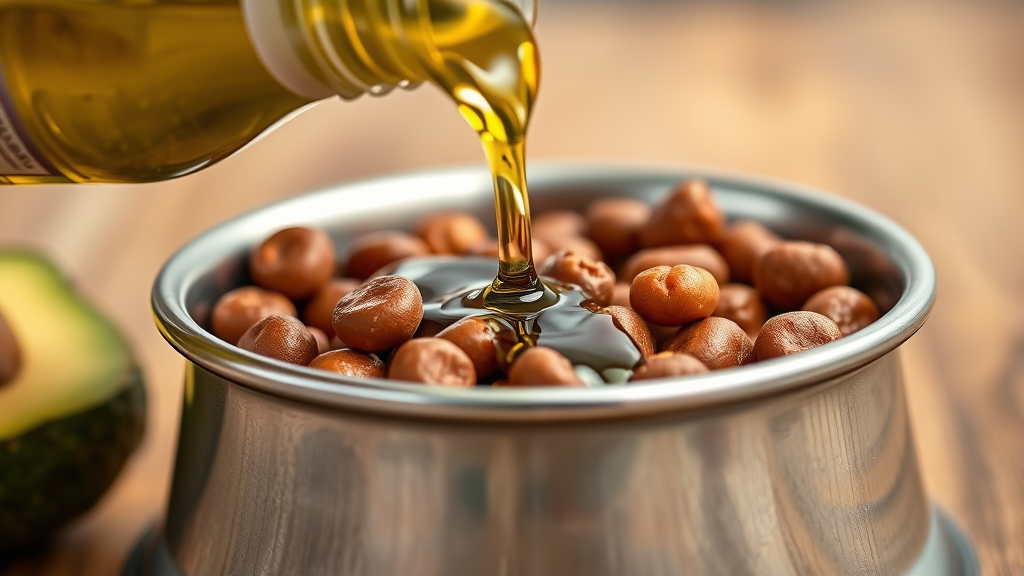
The oil can be administered in several ways, with the most common being direct addition to your dog’s regular food. Many dogs readily accept the mild, nutty flavor of high-quality avocado oil. For picky eaters, the oil can be mixed with a small amount of their favorite wet food or treat to mask the taste initially.
Consistency is key when supplementing with avocado oil. Daily administration provides the best results, as the beneficial compounds need time to accumulate in your dog’s system and exert their effects. Most pet owners begin to notice improvements in coat quality within 2-3 weeks, while joint and immune benefits may take 4-6 weeks to become apparent. The PetMD resource on nutritional supplements emphasizes the importance of proper dosing for optimal results.
Safety Considerations and Precautions
While avocado oil is generally safe for most dogs, there are important safety considerations that responsible pet owners should understand. Unlike the avocado fruit itself, which can be problematic due to persin content, properly processed avocado oil contains negligible amounts of this compound. However, it’s crucial to source your oil from reputable manufacturers who specifically produce food-grade avocado oil.
Dogs with pancreatitis or other fat-sensitive conditions should only use avocado oil under veterinary supervision. The high fat content, while beneficial for most dogs, can trigger pancreatitis episodes in susceptible animals. Starting with very small amounts and monitoring your dog’s response is essential, particularly for dogs with a history of digestive issues.
Some dogs may experience mild digestive upset when first introduced to avocado oil, including loose stools or increased bowel movements. This is typically temporary and resolves as the dog’s system adjusts to the new supplement. If symptoms persist beyond a few days or worsen, discontinue use and consult your veterinarian.
It’s also important to consider potential interactions with medications. While rare, the enhanced absorption properties of avocado oil could theoretically affect how certain medications are processed. Always inform your veterinarian about any supplements you’re giving your dog, especially if they’re on prescription medications.
Choosing High-Quality Avocado Oil
Not all avocado oils are created equal, and selecting a high-quality product is essential for ensuring your dog receives maximum benefits safely. Look for cold-pressed, unrefined avocado oil whenever possible, as this processing method preserves the highest levels of beneficial compounds. The oil should have a light green tint and a mild, pleasant aroma – avoid products that smell rancid or have an off-putting odor.
Organic certification is another important factor to consider, as it ensures the avocados were grown without harmful pesticides or chemicals that could potentially affect your dog’s health. While organic products may cost more, the investment in your pet’s health is worthwhile. Always check the expiration date and store the oil properly in a cool, dark place to maintain freshness and potency.
Some manufacturers specifically market avocado oil for pets, which can provide additional peace of mind regarding purity and safety standards. These products often undergo additional testing to ensure they meet pet-specific safety requirements. Reading customer reviews and researching the manufacturer’s reputation can also help you make an informed choice.
Avoid avocado oils that contain added ingredients, preservatives, or flavor enhancers, as these additives could potentially cause adverse reactions in sensitive dogs. Pure, single-ingredient avocado oil is the safest and most effective choice. The FDA’s guidance on pet food regulation provides helpful information about what to look for in quality pet supplements.
Price can be an indicator of quality, but it shouldn’t be the only factor in your decision. Extremely cheap avocado oils may be heavily processed or diluted with other oils, reducing their effectiveness. Conversely, the most expensive option isn’t always the best. Focus on finding a reputable brand that transparently shares information about their sourcing and processing methods.
When introducing any new supplement, including avocado oil, it’s wise to consult with your veterinarian first. They can provide personalized advice based on your dog’s specific health needs and current diet. This is particularly important if you’re considering multiple dietary additions, such as exploring whether can dogs eat greek yogurt or other beneficial foods alongside avocado oil supplementation.
Frequently Asked Questions
Is avocado oil safe for all dogs?
Avocado oil is safe for most dogs when used in appropriate amounts. However, dogs with pancreatitis, severe food allergies, or fat-sensitive conditions should only use avocado oil under veterinary supervision. Always start with small amounts and monitor your dog’s response. If you notice any adverse reactions such as vomiting, diarrhea, or unusual behavior, discontinue use and consult your veterinarian immediately.
How long does it take to see results from avocado oil supplementation?
Most pet owners begin to notice improvements in their dog’s coat quality and skin condition within 2-3 weeks of regular avocado oil supplementation. Joint health and mobility benefits typically become apparent after 4-6 weeks of consistent use. Immune system benefits may take even longer to become noticeable, as these changes occur gradually at the cellular level. Patience and consistency are key to achieving optimal results.
Can I give my dog too much avocado oil?
Yes, excessive avocado oil can cause digestive upset, including diarrhea, vomiting, and potential pancreatitis in susceptible dogs. The high caloric content can also contribute to weight gain if not accounted for in your dog’s overall diet. Stick to recommended dosages: 1/4 teaspoon for small dogs, 1/2 teaspoon for medium dogs, and up to 1 teaspoon for large dogs daily. Always start with smaller amounts and gradually increase as tolerated.
Should I be concerned about the persin in avocado oil?
Properly processed, food-grade avocado oil contains negligible amounts of persin, the compound that makes whole avocados potentially problematic for dogs. The refining process removes virtually all persin, making the oil safe for canine consumption. However, it’s important to purchase oil specifically intended for food use from reputable manufacturers to ensure proper processing and safety standards.
Can avocado oil replace other supplements in my dog’s diet?
While avocado oil provides many health benefits, it shouldn’t necessarily replace other established supplements without veterinary guidance. It can complement other supplements like fish oil, glucosamine, or probiotics, but each serves different purposes. Avocado oil is particularly valuable for skin, coat, and joint health, but your dog may still benefit from other targeted supplements based on their individual needs.
How should I store avocado oil for my dog?
Store avocado oil in a cool, dark place away from direct sunlight and heat sources. A pantry or cupboard is ideal. Once opened, most avocado oils maintain their quality for 6-12 months when stored properly. Refrigeration can extend shelf life but may cause the oil to solidify temporarily. Always check for rancid odors or off-colors before use, and discard any oil that seems spoiled.
Can puppies have avocado oil?
Puppies can generally have avocado oil, but in much smaller quantities than adult dogs due to their developing digestive systems and smaller size. Consult with your veterinarian before introducing any supplements to a puppy’s diet, especially those under 6 months old. If approved, start with just a few drops mixed into food and monitor carefully for any adverse reactions. The focus for puppies should primarily be on a complete and balanced puppy food that meets all their nutritional needs.





