
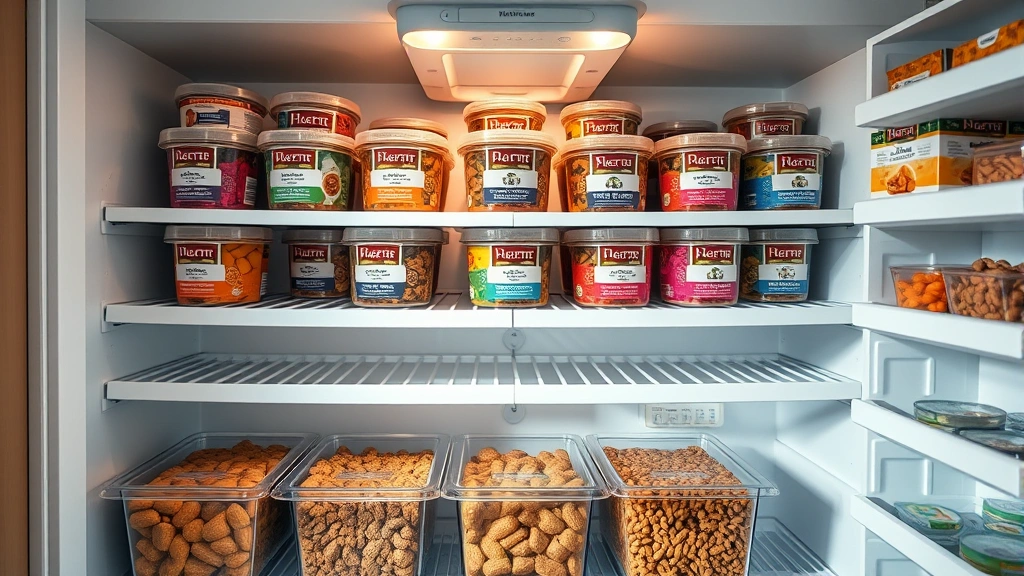
If you’re juggling a busy life and a furry family member, freezer meal pet scheduling might just be your secret weapon to stress-free pet feeding. Forget the daily scramble of preparing fresh meals or the guilt of relying solely on commercial kibble—batch-prepping frozen meals for your pet is like having a personal chef on standby, minus the attitude and the astronomical salary.
Table of Contents
- Why Freezer Meal Pet Scheduling Actually Works
- Tip #1: Choose Your Protein Wisely for Batch Cooking
- Tip #2: Master the Art of Portion Control Before Freezing
- Tip #3: Create a Rotation Schedule That Actually Works
- Tip #4: Coordinate With Your Pet Sitter or Boarding Facility
- Tip #5: Invest in Proper Storage and Thawing Systems
- Understanding Your Pet’s Nutritional Needs
- Common Freezer Meal Pet Scheduling Mistakes to Avoid
- Budget-Friendly Freezer Meal Pet Scheduling Strategies
- Technology Tools for Freezer Meal Pet Scheduling
- Health Monitoring While Using Frozen Meals
- Frequently Asked Questions
- Conclusion: Your Freezer Meal Pet Scheduling Success Story Starts Now
Why Freezer Meal Pet Scheduling Actually Works
Let’s be honest: most pet parents are stretched thin. Between work, kids, and that Netflix series you’re binge-watching, finding time to prepare nutritious meals for Fido feels like climbing Everest in flip-flops. That’s where freezer meal pet scheduling comes in. By dedicating one or two hours per month to batch cooking, you’re essentially banking time for later. It’s like financial planning, but for your pet’s stomach.
The magic happens when you combine meal prep with a solid feeding schedule. You prep once, feed multiple times. Your pet gets consistent nutrition, you get peace of mind, and everyone wins. Plus, frozen meals last weeks (sometimes months), so you’re not playing food roulette when life gets chaotic.
Tip #1: Choose Your Protein Wisely for Batch Cooking
Not all proteins freeze equally, and that’s important to know before you go full Gordon Ramsay in your kitchen. Chicken, turkey, beef, and fish are freezer-friendly champions. They maintain quality for 2-3 months when properly stored. Ground meats are especially convenient because they thaw faster and mix easily with other ingredients.
Pro tip: Buy in bulk when prices drop. Stock up on sales and portion out immediately into freezer containers. Label everything with the protein type and date—future you will be eternally grateful. Organ meats like liver and kidney also freeze beautifully and provide essential nutrients your pet needs.
Check out our Homemade Pet Food Schedule guide to understand how different proteins fit into your pet’s weekly rotation.
Tip #2: Master the Art of Portion Control Before Freezing
Here’s where most people mess up: they freeze massive batches and then have no idea how much to thaw for Wednesday’s dinner. Portion control isn’t just about your pet’s waistline (though that matters)—it’s about practical meal prep logistics.
Invest in quality freezer containers or ice cube trays for smaller portions. A standard ice cube tray holds roughly 2 ounces per cube, perfect for small dogs or cats. For larger pups, use 8-16 ounce containers. Label each container with the meal date, protein type, and portion size. This system means you can grab exactly what you need without thawing the entire batch.
Our article on Measuring Pet Food provides detailed guidelines for calculating your specific pet’s caloric needs, which is crucial before you start your freezer meal pet scheduling journey.
Tip #3: Create a Rotation Schedule That Actually Works
A freezer full of chicken is great until your dog looks at you like you’re serving him cardboard for the 47th consecutive day. Variety prevents boredom and ensures nutritional balance. Create a simple rotating schedule: Mondays are chicken, Tuesdays are turkey, Wednesdays are beef, and so on.
Write this schedule on your fridge or set phone reminders. Better yet, use a spreadsheet to track what’s thawing, what’s been served, and what needs prepping next. This prevents the dreaded freezer situation where you discover three years of mystery meat at the bottom.
Include vegetables, fruits, and supplements in your rotation too. Sweet potato, carrots, green beans, and apples add fiber and nutrients. Just verify with your vet that your chosen veggies are safe—some are toxic to pets.
Tip #4: Coordinate With Your Pet Sitter or Boarding Facility
If someone else feeds your pet occasionally, they need to understand your freezer meal pet scheduling system. Detailed instructions prevent disasters. Create a simple document showing:
- How many portions to thaw and when
- Thawing time requirements (usually 24 hours in the fridge)
- Feeding amounts and times
- Storage location in your freezer
- What to do if meals run out
Our Pet Sitter Feeding Guide provides comprehensive templates you can customize. Also check out our Boarding Facility Feeding Instructions for facility-specific protocols.
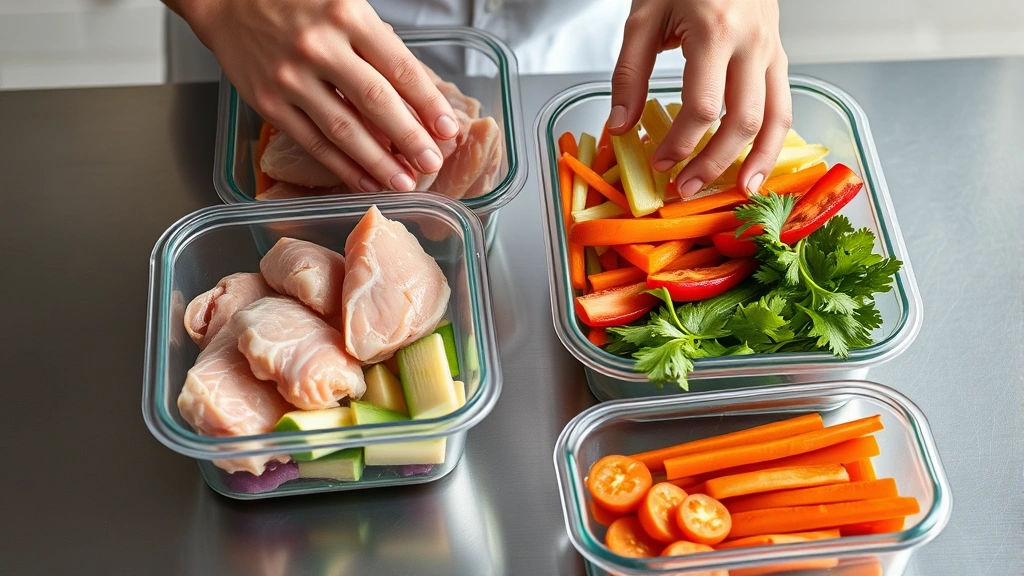
Tip #5: Invest in Proper Storage and Thawing Systems
Freezer space is precious real estate. Vacuum-seal bags are game-changers—they take up 60% less space than traditional containers and prevent freezer burn. Stack them flat in your freezer like files in a filing cabinet. Thaw meals in the refrigerator 24 hours before feeding; never leave frozen pet food at room temperature.
Consider a dedicated freezer drawer or shelf for pet meals. This prevents cross-contamination with human food and makes inventory management infinitely easier. A simple whiteboard or checklist on the freezer door tracks what’s available.
Temperature matters too. Keep your freezer at 0°F or below. Most properly frozen pet meals last 2-3 months, though some sources say up to 6 months for certain proteins. When in doubt, thaw and smell—your nose is an excellent spoilage detector.
Understanding Your Pet’s Nutritional Needs
Before launching into freezer meal pet scheduling, understand your pet’s specific requirements. Dogs need proteins, fats, carbohydrates, vitamins, and minerals in specific ratios. Cats are obligate carnivores requiring higher protein and taurine. Age matters too—puppies and senior pets have different nutritional demands than adults.
Consult your veterinarian before starting any homemade feeding program. They can review your recipes, suggest adjustments, and monitor your pet’s health through regular check-ups. Some vets recommend adding a commercial vitamin supplement to homemade diets to ensure complete nutrition.
Common Freezer Meal Pet Scheduling Mistakes to Avoid
Don’t skip the labeling step. Frozen chicken and frozen turkey look suspiciously similar after a few weeks. Don’t forget about your frozen meals—check your inventory monthly. Don’t ignore food safety; raw pet food should be handled with the same care as human food, including separate cutting boards and hand washing.
Don’t assume all vegetables are safe. Onions, garlic, grapes, and avocado are toxic to pets. Don’t overfill containers—frozen food expands, and you don’t want freezer explosions. Don’t feed frozen meals directly from the freezer; always thaw properly first.
Budget-Friendly Freezer Meal Pet Scheduling Strategies
Buying in bulk is your best friend. Warehouse stores offer significant savings on quality proteins. Buy whole chickens and butcher them yourself—you’ll save 30-40% compared to pre-cut pieces. Befriend your local butcher; they often sell trim and organs at deep discounts.
Combine proteins strategically. A meal of 70% beef and 30% organ meat costs less than all-muscle meat while providing superior nutrition. Use seasonal produce when vegetables are cheapest. Root vegetables like carrots and sweet potatoes store longer and cost less than trendy options.
Our Pet Portion Control article includes budget breakdowns showing cost-per-serving comparisons between homemade and commercial diets.
Technology Tools for Freezer Meal Pet Scheduling
Apps like PetDiary or similar pet management software can track feeding schedules, portion sizes, and ingredient rotations. Simple spreadsheets work too—create columns for date, protein, vegetables, supplements, and portions. Set phone reminders for thawing days.
Some pet owners use color-coded freezer labels: red for beef, blue for chicken, green for turkey. This visual system prevents mistakes, especially in busy households. Take photos of your freezer inventory and keep them on your phone for quick reference while shopping.
Consider our Automatic Pet Supplement Delivery service to ensure your frozen meals are supplemented consistently without extra planning.

Health Monitoring While Using Frozen Meals
Track your pet’s response to homemade frozen meals. Monitor energy levels, coat quality, digestion, and weight. Some pets thrive immediately; others need adjustment periods. Keep a simple log: date, meal type, any observations about your pet’s health or behavior.
Schedule veterinary check-ups every 6-12 months to ensure your freezer meal pet scheduling strategy supports optimal health. Blood work can reveal nutritional imbalances before they become problems. Your vet might suggest recipe adjustments based on your pet’s individual needs.
Frequently Asked Questions
How long can I safely store frozen pet meals?
Most frozen pet meals remain safe for 2-3 months at 0°F or below. Raw diets may last up to 6 months, while cooked meals typically last 2-3 months. Always label with the freezing date and follow the “first in, first out” principle. When in doubt, thaw and inspect before serving.
Can I mix raw and cooked ingredients in freezer meal pet scheduling?
Generally, it’s safer to keep raw and cooked meals separate due to different bacterial contamination risks. Most veterinarians recommend choosing one approach—either raw feeding or cooked feeding—rather than mixing both. Consult your vet about your specific situation.
What’s the best way to thaw frozen pet meals?
Always thaw in the refrigerator over 24 hours. Never leave frozen meals at room temperature, as this promotes bacterial growth. Once thawed, use within 2-3 days. Some pet owners thaw overnight and serve the next day. Never refreeze thawed meals.
Do frozen meals lose nutritional value?
Freezing preserves most nutrients effectively. Some vitamin degradation occurs over time, which is why proper labeling and rotation matter. Frozen meals maintain nutritional value better than many commercial alternatives that use heat processing and chemical preservatives.
Is freezer meal pet scheduling more expensive than commercial pet food?
Not necessarily. Bulk purchasing and strategic ingredient selection often make homemade frozen meals comparable to premium commercial foods. Budget-conscious pet parents frequently save 20-40% compared to high-quality commercial diets while providing superior nutrition.
Can I use freezer meal pet scheduling for cats?
Absolutely, but cats require higher protein percentages and specific nutrients like taurine that dogs produce naturally. Cats also prefer smaller portions more frequently. Work with a feline nutritionist or your vet to create appropriate recipes before starting your freezer meal pet scheduling system.
Conclusion: Your Freezer Meal Pet Scheduling Success Story Starts Now
Freezer meal pet scheduling transforms pet nutrition from a daily chore into a manageable, cost-effective system that actually works. You’re not just saving time—you’re investing in your pet’s health and your own peace of mind. Start small with one protein, master the system, then expand your rotation.
The beauty of this approach is flexibility. Life happens, schedules change, and your pet’s needs evolve. A solid freezer meal pet scheduling system adapts to these changes without falling apart. Begin this week: choose your protein, plan one batch, and experience the freedom that comes with knowing your pet’s nutrition is handled.
Your future self—the one who isn’t panicking about dinner plans at 6 PM—will thank you profusely.





