
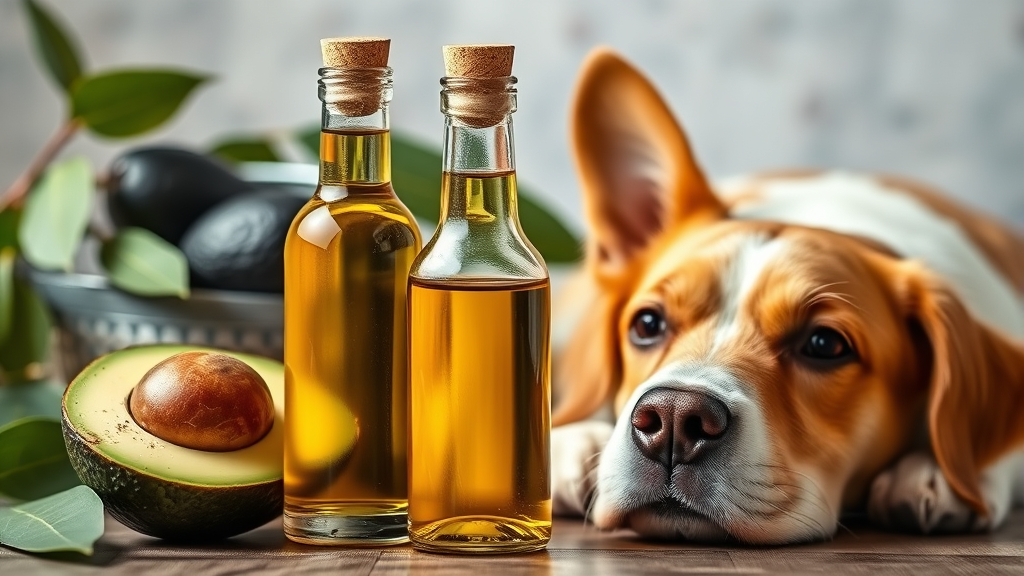
As pet owners become increasingly conscious about their dogs’ nutrition, questions about various oils and their safety for canine consumption continue to arise. Among these inquiries, avocado oil has sparked considerable debate in the dog owner community. While avocados themselves have a complicated relationship with canine health, the oil extracted from this fruit presents its own unique set of considerations that every responsible dog owner should understand.
The confusion surrounding avocado oil for dogs stems from the well-known fact that avocados contain persin, a compound that can be toxic to many animals. However, the processing and extraction of avocado oil significantly alters its composition, leading to different safety profiles compared to the whole fruit. Understanding these distinctions is crucial for making informed decisions about incorporating avocado oil into your dog’s diet or care routine.
Understanding Avocado Oil and Its Properties
Avocado oil is extracted from the flesh of avocados through various methods, including cold-pressing and centrifugal extraction. This process creates a refined oil that differs significantly from the whole fruit in terms of its chemical composition. The oil is rich in monounsaturated fats, particularly oleic acid, and contains various vitamins including vitamin E, which acts as a natural antioxidant.
The extraction process typically removes or significantly reduces the concentration of persin, the compound that makes whole avocados potentially problematic for dogs. However, the degree of persin removal can vary depending on the extraction method and quality control measures employed by different manufacturers. This variability is one reason why the safety of avocado oil for dogs remains a topic of ongoing discussion among veterinarians and pet nutritionists.
Commercial avocado oil products often undergo additional refining processes that further purify the oil and remove potential contaminants. These refined oils are generally considered safer than crude or unprocessed versions, though they may also contain fewer beneficial compounds as a trade-off for increased safety and stability.
Safety Concerns: Persin and Other Considerations
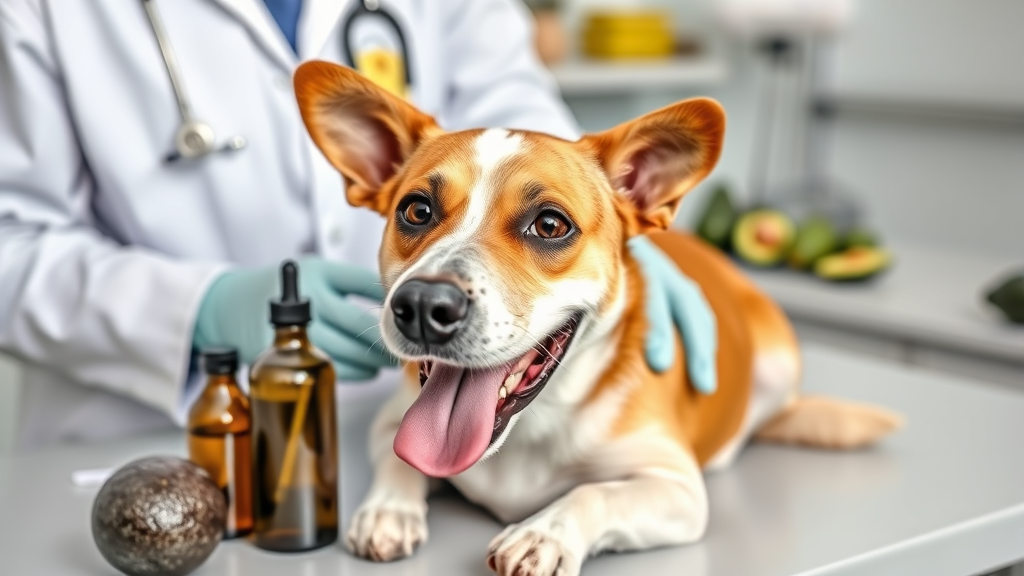
The primary safety concern regarding avocado products for dogs revolves around persin, a fungicidal toxin naturally present in avocado plants. This compound is found in varying concentrations throughout different parts of the avocado plant, including the fruit, leaves, bark, and pit. In dogs, persin toxicity can cause gastrointestinal upset, including vomiting and diarrhea, though severe cases are relatively rare compared to other animal species.
While the refining process used to create avocado oil typically reduces persin levels significantly, trace amounts may still remain. The ASPCA Animal Poison Control Center continues to list avocado as potentially problematic for dogs, though they note that toxicity is generally mild in canines compared to birds and other animals.
Beyond persin concerns, dog owners should also consider the high caloric content of avocado oil. Like all oils, avocado oil is calorie-dense, containing approximately 120 calories per tablespoon. For dogs, especially those prone to weight gain or with existing obesity issues, even small amounts of added oil can contribute to excessive calorie intake and potential weight-related health problems.
Some dogs may also experience digestive sensitivity to new oils, regardless of their safety profile. Introducing any new dietary component, including avocado oil, should be done gradually and with careful monitoring for adverse reactions. Signs of digestive upset include loose stools, vomiting, loss of appetite, or unusual lethargy following oil consumption.
Potential Health Benefits for Dogs
Despite the safety concerns, proponents of avocado oil for dogs point to several potential health benefits that this oil might provide. The high concentration of monounsaturated fats, particularly oleic acid, may support cardiovascular health and help maintain healthy cholesterol levels in dogs, similar to the benefits observed in human studies conducted by institutions like the American Heart Association.
The vitamin E content in avocado oil serves as a powerful antioxidant that may help protect cells from oxidative damage and support immune function. This antioxidant activity could potentially benefit dogs with inflammatory conditions or those experiencing age-related cellular stress, though more research is needed to confirm these effects specifically in canines.
Some pet owners and holistic veterinarians suggest that avocado oil may promote healthier skin and coat condition when used both internally and topically. The moisturizing properties of the oil, combined with its vitamin content, might help address dry skin conditions or improve coat shine and texture. However, it’s worth noting that many other oils offer similar benefits with potentially fewer safety concerns.
The anti-inflammatory properties attributed to avocado oil in human research might also translate to benefits for dogs with arthritis or other inflammatory conditions. Some preliminary studies suggest that compounds in avocado oil may help reduce inflammation markers, though clinical trials in dogs are limited and more research is needed to establish definitive therapeutic benefits.

How to Safely Use Avocado Oil for Dogs
If you decide to introduce avocado oil to your dog’s routine after consulting with your veterinarian, proper usage guidelines are essential for minimizing risks and maximizing potential benefits. Start with extremely small amounts – no more than a few drops for small dogs or a quarter teaspoon for larger breeds – and observe your pet closely for any adverse reactions over the following 24-48 hours.
For topical applications, avocado oil can be applied directly to dry skin patches or incorporated into grooming routines. However, ensure that your dog cannot lick the treated areas excessively, as this could lead to ingestion of larger quantities than intended. Always use high-quality, refined avocado oil from reputable manufacturers that provide clear labeling about their extraction and purification processes.
When considering internal use, remember that dogs have different nutritional needs and digestive capabilities compared to humans. What might be a beneficial amount for a person could be excessive for a dog. The general recommendation is to limit any added oil to no more than one teaspoon per 20 pounds of body weight per day, and this should include all oils in the diet, not just avocado oil.
Quality control is paramount when selecting avocado oil for canine use. Look for products that are specifically labeled as refined and have undergone testing for persin content. Avoid crude or unrefined avocado oils, as these are more likely to contain higher levels of potentially problematic compounds. Store the oil properly in a cool, dark place to maintain its quality and prevent rancidity.
Alternative Oils for Canine Health
Given the ongoing debate about avocado oil safety, many veterinarians recommend considering alternative oils that offer similar benefits with more established safety profiles. Olive oil is often cited as a safer option for dogs, providing monounsaturated fats and vitamin E without the persin concerns associated with avocado products.
Fish oils, particularly those rich in omega-3 fatty acids like EPA and DHA, are widely recommended by veterinarians for their proven benefits in supporting joint health, skin condition, and cognitive function. The American Veterinary Medical Association recognizes the therapeutic value of omega-3 supplements for various canine health conditions.
Coconut oil has gained popularity among pet owners, and while questions about whether dogs can eat coconut products persist, many veterinarians consider it generally safe in moderation. Similarly, discussions about whether dogs can have coconut in various forms continue, but the oil form is typically well-tolerated by most dogs.
For those interested in coconut-based options, it’s worth exploring whether dogs can drink coconut water as another way to provide beneficial nutrients. However, like any dietary addition, moderation and veterinary guidance are key to safe implementation.
Flaxseed oil offers another alternative, providing plant-based omega-3 fatty acids that can support skin health and reduce inflammation. However, dogs convert plant-based omega-3s less efficiently than marine-based sources, so the therapeutic effects may be more limited compared to fish oils.
When to Consult Your Veterinarian
Before introducing any new dietary supplement or topical treatment, including avocado oil, consulting with your veterinarian is crucial. This is particularly important if your dog has existing health conditions, takes medications, or has a history of food sensitivities or allergies. Your veterinarian can provide personalized advice based on your dog’s specific health status and nutritional needs.
Veterinarians can also help you evaluate whether the potential benefits of avocado oil outweigh the risks for your particular dog. They may recommend diagnostic tests to assess your dog’s current health status and determine whether additional dietary oils are necessary or beneficial. For dogs with pancreatitis, obesity, or digestive disorders, any added fats should be carefully monitored and potentially avoided altogether.
If you notice any adverse reactions after introducing avocado oil, such as vomiting, diarrhea, lethargy, or skin irritation, discontinue use immediately and contact your veterinarian. Keep detailed records of the amount given, timing of administration, and any observed symptoms to help your veterinary team make informed treatment decisions.
Regular follow-up appointments can help monitor your dog’s response to any new dietary additions and ensure that their overall nutritional needs are being met appropriately. Your veterinarian may also recommend periodic blood work to assess liver function and other health markers, particularly if using oils as therapeutic supplements for chronic conditions.
It’s also worth noting that some essential oils pose significant risks to dogs, and pet owners should be educated about which oils to avoid entirely. For instance, understanding whether peppermint oil is safe for dogs or learning about eucalyptus safety for dogs can help prevent accidental poisoning from well-meaning but misguided attempts at natural remedies.
Frequently Asked Questions
Is avocado oil completely safe for all dogs?
No, avocado oil is not universally safe for all dogs. While the refining process reduces persin levels significantly, trace amounts may remain, and individual dogs may react differently. Dogs with sensitive digestive systems, pancreatitis, or obesity should avoid avocado oil entirely. Always consult your veterinarian before introducing any new oil to your dog’s diet, and start with very small amounts while monitoring for adverse reactions.
How much avocado oil can I give my dog?
If your veterinarian approves avocado oil use, limit it to no more than a few drops for small dogs or a quarter teaspoon for larger breeds initially. The general guideline suggests no more than one teaspoon per 20 pounds of body weight per day for all combined oils in the diet. However, many veterinarians recommend even smaller amounts or suggest avoiding it altogether in favor of safer alternatives like fish oil or olive oil.
Can I use avocado oil topically on my dog’s skin?
Topical use of avocado oil may be safer than internal consumption since it bypasses the digestive system. However, you must prevent your dog from licking the treated areas, as this could lead to ingestion. Use only high-quality, refined avocado oil and test a small area first to check for skin sensitivity. Many veterinarians prefer recommending proven alternatives like coconut oil or specialized veterinary skin products.
What are the signs of avocado toxicity in dogs?
Signs of avocado toxicity in dogs typically include vomiting, diarrhea, loss of appetite, and lethargy. In severe cases, dogs might experience abdominal discomfort or difficulty breathing, though serious toxicity is rare in dogs compared to other animals like birds. If you suspect avocado toxicity, contact your veterinarian immediately or call the ASPCA Animal Poison Control Center at (888) 426-4435.
Are there better oil alternatives for dogs than avocado oil?
Yes, several oils are considered safer and more beneficial for dogs. Fish oils rich in omega-3 fatty acids are widely recommended by veterinarians for their proven health benefits. Olive oil provides similar monounsaturated fats without persin concerns. Coconut oil is generally well-tolerated and offers antimicrobial properties. These alternatives have more established safety profiles and extensive research supporting their use in canine nutrition.
Should I choose refined or unrefined avocado oil for my dog?
If you must use avocado oil despite the potential risks, always choose refined avocado oil over unrefined versions. The refining process removes or significantly reduces persin levels and other potentially harmful compounds. Unrefined or crude avocado oils retain higher concentrations of persin and should never be given to dogs. However, many veterinarians still recommend avoiding avocado oil entirely in favor of safer alternatives.
Can puppies have avocado oil?
Puppies should not be given avocado oil due to their developing digestive systems and smaller body size, which makes them more susceptible to adverse reactions. Young dogs require carefully balanced nutrition, and adding unnecessary oils can disrupt their dietary balance and potentially cause digestive upset. Focus on high-quality puppy food that meets all nutritional requirements, and consult your veterinarian before adding any supplements or oils to a puppy’s diet.





