
Refrigerated pet food storage time is one of those things pet parents often wing it on, and honestly, it’s a recipe for disaster—literally. You open the fridge, see that container of wet food from three days ago, give it the sniff test, and think, “Eh, it’s probably fine.” Spoiler alert: it probably isn’t. Let’s talk about how long your furry friend’s food can actually hang out in the cold before it becomes a bacterial buffet.
Table of Contents
- How Long Can You Actually Keep Refrigerated Pet Food?
- Understanding Pet Food Spoilage and Safety
- The 3-Day Rule for Wet Pet Food
- Raw Pet Food Storage: A Different Beast
- Proper Storage Containers Matter More Than You Think
- Temperature Control and Refrigerator Management
- Signs Your Refrigerated Pet Food Has Gone Bad
- Freezing as Your Secret Weapon
- Special Considerations for Sick Pets
- Transition and Mixed Diet Considerations
- Establishing a Pet Feeding Schedule
- Frequently Asked Questions
- Summary: Keep Your Pet Safe
How Long Can You Actually Keep Refrigerated Pet Food?
The golden rule for refrigerated pet food storage time is straightforward: most opened wet or raw pet foods last 3-4 days in the refrigerator. However, this isn’t a hard-and-fast rule—it depends on several factors including the type of food, storage container, and your fridge’s temperature. Some premium raw diets might last up to 5 days if stored properly, while others could start deteriorating after 48 hours. The key is understanding that bacteria doesn’t care about your pet’s loyalty; it multiplies regardless.
For unopened cans or containers, you’ve got way more time—typically until the expiration date on the package. But once you crack that seal, the clock starts ticking faster than a dog at dinner time.
Understanding Pet Food Spoilage and Safety
Your nose is a decent tool, but it’s not a food safety expert. Pet food can harbor dangerous bacteria like E. coli and Salmonella long before you detect any funky smell. This is especially true for raw pet foods, which require even more careful handling than cooked varieties. When you’re considering refrigerated pet food storage time, remember that what looks fine might not be fine at all.
Check out our guide on pet food consistency to understand what healthy pet food should look like. If the texture changes dramatically or you notice any discoloration, it’s time to toss it.
The 3-Day Rule for Wet Pet Food
Most veterinarians recommend the 3-day rule for wet pet food. This applies to:
- Canned dog and cat food (after opening)
- Refrigerated fresh pet food
- Homemade pet meals
- Raw diets (sometimes shorter)
Why three days? This is the sweet spot where bacteria growth remains minimal under proper refrigeration (below 40°F). After day three, the multiplication rate of harmful microorganisms accelerates significantly. Your pet’s digestive system might handle a little bacterial contamination, but why risk it?
Raw Pet Food Storage: A Different Beast
Raw pet food requires even more vigilance when it comes to refrigerated pet food storage time. Most raw diets should be used within 3 days, though some high-quality frozen options can last longer when properly thawed. The risk with raw food is higher because it hasn’t been heat-treated to kill pathogens.
If you’re feeding raw, consider portioning out meals into daily servings before refrigerating. This minimizes repeated exposure to warm air every time you open the container. Store raw food on the bottom shelf of your fridge to prevent any drips onto other foods.
Proper Storage Containers Matter More Than You Think
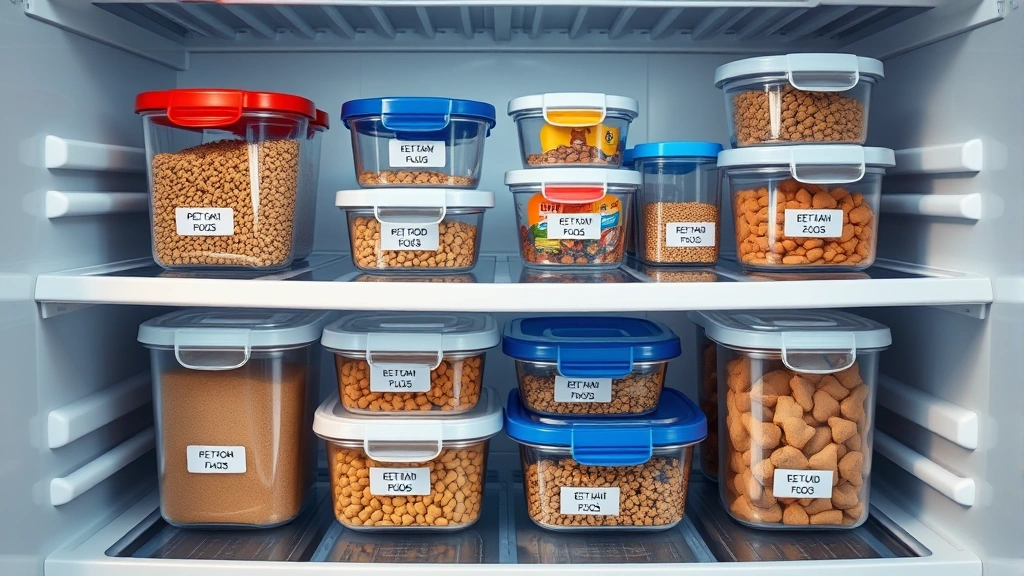
Not all containers are created equal. Here’s what works best for extending refrigerated pet food storage time:
- Airtight containers: These are your best friend. They prevent oxidation and bacterial contamination from air exposure.
- Glass containers: Better than plastic for long-term storage; they don’t absorb odors or stains.
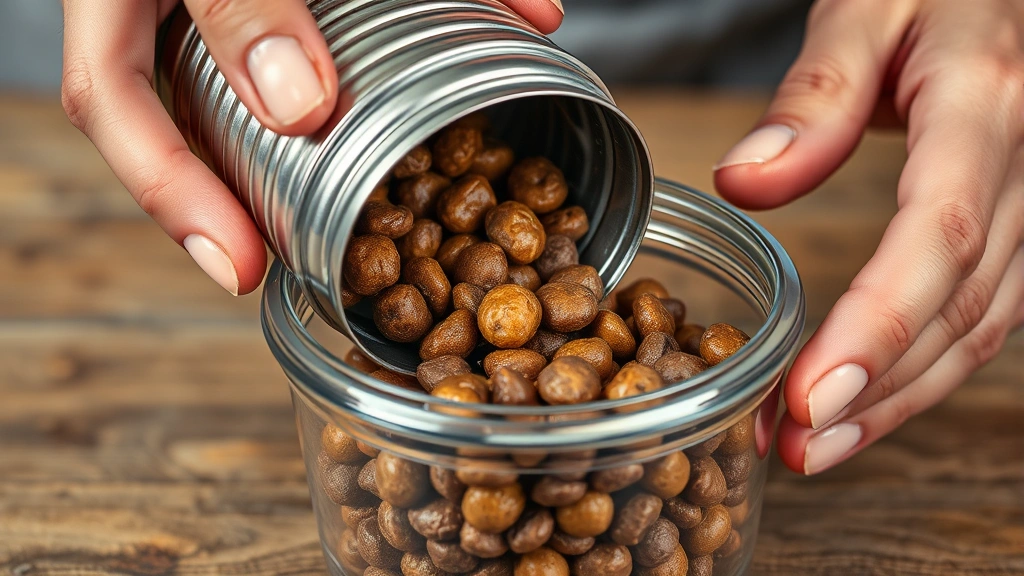
- Original cans: Once opened, transfer the contents. Metal cans can oxidize and affect the food’s quality.
- Freezer bags: Great for portioning and extending shelf life when frozen.
Pro tip: Label your containers with the date you opened them. Seriously. Your future self will thank you when you’re staring at an unmarked container wondering if it’s been three days or three weeks.
Temperature Control and Refrigerator Management
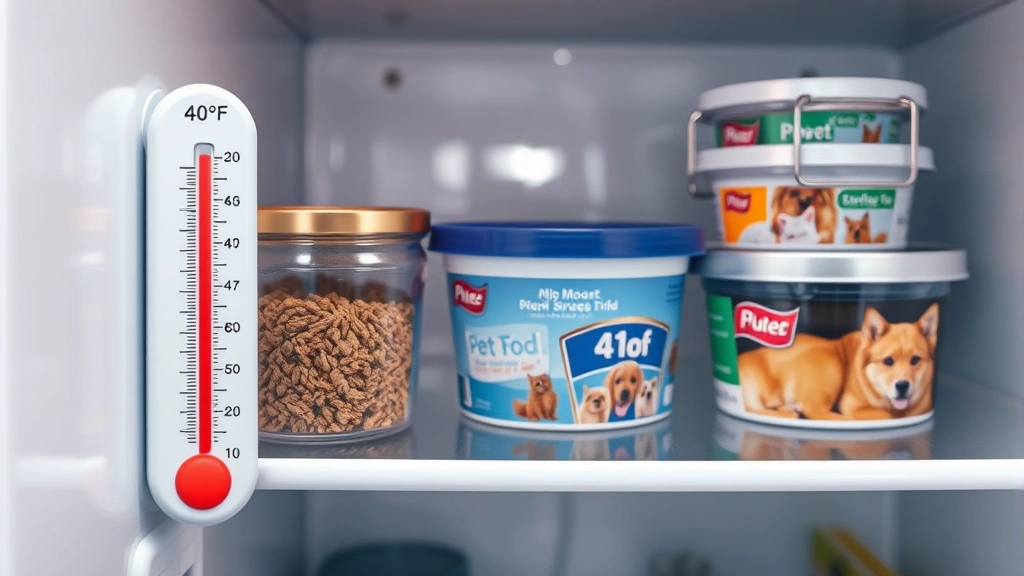
Your refrigerator temperature directly impacts refrigerated pet food storage time. The FDA recommends keeping refrigerators at 40°F or below. If your fridge runs warmer than this, you’re reducing the safe storage window significantly.
Check your fridge temperature with a thermometer—many people assume their fridge is cold enough when it’s actually several degrees warmer. A warmer fridge means bacteria multiply faster, shortening the safe storage period from 3-4 days to potentially just 2 days.
Also, keep pet food away from the door. Yes, it’s convenient, but the door is the warmest part of your fridge due to temperature fluctuations every time you open it. Store pet food toward the back on a lower shelf for optimal temperature stability.
Signs Your Refrigerated Pet Food Has Gone Bad
Even with proper storage, sometimes things go sideways. Watch for these red flags:
- Sour or off smell (though absence of smell doesn’t mean it’s safe)
- Visible mold or discoloration
- Slimy texture or unusual consistency
- Separation of liquids with a cloudy appearance
- Fizzing or bubbling sounds when opening
When in doubt, throw it out. A $2 can of pet food isn’t worth a $500 vet bill for food poisoning.
Freezing as Your Secret Weapon
If you’re worried about refrigerated pet food storage time, freezing is your answer. Most wet pet foods freeze beautifully for up to 3-6 months. This is especially useful if you buy in bulk or want to prep meals ahead of time.
Thaw frozen pet food in the refrigerator overnight—never at room temperature, which creates a bacterial danger zone. Once thawed, follow the same 3-4 day rule as freshly opened food. Never refreeze thawed pet food.
For raw diets, freezing is essential. Many raw pet food companies ship frozen for this exact reason. Keep them in your freezer until 24 hours before feeding, then transfer to the refrigerator to thaw.
Special Considerations for Sick Pets
When your pet is under the weather, food safety becomes even more critical. A compromised immune system means your pet is more vulnerable to foodborne illness. If you’re feeding during illness, stick to the 2-day mark for refrigerated pet food storage time rather than pushing to day four.
Sick pets often need bland, easily digestible foods. Prepare smaller portions more frequently rather than storing large batches. This ensures freshness and allows you to monitor your pet’s appetite more closely.
Transition and Mixed Diet Considerations
When you’re implementing a pet food transition schedule, you might be juggling multiple foods in your fridge. Each opened container has its own 3-4 day clock. Label everything clearly with opening dates.
If you’re doing mixed diet feeding, keep track of when each component was opened. A meal combining kibble and wet food is only as safe as its shortest-lived component. If the wet food expires on day three, don’t try to stretch it to day four just because you have kibble left.
Establishing a Pet Feeding Schedule
The best way to manage refrigerated pet food storage time is to establish a solid feeding schedule for pets. When you know exactly how much your pet eats daily, you can portion accordingly and minimize waste.
Calculate your pet’s daily consumption and plan your shopping and storage around that. If your dog eats one 13-ounce can per day, buy accordingly and open cans as needed rather than all at once.
Frequently Asked Questions
Can I leave wet pet food out at room temperature?
Absolutely not. Room temperature is the danger zone for bacterial growth. Wet pet food should never sit out for more than 2 hours (1 hour if your kitchen is warm). This is why leaving food out overnight is a no-go. Always refrigerate promptly after opening.
How do I know if my refrigerator is cold enough for pet food?
Use a refrigerator thermometer to check the temperature. It should read 40°F or below. If it’s warmer, adjust your fridge settings or consider having it serviced. A warmer fridge significantly reduces safe refrigerated pet food storage time.
Can I reuse the original can as a storage container?
It’s not recommended. Once a can is opened, the metal can start to oxidize, especially around the edges. Transfer the contents to an airtight glass or plastic container instead. This extends the safe storage period and prevents metallic contamination.
Is frozen pet food safe indefinitely?
While frozen food won’t develop harmful bacteria, the quality degrades over time. Most pet foods remain safe for 3-6 months in the freezer. After that, freezer burn and nutrient loss become concerns. Always check the freezer date on your packages.
What about raw pet food—does it last as long as wet food?
Generally, raw pet food has a shorter refrigerated pet food storage time than cooked wet food—typically 2-3 days maximum. Raw food carries higher bacterial contamination risks, so err on the side of caution. Freezing is the preferred storage method for raw diets.
Can I tell if pet food is bad just by smelling it?
Your nose is helpful but not foolproof. Dangerous bacteria like Salmonella and E. coli don’t always produce obvious odors. Never rely solely on smell. Use the date rule: if it’s been more than 3-4 days, toss it regardless of how it smells.
Summary: Keep Your Pet Safe
Refrigerated pet food storage time isn’t complicated, but it does require attention. The 3-4 day rule for opened wet foods, proper container storage, and consistent refrigerator temperatures form the foundation of pet food safety. When in doubt, freeze it or throw it out. Your pet’s health is worth the extra effort.
Remember: bacteria doesn’t announce itself, and your pet can’t tell you about digestive upset until it’s too late. By following these guidelines, you’re preventing foodborne illness before it starts. That’s the kind of pet parenting that keeps tails wagging and vet bills low.





