
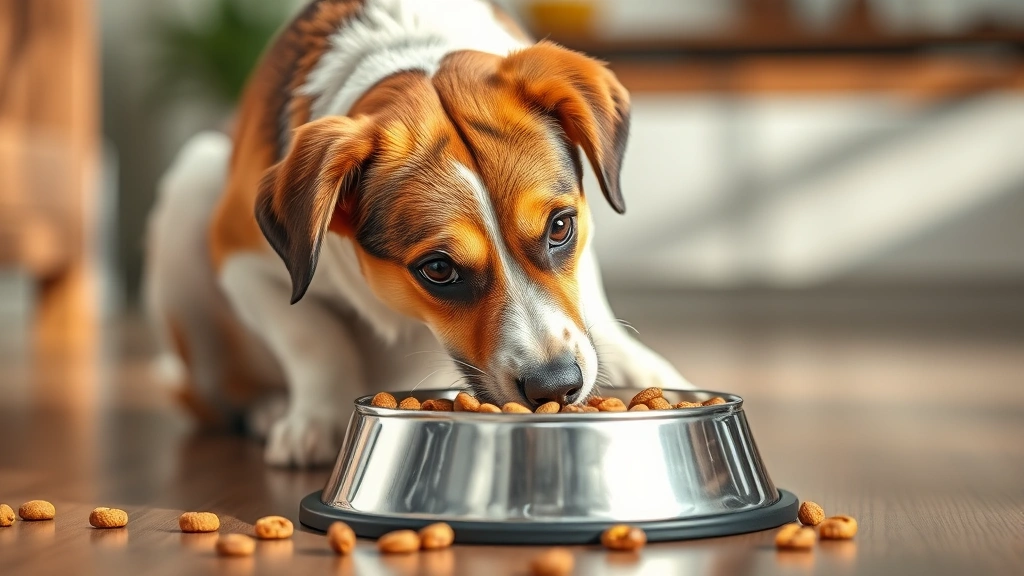
The kibble freshness feeding window is one of those pet care topics that doesn’t get nearly enough attention, yet it’s absolutely crucial for keeping your furry friend healthy and happy. You’ve probably bought that bag of dog food, scooped it into a bowl, and never thought twice about how long it’s been sitting there. But here’s the thing: just like your leftovers go bad, your pet’s kibble has a shelf life that matters more than you’d think.
Table of Contents
- What Exactly Is the Kibble Freshness Feeding Window?
- Why Kibble Freshness Matters for Your Pet’s Health
- Tip #1: Store Kibble in Airtight Containers
- Tip #2: Control Temperature and Humidity
- Tip #3: Practice FIFO (First In, First Out)
- Tip #4: Match Your Purchase Size to Your Pet’s Consumption Rate
- Tip #5: Know the Signs of Kibble Degradation
- Understanding the Role of Antioxidants in Kibble Freshness
- Seasonal Considerations for Kibble Storage
- Transitioning Foods While Respecting Freshness Windows
- Frequently Asked Questions
- Summary: Taking Control of Your Pet’s Nutrition
Whether you’re dealing with a picky Pomeranian or a garbage-disposal Golden Retriever, understanding how to manage your pet’s dog feeding routine and the freshness window of their kibble can prevent digestive issues, nutrient loss, and even food-borne illness. Let’s dig into this essential aspect of pet nutrition that could literally save you a trip to the vet.
What Exactly Is the Kibble Freshness Feeding Window?
Think of the kibble freshness feeding window as the sweet spot—the timeframe during which your pet’s dry food is at its nutritional peak and safest to eat. Once you open that bag, a clock starts ticking. Oxygen, moisture, and light begin degrading the fats, vitamins, and minerals in the kibble. It’s not that the food suddenly becomes toxic at day 30, but the nutritional quality and safety start declining.
Most veterinarians recommend consuming opened kibble within 2-4 weeks, though some premium brands can last up to 6 weeks if stored properly. The unopened bag? That can last 12-18 months, depending on the manufacturer’s expiration date. But once you break that seal, you’re playing against the clock.
Why Kibble Freshness Matters for Your Pet’s Health
Your pet doesn’t have a sophisticated palate like you do. They can’t taste that the kibble has oxidized or that the fats have gone rancid. But their digestive system sure can feel it. Stale or degraded kibble can lead to:
- Nutrient deficiency: Vitamins A, D, E, and the omega fatty acids break down over time
- Digestive upset: Rancid fats can cause vomiting, diarrhea, and general GI distress
- Reduced palatability: Even if your pet eats it, they’re getting less nutrition per bite
- Mold growth: In humid conditions, moisture can promote aflatoxins—a serious fungal toxin
According to PetMD, aflatoxin contamination is one of the leading causes of pet food recalls. This isn’t something to take lightly. Proper storage and respecting the kibble freshness feeding window can prevent these issues entirely.

Tip #1: Store Kibble in Airtight Containers
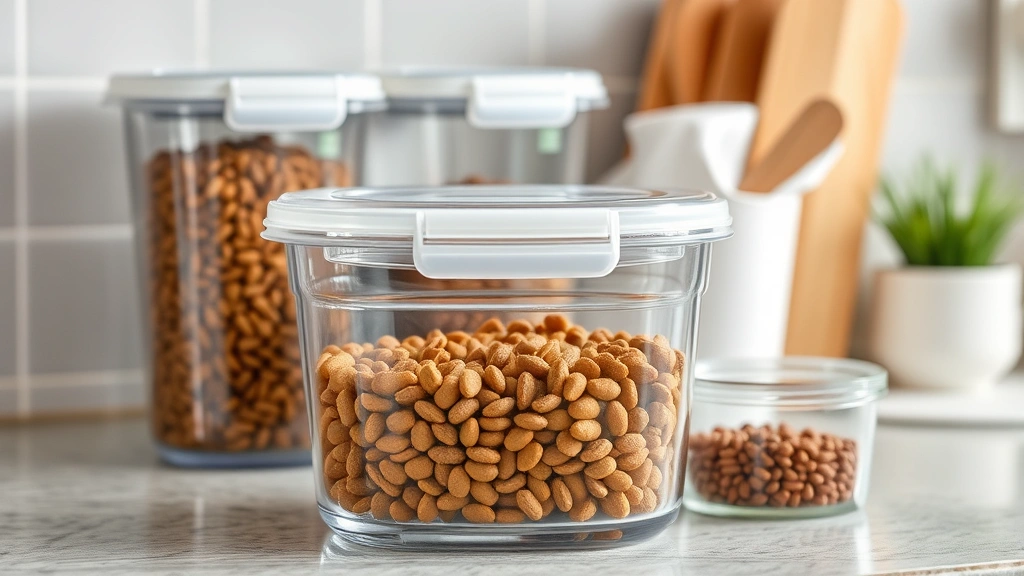
Leaving that bag open on your pantry shelf is basically asking for trouble. Oxygen is the enemy of kibble freshness. The best practice is to transfer your kibble into food-grade airtight containers immediately after opening the bag.
Here’s what to look for in a storage container:
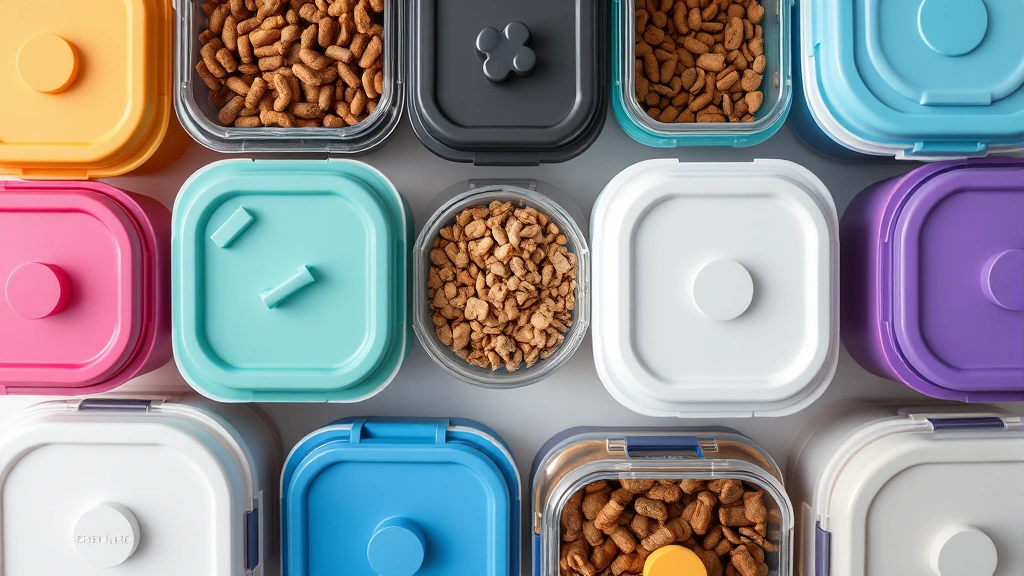
- Airtight seals: Silicone gaskets or snap-lock lids work best
- Food-grade plastic or glass: BPA-free is essential
- Opaque material: Light degrades nutrients, so avoid clear containers or store in a dark place
- Proper sizing: The container should minimize air space above the kibble
Pro tip: Many pet owners keep the original bag inside the container for reference on ingredients and feeding guidelines. This is smart, especially when managing your feeding schedules for pets.
Tip #2: Control Temperature and Humidity
Your kitchen might be cozy for you, but it’s a nightmare for kibble freshness. Heat and humidity accelerate fat oxidation and create the perfect environment for mold growth. Store kibble in a cool, dry place—ideally between 50-70°F.
Avoid these storage locations:
- Above or near the stove (temperature fluctuations)
- In damp basements or garages (moisture = mold)
- Under the sink (humidity from plumbing)
- In direct sunlight (UV degradation)
- In cars or uninsulated spaces (temperature extremes)
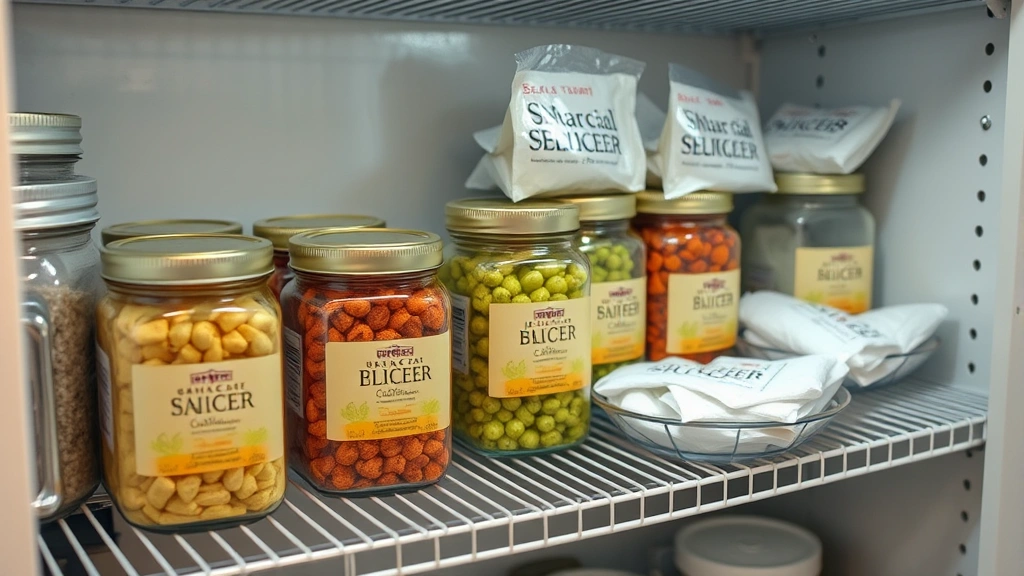
A pantry, closet, or cool cabinet is ideal. If you live in a humid climate, consider adding food-safe silica gel packets to your storage container. These absorb excess moisture and can extend your kibble freshness feeding window by several weeks.
Tip #3: Practice FIFO (First In, First Out)
This warehouse principle applies perfectly to pet food management. When you buy a new bag of kibble, don’t just toss it on top of the old supply. Organize your storage so the older food gets used first. Label containers with the date you opened them using a permanent marker.
This system becomes especially important when managing pet meal frequency across multiple pets or when you’re buying in bulk. You don’t want to accidentally feed your dog kibble that’s been sitting around for three months while the newer bag stays fresh in the back.
Tip #4: Match Your Purchase Size to Your Pet’s Consumption Rate
Here’s where a lot of pet owners make a critical mistake: they buy huge bags because they’re cheaper per pound. But if you have a small dog or cat, that 30-pound bag might sit around for six months. By the time you’re halfway through, the kibble at the bottom is well past its prime.
Calculate your pet’s actual consumption:
- Small dogs (under 20 lbs): 20-30 lb bags last 1-2 months
- Medium dogs (20-50 lbs): 30-50 lb bags last 1-2 months
- Large dogs (50+ lbs): 50+ lb bags last 1-2 months
- Cats: 5-10 lb bags last 2-4 weeks
Yes, you might pay slightly more per pound on smaller bags, but you’re maximizing nutrition and minimizing waste. Factor in potential vet bills from feeding degraded kibble, and the small premium makes perfect sense. When combined with proper size-based portion control, you’ll optimize both freshness and nutrition.
Tip #5: Know the Signs of Kibble Degradation
Even with perfect storage, sometimes kibble goes off. Train yourself to recognize the warning signs:
- Rancid smell: If it smells like stale popcorn or nuts, the fats have oxidized
- Visible mold or discoloration: Fuzzy spots or unusual colors = don’t feed
- Oily or greasy appearance: Fat separation indicates oxidation
- Clumping or stickiness: Moisture has compromised the kibble
- Insect activity: Weevils or other pests mean immediate disposal
When in doubt, throw it out. Your pet’s health isn’t worth saving $5 on a bag of questionable kibble. Trust your senses—if something seems off, it probably is.
Understanding the Role of Antioxidants in Kibble Freshness
Premium kibble brands invest in natural antioxidants like mixed tocopherols (vitamin E) and rosemary extract to extend shelf life and maintain freshness. Budget brands often use synthetic preservatives like BHA or BHT, which are more effective but potentially problematic for long-term health.
Check your kibble’s ingredient list. If it lists expiration dates and manufacturing dates clearly, that’s a sign the company takes freshness seriously. Some brands even include “best by” dates on individual bags, which is incredibly helpful for managing your kibble freshness feeding window.
According to research from the Association of American Feed Control Officials (AAFCO), proper antioxidant levels can extend kibble viability, but they can’t overcome poor storage practices.
Seasonal Considerations for Kibble Storage
Different seasons present different challenges for maintaining kibble freshness. Summer heat and humidity are your biggest enemies—they accelerate oxidation and create mold conditions. Winter can actually be your friend if you live somewhere cold, as lower temperatures slow degradation.
During summer months:
- Buy smaller bags more frequently
- Store in the coolest part of your home
- Use silica gel packets religiously
- Check kibble more frequently for signs of degradation
During winter:
- You can stretch your kibble freshness feeding window slightly
- Still maintain proper storage practices—don’t get complacent
- Avoid storing in unheated garages where temperature swings occur
Transitioning Foods While Respecting Freshness Windows
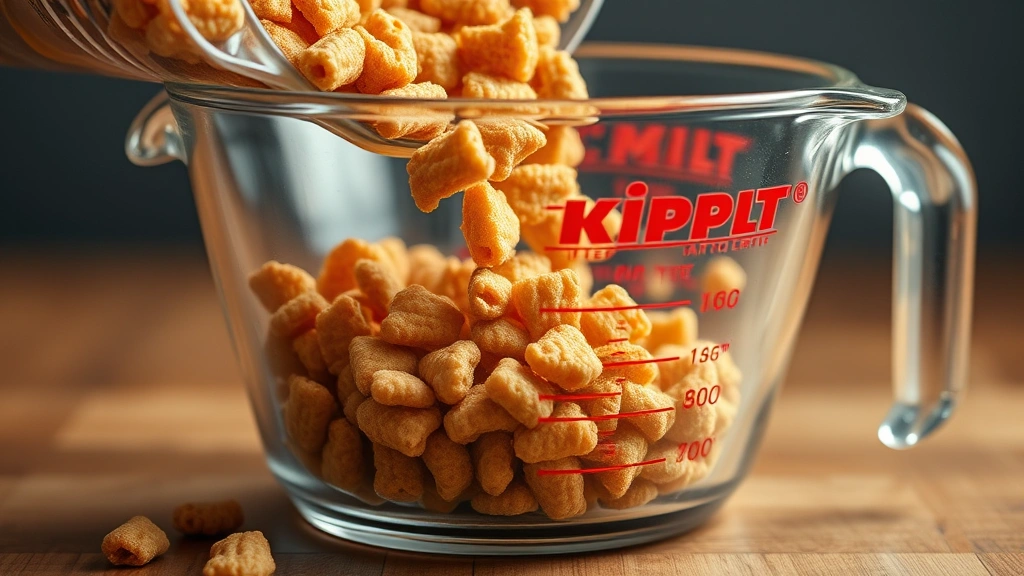
When you’re switching your pet to a new kibble brand, you need to respect both the freshness of the old food and the transition schedule. Don’t let old kibble sit around just because you’re introducing something new. A proper transition takes 7-10 days, so plan accordingly with your pet food transition schedule.
Mix the old and new kibble in gradually increasing proportions over this period. This prevents digestive upset while ensuring you’re not feeding stale food during the transition. If the old kibble is past its freshness window, donate it to an animal shelter (if unopened) or dispose of it responsibly.
Frequently Asked Questions
How long can kibble sit in a bowl before it goes bad?
Kibble can safely sit in a bowl for 24 hours in most conditions. However, in humid or hot environments, reduce this to 12 hours. If your pet doesn’t finish their meal within this timeframe, remove uneaten kibble and store it properly. This is especially important when managing your dog’s feeding routine, as leaving food out can also attract pests and bacteria.
Can I freeze kibble to extend its freshness?
Yes! Freezing is an excellent way to extend your kibble freshness feeding window. Store kibble in freezer-safe, airtight containers and it can last 6-12 months. Thaw it in the refrigerator before serving, or allow it to reach room temperature. This is particularly useful if you buy in bulk or want to stock up during sales.
What’s the difference between “best by” and expiration dates on kibble bags?
The “best by” date indicates peak nutritional quality, while expiration dates (less common on kibble) indicate safety. A “best by” date of 18 months from manufacture is standard for unopened bags. Once opened, ignore the printed date and count from your opening date instead—the 2-4 week window applies.
Is wet food better than kibble for freshness?
Wet food actually has a shorter freshness window once opened—typically 2-3 days in the refrigerator. Kibble, when stored properly, actually maintains freshness longer. The advantage of wet food is higher moisture content and palatability, but it requires more careful management of the feeding window.
Can kibble go bad before the expiration date?
Absolutely. If stored improperly—in heat, humidity, or poor containers—kibble can degrade significantly before the printed date. Conversely, properly stored kibble can often remain nutritious slightly beyond the recommended timeframe. Storage conditions matter more than calendar dates.
Summary: Taking Control of Your Pet’s Nutrition
The kibble freshness feeding window isn’t complicated, but it does require intentionality. You’re not just buying pet food; you’re making an investment in your pet’s long-term health. Degraded kibble doesn’t provide the nutrition your pet needs, and in worst-case scenarios, it can cause serious health issues.
By implementing these five essential tips—proper storage containers, temperature control, FIFO organization, right-sized purchases, and vigilance about degradation signs—you’re taking control of your pet’s nutrition from bag to bowl. Your pet can’t tell you when their kibble has gone off, so you need to be their advocate.
Start with just one change: transfer your current kibble to an airtight container and label it with today’s date. That single action will improve your kibble freshness feeding window immediately. Then build from there. Your pet’s health—and your peace of mind—will thank you.





