
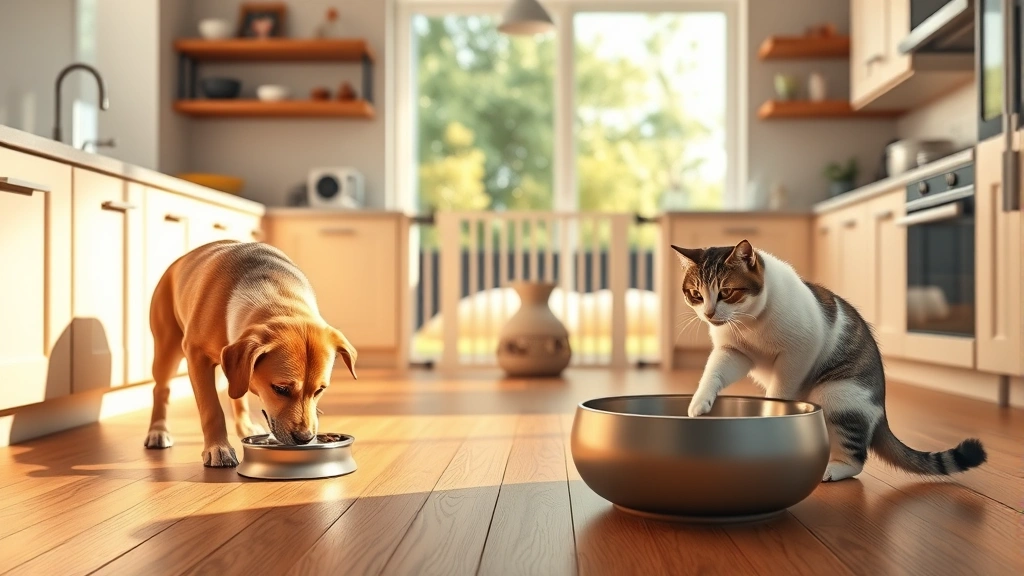
Feeding in multiple locations is one of the smartest strategies for keeping peace in a multi-pet household, and honestly, it’s a game-changer for pet parents juggling different dietary needs and eating speeds. If you’ve ever watched your cat sprint away from her bowl the moment your dog rounds the corner, or seen your smaller pup surrender their dinner to a more aggressive eater, you know the struggle is real. The chaos of mealtime can turn your kitchen into a war zone faster than you can say “kibble,” but the good news? Strategic feeding placement can transform dinner hour into a calm, organized event.
Table of Contents
- Why Feeding in Multiple Locations Actually Works
- Tip #1: Assess Your Pet’s Individual Needs and Dietary Requirements
- Tip #2: Create Separate Feeding Zones in Different Areas of Your Home
- Tip #3: Establish a Consistent Feeding Schedule Across All Locations
- Tip #4: Use Feeding Tools and Barriers to Maintain Boundaries
- Tip #5: Monitor Eating Behavior and Adjust as Needed
- Understanding Resource Guarding and How Multiple Locations Help
- Special Considerations for Different Pet Types
- Troubleshooting Common Multiple-Location Feeding Problems
- Creating Your Multi-Pet Feeding Master Plan
- Frequently Asked Questions
- Conclusion: Peace Through Strategic Placement
Why Feeding in Multiple Locations Actually Works
The concept of feeding in multiple locations isn’t just about spreading food around your house like some kind of pet picnic. It’s about creating separate dining zones that reduce competition, anxiety, and resource guarding behaviors. When pets eat in the same spot, they’re naturally competing for territory and food, which triggers stress hormones and can lead to aggressive behaviors. According to research from the American Kennel Club, resource guarding during mealtimes is one of the most common behavioral issues in multi-pet homes.
By establishing designated feeding areas for each pet, you’re essentially giving them their own “dining room” where they feel safe and secure. This is particularly important if you have pets with different dietary requirements or eating speeds. Your senior dog might need a quieter space away from the chaotic energy of younger animals, while your cat deserves a feeding spot where the dog can’t steal her specialized kidney diet food.
Tip #1: Assess Your Pet’s Individual Needs and Dietary Requirements
Before you start strategically placing bowls throughout your house, take time to understand what each pet actually needs. Not all pets eat the same food, and not all pets should eat at the same pace. Some pets have medical conditions requiring prescription diets, while others might be on weight management programs. Your Chihuahua probably doesn’t need the same calorie intake as your Golden Retriever, and your indoor cat has completely different nutritional needs than your outdoor tabby.
When feeding indoor vs outdoor cats, you’ll notice they often have different activity levels and thus different feeding schedules. Indoor cats tend to be less active and may need portion control, while outdoor cats might need more calories to maintain their energy. Understanding these nuances helps you create a feeding system that actually works for your specific household.
Check with your veterinarian about each pet’s optimal feeding schedule, portion sizes, and any special dietary considerations. This foundational knowledge becomes your blueprint for successful multiple-location feeding.
Tip #2: Create Separate Feeding Zones in Different Areas of Your Home
The physical separation of feeding locations is where the magic happens. Ideally, you want feeding zones that are far enough apart that pets can’t see each other eating or quickly abandon their own food to investigate someone else’s bowl. Common feeding locations include:
- Kitchen: The primary feeding zone, often best for dogs who need supervision
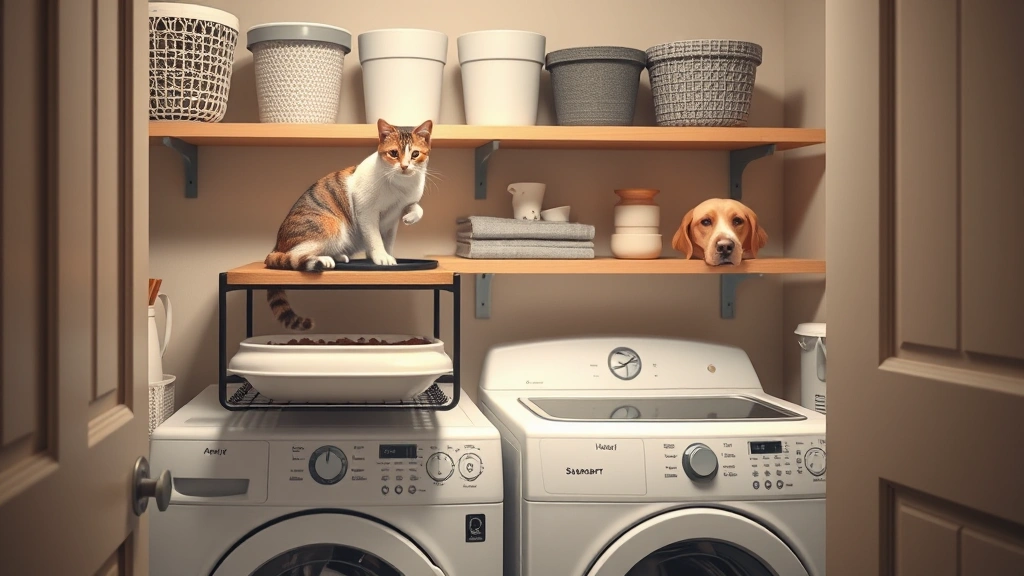
- Laundry room or mudroom: Perfect for a second dog or messy eaters
- Bathroom: Excellent for cats who prefer privacy and away from dog traffic
- Bedroom: Ideal for senior pets or anxious eaters who need a quiet, low-stress environment
- Garage or utility area: Great for outdoor-access pets or those with specialized feeding needs
The key is ensuring each pet has a dedicated space where they can eat without feeling threatened or rushed. If you follow a dog feeding routine, you’re already thinking about consistency—now just apply that same thinking to location.
Tip #3: Establish a Consistent Feeding Schedule Across All Locations
Consistency is the secret sauce that makes multiple-location feeding actually work. Your pets thrive on routine, and knowing when and where they’ll eat reduces anxiety and behavioral problems. Set specific feeding times and stick to them religiously. If your dog eats at 7 AM and 6 PM, make those times non-negotiable.
For households with pets on different schedules, use visual cues or timers to help you remember who eats when. Some pet parents use a simple chart on the refrigerator, while others rely on phone alarms. The pet sitter feeding guide is an excellent resource if you need to document your feeding protocol for caregivers or when you’re away from home.
A consistent schedule also helps with house-training, digestion monitoring, and overall health management. When you know exactly when each pet eats, you can better track their bathroom habits and catch any dietary issues early.
Tip #4: Use Feeding Tools and Barriers to Maintain Boundaries
Physical barriers and specialized feeding equipment can be game-changers in multi-pet households. Baby gates are your best friend here—they allow you to close off feeding areas so pets can’t interrupt each other’s meals. A simple gate between the kitchen and living room means your dog can eat peacefully while your cat munches away in the laundry room.
Consider investing in:
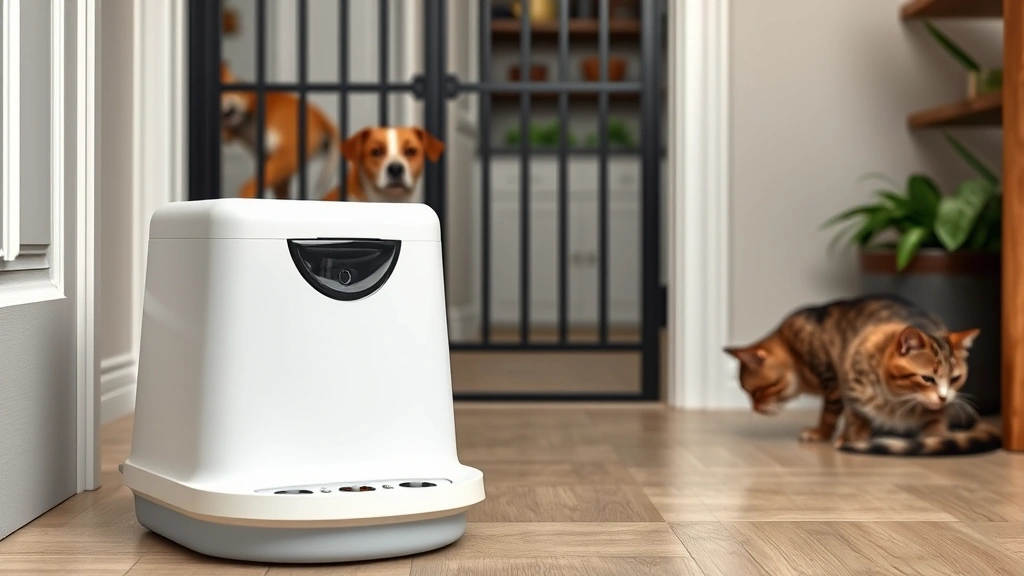
- Microchip feeders: These only open for your specific pet, perfect for preventing diet-stealing and medication management
- Elevated bowls: Help with digestion and are particularly beneficial for senior pets
- Slow feeders: Reduce gulping and improve digestion for enthusiastic eaters
- Puzzle feeders: Add mental stimulation and slow down eating speed
If you’re working with lick mats feeding schedule or enrichment-based feeding, these tools become even more valuable for keeping pets engaged in their designated zones.
Tip #5: Monitor Eating Behavior and Adjust as Needed
Even the best-laid feeding plans need tweaking sometimes. Pay close attention to how your pets respond to the multiple-location system. Are they eating their full portions? Do they seem stressed or anxious? Are they attempting to raid each other’s bowls when you’re not looking?
Signs that your setup is working include:
- Each pet eating their entire meal without leaving food behind
- Relaxed body language during mealtime
- No resource guarding or aggressive behaviors
- Stable weight and good health markers
- Reduced stress-related behaviors throughout the day
If something isn’t working, don’t be afraid to adjust. Maybe your cat’s bathroom feeding spot needs to be even more secluded. Perhaps your dogs need gates between their feeding areas. Some households even benefit from feeding pets at slightly different times rather than simultaneously, which is especially helpful if you have a particularly aggressive eater.
According to PetMD, behavioral changes during feeding time can indicate underlying health issues, so monitor carefully and consult your vet if you notice anything concerning.
Understanding Resource Guarding and How Multiple Locations Help
Resource guarding is a natural behavior, but it can escalate into dangerous situations in multi-pet homes. When a pet feels they must protect their food from competitors, they develop anxiety and may become aggressive. Feeding in multiple locations directly addresses this by eliminating the competition.
Your dog doesn’t have to guard their bowl if they’re alone in the kitchen. Your cat doesn’t need to eat quickly and anxiously if she has a quiet bathroom to herself. By removing the perceived threat, you’re actually helping your pets feel safer and more secure.
Special Considerations for Different Pet Types
Cats have different needs than dogs, and small pets have different needs than large pets. When managing a household with mixed species, remember that cats are obligate carnivores with specific nutritional requirements, dogs are more adaptable omnivores, and small animals like rabbits or guinea pigs need completely different setups.
For multi-dog households, consider the age and temperament of each dog. Senior dogs often eat slower and may need a quieter, more accessible feeding area. Puppies eat multiple times daily and might need a separate zone from adult dogs. Aggressive eaters benefit from being fed separately and supervised, which feeding in multiple locations naturally facilitates.
If you work with a boarding facility feeding instructions protocol, make sure your home feeding system is documented so caregivers understand your multi-location approach.
Troubleshooting Common Multiple-Location Feeding Problems
Sometimes even the best system hits snags. If your pets are still having food-related conflicts, consider these solutions:
- Pets stealing food between meals: Use closed containers and keep bowls out only during feeding times
- Anxiety around mealtimes: Feed in more isolated locations and consider calming supplements (consult your vet first)
- Inconsistent eating: Establish a 20-minute eating window, then remove uneaten food
- Weight management issues: Measure portions carefully and consider using cat food portions guidelines as a starting point for all pets
- Medication administration: Use microchip feeders to ensure the right pet gets medicated food
Creating Your Multi-Pet Feeding Master Plan
Start by mapping out your home and identifying potential feeding locations. Consider traffic flow, noise levels, and accessibility. Write down each pet’s feeding times, portion sizes, and any special dietary needs. Create a simple chart or document that you can share with anyone who helps care for your pets.
The investment in creating a solid multiple-location feeding system pays dividends in reduced stress for both you and your pets. You’ll spend less time breaking up food-related conflicts and more time enjoying peaceful mealtimes.
Frequently Asked Questions
How far apart should feeding locations be?
Ideally, feeding locations should be in different rooms or areas separated by at least one doorway. This prevents pets from seeing each other eat and eliminates the temptation to abandon their own food. The farther apart, the better—a kitchen and bathroom feeding setup is ideal for a dog-cat household.
Can I feed multiple pets in the same room at different times?
Absolutely! Many households successfully feed pets in the same location but at different times. This works especially well if you have a consistent schedule and can supervise each feeding. Just ensure there’s enough time between feedings for you to clean up and prevent leftover food from attracting the next eater.
What’s the best way to prevent my dog from eating the cat’s food?
The most effective solution is physical separation—feed your cat in a room the dog can’t access, or use a baby gate with a cat door. Microchip feeders designed for cats are another excellent option, as they only open for your cat’s collar chip. Remove the cat’s bowl immediately after eating to prevent the dog from accessing leftover food.
Is it expensive to set up multiple feeding locations?
Not necessarily! You likely already have bowls and feeding supplies. The main costs are optional upgrades like baby gates (usually $20-50), microchip feeders (around $100-200), or elevated feeders ($30-80). You can start with free solutions like using different rooms in your home before investing in equipment.
How long does it take for pets to adjust to multiple-location feeding?
Most pets adapt within 1-2 weeks of consistent implementation. Cats and dogs are creatures of habit, so stick with your schedule and locations. If a pet seems stressed, give them a bit more time and ensure their feeding area is comfortable and secure. Some anxious pets may need 3-4 weeks to fully adjust.
Should I feed my pets at the same time or different times?
Simultaneous feeding works well for most multi-pet households when locations are separate. It’s convenient and maintains a consistent routine. However, if you have pets with significant dietary differences or behavioral issues, staggered feeding times can be beneficial. Choose whichever system is most manageable for your household.
Conclusion: Peace Through Strategic Placement
Feeding in multiple locations transforms mealtime from a chaotic battlefield into a calm, organized routine that benefits every pet in your household. By assessing individual needs, creating separate zones, maintaining consistency, using appropriate tools, and monitoring progress, you’re setting up a system that reduces stress, prevents behavioral problems, and supports optimal nutrition for each pet.
The beauty of this approach is that it’s simple, cost-effective, and highly customizable to your specific household. Whether you have two cats, three dogs, or a mixed menagerie, the principles remain the same: separate spaces, consistent schedules, and dedicated attention to each pet’s unique needs.
Start implementing these tips today, and you’ll likely notice improvements in your pets’ behavior, health, and overall happiness within just a few weeks. Your kitchen will be quieter, your pets will be calmer, and mealtime will finally become the peaceful part of your day instead of the most stressful.





