

Managing multiple dog feeding strategies is like conducting an orchestra where every musician has different sheet music—and some of them are trying to eat each other’s instruments. If you’ve got more than one pup at home, you know the chaos that mealtimes can bring. The good news? There are proven methods to keep everyone fed, happy, and (most importantly) not fighting over kibble.
Table of Contents
- Why Multiple Dog Feeding Strategies Matter
- Strategy 1: Separate Location Feeding
- Strategy 2: Crate Feeding for Multi-Dog Households
- Strategy 3: Scheduled Feeding with Supervision
- Strategy 4: Mixed Diet Feeding Approach
- Strategy 5: Enrichment Feeding with Interactive Tools
- Managing Different Dietary Needs
- Preventing Resource Guarding and Food Aggression
- Timing and Consistency
- Troubleshooting Common Feeding Problems
- Frequently Asked Questions
- Final Thoughts on Multiple Dog Feeding Strategies
Why Multiple Dog Feeding Strategies Matter
Having more than one dog means juggling different nutritional needs, personalities, and eating speeds. One dog might be a speed-eater who’d demolish three bowls before the other even sniffs theirs. Another might have a sensitive stomach requiring limited ingredient diet timing. Without a solid feeding plan, you’re setting yourself up for resource guarding, obesity, nutritional imbalances, and general mealtime mayhem.
The American Kennel Club (AKC) emphasizes that proper nutrition varies significantly between individual dogs, making personalized feeding strategies essential for multi-dog households.
Strategy 1: Separate Location Feeding
This is the nuclear option of peace—and it works. Feed each dog in a completely different room or area. Fido gets the kitchen, Rover gets the bedroom, and Spot gets the laundry room. This eliminates resource guarding, prevents the fast eater from stealing slow eater’s food, and reduces stress during mealtimes.
Pro tip: Use baby gates or close doors to create physical barriers. This isn’t about isolation; it’s about creating safe spaces where each dog can eat without competition anxiety. You’ll notice calmer eating behaviors and better digestion when dogs aren’t stressed about food theft.
Strategy 2: Crate Feeding for Multi-Dog Households
If your dogs are already crate-trained (and let’s be honest, they should be), feeding them in their individual crates is genius. Each dog gets their own space, their own food bowl, and the security of knowing nobody’s stealing their dinner. This method works particularly well for dogs with different breed specific feeding needs.
Close the crate door during feeding, and open it once everyone’s finished. This teaches patience, respects individual dietary requirements, and prevents the classic “my dog ate someone else’s prescription food” disaster. Plus, it reinforces crate training as a positive experience.
Strategy 3: Scheduled Feeding with Supervision
Some people prefer scheduled feeding times rather than free-feeding (leaving food out all day). With multiple dogs, this approach requires you to stay present and supervise. Put down all bowls simultaneously, set a timer for 15-20 minutes, then remove uneaten food.
This method teaches dogs that mealtimes are specific events, not all-day buffets. It’s easier to monitor each dog’s intake, spot health issues through appetite changes, and maintain pet portion control. You’ll also notice which dogs are eating what, making it simple to adjust portions based on individual needs.
Strategy 4: Mixed Diet Feeding Approach
Not all dogs thrive on the same food. One might do great on mixed diet feeding, while another needs grain free feeding schedules. The beauty of multi-dog households is that you can customize each dog’s nutrition without guilt.
Combine wet and dry food, add fresh ingredients, or rotate proteins—whatever keeps your pack healthy. According to PetMD’s feeding guidelines, variety in diet can actually improve digestive health and nutrient absorption. Just ensure each dog gets their specific formula in their designated feeding area.

Strategy 5: Enrichment Feeding with Interactive Tools
Why just eat when you can work for your food? Feeding enrichment toys like puzzle feeders, snuffle mats, and slow-feeder bowls transform mealtime into mental stimulation. This strategy slows down fast eaters, engages their brains, and reduces behavioral problems from boredom.
Each dog gets their own enrichment toy with their portioned food. They’re so focused on working out the puzzle that they forget about stealing from their siblings. Plus, you’re building confidence in anxious eaters and burning mental calories in all your pups.
Managing Different Dietary Needs
Your senior dog needs joint support, your young pup needs growth nutrition, and your middle-aged dog is on a weight management plan. This is where separate feeding locations become non-negotiable. You can’t leave different foods out and hope nobody eats the wrong bowl—that’s a recipe for upset stomachs and vet bills.
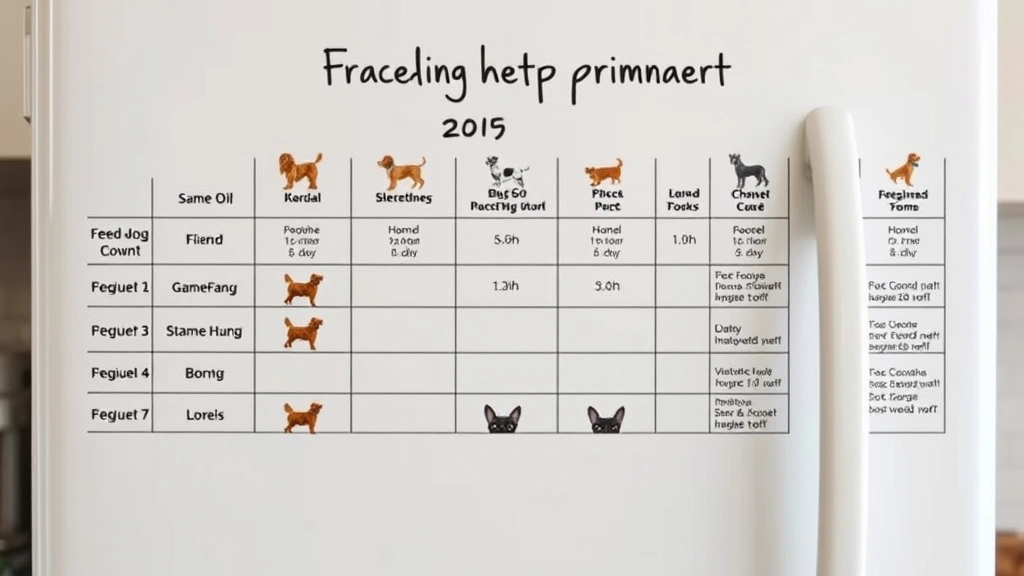
Create a feeding chart on your fridge. List each dog’s name, their food type, portion size, and feeding location. This prevents confusion, helps family members follow the same protocol, and makes it easy to spot if someone’s getting more or less than intended.
Preventing Resource Guarding and Food Aggression
Some dogs get weird about food. Resource guarding is a real behavior where dogs become protective, growly, or aggressive around meals. Multiple dog feeding strategies help prevent this by removing the competition.
Never punish resource guarding—it usually makes it worse. Instead, use separation, supervision, and positive reinforcement. Feed your dogs separately until you’re confident the behavior is managed. If aggression is severe, consult a certified dog trainer or veterinary behaviorist.
Timing and Consistency
Dogs are creatures of habit. Feed them at the same times every day. Morning and evening works for most households. Consistency helps with house training, reduces anxiety, and makes it easier to monitor health changes.
Set phone reminders if you’re forgetful. Your dogs will start reminding you anyway—they’re better than alarm clocks. Consistent feeding times mean consistent bathroom schedules, which means fewer accidents and better overall management of your multi-dog household.
Troubleshooting Common Feeding Problems
The fast eater is still stealing food? Try feeding them first, in a separate room, with the door closed. By the time you bring the slow eater’s bowl out, the speed demon is already done and settled.
One dog refuses to eat? Stress, health issues, or food boredom could be culprits. Check with your vet first. If it’s behavioral, try warming the food slightly, adding a tiny bit of low-sodium broth, or switching to a different feeding location.
Dogs are fighting at mealtimes? Separate feeding locations aren’t optional—they’re essential. Period. Don’t try to tough it out with one bowl.
Frequently Asked Questions
Can I free-feed multiple dogs?
Free-feeding (leaving food out all day) is risky with multiple dogs. You can’t monitor individual intake, can’t tell if someone’s sick until it’s obvious, and it encourages resource guarding. Scheduled feeding is almost always better for multi-dog households, especially if dogs have different nutritional needs.
How do I know if my dog is eating enough?
You should be able to feel their ribs without pressing hard, see a waist when looking from above, and notice consistent energy levels. Your vet can assess body condition at check-ups. Keep a feeding log for each dog to track portions and any changes in appetite or behavior.
What if one dog needs a prescription diet?
This is exactly why separate feeding locations exist. Feed your dog on prescription food in one room, close the door, and feed the others elsewhere. Never leave prescription food accessible to other dogs. If a dog accidentally eats the wrong food, call your vet to be safe.
Is it okay to feed dogs at different times?
Absolutely. If your schedule requires staggered feeding times, that’s fine. Some people feed their active dog earlier in the day and the couch potato later. Just keep it consistent for each individual dog.
How do I transition multiple dogs to a new food?
Do it gradually over 7-10 days, mixing increasing amounts of new food with old food. Since you’re feeding separately, you can transition each dog at their own pace based on their digestive sensitivity. This prevents upset stomachs across the board.
Final Thoughts on Multiple Dog Feeding Strategies
Managing multiple dog feeding strategies doesn’t have to be complicated, but it does require intentionality. Whether you choose separate locations, crate feeding, scheduled mealtimes, mixed diets, or enrichment feeding, the key is consistency and individualization. Your dogs have different needs, different eating speeds, and different personalities—treat them that way at mealtime.
Start with separate feeding locations if you’re not sure where to begin. Add enrichment toys if you want to boost mental stimulation. Adjust portions based on activity level and body condition. Most importantly, observe your dogs during and after meals. Their behavior and health will tell you if your strategy is working.
According to Cornell University’s College of Veterinary Medicine, individualized feeding approaches significantly improve long-term health outcomes in multi-pet households. Your effort now prevents problems later.
Happy feeding, and may your mealtime chaos transform into peaceful, harmonious moments where everyone gets exactly what they need.





