
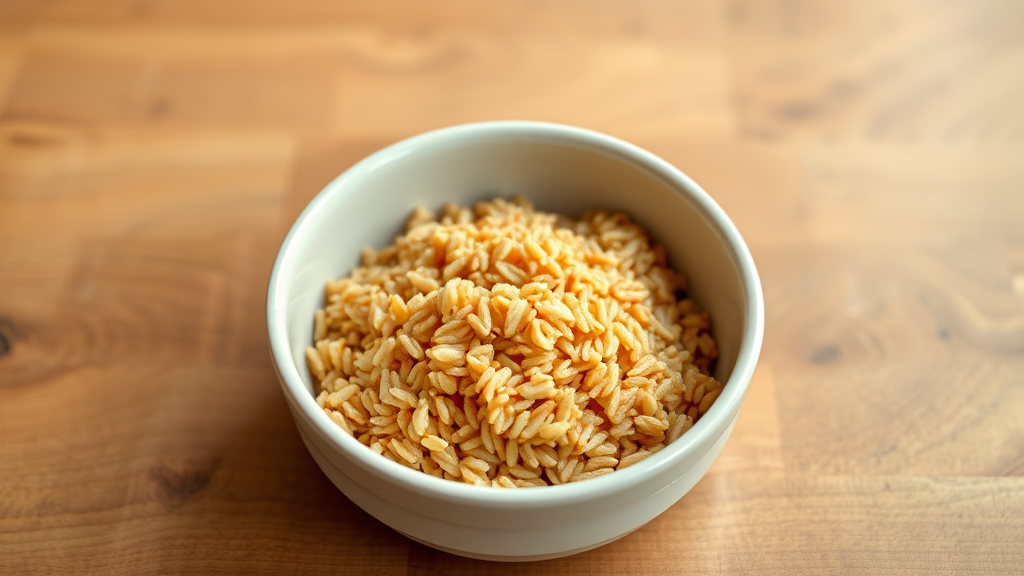
As a responsible pet owner, you’ve likely wondered about the safety of various human foods for your canine companion. One common question that arises is whether brown rice is safe for dogs to consume. This whole grain staple has gained popularity in human diets for its nutritional benefits, but does the same apply to our four-legged friends?
The short answer is yes – brown rice can be a safe and beneficial addition to your dog’s diet when prepared and served properly. Unlike some human foods that pose serious health risks to dogs, brown rice offers several nutritional advantages and can even serve as a digestive aid during times of stomach upset. However, like any dietary addition, it’s important to understand the proper way to incorporate brown rice into your pet’s meals and be aware of any potential considerations.
In this comprehensive guide, we’ll explore everything you need to know about feeding brown rice to your dog, from its nutritional benefits to proper preparation methods and potential risks to consider.
Nutritional Benefits of Brown Rice for Dogs
Brown rice is considered a nutritional powerhouse for both humans and dogs. Unlike its processed counterpart, brown rice retains its bran and germ layers, which contain essential nutrients that support canine health. This whole grain provides a complex carbohydrate source that offers sustained energy release, making it an excellent addition to active dogs’ diets.
The fiber content in brown rice is particularly beneficial for dogs’ digestive systems. This insoluble fiber helps regulate bowel movements, prevents constipation, and supports overall gut health. Additionally, the fiber aids in maintaining healthy weight by providing satiety without excessive calories, which is especially important for dogs prone to obesity.
Brown rice contains essential B vitamins, including niacin, thiamine, and riboflavin, which support nervous system function and energy metabolism. The grain also provides important minerals such as manganese, selenium, and magnesium. Manganese supports bone development and wound healing, while selenium acts as an antioxidant that protects cells from oxidative damage.
For dogs with food sensitivities or allergies, brown rice serves as an excellent hypoallergenic carbohydrate source. It’s naturally gluten-free and rarely causes allergic reactions, making it a safe option for dogs with grain sensitivities. Many veterinarians recommend brown rice as part of elimination diets when identifying food allergens.
Safety Considerations and Potential Risks
While brown rice is generally safe for dogs, there are several important considerations to keep in mind. The most significant concern is proper preparation – raw or undercooked rice can be difficult for dogs to digest and may cause gastrointestinal upset. Always ensure the rice is fully cooked and soft before serving it to your pet.
Portion control is crucial when feeding brown rice to dogs. Although it’s nutritious, rice should never comprise more than 10% of your dog’s daily caloric intake. Overfeeding can lead to nutritional imbalances and weight gain. How Much Food Should I Feed My Dog provides detailed guidance on proper portion sizing for your pet’s specific needs.
Dogs with diabetes require special consideration when consuming brown rice. While the complex carbohydrates provide more stable blood sugar levels compared to simple carbohydrates, diabetic dogs still need careful monitoring. Always consult with your veterinarian before adding brown rice to a diabetic dog’s diet, as it may require adjustments to insulin dosing.
Some dogs may experience digestive upset when first introduced to brown rice, particularly if they have sensitive stomachs. Signs of intolerance include vomiting, diarrhea, excessive gas, or loss of appetite. If these symptoms occur, discontinue feeding rice and consult your veterinarian.
According to the FDA’s pet food labeling guidelines, any dietary changes should be made gradually to prevent digestive upset.
How to Properly Prepare Brown Rice for Dogs
Proper preparation is essential for making brown rice safe and digestible for your canine companion. Begin by thoroughly rinsing the rice under cold water until the water runs clear. This removes excess starch and any potential contaminants that might cause digestive issues.
Cook brown rice using a 1:2 ratio of rice to water. Bring the water to a boil, add the rice, then reduce heat to low and simmer covered for 45-50 minutes. Brown rice takes longer to cook than white rice due to its intact bran layer, so patience is key. The finished product should be tender and fully cooked with no hard or crunchy pieces.
Never add salt, butter, oils, or seasonings when preparing rice for your dog. These additives can be harmful to canine health and may cause digestive upset or more serious health issues. Plain, unseasoned brown rice is the safest option for your pet.
Allow the cooked rice to cool completely before serving it to your dog. Hot food can burn their mouth and throat, causing pain and potential injury. You can store cooked brown rice in the refrigerator for up to three days or freeze it in portion-sized containers for longer storage.
For dogs with particularly sensitive digestive systems, consider cooking the rice with extra water to create a softer, more easily digestible consistency. This method is especially helpful when using rice as part of a bland diet for dogs recovering from gastrointestinal upset.
Serving Size Guidelines and Frequency
Determining the appropriate serving size of brown rice for your dog depends on several factors, including their size, age, activity level, and overall health status. As a general rule, rice should be considered a supplement to your dog’s regular diet rather than a primary food source.
For small dogs weighing under 20 pounds, start with 1-2 tablespoons of cooked brown rice per serving. Medium-sized dogs between 20-50 pounds can safely consume 1/4 to 1/2 cup, while large dogs over 50 pounds may have up to 1/2 to 3/4 cup. These portions should be offered no more than 2-3 times per week as part of a balanced diet.
When introducing brown rice for the first time, start with smaller portions to assess your dog’s tolerance. Monitor for any signs of digestive upset and gradually increase the amount if well-tolerated. Some dogs may prefer rice mixed with their regular kibble, while others enjoy it as a separate treat.
The frequency of feeding brown rice should align with your dog’s individual dietary needs. Active working dogs or those with high energy requirements may benefit from more frequent servings, while sedentary or overweight dogs should receive smaller, less frequent portions to prevent excess calorie intake.
Remember that brown rice should complement, not replace, your dog’s nutritionally complete commercial dog food. The Association of American Feed Control Officials (AAFCO) provides standards for complete and balanced pet nutrition that should form the foundation of your dog’s diet.
Brown Rice for Digestive Health Issues
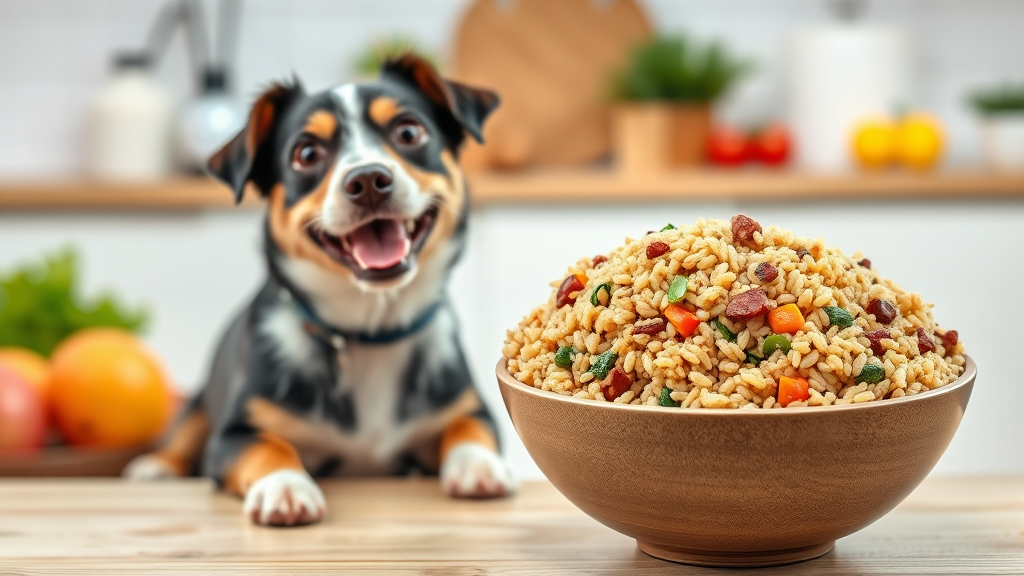
Brown rice can serve as an excellent therapeutic food for dogs experiencing various digestive health issues. Its bland nature and easily digestible properties make it a popular choice among veterinarians for managing gastrointestinal upset, including diarrhea, vomiting, and stomach sensitivity.
When used as part of a bland diet, brown rice helps firm loose stools and provides gentle nutrition while the digestive system recovers. The soluble fiber in brown rice absorbs excess water in the intestines, which can help reduce diarrhea frequency and severity. This makes it particularly useful during recovery from gastroenteritis or dietary indiscretion.
For dogs with inflammatory bowel disease (IBD) or other chronic digestive conditions, brown rice may offer long-term benefits. Its anti-inflammatory properties and gentle fiber content can help soothe irritated intestinal lining while providing necessary nutrients. However, dogs with severe IBD should only consume brown rice under veterinary supervision.
The prebiotic effects of brown rice fiber support beneficial gut bacteria growth, promoting overall digestive health. This is particularly important for dogs recovering from antibiotic treatment or those with compromised gut microbiomes. A healthy gut microbiome is essential for proper digestion, immune function, and overall well-being.
When preparing brown rice for digestive health purposes, consider cooking it with bone broth instead of water for added nutrients and palatability. Ensure the broth is low-sodium and free from onions, garlic, or other harmful ingredients. Can Dogs Eat Scrambled Eggs provides information about other bland diet options that can be combined with rice.
Brown Rice vs. White Rice: Which is Better?
The debate between brown rice and white rice for dogs often centers on nutritional value versus digestibility. Can Dogs Eat Brown Rice explores the specific benefits of the whole grain variety, while understanding the differences helps make informed decisions about your dog’s diet.
Brown rice retains its bran and germ layers, providing significantly more fiber, vitamins, and minerals compared to white rice. The higher fiber content supports digestive health and helps maintain steady blood sugar levels. Brown rice also contains more protein and essential fatty acids, making it nutritionally superior for long-term health benefits.
However, white rice has its place in canine nutrition, particularly for dogs with sensitive digestive systems or those recovering from gastrointestinal upset. Can Dogs Eat White Rice details how the refined grain is more easily digestible and less likely to cause digestive irritation in sensitive dogs.
The choice between brown and white rice often depends on your dog’s specific health needs and tolerance. Healthy dogs without digestive sensitivities typically benefit more from brown rice’s enhanced nutritional profile. Dogs with chronic digestive issues, elderly pets, or those recovering from illness may tolerate white rice better initially.
For most dogs, alternating between both types can provide variety while meeting different nutritional needs. During periods of digestive upset, white rice may be preferred, while brown rice can be incorporated during healthy periods for its superior nutritional benefits. The American Veterinary Medical Association emphasizes the importance of balanced nutrition in canine diets.
Alternative Grains for Dogs
While brown rice is an excellent grain option for dogs, several alternatives can provide similar nutritional benefits and variety in your pet’s diet. Understanding these options helps create a more diverse and interesting meal plan while meeting your dog’s nutritional needs.
Quinoa stands out as a superior alternative grain due to its complete protein profile containing all essential amino acids. Can Dogs Eat Quinoa provides detailed information about this superfood grain that offers higher protein content than rice while remaining easily digestible for most dogs.
Oats represent another excellent choice, particularly for dogs with sensitive digestive systems. Steel-cut or rolled oats provide beta-glucan fiber, which supports heart health and helps regulate cholesterol levels. Oats are also rich in antioxidants and provide sustained energy release similar to brown rice.
Barley offers unique benefits with its high fiber content and low glycemic index, making it suitable for diabetic dogs when used under veterinary guidance. Pearl barley is more digestible than hulled barley and provides essential nutrients including selenium, manganese, and B vitamins.
Sweet potatoes, while technically not a grain, serve as an excellent carbohydrate alternative rich in beta-carotene, fiber, and potassium. They’re naturally sweet, making them highly palatable for most dogs, and provide steady energy release without blood sugar spikes.
When considering grain alternatives, always introduce new foods gradually and monitor your dog’s response. Some dogs may have sensitivities to certain grains, so variety should be introduced slowly. For comprehensive information about rice options, Can Dogs Have Rice covers various rice types and their suitability for canine consumption.
The American Kennel Club provides extensive guidance on safe foods for dogs, including various grains and vegetables that can complement your pet’s diet.
Frequently Asked Questions
Can puppies eat brown rice?
Yes, puppies can eat brown rice, but it should be introduced gradually after they’re weaned and eating solid food (typically around 6-8 weeks old). Start with very small amounts of well-cooked, soft brown rice mixed with their regular puppy food. Puppies have more sensitive digestive systems than adult dogs, so monitor for any signs of upset stomach. Always consult with your veterinarian before adding new foods to a puppy’s diet, as their nutritional needs are specific for proper growth and development.
How often can I give my dog brown rice?
Brown rice can be given to dogs 2-3 times per week as part of a balanced diet. It should never exceed 10% of your dog’s daily caloric intake. For most dogs, this translates to small portions served occasionally rather than daily. If using brown rice as part of a therapeutic bland diet for digestive upset, follow your veterinarian’s specific recommendations, which may involve more frequent feeding for short periods.
Is brown rice better than commercial dog food?
Brown rice should not replace commercial dog food but can complement it. High-quality commercial dog foods are formulated to meet all of a dog’s nutritional requirements according to AAFCO standards. Brown rice lacks essential nutrients like adequate protein, calcium, and certain vitamins that dogs need for optimal health. Use brown rice as a supplement or treat alongside a nutritionally complete commercial diet.
Can dogs with grain allergies eat brown rice?
Most dogs with grain allergies can safely eat brown rice because rice allergies are relatively rare in canines. However, dogs with severe grain sensitivities should have brown rice introduced under veterinary supervision. If your dog has been diagnosed with grain allergies, discuss with your veterinarian whether brown rice is appropriate. Some dogs may tolerate rice while being allergic to wheat, corn, or other grains.
What should I do if my dog has diarrhea after eating brown rice?
If your dog develops diarrhea after eating brown rice, discontinue feeding it immediately and provide plenty of fresh water to prevent dehydration. The diarrhea may be due to too large a portion, too rapid introduction, or individual sensitivity. Offer a bland diet of plain cooked chicken and white rice (which is more easily digestible than brown rice) until symptoms resolve. Contact your veterinarian if diarrhea persists for more than 24 hours or if your dog shows other concerning symptoms.
Can I mix brown rice with my dog’s regular kibble?
Yes, you can mix small amounts of cooked brown rice with your dog’s regular kibble. This can add variety and additional fiber to their diet. Start with just a tablespoon or two mixed into their regular portion and monitor their response. Ensure the total meal size doesn’t exceed your dog’s daily caloric needs, and remember that the rice should only comprise a small percentage of the overall meal. Can Dogs Eat Rice provides more detailed information about incorporating rice into your dog’s regular feeding routine.
Should I avoid giving brown rice to overweight dogs?
Brown rice can be included in an overweight dog’s diet, but portions must be carefully controlled. The fiber in brown rice can actually help with weight management by providing satiety with fewer calories. However, rice is still a source of carbohydrates and calories, so it should be factored into the dog’s total daily intake. For overweight dogs, consider replacing a small portion of their regular kibble with brown rice rather than adding it as extra food. Always work with your veterinarian to develop an appropriate weight management plan. Understanding proper portions is crucial, and resources about feeding guidelines can help ensure your dog maintains a healthy weight.





