
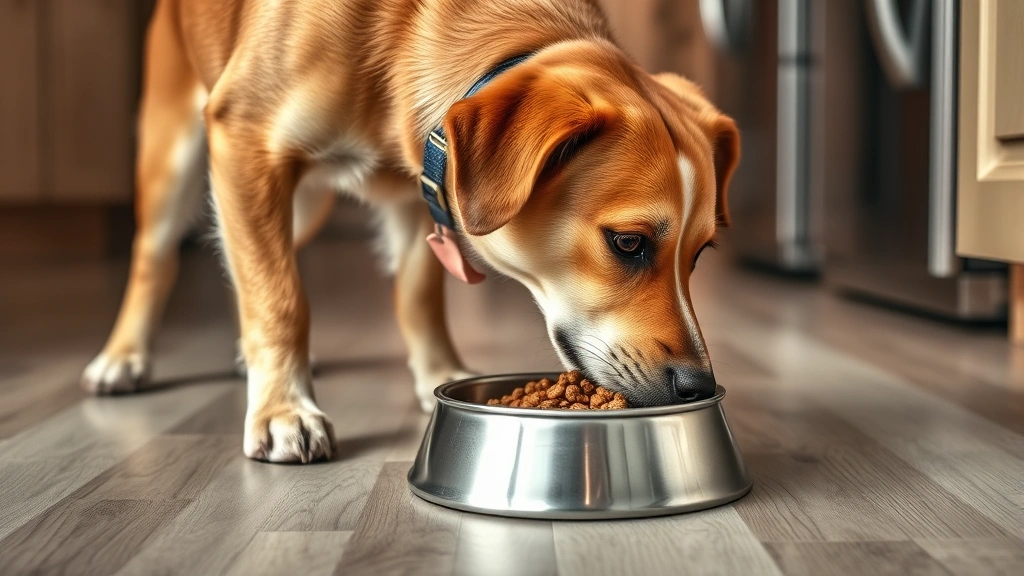
Making permanent feeding routine adjustments for your pet isn’t just about tossing kibble in a bowl and calling it a day—it’s about creating a sustainable eating schedule that keeps your furry friend healthy, happy, and thriving for years to come. Whether you’re dealing with a growing puppy, an aging senior, or a pet with special dietary needs, the right feeding strategy can be a game-changer.
Table of Contents
- Why Permanent Feeding Routine Adjustments Matter More Than You Think
- Tip #1: Transition to a Scheduled Feeding System (Not Free Feeding)
- Tip #2: Adjust Portions Based on Life Stage and Activity Level
- Tip #3: Implement Portion Control Without Starvation Drama
- Tip #4: Plan for Permanent Feeding Routine Adjustments as Your Pet Ages
- Tip #5: Monitor and Adjust Based on Health Changes
- The Difference Between Scheduled and Free Feeding
- Creating Your Permanent Feeding Routine Adjustments Plan
- Common Mistakes to Avoid
- Frequently Asked Questions
- The Bottom Line on Permanent Feeding Routine Adjustments
Why Permanent Feeding Routine Adjustments Matter More Than You Think
Let’s be honest: most pet owners wing it when it comes to feeding. We eyeball portions, skip meals because we’re busy, and wonder why Fluffy is acting sluggish or gaining weight. But here’s the truth—permanent feeding routine adjustments are one of the most impactful changes you can make for your pet’s longevity and quality of life.
According to the Association of American Feed Control Officials (AAFCO), proper nutrition directly impacts everything from coat quality to immune function. When you establish consistent feeding patterns, you’re not just managing hunger—you’re regulating metabolism, supporting digestive health, and preventing behavioral issues tied to food anxiety.
Tip #1: Transition to a Scheduled Feeding System (Not Free Feeding)
The biggest mistake pet owners make? Leaving food out all day. This is the fast track to obesity, digestive issues, and a pet who thinks mealtimes are a free-for-all.
Instead, implement scheduled feeding. This means setting specific times—typically twice daily for adult dogs and cats—when your pet eats. Here’s why this works:
- Predictability reduces anxiety and behavioral issues
- You can monitor exactly how much your pet eats
- It helps regulate bathroom schedules (a vet tech’s best friend)
- You’ll notice appetite changes immediately, which can signal health issues
When making this shift as part of your permanent feeding routine adjustments, do it gradually. Mix the new schedule with free feeding for a week or two, then transition fully. Your pet’s digestive system needs time to adapt.
Tip #2: Adjust Portions Based on Life Stage and Activity Level
A hyperactive Border Collie needs completely different caloric intake than a couch-potato Basset Hound. Yet many owners feed their pets the same amount regardless of lifestyle. That’s where feeding active vs inactive dogs becomes crucial.
Check out the PetMD nutrition guidelines for baseline recommendations. Generally:
- Puppies: 3-4 meals daily, higher protein content
- Adult dogs: 2 meals daily, moderate portions
- Senior pets: 2 meals daily, often lower calories but higher fiber
- Highly active pets: 20-30% more calories than sedentary pets
Use the weight-based feeding guide as your starting point, then adjust based on your pet’s body condition score. You should be able to feel their ribs without pressing hard—that’s the sweet spot.
Tip #3: Implement Portion Control Without Starvation Drama
Here’s where permanent feeding routine adjustments get real: portion control. Your pet will act like they’re dying of hunger even if they’ve eaten 30 minutes ago. Don’t fall for it.
Invest in a proper measuring cup or kitchen scale. Eyeballing portions is how pets end up overweight. According to veterinary research, obesity affects nearly 60% of pets in the US, leading to diabetes, joint problems, and shortened lifespans.
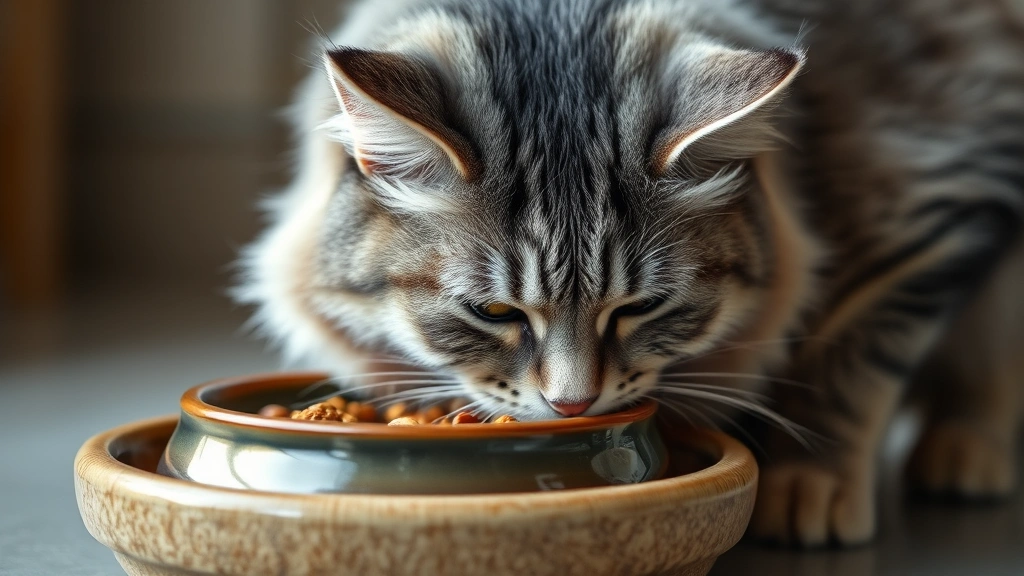
Pro tip: If your pet is genuinely hungry (not just begging), add volume with low-calorie additions:
- Green beans (steamed, no seasoning)
- Pumpkin puree (great for digestion too)
- Carrots (raw or cooked)
- Plain sweet potato
These additions fill the bowl without adding significant calories, making your pet feel satisfied while you maintain their weight.
Tip #4: Plan for Permanent Feeding Routine Adjustments as Your Pet Ages
Your pet’s nutritional needs change dramatically over their lifetime. What works for a 2-year-old won’t work for a 10-year-old. This is why geriatric pet feeding tips are essential knowledge for every pet owner.
Senior pets typically need:
- Fewer calories (metabolism slows by 20-30%)
- Higher quality protein (to maintain muscle mass)
- Joint-supporting supplements (glucosamine, omega-3s)
- Easier-to-digest foods (especially if they have dental issues)
- More frequent smaller meals if they have digestive sensitivities
Start making these adjustments around age 7-8 for dogs and 10+ for cats. Your vet can recommend specific foods formulated for senior pets.

Tip #5: Monitor and Adjust Based on Health Changes
Permanent doesn’t mean static. Your pet’s needs will shift based on health conditions, medications, and life circumstances. This is where understanding caloric needs for dogs becomes practical knowledge you’ll use regularly.
Watch for these signs that adjustments are needed:
- Weight gain or loss (more than 10% change is significant)
- Changes in energy levels
- Digestive issues (constipation, diarrhea)
- Dull coat or skin problems
- Excessive hunger or thirst
- Behavioral changes around food
If you notice any of these, don’t just adjust on your own—consult your vet. Sometimes what looks like a feeding issue is actually a medical problem requiring professional attention.
The Difference Between Scheduled and Free Feeding
We touched on this earlier, but it deserves deeper exploration. The choice between scheduled feeding and free feeding vs scheduled feeding is foundational to your permanent feeding routine adjustments.
Scheduled Feeding Benefits:

- Complete portion control
- Easy to identify health issues through appetite changes
- Helps with house training in puppies
- Reduces food-related anxiety and aggression
- Easier to manage multi-pet households
Free Feeding Downsides:
- No portion control whatsoever
- Impossible to track actual intake
- Leads to obesity in most pets
- Can mask appetite loss (early sign of illness)
- Encourages food guarding behaviors
The only scenario where free feeding might work is with adult cats who naturally self-regulate (and even that’s debatable with modern indoor cats).
Creating Your Permanent Feeding Routine Adjustments Plan
Ready to implement changes? Here’s a practical roadmap:
Week 1: Schedule a vet visit. Get your pet’s current weight, body condition score, and caloric needs baseline.
Week 2: Calculate proper portions using your pet’s weight and activity level. Start transitioning to scheduled feeding if you’re currently free feeding.

Week 3: Establish your feeding schedule (most owners do 8 AM and 6 PM). Stick to it religiously—consistency is everything.
Week 4+: Monitor weight, energy, and overall health. Make micro-adjustments as needed. Recheck weight monthly for the first three months, then quarterly.
Document everything. Seriously. Keep notes on portions, weight, energy levels, and any health changes. This becomes invaluable information for your vet and helps you spot patterns.
Common Mistakes to Avoid
Even with good intentions, pet owners make feeding mistakes. Here are the biggest ones:
Mistake #1: Treating food as love. Your pet doesn’t need extra treats to know you love them. Overfeeding is actually a form of harm, not affection.
Mistake #2: Ignoring breed-specific needs. Large breed puppies need different nutrition than small breeds. Giant breeds are prone to joint issues requiring specific mineral ratios.
Mistake #3: Switching foods too quickly. New food requires a 7-10 day transition period. Sudden changes cause digestive upset.
Mistake #4: Feeding table scraps. People food is calorie-dense and often contains ingredients toxic to pets. Just don’t do it.
Mistake #5: Assuming all commercial pet foods are equal. Read labels. Look for named meat sources (chicken, beef) not “meat by-products.” Quality matters.
Frequently Asked Questions
How often should I adjust my pet’s feeding routine?
Review and potentially adjust feeding routines every 6-12 months, or immediately if you notice health changes. Major life changes (new pet, moving, health diagnosis) warrant immediate reassessment.

Can I feed my dog once a day instead of twice?
Not recommended for most dogs. Twice-daily feeding is the standard for good reason—it supports better digestion, more stable energy levels, and easier house training. Senior dogs with certain health conditions might be exceptions, but consult your vet first.
What’s the best time to feed my pet?
Consistency matters more than specific times. That said, many owners do well with morning (7-8 AM) and evening (6-7 PM) feedings. Avoid feeding right before vigorous exercise, which can increase bloat risk in deep-chested breeds.
How do I know if my pet is overweight?
You should be able to feel ribs easily without pressing hard. There should be a visible waist when viewed from above. If you can’t feel ribs or see a waist, your pet is likely overweight. Your vet can provide an official body condition score.
Are grain-free diets better for pets?
Not necessarily. The grain-free trend isn’t backed by solid evidence and may actually increase heart disease risk in some dogs. Focus on quality ingredients and balanced nutrition rather than grain-free marketing.
Should I supplement my pet’s diet?
Only if recommended by your vet. Over-supplementation can be harmful. A quality commercial pet food should provide complete nutrition for healthy pets. Senior pets, those with health conditions, or working dogs might benefit from specific supplements like omega-3s or glucosamine.
The Bottom Line on Permanent Feeding Routine Adjustments
Making permanent feeding routine adjustments isn’t complicated, but it does require commitment and attention. You’re essentially becoming your pet’s nutritional manager—tracking intake, monitoring results, and making informed decisions about their health.
Start with the basics: establish a schedule, measure portions accurately, and monitor your pet’s response. As your pet ages and circumstances change, adjust accordingly. Most importantly, work with your veterinarian to ensure your approach aligns with your individual pet’s needs.
Your pet can’t tell you they’re hungry or that their joints hurt. They can’t read nutrition labels or make healthy food choices. That responsibility falls on you. But here’s the good news: when you get feeding right, you’ll see improvements in energy, coat quality, weight management, and overall health. That’s worth the effort.





