
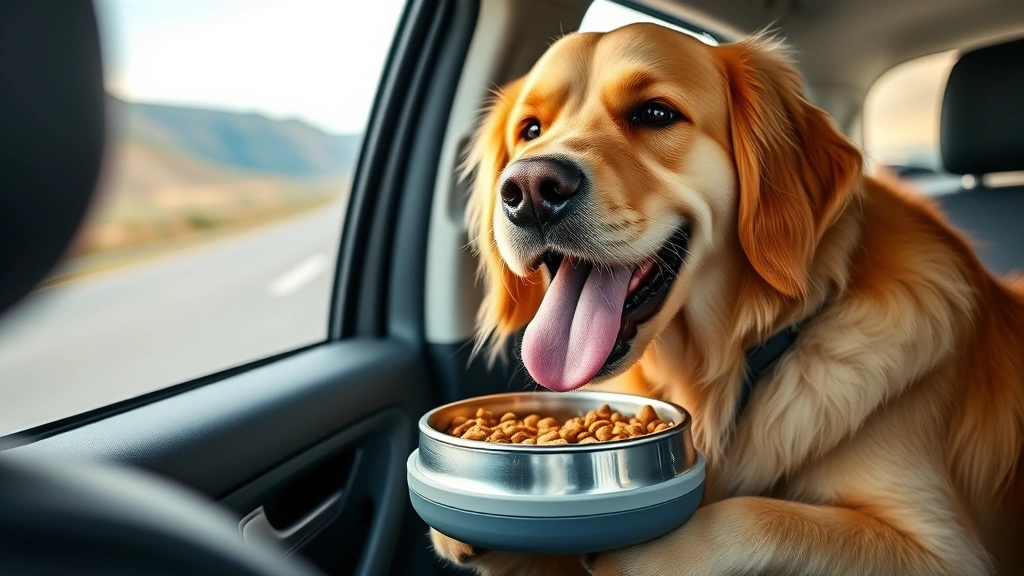
Feeding during travel can be one of the trickiest parts of taking your furry friend on an adventure, whether you’re heading across town or across the country. Your pet’s stomach doesn’t care that you’re in a moving vehicle or a hotel room—it still expects dinner at the usual time. The good news? With a little planning and these ten essential tips, you can keep your pet happy, healthy, and well-fed no matter where your travels take you.
Table of Contents
- Why Feeding During Travel Matters More Than You Think
- Tip 1: Stick to Your Pet’s Regular Feeding Schedule
- Tip 2: Pack Enough Food (and Then Pack Some More)
- Tip 3: Maintain Proper Hydration Alongside Feeding
- Tip 4: Use Timed Feeding for Pets to Maintain Structure
- Tip 5: Consider Portable Food Options for Road Trips
- Tip 6: Address Food Allergies and Sensitivities Before You Go
- Tip 7: Prepare Written Feeding Instructions for Boarding Facilities
- Tip 8: Monitor Your Pet’s Eating Habits and Health
- Tip 9: Manage Travel Anxiety Through Proper Nutrition and Supplements
- Tip 10: Plan Bathroom Breaks Around Feeding Times
- Frequently Asked Questions
- Final Thoughts: Travel-Ready Feeding Success
Why Feeding During Travel Matters More Than You Think
When pets travel, their routines get disrupted faster than you can say “road trip.” Changes in environment, stress, and unfamiliar surroundings can wreak havoc on their digestive systems. Improper feeding during travel can lead to upset stomachs, constipation, diarrhea, or worse—a pet that refuses to eat altogether. By maintaining consistent feeding practices, you’re not just keeping your pet’s belly full; you’re also keeping them calm and reducing travel-related anxiety. Think of it as the foundation for a successful trip with your four-legged companion.
Tip 1: Stick to Your Pet’s Regular Feeding Schedule
The first rule of feeding during travel is simple: don’t break routine unless absolutely necessary. Your pet thrives on consistency. If Fluffy eats at 7 AM and 6 PM at home, keep those same times while traveling. This familiar rhythm helps reduce stress and keeps their digestive system running smoothly. Yes, it might be inconvenient when you’re exploring a new city, but your pet will thank you with better behavior and fewer stomach issues. Pack a travel alarm or set phone reminders to keep yourself on track, especially during long road trips or when you’re dealing with time zone changes.
Tip 2: Pack Enough Food (and Then Pack Some More)
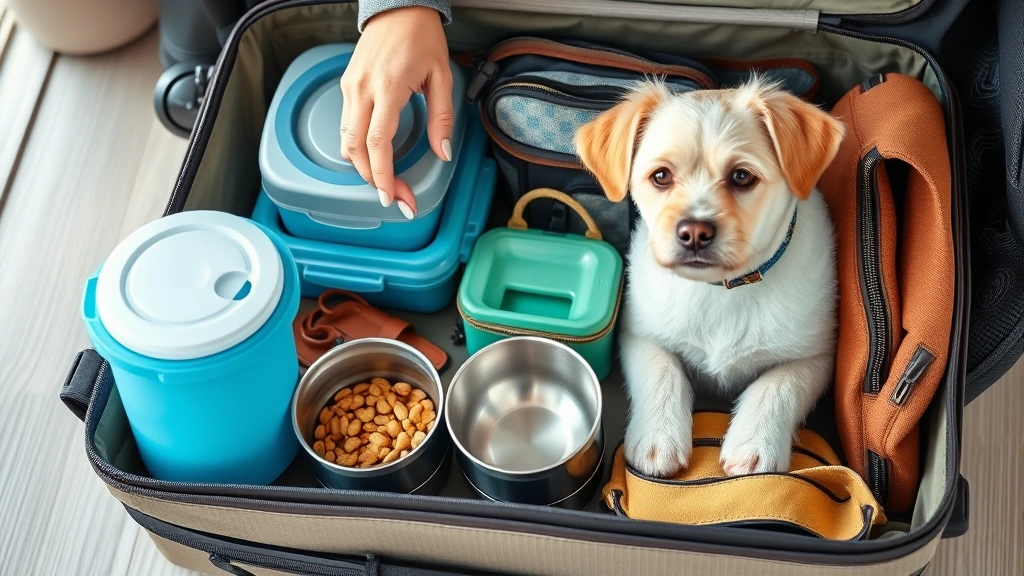
Never assume you’ll be able to find your pet’s specific brand or type of food while traveling. That organic, grain-free kibble your dog loves? Good luck finding it in a small town. Pack at least 25-30% more food than you think you’ll need. This buffer accounts for unexpected delays, extended trips, or if your pet eats more due to stress or activity. Store food in airtight containers to keep it fresh and prevent spillage in your luggage. Pro tip: label everything clearly with your pet’s name and feeding instructions.
Tip 3: Maintain Proper Hydration Alongside Feeding
Feeding during travel isn’t just about food—water is equally critical. Dehydration can cause serious health issues, especially during hot weather or long drives. Bring a collapsible water bowl and offer water frequently, even if your pet doesn’t ask for it. Some pets get nervous and forget to drink, so encourage them. If your pet has a sensitive stomach, consider bringing water from home to gradually transition to local water, which can have different mineral content and potentially upset their digestion.
Tip 4: Use Timed Feeding for Pets to Maintain Structure
Implementing a structured timed feeding routine while traveling helps regulate your pet’s bathroom schedule and reduces anxiety. Instead of free-feeding (leaving food out all day), stick to scheduled meal times. This approach is especially helpful in hotels or unfamiliar spaces where you need to predict when your pet will need bathroom breaks. Timed feeding also makes it easier to monitor how much your pet is actually eating—important for catching early signs of travel-related stress or illness.
Tip 5: Consider Portable Food Options for Road Trips
While dry kibble is the most travel-friendly option, some pets do better on fresh or wet food. If your pet prefers fresh food, look into portable options like freeze-dried raw meals or high-quality canned food that doesn’t require refrigeration until opened. Check out our guide on Fresh Food Feeding Routine for more information on maintaining nutritional quality while traveling. Wet food can be messier, so invest in spill-proof containers and pack extra paper towels for cleanup.
Tip 6: Address Food Allergies and Sensitivities Before You Go
If your pet has food allergies or sensitivities, traveling requires extra preparation. Pack enough of their special diet to last the entire trip plus extra. Don’t experiment with new foods while traveling—this is the worst time to discover your pet has a reaction to something. If you’re concerned about your pet’s dietary needs, consult our article on Food Allergies Feeding Routine before departure. Bring documentation of your pet’s allergies and preferred diet in case you need veterinary assistance while away from home.
Tip 7: Prepare Written Feeding Instructions for Boarding Facilities
If you’re staying at a hotel with pet services, boarding your pet at a facility, or leaving them with a pet sitter, provide detailed written feeding instructions. Include portion sizes, feeding times, dietary restrictions, and any supplements or medications. Clear communication prevents mistakes and ensures your pet gets exactly what they need. Review our comprehensive guide on Boarding Facility Feeding Instructions to make sure you’re covering all the bases.
Tip 8: Monitor Your Pet’s Eating Habits and Health
Travel stress can cause pets to lose their appetite or eat more than usual. Keep a mental note of how much your pet is eating and whether their behavior seems normal. Changes in appetite can signal stress, illness, or digestive upset. Watch for signs like vomiting, diarrhea, constipation, or lethargy. For more detailed information on what to watch for, check out our Pet Health Monitoring guide. If something seems off, don’t wait—contact a veterinarian as soon as possible, especially if you’re in an unfamiliar area.
Tip 9: Manage Travel Anxiety Through Proper Nutrition and Supplements
Some pets experience significant anxiety during travel, which can affect their eating habits. While maintaining a consistent feeding schedule helps, you might also consider supplements designed to support calm behavior. Visit our article on Travel Anxiety Supplements to explore options that might help your pet feel more relaxed. Always consult with your veterinarian before introducing new supplements, especially if your pet is on medications.
Tip 10: Plan Bathroom Breaks Around Feeding Times
Feeding during travel requires coordination with bathroom breaks. Generally, pets need to eliminate 15-30 minutes after eating (though this varies by individual). Plan your travel route with rest stops in mind, and schedule major activities around feeding times. This prevents accidents in the car and helps your pet maintain a healthy digestive routine. If you’re traveling by air, be aware of airline policies regarding in-flight feeding and plan accordingly.
Frequently Asked Questions
Can I change my pet’s food while traveling?
It’s best to avoid changing your pet’s food during travel. Stick with what they eat at home to prevent digestive upset. If you must switch foods, do it gradually before the trip, mixing increasing amounts of the new food with their regular diet over 7-10 days.
What should I do if my pet refuses to eat while traveling?
If your pet skips one meal, don’t panic—stress can suppress appetite. Offer water and try again at the next scheduled feeding time. If your pet refuses food for more than 24 hours, consult a veterinarian. Travel-induced anorexia can indicate serious issues.
Is it safe to feed pets in a moving vehicle?
Feeding in a moving vehicle isn’t recommended due to choking hazards and spills. Wait until you’ve stopped at a rest area or your destination. For long drives, plan feeding times during scheduled stops.
How do I handle time zone changes with pet feeding?
Gradually adjust your pet’s feeding schedule if traveling across multiple time zones. Shift feeding times by 1-2 hours per day starting a few days before travel to help their body adjust naturally.
What’s the best portable food for traveling pets?
Dry kibble is the most practical option for travel—it’s shelf-stable, lightweight, and doesn’t require refrigeration. Freeze-dried raw or high-quality canned food are good alternatives if your pet prefers them.
Should I bring my pet’s food bowls or buy new ones?
Bring your pet’s own bowls if possible. Familiar bowls provide comfort and consistency. Collapsible silicone bowls save space and are perfect for travel. Wash them regularly to prevent bacterial growth.
Final Thoughts: Travel-Ready Feeding Success
Feeding during travel doesn’t have to be stressful when you’re prepared. By maintaining your pet’s regular feeding schedule, packing adequate food, staying hydrated, and monitoring their health, you’re setting the stage for a successful trip. Remember that every pet is unique—what works for one might not work for another. Start with these ten tips, adjust based on your pet’s individual needs, and you’ll soon become a pro at keeping your furry friend happy and well-fed, no matter where your adventures take you. Happy travels!





