
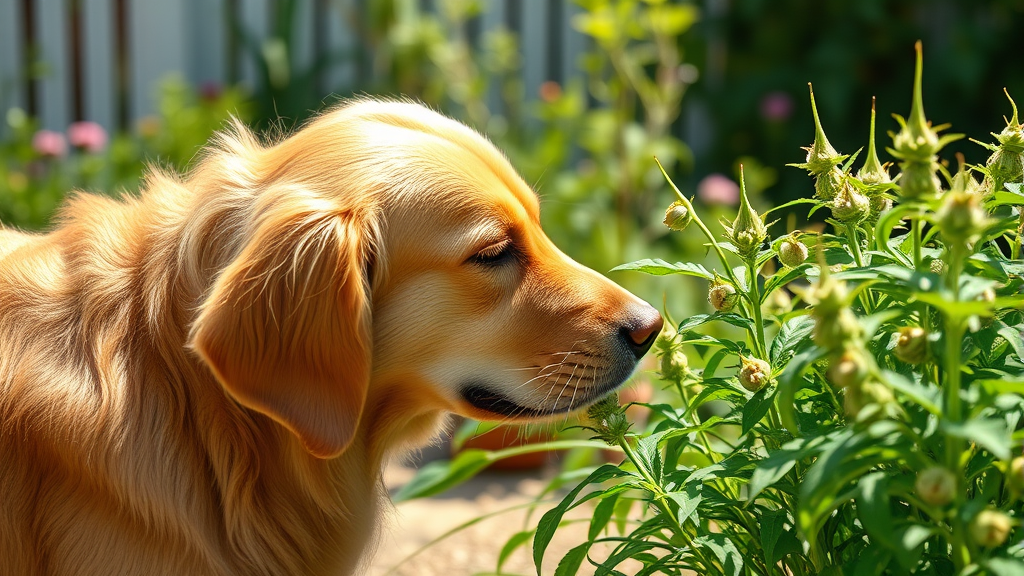
Many dog owners have witnessed the curious behavior of their canine companions when they encounter catnip. While this aromatic herb is famous for its intoxicating effects on cats, dogs often show surprising interest in it too. Understanding whether dogs can safely interact with catnip is essential for pet owners who share their homes with both cats and dogs, or those considering introducing catnip-based products to their furry friends.
The relationship between dogs and catnip is far more complex than many pet owners realize. Unlike cats, who have a genetic predisposition to respond dramatically to catnip’s active compounds, dogs experience a completely different reaction. This fascinating difference in species response opens up a world of possibilities for safe, natural enrichment activities that can benefit our canine companions in unexpected ways.
What is Catnip and How Does it Work
Catnip, scientifically known as Nepeta cataria, belongs to the mint family and contains a powerful compound called nepetalactone. This organic compound is responsible for the euphoric response observed in approximately 70-80% of cats. When cats encounter catnip, the nepetalactone binds to receptors in their olfactory system, triggering a cascade of behavioral responses including rolling, rubbing, and vocalization.
The herb grows naturally in many regions and has been used for centuries, not only for its effects on cats but also in traditional human medicine. Catnip contains various other compounds including citronellol, geraniol, and thymol, which contribute to its distinctive aroma and potential therapeutic properties. Understanding these chemical components is crucial when considering whether dogs might have allergic reactions to catnip exposure.
Research conducted by the National Institutes of Health has revealed that nepetalactone activates the same neural pathways in cats that are stimulated by pheromones. This explains why cats exhibit such intense behavioral changes when exposed to catnip, including increased playfulness, relaxation, and sometimes aggressive behavior toward the catnip source itself.
Can Dogs Safely Have Catnip
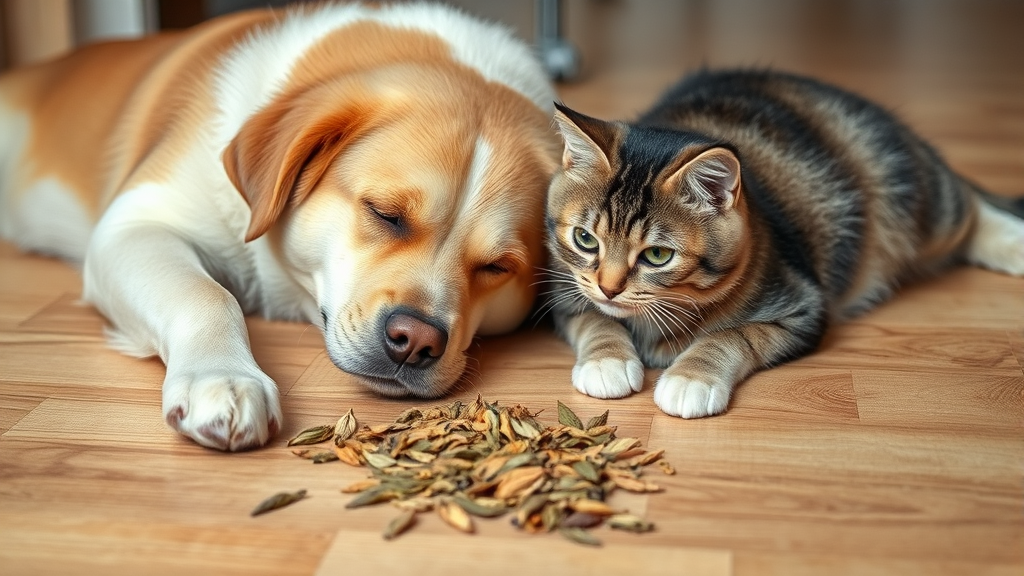
The good news for dog owners is that catnip is generally considered safe for dogs when used appropriately. Unlike some herbs that can be toxic to canines, catnip poses minimal risk when consumed in small quantities. The ASPCA lists catnip as non-toxic to dogs, cats, and horses, making it a relatively safe option for multi-pet households.
However, the key factor in catnip safety for dogs lies in moderation and proper usage. While small amounts are typically harmless, large quantities of catnip can potentially cause digestive upset in dogs, including symptoms such as vomiting or diarrhea. The herb’s mild sedative properties, which are more pronounced in humans and cats, can also affect dogs, though usually to a lesser degree.
Veterinarians generally agree that occasional exposure to catnip through environmental contact or small amounts of consumption is not cause for concern. Dogs living in households with cats frequently encounter catnip residue on toys, scratching posts, or directly from their feline companions, and adverse reactions are rare. This safety profile makes catnip an interesting option for dog owners seeking natural ways to enhance their pet’s environment.
How Catnip Affects Dogs Differently Than Cats
Dogs lack the specific olfactory receptors that make cats so susceptible to catnip’s intoxicating effects. While cats experience euphoria, increased energy, and sometimes hallucinogenic-like responses, dogs typically show much more subdued reactions. Instead of the dramatic behavioral changes seen in cats, dogs may experience mild calming effects or show curious interest in the herb’s scent.
Some dogs may exhibit increased sniffing behavior around catnip, similar to how they might investigate other interesting scents in their environment. This response is more akin to general curiosity rather than the intense attraction cats display. Interestingly, this behavioral difference highlights the fascinating ways different species interact with the same environmental stimuli, much like how dogs and cats have different dietary preferences and behaviors.
When dogs do consume small amounts of catnip, the most commonly reported effect is mild sedation or relaxation. Some dog owners report that their pets become slightly more mellow after catnip exposure, though this effect is generally much less pronounced than in cats. The herb’s natural properties may provide subtle calming benefits without the dramatic behavioral changes that characterize feline responses to catnip.

Potential Benefits of Catnip for Dogs
While catnip doesn’t produce the same intense effects in dogs as it does in cats, it can still offer several potential benefits for canine companions. The herb’s mild sedative properties may help anxious or stressed dogs achieve a more relaxed state. This can be particularly beneficial for dogs who struggle with separation anxiety, travel stress, or general nervousness in new situations.
Catnip’s natural antiseptic and antibacterial properties, documented by research published in the National Center for Biotechnology Information, may provide minor health benefits when used topically or in small amounts. Some holistic veterinarians suggest that catnip’s anti-inflammatory compounds could potentially support digestive health, though more research is needed to confirm these effects specifically in dogs.
The herb may also serve as a natural insect repellent for dogs. Studies have shown that nepetalactone can be effective against mosquitoes, flies, and other insects. While not as potent as commercial repellents, catnip-based products might offer a gentler, more natural alternative for dogs with sensitive skin or those whose owners prefer to avoid chemical treatments.
Safe Ways to Introduce Catnip to Dogs
When introducing catnip to dogs, starting with minimal exposure is crucial for ensuring safety and monitoring individual reactions. Begin by allowing your dog to sniff dried catnip or catnip-infused toys under supervision. Observe your pet’s behavior for any signs of unusual reactions, including excessive drooling, lethargy, or digestive upset.
For dogs that show positive interest in catnip, you can gradually increase exposure through controlled methods. Sprinkle small pinches of dried catnip on toys or bedding, or offer catnip-stuffed toys designed for dogs. Always supervise initial interactions and remove the catnip source if your dog attempts to consume large quantities.
Environmental enrichment using catnip can be particularly effective for dogs who enjoy investigative play. Create scent trails with small amounts of catnip, hide catnip-scented toys around the house, or use catnip as an occasional training reward for dogs who respond positively to its aroma. This approach allows dogs to benefit from catnip’s enriching properties while maintaining safety through controlled exposure. Just as with other herbs like lavender, rosemary, or eucalyptus, moderation is key when introducing any new plant material to your dog’s environment.
Natural Alternatives to Catnip for Dogs
While catnip can be safe for dogs, several alternatives might be more appealing or effective for canine companions. Valerian root, for example, often produces more noticeable calming effects in dogs than catnip. This herb has been used traditionally to promote relaxation and reduce anxiety in both humans and animals, though it should be used under veterinary guidance.
Chamomile represents another gentle option for dogs seeking natural calming aids. Known for its mild sedative properties and anti-inflammatory benefits, chamomile can be offered as a tea (cooled), added to food in small amounts, or used in aromatherapy applications. The American Veterinary Medical Association recognizes various complementary therapies, including herbal treatments, as potentially beneficial when used appropriately.
Anise seed often produces excitement in dogs similar to how catnip affects cats. Many dogs find the licorice-like scent of anise highly appealing, making it an excellent choice for enrichment activities or training rewards. Unlike essential oils like peppermint, which require careful consideration for dogs, anise seed can be used more liberally in appropriate quantities.
Important Precautions and Considerations
Despite catnip’s general safety for dogs, certain precautions should always be observed. Pregnant or nursing dogs should avoid catnip exposure, as the herb’s effects on reproductive health in canines haven’t been thoroughly studied. Similarly, dogs with existing health conditions, particularly those affecting the digestive or nervous systems, should only be exposed to catnip under veterinary supervision.
Quality and source matter significantly when selecting catnip products for dogs. Choose organic, pesticide-free catnip from reputable suppliers to avoid potential contamination with harmful chemicals. Avoid catnip products that contain additional ingredients, artificial preservatives, or essential oils that might be harmful to dogs.
Monitor your dog’s individual response to catnip carefully, as sensitivity can vary greatly between animals. Some dogs may show no interest whatsoever, while others might be more sensitive to its effects. Signs that warrant immediate discontinuation include excessive salivation, vomiting, diarrhea, difficulty breathing, or unusual behavioral changes. The complexity of interspecies relationships, such as understanding how cats and dogs differ in their cognitive abilities, extends to how they process and respond to various environmental stimuli like catnip.
Always consult with your veterinarian before introducing catnip or any new herb to your dog’s routine, especially if your pet has a history of allergies or sensitivities. Professional guidance ensures that catnip use aligns with your dog’s individual health needs and doesn’t interfere with any existing treatments or medications.
Frequently Asked Questions
Is catnip toxic to dogs?
No, catnip is not toxic to dogs. The ASPCA lists catnip as non-toxic to dogs, cats, and horses. However, large quantities may cause mild digestive upset, so moderation is important when allowing dogs access to catnip.
Will catnip make my dog high like it does cats?
No, dogs do not experience the same euphoric effects from catnip that cats do. Dogs lack the specific olfactory receptors that cause cats to respond so dramatically to catnip. Instead, dogs may experience mild calming effects or simply show curious interest in the herb’s scent.
How much catnip is safe for dogs?
Small amounts of catnip are generally safe for dogs. A pinch of dried catnip sprinkled on toys or bedding, or brief supervised access to catnip-stuffed toys, is typically appropriate. Always start with minimal exposure and monitor your dog’s reaction before increasing the amount.
Can I use catnip to calm my anxious dog?
While some dogs may experience mild calming effects from catnip, it’s not as reliable for anxiety relief as it is sedating for cats. Other herbs like chamomile or valerian root may be more effective for anxious dogs, but always consult your veterinarian before using any herbal remedies for anxiety.
What should I do if my dog ate a lot of catnip?
If your dog consumed a large amount of catnip, monitor them closely for signs of digestive upset such as vomiting or diarrhea. Provide fresh water and contact your veterinarian if symptoms persist or worsen. Most dogs will recover without intervention, but professional guidance is always recommended.
Can puppies have catnip?
While catnip is generally safe, it’s best to avoid giving catnip to very young puppies under 6 months old. Their developing digestive systems may be more sensitive to new substances. Always consult your veterinarian before introducing any herbs to puppies.
Are there any dogs that should never have catnip?
Pregnant or nursing dogs should avoid catnip, as its effects on canine reproduction haven’t been thoroughly studied. Dogs with existing digestive issues, neurological conditions, or known plant allergies should only be exposed to catnip under veterinary supervision. When in doubt, consult your veterinarian before introducing catnip to your dog.





