
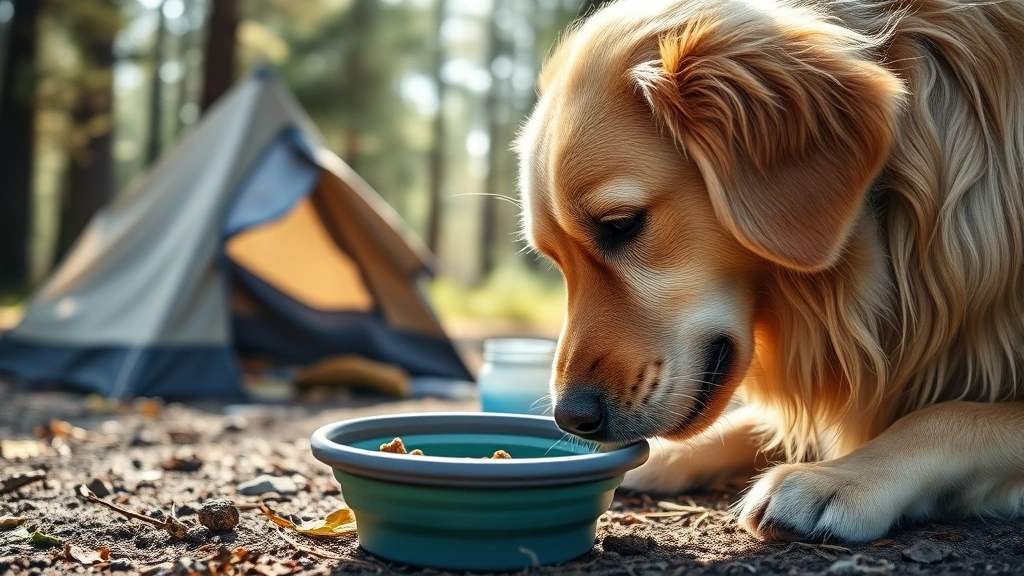
When you’re planning your next camping trip, camping feeding solutions might not be the first thing on your mind—but trust me, your furry companion will thank you when mealtime rolls around in the wilderness. There’s nothing worse than watching your dog try to eat kibble off a flat rock or your cat refusing to drink from a questionable stream. The right portable feeding gear can make the difference between a happy, well-nourished pet and a hangry adventure buddy who makes you regret every life choice.
Table of Contents
- Why Camping Feeding Solutions Matter More Than You Think
- The Top 5 Pet Travel Bowls for Camping Adventures
- Portable Pet Feeding Solutions for Different Camping Styles
- Water Considerations for Outdoor Pet Feeding
- Nutrition During Camping: Feeding Schedules Matter
- Cleaning and Maintenance of Travel Bowls
- Budget-Friendly Camping Feeding Solutions
- Pro Tips for Successful Outdoor Pet Feeding
- Automatic Pet Feeders for Extended Camping Trips
- Frequently Asked Questions
- Final Thoughts: Making Camping Feeding Solutions Work for You
Whether you’re a seasoned backpacker with a four-legged trail partner or a casual camper just taking Fido to the local campground, having reliable camping feeding solutions ensures your pet stays healthy, hydrated, and content while you’re roughing it in nature. Let’s dive into the best pet travel bowls that’ll keep your camping companion fueled and ready for adventure.
Why Camping Feeding Solutions Matter More Than You Think
Your pet’s nutrition doesn’t take a vacation just because you’re camping. In fact, outdoor activities burn extra calories, so your dog might need even more food than usual. Regular bowls are bulky, easy to tip over on uneven terrain, and honestly, a pain to pack. That’s where smart camping feeding solutions come in.
According to the American Kennel Club, traveling pets require special attention to their feeding routines to prevent digestive upset and maintain energy levels. A proper travel bowl setup prevents spills, keeps food clean, and makes feeding time less of a hassle when you’re miles from civilization. Plus, collapsible and portable options save precious backpack space—space that could otherwise hold, you know, actual camping essentials like s’mores ingredients.
The Top 5 Pet Travel Bowls for Camping Adventures
Not all pet bowls are created equal when it comes to outdoor feeding. Here are the five best camping feeding solutions that actually work:
1. Collapsible Silicone Travel Bowls
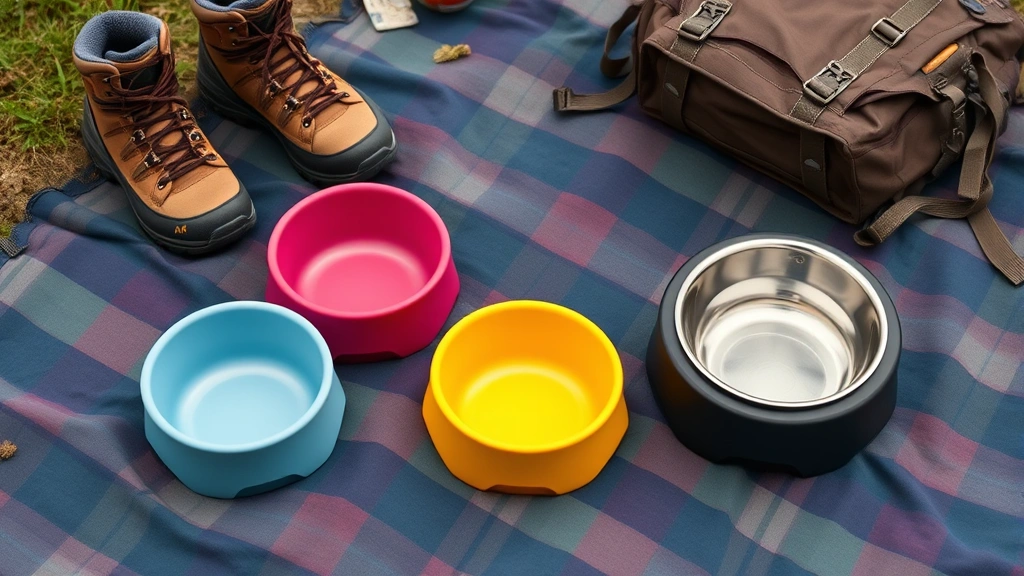
These lightweight champions are the MVPs of portable pet feeding. Made from food-grade silicone, they collapse flat for easy packing and pop right back into shape when you need them. Most feature reinforced rims that prevent tipping—crucial when you’re setting up camp on rocky or sloped terrain.
The genius part? They’re typically dishwasher safe and dry quickly, which matters when you’re washing dishes in a creek. They weigh almost nothing and come in various sizes for everything from Chihuahuas to Great Danes. Expect to pay $8-15 for a quality set with separate food and water bowls.
2. Stainless Steel Camping Bowls with Carrying Cases
If you want durability that’ll outlast your camping equipment, stainless steel is your answer. These bowls won’t crack if your clumsy camping buddy (you) accidentally steps on them, and they’re incredibly easy to clean. Many come with insulated carrying cases that keep food fresher longer—a game-changer for longer trips.
Stainless steel bowls are heavier than silicone, but the trade-off is longevity. They’re also better for pets with sensitive mouths since they don’t retain flavors or odors. Prices range from $15-30 depending on the brand and case quality.
3. Elevated Travel Feeding Stations
Some pets have digestive preferences—they eat better from elevated bowls. Portable elevated feeders fold down compactly but give your pet a more ergonomic eating position, which can reduce bloating and improve digestion during active camping trips. This is especially helpful for larger breeds prone to gastric issues.
These typically feature adjustable heights and come in lightweight aluminum or plastic frames with removable bowls. They’re slightly bulkier than standalone bowls but worth the extra space if your dog has specific feeding needs. Budget $20-35 for a quality elevated feeder.
4. Clip-On Bowl Feeders for Camping Gear
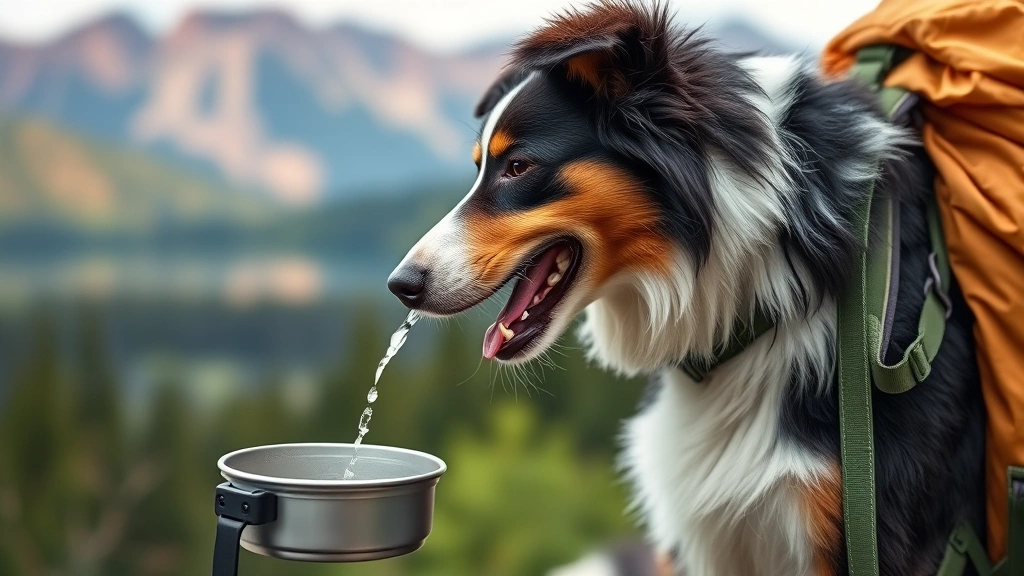
These innovative camping feeding solutions attach directly to your backpack, tent, or camping chair. They’re perfect for quick snacks and water breaks without needing to unpack your entire setup. The bowls are usually smaller, making them ideal for dogs under 30 pounds or as supplementary feeders.
The clip mechanism is sturdy enough to prevent spilling even if your pup gets a little too enthusiastic about dinner. They’re incredibly convenient for day hikes when you want to bring water without carrying a full bowl setup. Expect to pay $10-20.
5. Insulated Pet Cooler Bowls
For extended camping trips, insulated cooler bowls keep wet food fresh and prevent kibble from spoiling in warm weather. Some models feature double-wall insulation similar to human coolers. They’re heavier and pricier, but essential for hot-weather camping or multi-day trips where food safety matters.
These work beautifully with pet travel supplements and fresh foods that need temperature control. Price range: $25-50.
Portable Pet Feeding Solutions for Different Camping Styles
Your camping feeding solutions should match your camping style. Ultralight backpackers need minimal-weight options, while car campers can afford slightly heavier setups. Portable pet feeding solutions vary widely, so consider your specific situation.
For backcountry camping, silicone collapsible bowls are unbeatable. For car camping at established campgrounds, you can go heavier with stainless steel options. For day trips, clip-on bowls attached to your gear make sense. Match the solution to your adventure style, not the other way around.
Water Considerations for Outdoor Pet Feeding
Water is just as critical as food. Many campsites have questionable water sources, and your pet shouldn’t drink directly from lakes or streams without treatment. Bring enough fresh water from your campsite, or invest in a portable pet water filtration system.
Some camping feeding solutions include integrated water bottles with attached bowls—genius for minimizing gear. Others pair with collapsible water carriers. According to PetMD, pets need consistent access to fresh water, especially during physical activity. Don’t skimp on water intake monitoring while camping—dehydration happens faster outdoors.
Nutrition During Camping: Feeding Schedules Matter
Camping disrupts routines, but maintaining consistent feeding schedules for pets prevents digestive issues. Feed your pet at the same times you would at home, if possible. If your camping trip involves significant hiking or activity, you might need to adjust portions—check out high-energy dog food needs for guidance on increased caloric requirements.
Pack enough food for your entire trip plus an extra day’s worth. Running out of pet food in the middle of nowhere isn’t just inconvenient—it’s stressful for both you and your pet. Consider bringing some pet travel supplements to support digestion and joint health during active camping.
Cleaning and Maintenance of Travel Bowls
Keeping camping feeding solutions clean prevents bacterial growth and keeps your pet healthy. Silicone bowls are easiest to clean—just rinse thoroughly and let air dry. Stainless steel requires a bit more elbow grease but handles scrubbing better.
Always clean bowls immediately after feeding, especially in warm weather. Don’t leave wet food sitting in bowls for more than an hour. Pack a small brush or cloth specifically for bowl cleaning, and use treated water when possible. If you’re camping near a stream, rinse bowls in flowing water rather than stagnant water.
Budget-Friendly Camping Feeding Solutions
You don’t need to spend a fortune on quality camping feeding solutions. Basic collapsible silicone bowls cost under $10 and work perfectly fine. If you’re just starting out, grab a cheap set and see what works for your pet before investing in premium options.
Many pet stores have generic travel bowl sets that are perfectly adequate. The fancy insulated cooler bowls and elevated feeders are nice-to-haves, not must-haves. Start simple, then upgrade based on what your pet actually needs during camping trips.
Pro Tips for Successful Outdoor Pet Feeding
Set up your feeding station away from your sleeping area to avoid attracting wildlife. Use bowls that match your campsite’s aesthetic (okay, that’s silly, but neutral colors won’t clash with your tent). Keep bowls in a designated pack pocket so you always know where they are.
Bring extra bowls—one for food, one for water, and one backup. This prevents cross-contamination and means you always have a clean option. Consider the ground conditions at your campsite; if it’s muddy, elevated feeders prevent bowls from sinking into the muck.
Train your pet to eat from whatever bowl you’re using before the trip. Some picky eaters get confused by new feeding equipment. A few practice runs at home ensure camping mealtime goes smoothly.
Automatic Pet Feeders for Extended Camping Trips
If you’re car camping for extended periods, automatic pet feeders designed for outdoor use can be game-changers. Battery-powered models dispense meals on a schedule, which is helpful if you’re taking day trips away from camp. They’re not necessary for most camping scenarios, but they’re worth considering for longer stays.
Frequently Asked Questions
What’s the best material for camping pet bowls?
Silicone is best for weight and packability, while stainless steel offers superior durability. Choose based on your camping style and how often you’ll use the bowls. For most people, silicone wins the camping feeding solutions category.
Can I use regular dog bowls while camping?
Technically yes, but they’re bulky, heavy, and prone to tipping on uneven terrain. Regular bowls also take up valuable backpack space. Investing in actual camping feeding solutions makes the experience infinitely better.
How do I prevent my pet from getting sick from camping water?
Bring treated water from your campsite or use a pet water filter. Don’t let your pet drink from lakes, streams, or questionable sources. Giardia and other parasites are real camping hazards for pets.
Should I change my pet’s food while camping?
No—stick with their regular food to prevent digestive upset. The stress of a new environment combined with diet changes can cause diarrhea or vomiting. Keep everything familiar except the location.
What size bowl do I need for my pet?
Match bowl size to your pet’s mouth and eating habits. Larger dogs need bigger bowls, but the bowl shouldn’t be so large it’s hard to pack. Most travel bowl sets come in multiple sizes, so you can choose appropriately.
Are collapsible bowls durable enough for camping?
Yes, quality silicone bowls last for years of camping trips. They’re tougher than they look and handle rough outdoor conditions well. Budget brands might wear out faster, so invest in mid-range options for longevity.
Final Thoughts: Making Camping Feeding Solutions Work for You
Camping feeding solutions don’t have to be complicated or expensive. The right bowl setup simply needs to be lightweight, durable, and easy to clean. Whether you choose collapsible silicone, stainless steel, or a specialty feeder, prioritize your pet’s comfort and nutrition.
Remember that camping is supposed to be fun for everyone—including your four-legged friend. A pet that’s well-fed and hydrated is a happy pet, and a happy pet makes for a better camping experience overall. Start with the basics, see what works for your specific pet and camping style, then upgrade as needed.
Your next camping adventure awaits, and with proper camping feeding solutions in your pack, you and your pet can focus on making memories instead of worrying about mealtime logistics. Now get out there and enjoy the great outdoors together!





