
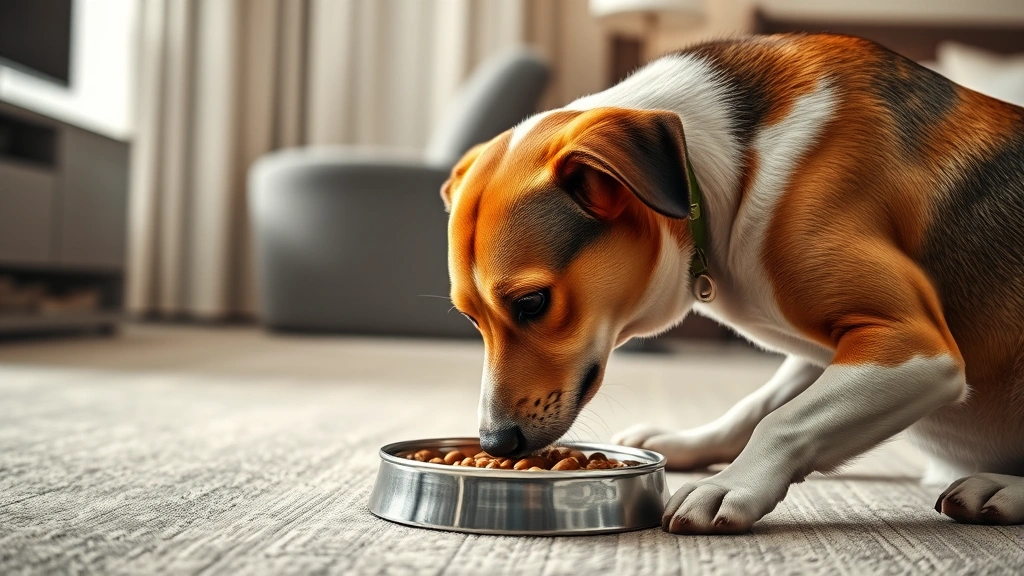
Feeding in unfamiliar environments can turn mealtime into a stressful nightmare for both you and your furry friend. Whether you’re traveling across the country, boarding your pet, or simply visiting a friend’s house, getting your pet to eat in a new setting requires strategy, patience, and a little bit of veterinary wisdom. Let’s dive into how to make feeding time smooth sailing, no matter where you are.
Table of Contents
- Why Pets Struggle with Feeding in New Locations
- Tip #1: Start with Familiar Food and Gradual Transitions
- Tip #2: Recreate Your Home Feeding Routine
- Tip #3: Manage Stress with Supplements and Support
- Tip #4: Create a Feeding Strategy with Pet Sitters and Caregivers
- Tip #5: Use Positive Reinforcement and Patience
- Understanding Stress-Related Appetite Loss
- What If Your Pet Still Won’t Eat?
- Practical Packing Checklist for Feeding in Unfamiliar Environments
- Frequently Asked Questions
- Final Thoughts: Making Feeding in Unfamiliar Environments Work
Why Pets Struggle with Feeding in New Locations
Your pet’s digestive system is basically a creature of habit. When dogs and cats are in unfamiliar environments, their stress levels spike, which directly impacts their appetite. It’s not just psychological—anxiety literally affects their gut motility and digestive enzymes. A nervous pet is a pet that won’t eat, and a pet that won’t eat is a pet owner who starts panicking at 2 AM.
The sensory overload of a new place—different smells, sounds, and sights—can make your pet feel like they’re in survival mode rather than relaxation mode. This is especially true for anxious breeds or senior pets who thrive on routine.
Tip #1: Start with Familiar Food and Gradual Transitions
The golden rule of feeding in unfamiliar environments is never, ever switch your pet’s food cold turkey. Your veterinarian will tell you that sudden diet changes cause digestive upset anyway, but in a stressful new environment, it’s basically asking for trouble.
Pack enough of your pet’s regular food to last the entire trip. If you need to transition to a different food, do it slowly over 7-10 days before you leave, mixing the old food with the new. This approach maintains pet food consistency, which is crucial for digestive health and reducing stress-related feeding issues.
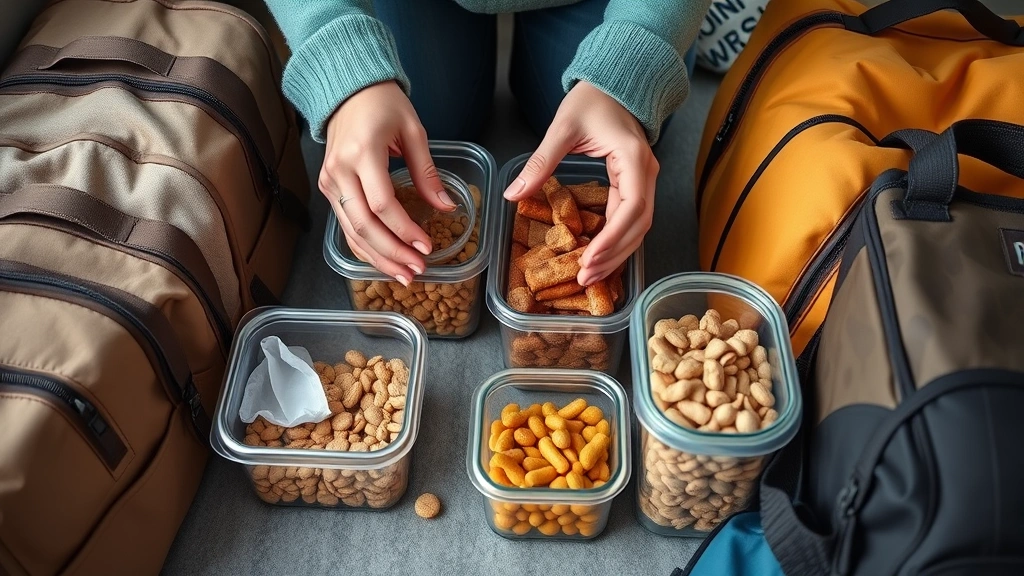
Pro tip: Bring extra food in sealed, airtight containers. Not only does this keep the food fresh, but the familiar packaging and smell can be oddly comforting to your pet.
Tip #2: Recreate Your Home Feeding Routine
Pets are creatures of habit, and feeding schedules are sacred. Try to feed your pet at the same time you would at home, in the same way. If Fluffy eats at 7 AM and 6 PM at home, stick to that schedule even if you’re in a hotel or at a relative’s house.
Set up the feeding area in a quiet, low-traffic zone of wherever you’re staying. A nervous dog doesn’t need the chaos of the living room; they need a calm corner where they can eat without feeling threatened or overstimulated. Use the same bowls if possible—yes, bringing your pet’s actual food and water bowls is worth the luggage space.
Consider using calming spray supplements around the feeding area to create a more relaxed atmosphere. The familiar ritual combined with a calming environment can work wonders.
Tip #3: Manage Stress with Supplements and Support
When feeding in unfamiliar environments becomes stressful, your pet might benefit from targeted nutritional support. Pet travel supplements designed for anxiety and digestive support can help bridge the gap between home and away.
Look for supplements containing L-theanine, chamomile, or probiotics. Probiotics are especially valuable because stress literally disrupts the gut microbiome, and a healthy gut microbiome supports better appetite and digestion. Some pet parents swear by pheromone supplements like Adaptil for dogs or Feliway for cats, which mimic natural calming pheromones and can reduce feeding-related anxiety.
Talk to your vet before traveling about whether supplements or even short-term anti-anxiety medication might help your pet adjust more smoothly.
Tip #4: Create a Feeding Strategy with Pet Sitters and Caregivers
If you’re leaving your pet with someone else, communication is everything. Provide detailed feeding instructions that go beyond just the amount and frequency. Include information about your pet’s preferences, any quirks they have, and what success looks like.
Check out our comprehensive pet sitter feeding guide for a template you can customize and share. A good pet sitter understands that feeding in unfamiliar environments requires patience and shouldn’t force your pet to eat if they’re not interested on day one.
Leave your vet’s contact information and permission to call if anything seems off. Sometimes a pet will eat less for the first day or two—that’s normal. But if it extends beyond that, professional guidance helps.
Tip #5: Use Positive Reinforcement and Patience
Never punish or pressure your pet to eat. This only increases anxiety and makes feeding in unfamiliar environments even worse. Instead, celebrate small wins. If your dog takes even a few bites, that’s progress.
Try hand-feeding a few kibbles, playing with your pet before mealtime to build appetite, or warming up wet food slightly to enhance the aroma. Some pets respond well to puzzle feeders or interactive toys that make eating feel like play rather than a chore.
Keep mealtimes short and low-pressure. If your pet doesn’t eat after 15-20 minutes, pick up the bowl and try again at the next scheduled time. This prevents your pet from grazing anxiously and helps maintain the routine.
Understanding Stress-Related Appetite Loss
Stress-induced anorexia is real, and it’s not something you can force away with willpower. Your pet’s nervous system is literally suppressing appetite signals when they’re anxious. This is why addressing the root cause—the anxiety of being in an unfamiliar place—is just as important as the feeding strategy itself.
Environmental enrichment, exercise, and maintaining routine all play crucial roles. A tired, mentally stimulated pet is a pet more likely to eat normally. Even 20 minutes of play or a short walk can make the difference between a pet who eats and one who doesn’t.
What If Your Pet Still Won’t Eat?
If your pet refuses food for more than 24 hours, contact your veterinarian. While some appetite loss is normal when adjusting to a new environment, complete refusal to eat can indicate underlying stress or health issues that need professional attention.

Your vet might recommend appetite stimulation schedules or temporary dietary modifications to get your pet back on track. In some cases, they might suggest a short course of appetite stimulants or anti-nausea medication to help your pet through the adjustment period.
Practical Packing Checklist for Feeding in Unfamiliar Environments
Before you travel, make sure you’ve got everything you need:
- Enough of your pet’s regular food for the entire trip, plus extra
- Familiar food and water bowls
- Any supplements or medications your pet takes
- Treats for positive reinforcement
- Food storage containers to keep kibble fresh
- Detailed feeding instructions to leave with caregivers
- Your vet’s contact information and after-hours emergency clinic details
- A copy of your pet’s medical history
Frequently Asked Questions
How long does it typically take for a pet to adjust to eating in a new environment?
Most pets adjust within 2-3 days, though some anxious or senior pets might take up to a week. If your pet still isn’t eating normally after 7 days, contact your vet. Every pet is different, and patience is key during this transition period.
Can I use a different brand of food if I run out while traveling?
It’s not ideal, but if you must switch, do it gradually by mixing the new food with what you have left. A sudden switch, especially in a stressful environment, can cause digestive upset. Always try to pack extra food to avoid this situation.
Should I be concerned if my pet eats less than usual in a new place?
A slight decrease in appetite for the first day or two is normal and expected. However, if your pet is eating significantly less or not eating at all after 24 hours, that warrants a vet call. Monitor their water intake and overall behavior closely.
Are anxiety medications safe for travel and feeding issues?
Yes, when prescribed by your veterinarian. Short-term anti-anxiety medication can help some pets adjust to new environments more smoothly. Discuss this option with your vet at least a few weeks before your trip so they can assess whether it’s appropriate for your pet.
What’s the best way to handle feeding if my pet has a medical condition?
If your pet has dietary restrictions or medical conditions, work closely with your vet before traveling. They might recommend specific supplements, prescription foods, or feeding schedules that accommodate your pet’s health needs while managing the stress of a new environment.
Final Thoughts: Making Feeding in Unfamiliar Environments Work
Feeding in unfamiliar environments doesn’t have to be a battle. With proper preparation, a solid routine, and a little patience, your pet can eat well no matter where you are. The key is understanding that anxiety directly impacts appetite, so addressing both the feeding logistics and the emotional component of being in a new place is crucial.
Remember: your pet’s comfort and health come first. If something isn’t working, don’t hesitate to reach out to your veterinarian. They’re your partner in keeping your pet healthy and happy, whether at home or on the road. With these five proven tips in your back pocket, you’re ready to tackle any feeding situation that comes your way.





