
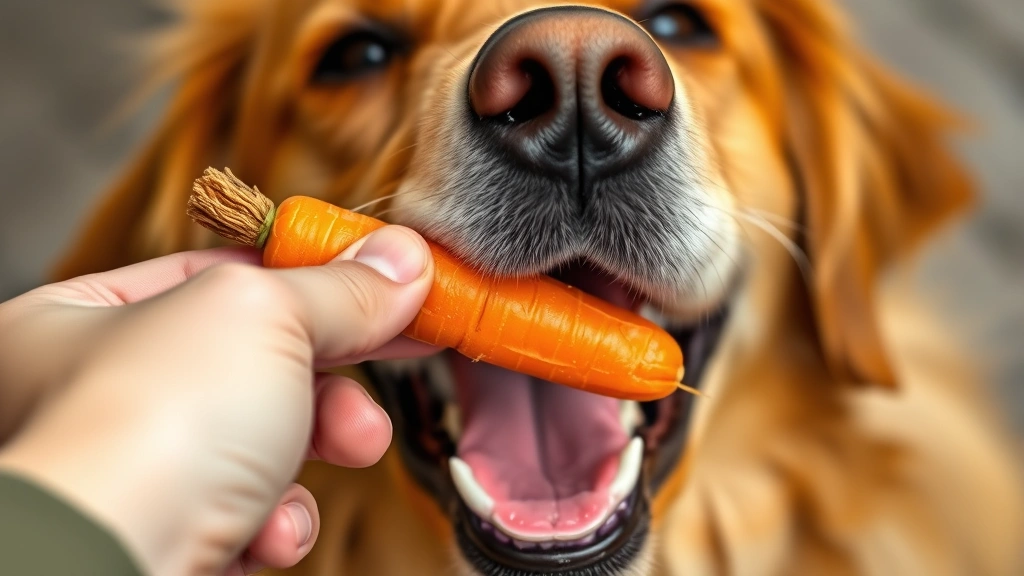
Let’s be real—your dog gives you those puppy eyes every time you sit down with a snack, and honestly, it’s hard to resist. But before you toss Fido a piece of your sandwich, you need to know which safe human foods for dogs won’t send you on an emergency vet trip. The good news? There are actually plenty of people foods that are not only safe but genuinely healthy for your furry best friend. We’ve rounded up 10 vet-approved options that’ll make your pup’s tail wag and keep their digestive system happy.
Table of Contents
- Why Some Human Foods Are Actually Good for Dogs
- Carrots: The Crunchy Superfood Your Vet Loves
- Apples: Sweet, Crunchy, and Nutrient-Dense
- Pumpkin: The Digestive Powerhouse
- Chicken: Lean Protein Your Dog’s Muscles Crave
- Sweet Potatoes: Nutrient-Rich and Naturally Sweet
- Eggs: Complete Protein and Choline Powerhouse
- Blueberries: Antioxidant Superfood in Tiny Packages
- Green Beans: Low-Calorie Veggie Packed with Nutrients
- Salmon: Omega-3 Fatty Acids for Skin and Brain Health
- Plain Yogurt: Probiotics for Digestive Health
- Peanut Butter: The Training Treat That Makes Dogs Obsessed
- Foods to Absolutely Avoid
- Frequently Asked Questions
- Summary: Keeping Your Dog Healthy and Happy
Why Some Human Foods Are Actually Good for Dogs
Your dog’s digestive system is different from yours, but that doesn’t mean they can’t enjoy some of what you eat. Dogs are facultative carnivores, meaning they can digest both meat and plant-based foods, though they thrive primarily on protein. Many human foods safe for dogs contain nutrients that complement their regular diet—vitamins, minerals, and fiber that support everything from coat health to digestion. The key is understanding portion sizes and knowing which foods are genuinely beneficial versus those that are just tolerable.
When introducing any new food, the golden rule is moderation. Treats (including human food treats) should make up no more than 10% of your dog’s daily caloric intake. The remaining 90% should come from their regular dog food. This balance ensures they’re getting complete and balanced nutrition while still enjoying the occasional tasty surprise.
Carrots: The Crunchy Superfood Your Vet Loves
Carrots are basically nature’s perfect dog treat. Raw carrots are packed with beta-carotene, vitamin K, and fiber, and the best part? They’re low in calories. A medium carrot has only about 25 calories, making it an ideal snack for weight management. The crunchiness also provides natural teeth cleaning as your dog chews, reducing plaque buildup and promoting better oral health.
You can serve carrots raw (cut into appropriate sizes for your dog), steamed, or even frozen. Frozen carrots are particularly great during hot weather—they’re refreshing and soothing on sore gums if your pup is teething or dealing with dental issues. Just avoid adding butter, salt, or seasoning.
Apples: Sweet, Crunchy, and Nutrient-Dense
Apples are another vet-approved favorite that dogs genuinely seem to love. They’re rich in vitamin C, vitamin A, and potassium while being relatively low in protein and fat, making them suitable for feeding active vs inactive dogs alike. The natural sweetness satisfies cravings without added sugar, and the fiber supports healthy digestion.
Here’s the critical part: always remove the seeds. Apple seeds contain cyanogenic glycosides, which can be harmful in large quantities. Remove the core completely, cut the apple into bite-sized pieces, and you’ve got a safe, healthy treat. For smaller dogs, thin slices are better than chunks to prevent choking hazards.
Pumpkin: The Digestive Powerhouse
If you’ve ever had a dog with digestive issues, you’ve probably heard about pumpkin. This orange superfood is loaded with soluble fiber and contains compounds that support both constipation and diarrhea—it’s basically the Swiss Army knife of dog digestive health. Plain, cooked pumpkin (not pumpkin pie filling, which contains added sugars and spices) can be mixed into their regular food or served as a standalone treat.
A tablespoon or two mixed into your dog’s meal can work wonders for sensitive stomach feeding schedules. Many vets recommend it as a first-line approach before jumping to medications. It’s also rich in vitamin A, potassium, and manganese. You can use canned pumpkin (check the label to ensure it’s 100% pumpkin) or cook fresh pumpkin and puree it yourself.
Chicken: Lean Protein Your Dog’s Muscles Crave
Chicken is the MVP of dog-friendly human foods. It’s an excellent source of lean protein, B vitamins, and selenium, all essential for muscle development, immune function, and energy production. Plain, cooked chicken—whether boiled, baked, or grilled without seasoning—is safe and nutritious.
The key word here is plain. No garlic, onions, salt, or oil. Remove all bones (cooked bones splinter and are dangerous), and avoid skin if your dog is on a low-fat diet. Chicken is versatile enough to serve as a meal topper, a training treat, or even a base for homemade dog food. It’s also particularly useful when increasing pet appetite in picky eaters or dogs recovering from illness.
Sweet Potatoes: Nutrient-Rich and Naturally Sweet
Sweet potatoes are nutritional powerhouses that dogs absolutely love. They’re packed with vitamin A, potassium, manganese, and fiber, making them excellent for skin and coat health, immune function, and digestive support. Unlike regular potatoes, sweet potatoes are lower on the glycemic index and provide sustained energy.
Always cook sweet potatoes before serving—raw sweet potato is harder to digest. You can boil, bake, or steam them, then cut them into appropriate sizes. Avoid adding butter, brown sugar, cinnamon, or marshmallows (yes, people do this). Plain cooked sweet potato is perfect as a meal topper or standalone treat. They’re particularly beneficial when transitioning to new pet food, as they’re gentle on the digestive system.
Eggs: Complete Protein and Choline Powerhouse
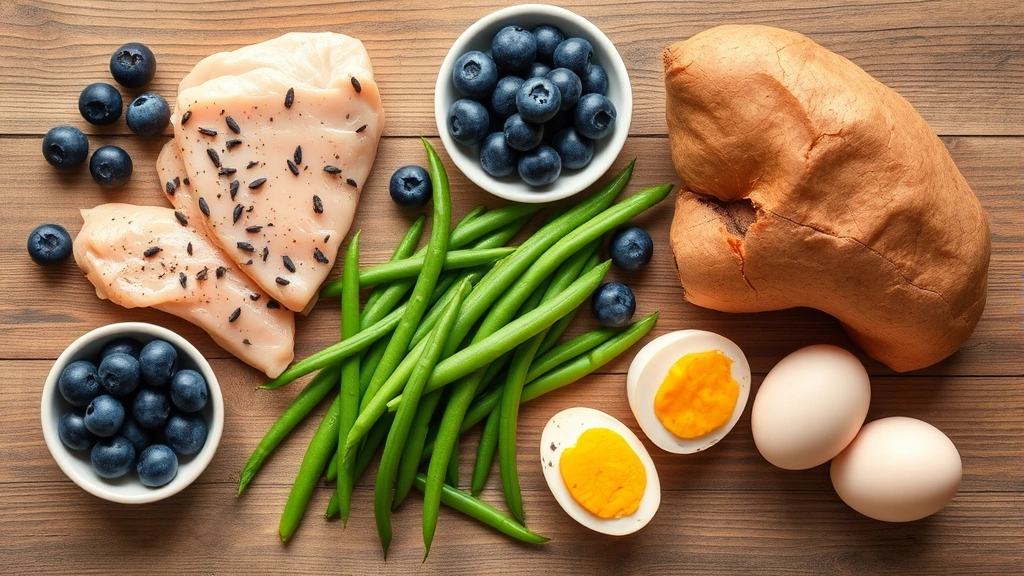
Eggs are one of the most nutrient-dense foods you can give your dog. They contain all nine essential amino acids, making them a complete protein source. They’re also rich in choline, which supports brain health and cognitive function, and lutein, which promotes eye health. Cooked eggs (boiled or scrambled without oil, butter, or seasoning) are safe and beneficial.
Raw eggs are debatable among vets. While some argue they’re fine, most recommend cooking them to eliminate any risk of salmonella. One whole egg per day for a medium-sized dog is a reasonable portion. Eggs are particularly useful as training treats or meal toppers. Some dogs with dull coats show noticeable improvement in coat quality within weeks of adding eggs to their diet.
Blueberries: Antioxidant Superfood in Tiny Packages
Blueberries are nature’s candy for dogs, and they’re packed with antioxidants that support cognitive function, reduce inflammation, and fight free radicals. They’re low in calories (about 84 calories per cup) and contain vitamin C, vitamin K, and manganese. Fresh or frozen blueberries are equally beneficial.
The small size makes them perfect for training treats or simply tossing a few into their bowl. Frozen blueberries are great for teething puppies or as a refreshing summer snack. Unlike many fruits, blueberries are relatively safe in larger quantities, though moderation is still the rule. They’re one of the few fruits where you don’t need to worry about seeds or pits.
Green Beans: Low-Calorie Veggie Packed with Nutrients
Green beans are an underrated dog treat that vets frequently recommend, especially for weight management. They’re extremely low in calories (about 31 calories per cup), high in fiber, and contain vitamins A, C, and K. Fresh, frozen, or canned green beans (with no added salt or seasoning) are all safe options.
Many trainers use green beans as low-calorie training treats, and they’re excellent for dogs on calorie-restricted diets. You can serve them raw, steamed, or lightly cooked. Canned green beans should be rinsed thoroughly to remove excess sodium. They’re particularly useful when measuring dog food portions, as they can be used as a volume filler without adding significant calories.
Salmon: Omega-3 Fatty Acids for Skin and Brain Health
Salmon is an excellent source of omega-3 fatty acids, which reduce inflammation, support brain health, and promote a shiny, healthy coat. Cooked salmon (baked or boiled without oil or seasoning) is safe and beneficial. Just remove all bones carefully—they’re small and can be hazardous.
Canned salmon (in water, not oil) is also acceptable and often more convenient. Omega-3s are particularly beneficial for dogs with dry, itchy skin or inflammatory conditions. A small portion of salmon once or twice per week can provide noticeable benefits. Some dogs with dull coats or skin issues show improvement within a few weeks of adding salmon to their diet.
Plain Yogurt: Probiotics for Digestive Health
Plain, unsweetened yogurt contains beneficial probiotics that support digestive health and gut microbiome balance. It’s also a good source of calcium and protein. Look for yogurt with live and active cultures, and avoid anything with added sugar, artificial sweeteners (especially xylitol, which is toxic to dogs), or flavoring.
A small amount mixed into their regular food or served as a frozen treat works well. Greek yogurt has higher protein content than regular yogurt, making it an excellent choice. Yogurt is particularly helpful when combining hydration with feeding strategies, as it adds moisture and beneficial bacteria to their diet. Some dogs with digestive sensitivities show significant improvement with regular yogurt supplementation.
Peanut Butter: The Training Treat That Makes Dogs Obsessed
Peanut butter is practically magic for dog training. It’s protein-rich, calorie-dense, and dogs absolutely lose their minds over it. Natural, unsalted peanut butter (with no added sugar or xylitol) is safe and beneficial. Xylitol is a sugar substitute found in some peanut butters and is extremely toxic to dogs, so always check the label.
A small spoonful mixed into their food, spread on a treat, or used as a training reward works perfectly. It’s high in calories, so use sparingly. Peanut butter is particularly useful for high-value training rewards or keeping dogs occupied with puzzle toys. Some dog owners freeze peanut butter in Kong toys for extended entertainment and mental stimulation.
Foods to Absolutely Avoid
While we’ve covered the good stuff, it’s equally important to know what’s absolutely off-limits. Chocolate, grapes, raisins, onions, garlic, avocado, macadamia nuts, and anything containing xylitol are toxic to dogs. Alcohol, caffeine, and foods with excessive salt or fat should also be avoided. Some human foods might be safe in tiny amounts but are better left alone entirely to prevent accidental overdose.
Always consult your vet before introducing new foods, especially if your dog has existing health conditions, allergies, or is on medications. What’s safe for one dog might not be appropriate for another based on their individual health status, age, and dietary needs.
Frequently Asked Questions
Can dogs eat all fruits and vegetables?
No. While many fruits and vegetables are safe, some are toxic. Grapes, raisins, onions, garlic, avocado, and macadamia nuts are dangerous. Stick to the proven safe options like apples (without seeds), carrots, blueberries, and pumpkin. When in doubt, ask your vet before introducing anything new.
How much human food can I give my dog daily?
Human food treats should comprise no more than 10% of your dog’s daily caloric intake. The remaining 90% should come from complete and balanced dog food. For a 50-pound dog eating about 1,000 calories daily, that means roughly 100 calories from treats maximum. Always account for training treats and human food in this calculation.
Are there human foods that help with specific dog health issues?
Yes. Pumpkin supports digestive health, salmon provides omega-3s for skin and coat, blueberries offer cognitive support, and green beans are excellent for weight management. However, these should complement, not replace, veterinary care for serious health conditions. Always discuss dietary changes with your vet, especially if your dog has health issues.
Can puppies eat the same human foods as adult dogs?
Most safe human foods are appropriate for puppies, but portions should be smaller. Puppies have higher caloric and nutritional needs, so human food treats should be minimal and shouldn’t interfere with their complete puppy food diet. Avoid hard foods like raw carrots for very young puppies to prevent choking.
Is it okay to make homemade dog food with human ingredients?
Homemade dog food can be safe but requires careful planning to ensure complete and balanced nutrition. Work with a veterinary nutritionist to create recipes that meet all your dog’s nutritional requirements. Homemade food without professional guidance can lead to nutritional deficiencies or imbalances that cause long-term health problems.
Summary: Keeping Your Dog Healthy and Happy
Knowing which safe human foods for dogs are vet-approved gives you confidence when sharing meals with your pup. Carrots, apples, chicken, pumpkin, sweet potatoes, eggs, blueberries, green beans, salmon, yogurt, and peanut butter are all excellent choices that provide genuine nutritional benefits beyond just satisfying those adorable puppy-dog eyes.
The foundation of your dog’s health should always be complete and balanced commercial dog food formulated for their life stage and health status. Human foods work best as occasional treats or meal toppers, not meal replacements. Remember the 10% rule, avoid toxic foods entirely, and consult your vet before introducing anything new, especially if your dog has health concerns.
Your dog’s health is worth the extra thought and care. By choosing safe, nutritious human foods and maintaining proper portion control, you’re providing enrichment, variety, and genuine health benefits—all while strengthening your bond with your best friend. Now go ahead and share that carrot guilt-free!





