
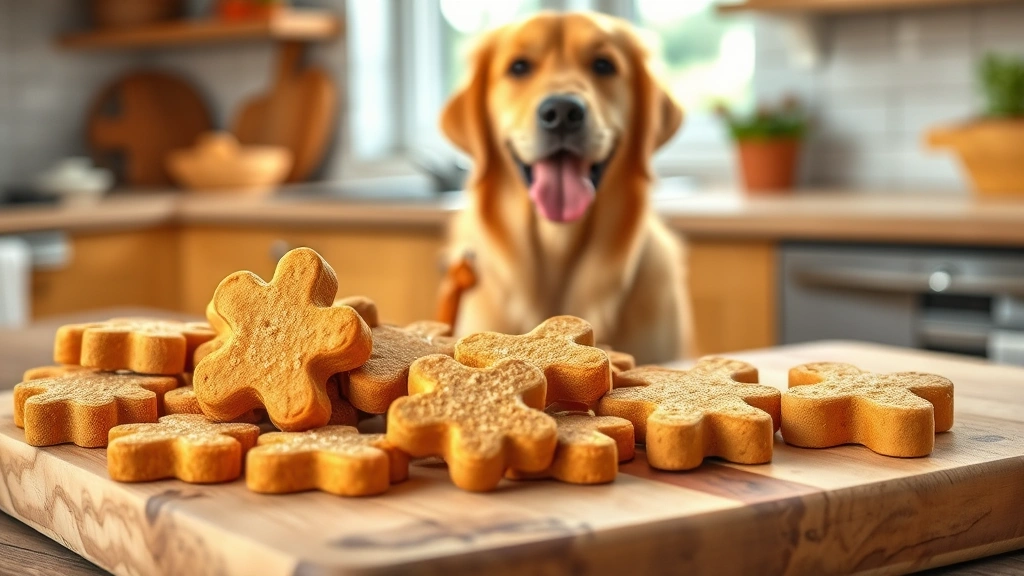
Making homemade dog treats is one of the best ways to show your furry best friend some love while knowing exactly what’s going into their mouth. Store-bought treats can be sketchy—full of mystery ingredients, preservatives, and things that make you squint at the label wondering if you’re feeding your dog or a chemistry experiment. But homemade? That’s where the magic happens. Your pup gets delicious, nutritious snacks, and you get the satisfaction of watching them lose their absolute mind over something you made with your own two hands.
Table of Contents
- Why Make Homemade Dog Treats Instead of Buying Them?
- Recipe #1: Peanut Butter and Banana Bites (The Crowd Pleaser)
- Recipe #2: Sweet Potato and Pumpkin Chewies (The Digestive Superstar)
- Recipe #3: Beef and Carrot Crunchers (The Protein Power Play)
- Recipe #4: Chicken and Apple Training Treats (The Bite-Sized Genius)
- Recipe #5: Frozen Yogurt Pops (The Refreshing Summer Treat)
- Storage and Safety Tips for Homemade Dog Treats
- Incorporating Treats Into Your Dog’s Nutrition Plan
- Common Mistakes When Making Homemade Dog Treats
- Why Your Vet Will Probably Love This Idea
- Frequently Asked Questions
- The Bottom Line: Your Dog Deserves Better Treats
Whether your dog is a picky eater, has allergies, or you just want to feel like a canine culinary genius, these five easy recipes will have your dog doing backflips. No fancy equipment needed—just your kitchen, some basic ingredients, and about fifteen minutes of your time.
Why Make Homemade Dog Treats Instead of Buying Them?
Let’s be real: commercial dog treats are convenient, but they’re not always the best choice for your pup. When you make homemade dog treats, you control every single ingredient. No artificial flavors, no mystery meat by-products, no preservatives that sound like they belong in a lab. Plus, it’s cheaper. A batch of homemade treats costs a fraction of what you’d spend on premium store-bought options.
Dogs also have different nutritional needs depending on their age, size, and health status. Making treats at home lets you customize recipes to fit your dog’s specific requirements. Got a senior dog with dental issues? Make softer treats. Got a pup with chicken allergies? Swap in turkey or beef. It’s that simple. And honestly, there’s something deeply satisfying about treating your dog with food you’ve personally prepared.
Recipe #1: Peanut Butter and Banana Bites (The Crowd Pleaser)
This is the gateway drug to homemade dog treats—if your dog doesn’t go absolutely bonkers for these, check their pulse. Peanut butter and banana are a classic combo that dogs find irresistible.
Ingredients:
- 1 cup peanut butter (xylitol-free—this is crucial!)
- 1 ripe banana, mashed
- 2 cups whole wheat flour (or oat flour for a gentler option)
- 1 egg
Instructions:
- Preheat your oven to 350°F
- Mix peanut butter, mashed banana, and egg in a bowl
- Gradually add flour until you get a dough consistency
- Roll out the dough and cut into small bite-sized pieces
- Bake for 12-15 minutes until golden brown
- Let cool completely before serving
These treats are soft enough for puppies and senior dogs but still satisfying to chew. Store them in an airtight container for up to a week, or freeze them for longer storage. Your dog won’t judge you for the freezer stash—they’ll just be thrilled when you pull them out.
Recipe #2: Sweet Potato and Pumpkin Chewies (The Digestive Superstar)
If your dog has a sensitive stomach or you’re looking for treats with functional benefits, sweet potato and pumpkin are your best friends. Both are packed with fiber and nutrients that support digestive health. These chewy treats are perfect for dogs who need a little extra gut support, and they’re excellent for incorporating into your homemade pet food schedule.
Ingredients:
- 1 cup pumpkin puree (canned is fine)
- 1 medium sweet potato, cooked and mashed
- 2 tablespoons coconut oil
- 2 cups oat flour
- 1 teaspoon cinnamon (optional but dogs love it)
Instructions:
- Preheat oven to 325°F
- Combine pumpkin, sweet potato, and coconut oil
- Mix in oat flour and cinnamon
- Spread mixture on a parchment-lined baking sheet
- Bake for 20 minutes, then cut into strips
- Return to oven for another 15 minutes to dry out
These treats have a chewier texture that dogs absolutely love, and the pumpkin can help with both constipation and diarrhea. It’s like giving your dog a little wellness boost disguised as a snack.
Recipe #3: Beef and Carrot Crunchers (The Protein Power Play)
Dogs are carnivores at heart, and this recipe taps into that primal love of meat. When you’re thinking about homemade dog treats that pack serious protein, beef and carrots deliver. These crunchy treats are also great for dental health—the texture helps clean teeth naturally as your dog chews.
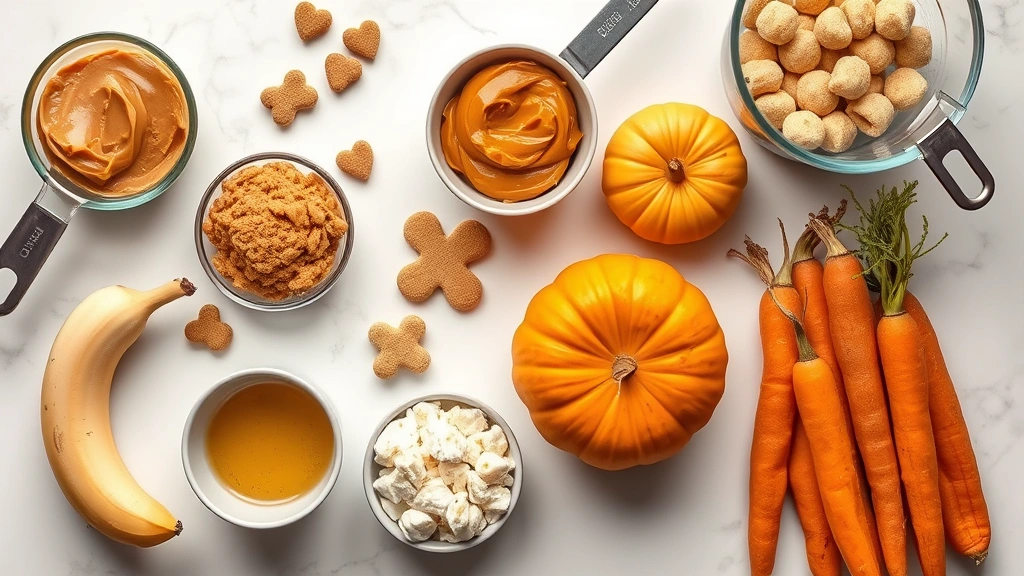
Ingredients:
- 1 pound lean ground beef
- 2 cups grated carrots
- 2 cups brown rice flour
- 1 egg
- 1 tablespoon olive oil
Instructions:
- Preheat oven to 375°F
- Brown the ground beef in a skillet, then drain excess fat
- Mix cooked beef with grated carrots, flour, egg, and olive oil
- Form small patties or balls
- Bake for 15-18 minutes until firm
- Cool on a wire rack
These treats are hearty and satisfying, making them perfect for training rewards or just because your pup deserves something special. They’re also excellent for rotating protein sources in your dog’s diet to prevent food sensitivities.
Recipe #4: Chicken and Apple Training Treats (The Bite-Sized Genius)
Training requires motivation, and homemade dog treats are the ultimate training fuel. These tiny, soft bites are perfect for reward-based training because they’re easy to eat quickly without breaking your dog’s focus. Chicken is lean protein, and apples (in moderation) provide natural sweetness and crunch.
Ingredients:
- 2 cups cooked chicken breast, finely diced
- 1 apple, grated (remove seeds)
- 1 cup whole wheat flour
- ¼ cup water or low-sodium chicken broth
Instructions:
- Preheat oven to 350°F
- Mix diced chicken, grated apple, flour, and broth
- Drop small spoonfuls onto a parchment-lined baking sheet
- Bake for 10-12 minutes until set
- Cool completely—these should be soft and chewy
The beauty of these treats is their size. You can reward your dog multiple times during a training session without overfeeding. They’re also perfect for dogs who need extra support with behavioral training or just need a little motivation to master that “sit” command.
Recipe #5: Frozen Yogurt Pops (The Refreshing Summer Treat)
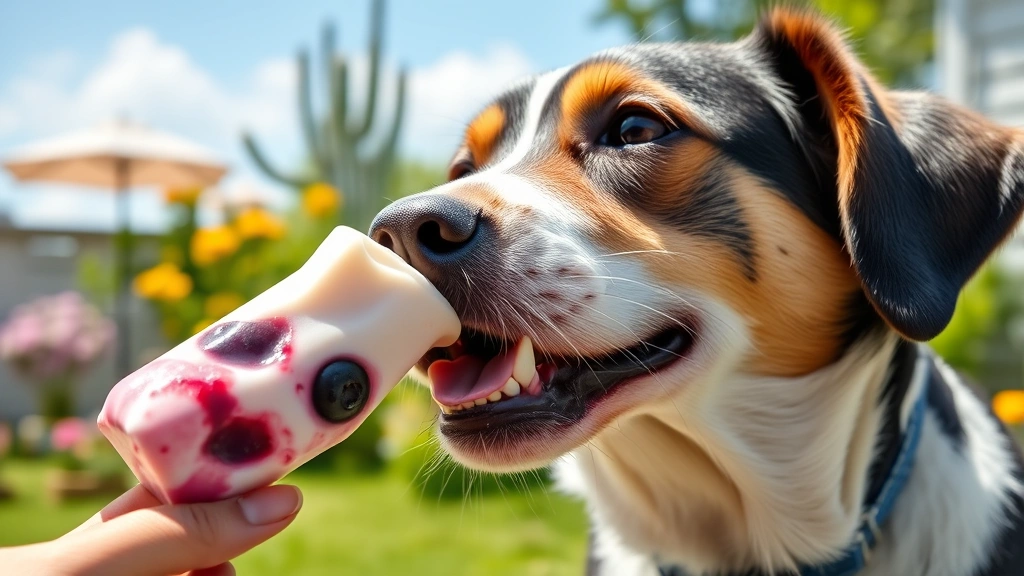
When the weather heats up, even dogs need a cool treat. These frozen yogurt pops are like doggy ice cream, and they’re packed with probiotics from plain yogurt. This is where homemade dog treats become a genuine wellness tool—probiotics support gut health and immune function.
Ingredients:
- 1 cup plain Greek yogurt (unsweetened, no xylitol)
- ½ cup blueberries
- 2 tablespoons honey
- 2 tablespoons peanut butter
Instructions:
- Mix yogurt, honey, and peanut butter together
- Pour into ice cube trays or small silicone molds
- Drop blueberries into each mold
- Freeze for at least 4 hours
- Pop out and serve on hot days
These are perfect for cooling your pup down after a summer play session. Plus, the blueberries are packed with antioxidants. Your dog gets a refreshing treat, and you get to feel like you’re giving them a superfood snack. Win-win.
Storage and Safety Tips for Homemade Dog Treats
Making homemade dog treats is great, but you need to store them properly to keep them fresh and safe. Room temperature storage works for most treats for about a week in an airtight container. For longer storage, freeze them in freezer bags for up to three months. Just thaw before serving, or many dogs actually enjoy frozen treats straight from the freezer.
Here’s the critical part: always check ingredients before giving treats to your dog. Some human foods are toxic to dogs. Xylitol (a sugar substitute) is extremely dangerous and can cause liver failure. Grapes, raisins, chocolate, macadamia nuts, and onions are all no-nos. When in doubt, consult with your vet before introducing new treat ingredients.
Also, remember that treats should make up no more than 10% of your dog’s daily caloric intake. These homemade dog treats are supplements to their regular diet, not replacements. If your dog has specific health conditions or dietary restrictions, chat with your veterinarian before making major changes to their treat routine.
Incorporating Treats Into Your Dog’s Nutrition Plan
Making homemade treats is part of a larger picture of canine nutrition. Consider pairing these treats with a balanced diet that might include elements from your homemade pet food schedule, and if you’re feeding raw or home-cooked diets, you might want to explore raw diet supplementation to ensure your dog gets complete nutrition.
Some dogs benefit from pet multivitamins to fill nutritional gaps, especially if they’re eating homemade meals and treats exclusively. Your vet can recommend what’s best for your individual dog based on their age, activity level, and health status.
For mental enrichment, you can also use these treats in puzzle feeders for dogs, which combine the nutrition of treats with cognitive stimulation. It’s a great way to keep your pup entertained while they snack.
Common Mistakes When Making Homemade Dog Treats
Even though making homemade dog treats is pretty forgiving, there are a few pitfalls to avoid. First, don’t add extra salt or sugar. Your dog doesn’t need it, and it’s not good for them. Second, don’t skip the cooling step—hot treats can burn your dog’s mouth. Third, don’t make giant treats if you have a small dog or a dog who tends to gulp food without chewing.
Another common mistake is using ingredients you haven’t verified as dog-safe. Just because something is healthy for humans doesn’t mean it’s safe for dogs. Do a quick Google search or ask your vet before incorporating new ingredients. And finally, don’t assume homemade treats last forever. They do go bad, especially if not stored properly, so use them within reasonable timeframes.
Why Your Vet Will Probably Love This Idea
Most veterinarians are thrilled when clients take an active role in their dog’s nutrition. Making homemade dog treats shows you care about what goes into your pup’s body. Your vet can provide guidance on portion sizes, ingredient choices, and whether these treats align with your dog’s specific health needs. If your dog has allergies, digestive issues, or other health concerns, your vet might even have recipe suggestions tailored to their situation.
The fact that you’re controlling ingredients makes it easier for your vet to identify potential dietary triggers if health issues arise. It’s also a great conversation starter at your next wellness visit—your vet will probably ask you to share your favorite recipes.
Frequently Asked Questions
Can I use all-purpose flour instead of whole wheat flour?
Yes, you can, though whole wheat flour is generally better for dogs because it has more fiber and nutrients. All-purpose flour works in a pinch, but it’s less nutritious. You could also use oat flour, coconut flour, or brown rice flour depending on your dog’s digestive system.
How long do homemade dog treats last?
In an airtight container at room temperature, most homemade dog treats last about 5-7 days. In the refrigerator, they can last up to two weeks. Frozen, they’ll keep for 2-3 months. Always check for signs of mold or spoilage before serving.
Can I make treats without eggs?
Absolutely. Eggs are a binder, but you can replace them with mashed banana, applesauce, or a flax egg (1 tablespoon ground flaxseed mixed with 3 tablespoons water). The texture might be slightly different, but the treats will still work.
Are these treats suitable for dogs with allergies?
It depends on the allergy. The beauty of homemade dog treats is that you can customize them. If your dog has a chicken allergy, skip the chicken recipe and make the beef one instead. Always introduce new treats slowly and watch for allergic reactions.
Can puppies eat these homemade treats?
Most of these recipes are puppy-safe, but puppies need smaller portions and softer textures. The peanut butter and banana bites and frozen yogurt pops are great for puppies. Avoid anything too hard that could be a choking hazard, and always supervise treat time with young dogs.
Should I be worried about nutritional balance in treats?
Treats should supplement a balanced diet, not replace it. As long as treats make up less than 10% of your dog’s daily calories and your dog is eating a complete, balanced main diet, you’re fine. If you’re concerned about nutritional gaps, discuss it with your vet.
The Bottom Line: Your Dog Deserves Better Treats
Making homemade dog treats is easier than you think, and the payoff is enormous. Your dog gets healthier, more nutritious snacks. You get peace of mind knowing exactly what’s going into your pup’s body. And honestly? The look on your dog’s face when you present them with a homemade treat is absolutely priceless.
These five recipes are just the starting point. Once you get comfortable making treats, you can experiment with different ingredients, flavors, and textures. Your dog will become your most enthusiastic taste-tester, and you’ll develop a deeper connection with your furry friend through the simple act of feeding them something you made with love.
Start with whichever recipe appeals to you most, get some positive feedback from your pup, and then expand your homemade treat repertoire. Your dog’s tail wags will be your reward, and that’s better than any store-bought treat could ever offer.





