
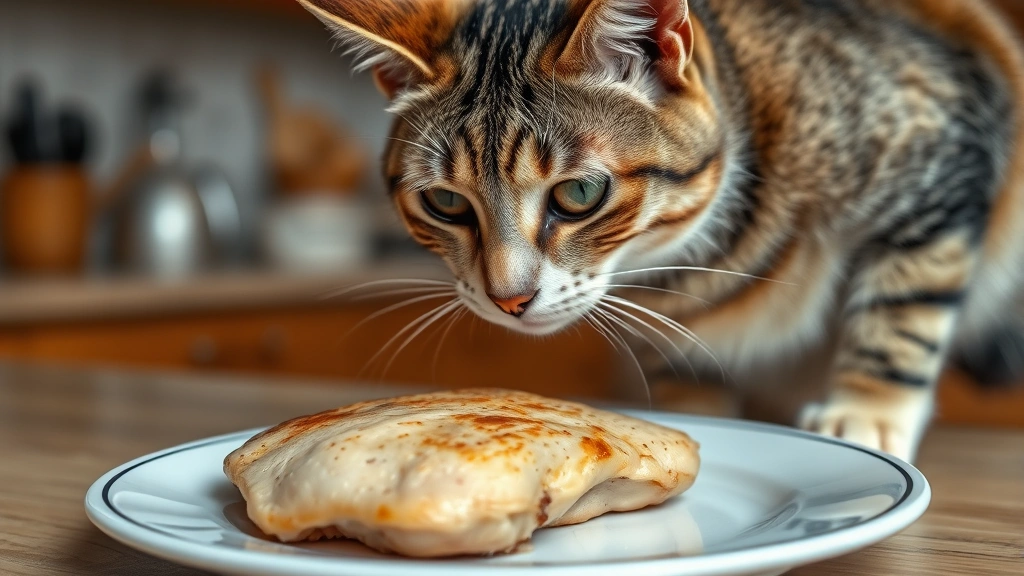
So your cat’s giving you those big eyes while you’re eating dinner, and you’re wondering: what safe human foods for cats can I actually share without turning Fluffy into a furry disaster? Great question—because yes, there are legit human foods your feline friend can enjoy safely, and no, it’s not just plain chicken and water.
Table of Contents
- Why Most Human Food Is a No-Go for Cats
- Chicken: The Gold Standard of Cat Foods
- Turkey: Another Poultry Winner
- Fish: Use With Caution (Yes, Really)
- Eggs: Protein-Packed and Purr-Worthy
- Pumpkin: The Digestive Superhero
- Watermelon and Cantaloupe: Hydration Station
- Plain Cooked Vegetables: The Boring But Safe Option
- Beef: The Carnivore’s Dream
- Salmon Oil: The Supplement That Counts as Food
- What to Absolutely Never Feed Your Cat
- The Golden Rules for Sharing Human Food With Cats
- When to Skip Human Food Entirely
- Frequently Asked Questions
- The Bottom Line: Moderation Is Key
As a vet tech who’s seen everything from cats stealing pizza to kittens mysteriously obsessed with cantaloupe, I’m here to break down which human foods are actually safe for your whiskered roommate and which ones should stay far away from their food bowl.
Why Most Human Food Is a No-Go for Cats
Before we talk about the good stuff, let’s understand why cats are so picky about what they eat (besides their naturally snobbish personalities). Cats are obligate carnivores, meaning their bodies are literally designed to thrive on meat. Unlike dogs, who’ll eat basically anything that doesn’t eat them first, cats have specific nutritional requirements and a digestive system that doesn’t process certain foods the way ours do.
Their taste buds also work differently—cats can’t taste sweetness, which is why they don’t care about your dessert. Their livers also lack certain enzymes that help break down compounds found in common foods, making even “healthy” human foods potentially problematic. This is why understanding cat food portions and what actually goes into their diet matters so much.

Chicken: The Gold Standard of Cat Foods
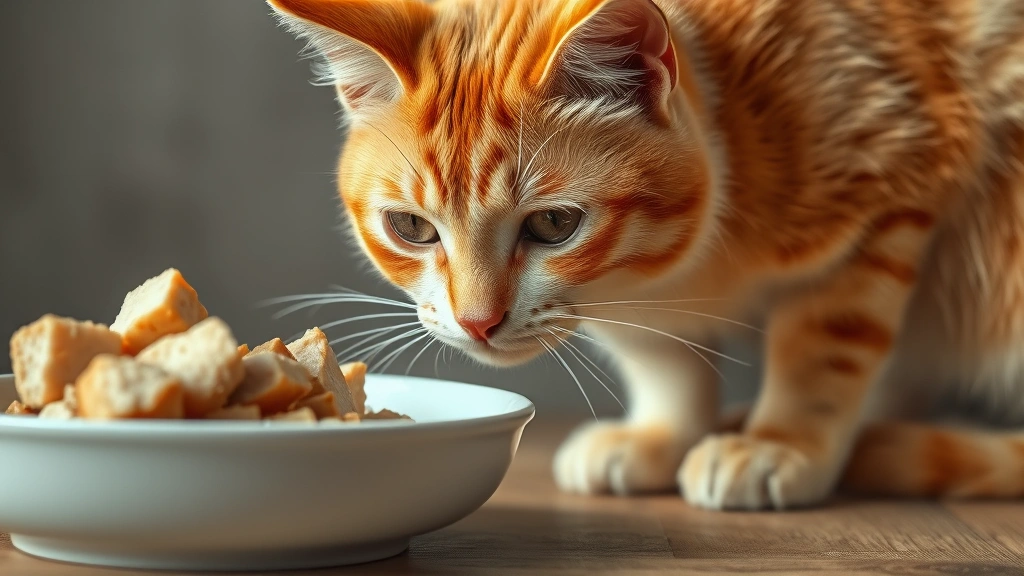
Let’s start with the MVP of safe human foods for cats: plain, cooked chicken. This is basically the gateway food—the one that makes your cat think you’re the best human ever.
Cooked chicken breast (no skin, no seasoning, no fancy sauces) is packed with protein and is genuinely safe for cats. You can offer it as a treat or mix a small amount into their regular food. Just make sure it’s boneless and skinless, because cats have no patience for spitting out bones, and sharp pieces are a choking hazard.
Pro tip: If you’re introducing solid food to kittens, plain chicken is one of the safest starting points alongside their kitten formula.

Turkey: Another Poultry Winner
Turkey gets less hype than chicken, but it deserves a standing ovation. Plain, cooked turkey (again, no skin, no seasoning) is another excellent source of lean protein that cats can safely enjoy.
This is especially great if you’re looking to rotate proteins and keep your cat’s meals interesting. Some cats get bored eating the same thing every day (yes, really), so occasionally switching between chicken and turkey can keep mealtime exciting. Just remember: the golden rule is plain, cooked, and boneless.
Fish: Use With Caution (Yes, Really)
I know, I know—cats are supposed to love fish, right? The internet told you so. Here’s the reality: while cats can eat plain, cooked fish like salmon or tuna, it should be offered rarely and in moderation.
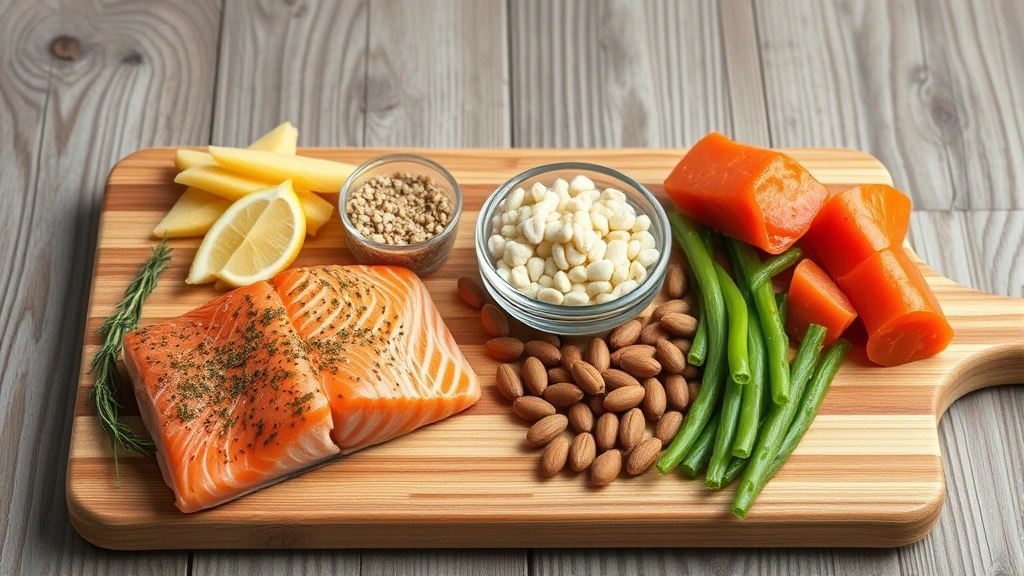
Raw fish can contain harmful bacteria and parasites. Canned fish packed in oil or salt isn’t ideal. And here’s the kicker—too much fish can actually lead to thiamine deficiency and mercury buildup in your cat’s system. Fish is also addictive to cats (they become little furry addicts), which means they might start rejecting their regular food.
If you do offer fish, make it an occasional treat, not a dietary staple. Stick to plain, cooked versions without any added seasoning or oil.
Eggs: Protein-Packed and Purr-Worthy
Cooked eggs (scrambled, boiled, or poached—no butter, no salt) are surprisingly great for cats. They’re packed with protein and amino acids that support muscle development and overall health.
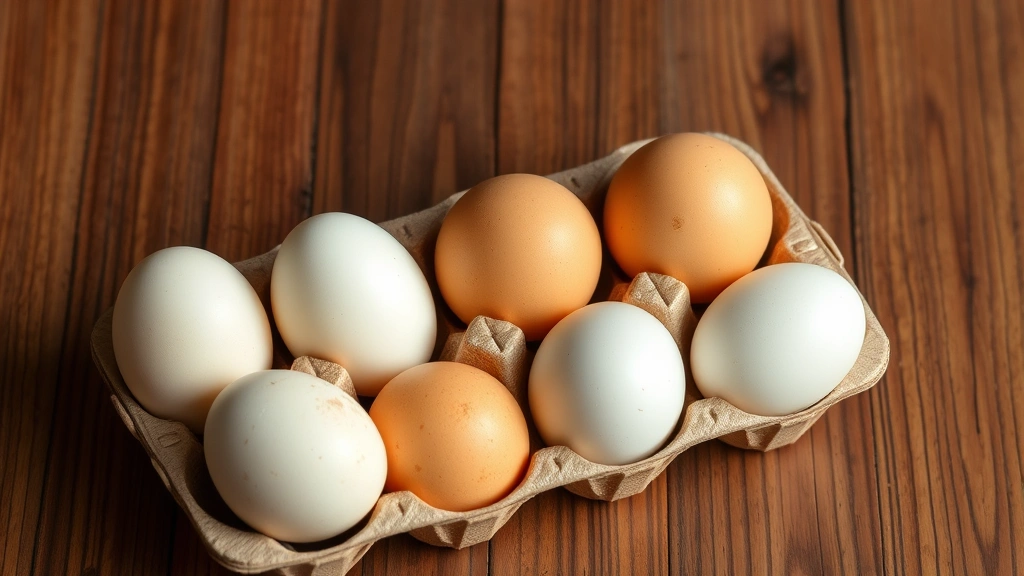
Raw eggs are a no-go because of salmonella risk, but cooked eggs are totally safe. Some vets even recommend them for cats recovering from illness or during special dietary needs. If you’re dealing with feeding during illness, cooked eggs can be a gentle, nutritious option to discuss with your vet.
Pumpkin: The Digestive Superhero
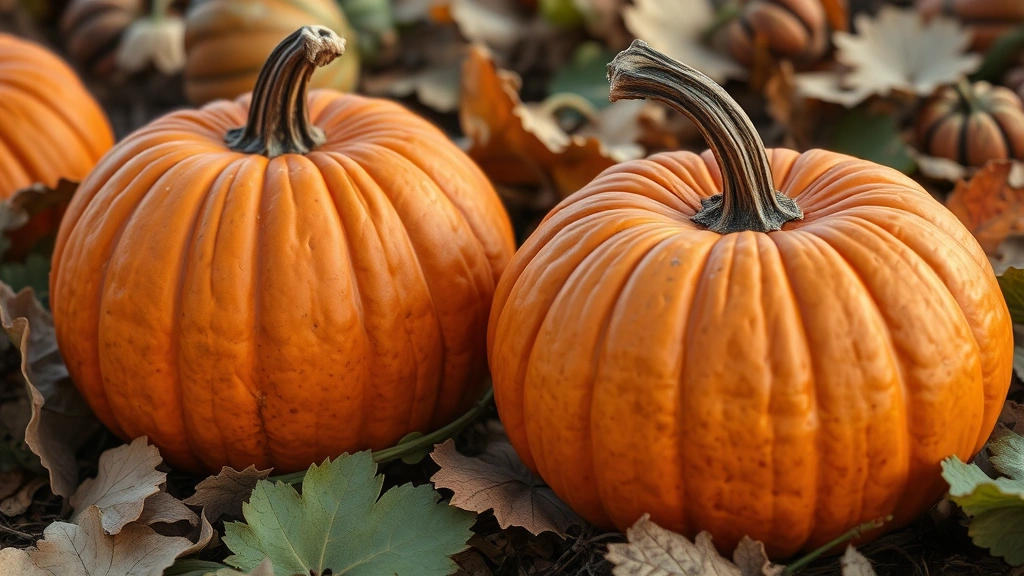
Plain pumpkin (not pumpkin pie filling—that’s loaded with sugar and spices) is one of the few vegetables that cats can eat safely. More importantly, it’s genuinely beneficial for their digestive health.
A small amount of plain cooked or canned pumpkin can help with both constipation and diarrhea, making it a vet-approved remedy for common digestive issues. This is why you’ll see it recommended by veterinarians everywhere. It’s basically the multitool of cat treats.
Watermelon and Cantaloupe: Hydration Station
Here’s something weird that some cats actually enjoy: seedless watermelon and cantaloupe. These fruits are mostly water, so they can help keep your cat hydrated, especially if your feline friend doesn’t drink enough water naturally.
Offer only the flesh (no seeds, no rind), and keep portions tiny. Some cats will completely ignore it, while others will inexplicably demand it. There’s no accounting for cat taste, honestly.
Plain Cooked Vegetables: The Boring But Safe Option
Cats aren’t exactly vegetable enthusiasts, but small amounts of plain cooked carrots, green beans, or peas are safe. They won’t provide much nutritional value since cats are carnivores, but they can work as occasional treats or food enrichment for cats looking for variety.

Never offer onions, garlic, or anything from the allium family—these are toxic to cats and can damage their red blood cells. Stick to the boring stuff: cooked carrots, green beans, and plain peas only.
Beef: The Carnivore’s Dream
Plain, cooked, unseasoned beef is another safe protein option for cats. Ground beef, beef chunks, or beef strips all work, as long as there’s no added salt, seasoning, or fat.
Beef is nutrient-dense and satisfying for cats, making it a great occasional treat. Some cats will go absolutely bonkers for a small piece of plain cooked beef, so use it strategically as a high-value reward.
Salmon Oil: The Supplement That Counts as Food
While not technically a “food,” salmon oil supplements designed for cats are worth mentioning because they’re derived from human food sources. A tiny amount of cat-safe salmon oil can support coat health and reduce inflammation.
Never give your cat regular fish oil meant for humans—it’s formulated differently and can contain unsafe levels of vitamins A and D. Stick to products specifically made for cats and follow dosing instructions carefully.
What to Absolutely Never Feed Your Cat
Now for the scary stuff. These human foods are genuinely toxic to cats and should never be offered, no matter how much they beg:

- Chocolate: Contains theobromine, which is toxic to cats
- Onions and garlic: Damage red blood cells and cause hemolytic anemia
- Grapes and raisins: Can cause kidney failure
- Xylitol: Found in sugar-free foods, causes insulin release and liver damage
- Avocado: Contains persin, which is toxic to cats
- Alcohol and caffeine: Both are dangerous stimulants for cats
- Raw dough: Can expand in the stomach and cause serious issues
- Bones: Can splinter and cause internal injuries
The Golden Rules for Sharing Human Food With Cats
Whether you’re dealing with pregnant cat feeding or just treating your average house cat, follow these guidelines:
- Keep portions tiny: Human food should be treats, not meals. A piece the size of your pinky fingernail is usually enough.
- No seasoning: Salt, garlic, onion, spices—all problematic. Plain means plain.
- Cook when necessary: Raw meat carries bacteria risks. Cooked is safer.
- Introduce slowly: New foods can upset sensitive stomachs. Start small and watch for digestive issues.
- Ask your vet: If you’re unsure, ask. Your vet knows your cat’s specific health needs.
When to Skip Human Food Entirely
Some cats have specific health conditions that mean human food—even the “safe” kind—should be avoided. Cats with kidney disease, diabetes, or digestive issues might need to stick exclusively to prescription diets.
If your cat is on feeding kittens frequently or has any ongoing health concerns, run any food additions by your vet first. It’s not worth risking your cat’s health for a few extra treats.

Frequently Asked Questions
Can cats eat rice?
Plain, cooked white or brown rice is safe for cats in small amounts. It won’t hurt them, but it doesn’t provide much nutritional value either. Some vets recommend plain rice mixed with plain chicken for cats with upset stomachs, but it’s not something cats need or particularly benefit from.
Is it okay to give my cat milk?
Most adult cats are lactose intolerant, so regular cow’s milk can cause digestive upset. However, specially formulated cat milk (lactose-free) is available and safe. Water is always the best hydration option for cats.
Can cats have peanut butter?
Small amounts of plain peanut butter (without xylitol) are technically safe, but they’re high in fat and salt. Most cats also don’t care about peanut butter, so it’s not worth offering. If your cat somehow loves it, a tiny lick is fine, but it’s not recommended as a treat.
What about cheese?
Small amounts of plain cheese are safe for cats, but most adult cats are lactose intolerant. A tiny piece occasionally won’t hurt, but it’s high in fat and sodium. It’s not an ideal treat choice.
Can I give my cat human baby food?
Plain, unseasoned human baby food (chicken or turkey varieties) is technically safe, but it’s unnecessary and expensive. Stick to plain cooked versions of these proteins instead. Just make sure any baby food doesn’t contain onion or garlic powder.
Are there any vegetables cats actually enjoy?
Some cats inexplicably enjoy certain vegetables. Steamed carrots, cooked pumpkin, and plain peas are the most commonly accepted. Most cats, however, will completely ignore vegetables and act offended that you offered them.
The Bottom Line: Moderation Is Key
Safe human foods for cats absolutely exist, and your vet-approved options include plain cooked chicken, turkey, beef, eggs, and a few surprising additions like pumpkin and watermelon. The key is remembering that these should be occasional treats, not dietary staples.
Your cat’s primary nutrition should come from high-quality commercial cat food formulated to meet their specific needs. Human food is the cherry on top, not the sundae itself.
When in doubt, ask your veterinarian. They know your cat’s health history, dietary needs, and any special considerations that might make certain foods off-limits. And remember: the best treat you can give your cat is your time and attention. Though they’ll probably still prefer the chicken.





