
When it comes to keeping your furry friends safe, knowing which dangerous foods for pets to avoid is absolutely crucial—because what’s delicious to us can literally kill them. Your dog or cat might give you those irresistible puppy-dog eyes when you’re eating dinner, but some of our favorite human foods are toxic nightmares for our beloved companions. Let’s dive into this essential guide that could save your pet’s life.
Table of Contents
- Why Certain Foods Are Toxic to Pets
- Chocolate: The Sweet Killer
- Grapes and Raisins: Mysterious Danger
- Avocado: The Trendy Toxin
- Onions and Garlic: Stealthy Villains
- Xylitol: The Artificial Sweetener Nightmare
- Macadamia Nuts: The Toxic Nut
- Alcohol and Caffeine: Human Vices, Pet Poisons
- Bones, Pits, and Seeds: Choking and Toxin Hazards
- Salt and Fatty Foods: The Sneaky Killers
- Dairy and Lactose: Not Always Safe
- Raw Dough and Yeast: The Rising Problem
- What To Do If Your Pet Eats Something Dangerous
- Prevention: Your Best Defense
- Frequently Asked Questions
- Conclusion: Keep Your Pet Safe
Why Certain Foods Are Toxic to Pets
Here’s the thing: pets metabolize food differently than humans do. Their bodies lack certain enzymes and have different digestive systems, which means foods we digest without a second thought can wreak havoc on theirs. Some substances are outright poisons to animals, while others cause severe reactions even in small amounts. Understanding the science behind why these foods are dangerous helps you appreciate just how serious this is—and why you need to be vigilant about what lands in your pet’s bowl or sneaks off your plate.
Chocolate: The Sweet Killer
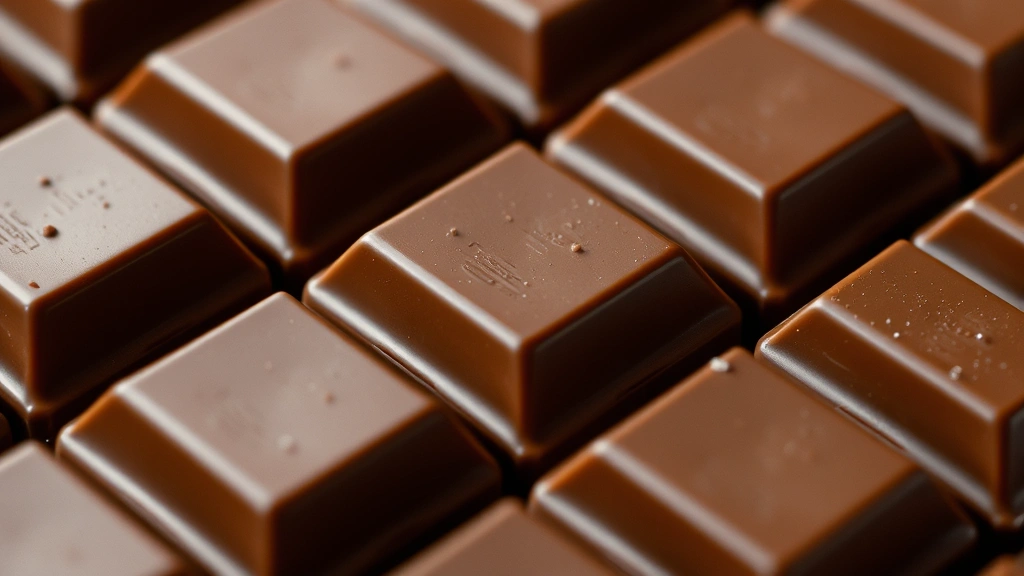
Let’s start with everyone’s favorite guilty pleasure: chocolate. Dark chocolate and baking chocolate contain theobromine, a compound similar to caffeine that pets cannot process efficiently. Even small amounts can cause vomiting, diarrhea, rapid heart rate, and seizures. The darker the chocolate, the more dangerous it is. A tiny piece of dark chocolate might seem harmless, but it could trigger a trip to the emergency vet. Milk chocolate is less dangerous but still risky, especially for smaller pets. White chocolate? That’s the safest option (though still not recommended), but it’s basically just sugar anyway.
Grapes and Raisins: Mysterious Danger
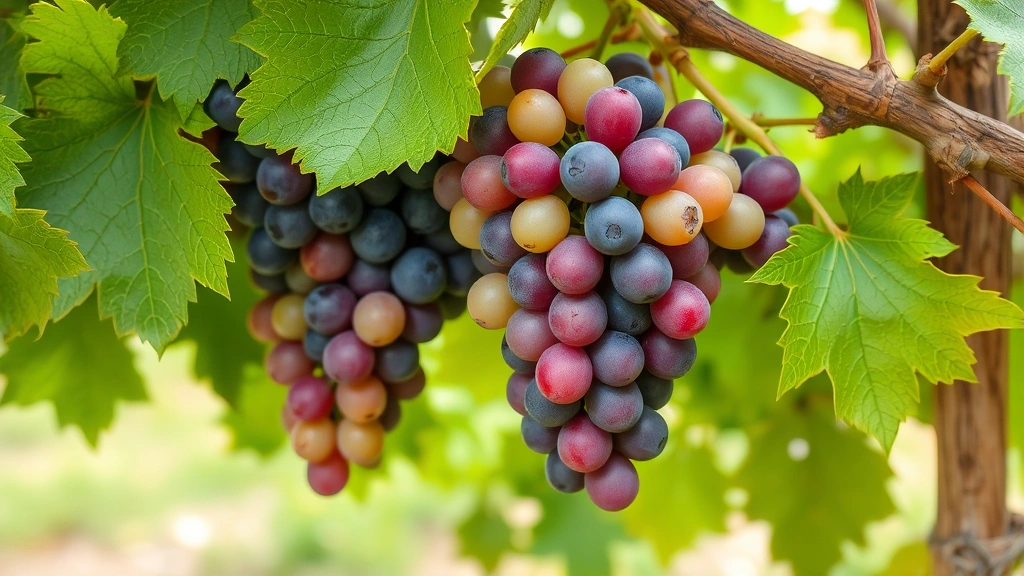
This one baffles veterinarians because we still don’t fully understand why grapes and raisins are so toxic to dogs. What we do know is that even a handful can cause acute kidney failure in some pets. The scary part? Not all dogs react the same way, so you can’t assume your dog is safe just because it ate grapes once without incident. Cats are generally less affected, but it’s still better to keep them away. When it comes to food allergies and feeding routines, always err on the side of caution with these fruits.
Avocado: The Trendy Toxin
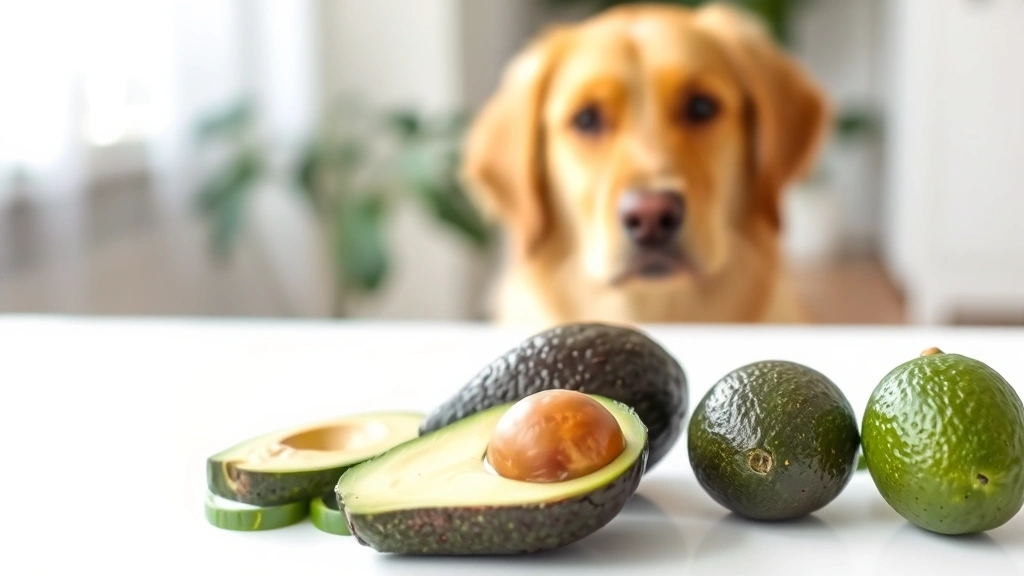
Avocado toast might be Instagram gold, but it’s a nightmare for pets. Avocados contain persin, a fungicidal toxin that causes vomiting, diarrhea, and heart damage in dogs and cats. The worst part? The pit and leaves are the most toxic, but the flesh is dangerous too. That guacamole you’re snacking on? Keep it far away from curious noses. Even though avocado is healthy for humans, it’s definitely not a superfood for your furry friends.
Onions and Garlic: Stealthy Villains
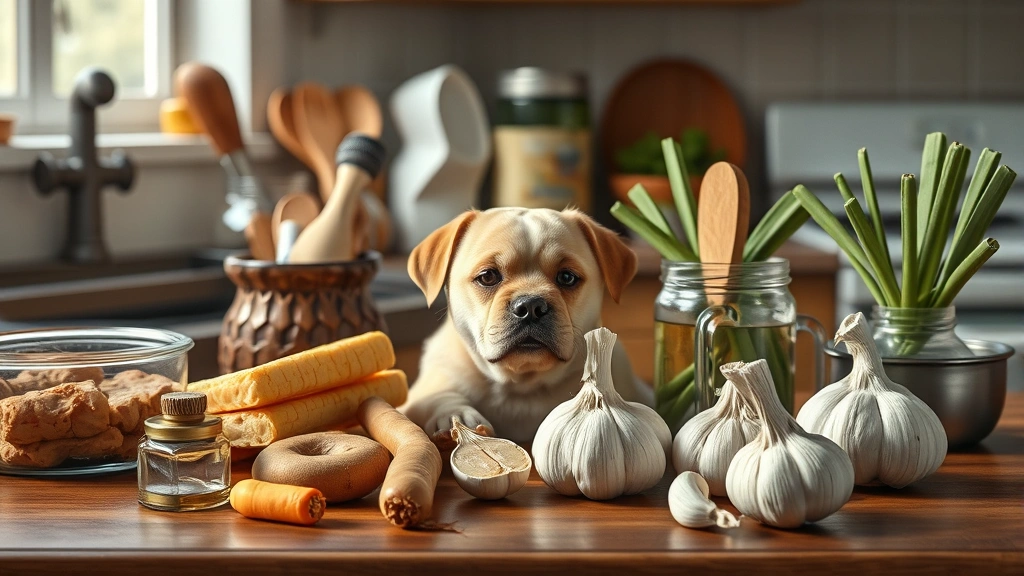
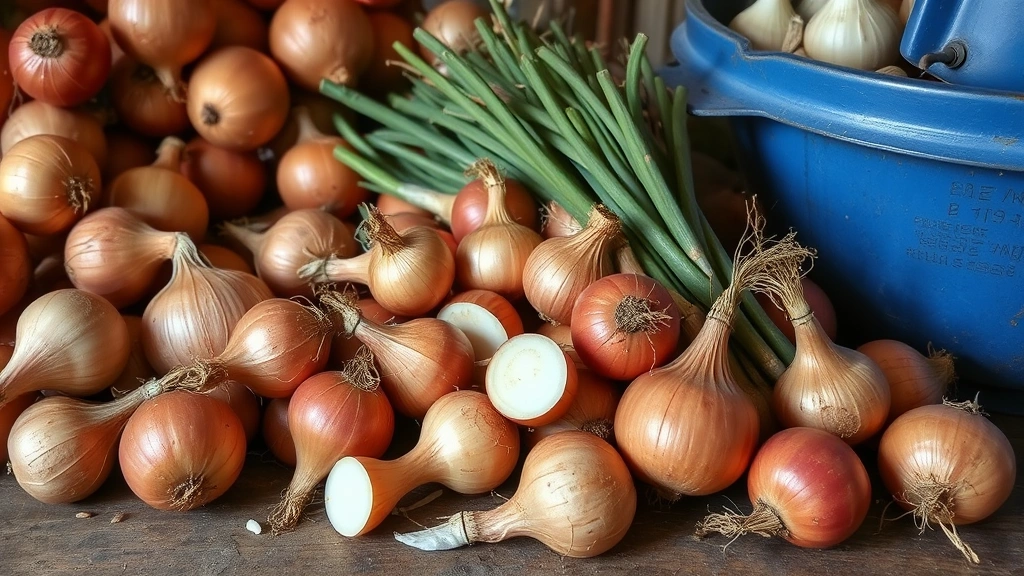
Both onions and garlic contain thiosulfates, which damage red blood cells and cause hemolytic anemia in pets. Here’s where it gets tricky: these ingredients hide in so many foods. Cooked, raw, powdered—doesn’t matter. That pizza with garlic crust? Dangerous. The soup with onion? Risky. The baby food with garlic powder? Absolutely not. Even small, repeated exposures add up over time, so you need to read every label and know what’s in your pet’s food. This is especially important when considering limited ingredient diet timing for sensitive pets.
Xylitol: The Artificial Sweetener Nightmare
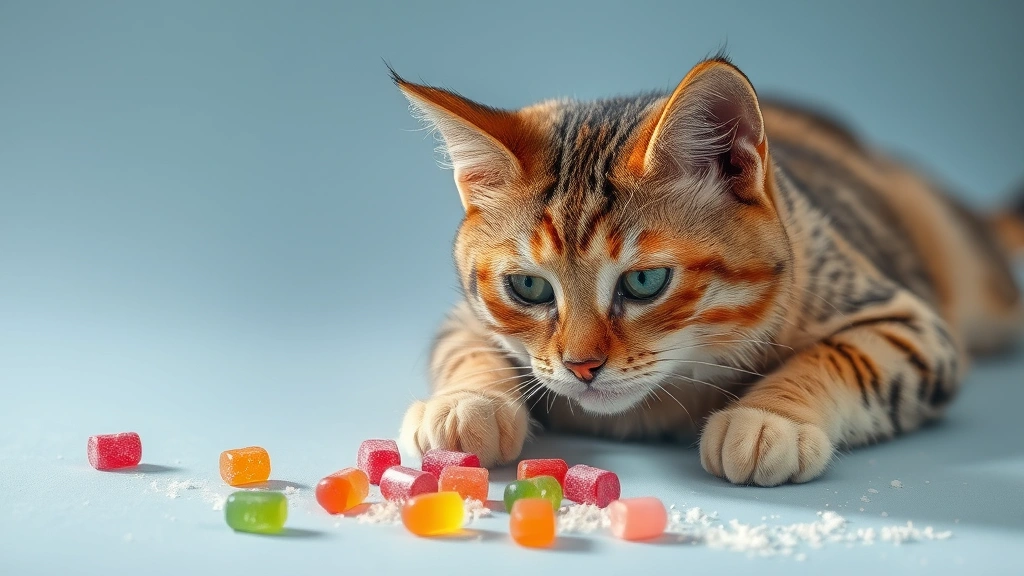
Xylitol is found in sugar-free gum, candy, baked goods, and even some peanut butters. For dogs, it’s absolutely catastrophic—it causes a rapid insulin release that leads to severe hypoglycemia and liver failure. We’re talking about a life-threatening emergency within hours. Always check labels on “sugar-free” products before sharing anything with your pet. Cats are less susceptible, but why risk it? This artificial sweetener is one of the most dangerous substances lurking in modern pantries.

Macadamia Nuts: The Toxic Nut
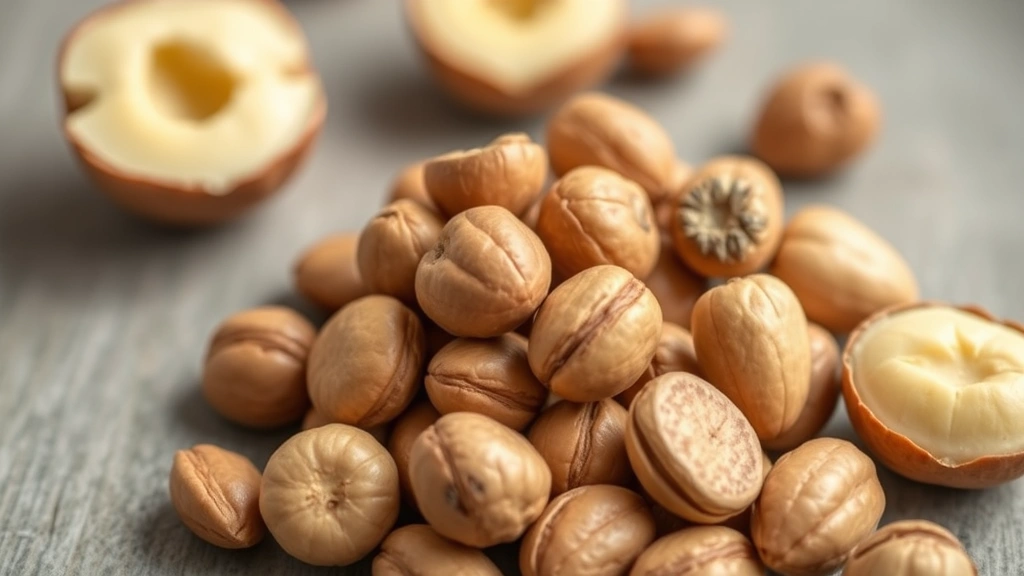
While other nuts are generally okay in moderation, macadamia nuts are specifically toxic to dogs. They cause weakness, vomiting, tremors, and hyperthermia. Even a small handful can make your dog seriously ill. The good news? Cats aren’t typically affected. But if you have a dog, keep those macadamia nut cookies locked up tight. It’s not worth the risk, especially when there are plenty of other snacks your dog can safely enjoy.
Alcohol and Caffeine: Human Vices, Pet Poisons
Your morning coffee and evening cocktail might be essential to your survival, but they’re genuinely dangerous for pets. Alcohol causes intoxication, low blood sugar, seizures, and respiratory depression in animals. Caffeine (found in coffee, tea, energy drinks, and chocolate) causes similar issues—rapid heart rate, tremors, and potentially fatal arrhythmias. That “funny” video of a drunk dog? Not actually funny—it’s animal poisoning. Keep all caffeinated and alcoholic beverages completely away from your pets, and be careful about spills.
Bones, Pits, and Seeds: Choking and Toxin Hazards
While we often think of bones as natural dog food, cooked bones splinter and cause blockages or perforations. Avocado pits, peach pits, and apple seeds contain cyanogenic compounds. Cherry pits, plum pits, and apricot pits are similarly dangerous. Even though your dog might love gnawing on a bone, stick to specially designed chew toys instead. When considering rotating protein sources, make sure you’re selecting safe options without dangerous elements.
Salt and Fatty Foods: The Sneaky Killers
Excessive salt causes sodium ion poisoning, leading to vomiting, diarrhea, lethargy, and tremors. Fatty foods can trigger pancreatitis, a painful and potentially fatal inflammation of the pancreas. That salty bacon you’re cooking? Keep it away from your dog. The fatty steak trimmings? Not a treat—they’re a health hazard. This is where pancreatitis feeding schedules become critically important for at-risk pets.
Dairy and Lactose: Not Always Safe
While a tiny bit of cheese won’t kill most dogs, many pets are lactose intolerant. Milk, ice cream, and other dairy products can cause digestive upset, gas, and diarrhea. Cats especially shouldn’t have cow’s milk—it’s a common myth that cats love milk, but most are actually lactose intolerant. If you want to give your pet dairy, stick to lactose-free options or just skip it altogether.
Raw Dough and Yeast: The Rising Problem
Raw dough containing yeast is genuinely dangerous. The yeast ferments in your pet’s stomach, producing gas and alcohol. This causes bloating, discomfort, and potentially fatal gastric dilatation-volvulus (bloat). If your pet eats raw dough, this is an emergency—get to the vet immediately. It’s not something to wait out or monitor at home.
What To Do If Your Pet Eats Something Dangerous
First, don’t panic (okay, panic a little, but then take action). Call your veterinarian or the ASPCA Animal Poison Control Center immediately at (888) 426-4435. Have the following information ready: what your pet ate, how much, and when. Don’t wait for symptoms to appear—some toxins work slowly and silently. Your vet might induce vomiting or use activated charcoal, depending on what was ingested and how long ago. Time is genuinely critical with certain toxins.
Prevention: Your Best Defense
The absolute best approach is prevention. Keep dangerous foods secured in cabinets or the fridge. Don’t leave food unattended on counters or tables. Train your family members about what’s dangerous. Use pet-proof trash cans. When hosting parties, remind guests not to feed your pets human food. Consider your breed-specific feeding needs and any individual health conditions your pet has. Some breeds are more prone to certain issues, so know your pet’s vulnerabilities.
Frequently Asked Questions
Can dogs eat any human food safely?
Yes, but only certain foods in moderation. Safe options include plain cooked chicken, carrots, green beans, sweet potatoes, and apples (without seeds). Always introduce new foods slowly and in small amounts. When in doubt, check with your vet first.
Is there an antidote for chocolate poisoning?
There’s no specific antidote, but veterinarians can treat the symptoms and provide supportive care. The sooner you get your pet to the vet after chocolate ingestion, the better the outcome. This is why immediate action is crucial.

How much xylitol is toxic to dogs?
Even small amounts—as little as 0.1 grams per kilogram of body weight—can cause hypoglycemia in dogs. This means a single piece of sugar-free gum could be dangerous for a small dog. Always assume any xylitol-containing product is a threat.
Are cats safer from these toxins than dogs?
Not necessarily. While cats are less curious about certain foods, they’re actually more sensitive to some toxins like onions and garlic. Cats are also more susceptible to poisoning from essential oils and certain medications. Never assume something is safe for cats just because it’s less dangerous for dogs.
What should I do if my pet eats something toxic by accident?
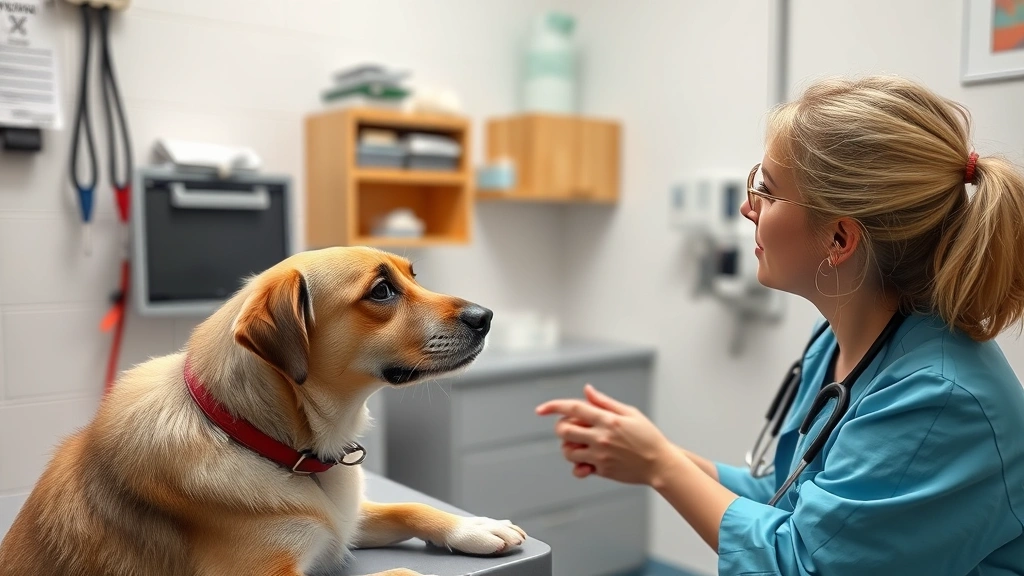
Contact your veterinarian or poison control immediately. Don’t wait for symptoms. Provide information about what was eaten, how much, and when. Your vet can advise whether your pet needs emergency care or if monitoring at home is sufficient.
Conclusion: Keep Your Pet Safe
Knowing which dangerous foods for pets to avoid is one of the most important responsibilities of pet ownership. Your dog or cat depends on you to protect them from toxins hiding in your kitchen. While it might seem overwhelming, it really comes down to being mindful, reading labels, and keeping dangerous items secured. Your pet doesn’t understand that chocolate tastes good—they just know you’re giving them something. Be the responsible pet owner who keeps those irresistible eyes away from harmful foods. When in doubt, consult your veterinarian. Your pet’s life might literally depend on it.

For more information on pet nutrition and safety, check out resources from the American Kennel Club, PetMD, and your local veterinary college. These authoritative sources provide evidence-based guidance on keeping your pets healthy and safe.





