

As pet owners, we constantly seek ways to keep our furry companions healthy and hydrated, especially during hot summer months. Coconut water has gained popularity as a natural, electrolyte-rich beverage for humans, leading many dog owners to wonder: can dogs have coconut water? This tropical drink, extracted from young coconuts, is packed with natural electrolytes like potassium, sodium, and magnesium, making it an appealing alternative to plain water.
While coconut water might seem like a healthy treat for your canine companion, the answer isn’t as straightforward as you might think. Understanding the benefits, risks, and proper serving guidelines is crucial before offering this trendy beverage to your dog. Let’s explore everything you need to know about can dogs drink coconut water and whether it’s a refreshing treat or a risky sip for your four-legged friend.
What is Coconut Water and Its Nutritional Profile
Coconut water is the clear liquid found inside young, green coconuts. Unlike coconut milk, which is made by blending coconut meat with water, coconut water is naturally occurring and contains fewer calories and less fat. This natural beverage has been consumed for centuries in tropical regions and is now widely available in grocery stores worldwide.
The nutritional composition of coconut water includes several key components that make it appealing as a hydration option. A typical 8-ounce serving contains approximately 45-60 calories, 11-15 grams of carbohydrates (mostly natural sugars), and minimal protein and fat. The electrolyte content is particularly noteworthy, with potassium being the most abundant mineral, followed by sodium, magnesium, and calcium.
For dogs, understanding this nutritional profile is essential because their dietary needs differ significantly from humans. The American Kennel Club emphasizes that dogs require a balanced diet specifically formulated for their species, and any additions should be carefully considered.
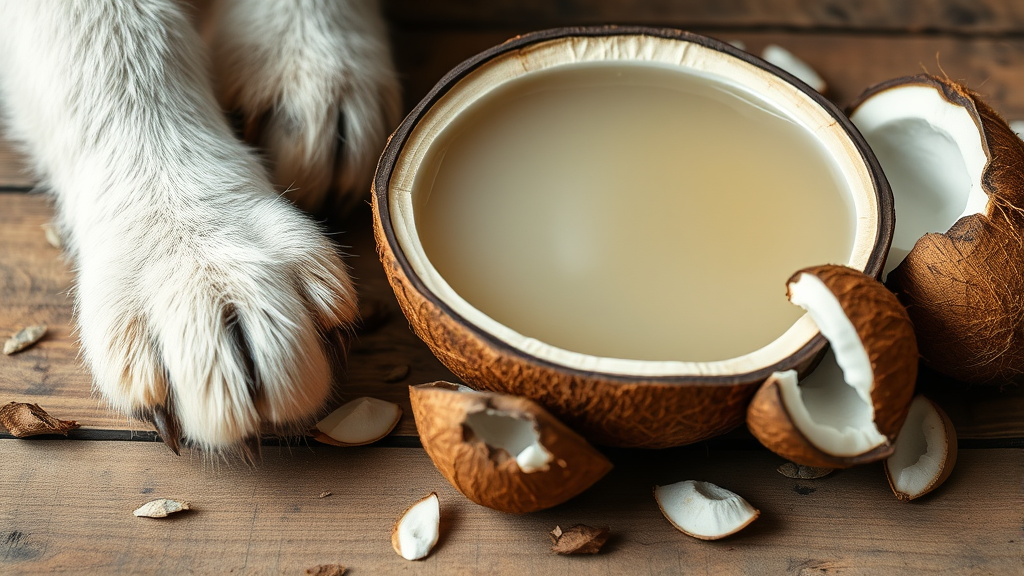
Safety Concerns and Potential Risks
While coconut water isn’t toxic to dogs, several safety concerns warrant careful consideration. The primary concern is the high potassium content, which can be problematic for dogs with kidney issues or heart conditions. Excessive potassium intake can lead to hyperkalemia, a condition that affects heart rhythm and muscle function.
Another significant concern is the natural sugar content in coconut water. Dogs don’t require added sugars in their diet, and excessive sugar consumption can contribute to obesity, dental problems, and digestive upset. Additionally, some commercial coconut water products contain added sugars, artificial flavors, or preservatives that can be harmful to dogs.
The high fiber content, while beneficial in small amounts, can cause digestive issues if consumed in large quantities. Dogs may experience diarrhea, stomach upset, or bloating when consuming too much coconut water. This is particularly relevant when considering can dogs eat coconut products in general, as moderation is key.
Dogs with pre-existing health conditions, such as diabetes, kidney disease, or heart problems, should avoid coconut water entirely unless specifically approved by their veterinarian. The American Veterinary Medical Association recommends consulting with a veterinary professional before introducing any new foods or beverages to your dog’s diet.
Potential Benefits for Dogs
Despite the risks, coconut water may offer some benefits when given appropriately to healthy dogs. The natural electrolytes can help with hydration, particularly during hot weather or after exercise. The potassium content, while a concern in excess, can support proper muscle and nerve function when consumed in appropriate amounts.
Coconut water’s natural antimicrobial properties, attributed to compounds like lauric acid, may provide mild immune system support. Some pet owners report that their dogs enjoy the taste, making it a potential tool for encouraging hydration in dogs who are reluctant to drink plain water.
The low calorie content compared to many commercial dog treats makes coconut water a relatively light option for occasional use. However, it’s important to note that these potential benefits don’t outweigh the risks for all dogs, and plain water remains the best hydration choice for most canines.
When considering whether can dogs have coconut products, it’s worth noting that the whole coconut offers different nutritional benefits and risks compared to just the water component.
Proper Serving Guidelines and Portions
If you decide to offer coconut water to your healthy adult dog, proper portioning is crucial. The general rule is to limit coconut water to no more than a few tablespoons per day for medium-sized dogs, with smaller dogs receiving proportionally less. Large dogs might tolerate slightly more, but it should never replace regular water consumption.
Always choose pure, unsweetened coconut water without any additives, preservatives, or artificial flavors. Organic options are preferable as they’re less likely to contain harmful chemicals or processing agents. Read labels carefully to ensure the product contains only coconut water.
Introduce coconut water gradually, starting with just a teaspoon to observe your dog’s reaction. Monitor for any signs of digestive upset, including changes in stool consistency, vomiting, or unusual behavior. If your dog shows any adverse reactions, discontinue use immediately and consult your veterinarian.

The timing of coconut water consumption can also be important. It’s best offered as an occasional treat rather than a regular dietary supplement. Consider it similar to how you might approach can dogs drink milk – as an infrequent indulgence rather than a staple.
Never use coconut water as a replacement for proper veterinary care if your dog is dehydrated or ill. Serious dehydration requires professional medical attention and appropriate fluid therapy as recommended by the Veterinary Emergency and Critical Care Society.
Healthy Alternatives to Coconut Water
For pet owners seeking healthy hydration options for their dogs, several safer alternatives exist. Plain, fresh water remains the gold standard for canine hydration and should always be readily available. Ice cubes made from water or low-sodium bone broth can provide entertainment and hydration simultaneously.
Bone broth, when prepared without harmful ingredients like onions or excessive salt, offers hydration along with beneficial nutrients. Many commercial pet-specific electrolyte solutions are available and formulated specifically for dogs’ nutritional needs. These products are veterinarian-approved and designed with canine physiology in mind.
Frozen treats made from water and small amounts of dog-safe fruits like blueberries or watermelon can provide hydration and enrichment. These options avoid the potential risks associated with coconut water while still offering variety in your dog’s diet.
When considering dietary additions, it’s worth exploring other safe options like can dogs have olive oil in moderation, which may offer different health benefits without the sugar content concerns of coconut water.
When to Consult Your Veterinarian
Certain situations require immediate veterinary consultation before considering coconut water for your dog. Dogs with kidney disease, heart conditions, diabetes, or any chronic health issues should never receive coconut water without explicit veterinary approval. The high potassium content can exacerbate existing health problems and interfere with medications.
If your dog shows signs of dehydration, such as lethargy, dry gums, loss of skin elasticity, or decreased urination, professional veterinary care is essential. Coconut water is not an appropriate treatment for clinical dehydration and could potentially worsen the condition if underlying health issues are present.
Puppies under six months of age should not receive coconut water, as their digestive systems are still developing and they have different nutritional requirements than adult dogs. Senior dogs may also be more sensitive to dietary changes and should be monitored more closely.
The FDA’s Center for Veterinary Medicine emphasizes the importance of maintaining a balanced diet specifically formulated for dogs, and any additions should be discussed with a veterinary professional.
Consider your dog’s overall diet when contemplating additions like coconut water. Just as with questions about how much food should I feed my dog, portion control and nutritional balance are crucial for maintaining optimal health.
Frequently Asked Questions
Can puppies drink coconut water?
Puppies under six months should not be given coconut water. Their digestive systems are still developing, and they require specific nutrition from mother’s milk or puppy formula. Adult dogs may occasionally have small amounts, but it’s best to wait until your dog is fully mature before introducing any non-essential beverages.
How much coconut water is safe for dogs daily?
For healthy adult dogs, limit coconut water to no more than a few tablespoons per day for medium-sized dogs, with smaller portions for smaller breeds. Large dogs might tolerate slightly more, but it should never exceed a few ounces and should be given only occasionally, not daily. Always start with smaller amounts to test tolerance.
What are the signs of coconut water toxicity in dogs?
Signs of problems from coconut water consumption include vomiting, diarrhea, lethargy, excessive urination, and in severe cases, muscle weakness or irregular heartbeat due to potassium overload. If you notice any of these symptoms after giving your dog coconut water, contact your veterinarian immediately and discontinue use.
Is flavored coconut water safe for dogs?
No, flavored coconut water should never be given to dogs. These products often contain artificial sweeteners like xylitol, which is extremely toxic to dogs, along with added sugars, preservatives, and other chemicals that can be harmful. Only pure, unsweetened coconut water should ever be considered, and even then, only in small amounts.
Can coconut water help with dog dehydration?
While coconut water contains electrolytes, it should never be used as a treatment for dehydration in dogs. Clinical dehydration requires professional veterinary care and appropriate fluid therapy. Coconut water may be offered to healthy dogs as an occasional treat, but plain water remains the best choice for normal hydration needs.
Are there dogs that should never have coconut water?
Yes, dogs with kidney disease, heart conditions, diabetes, or those on medications that affect potassium levels should never have coconut water without veterinary approval. Puppies, senior dogs with health issues, and dogs with sensitive stomachs should also avoid coconut water. When in doubt, consult your veterinarian before introducing any new food or beverage.
Can coconut water replace regular water for dogs?
Absolutely not. Fresh, clean water should always be the primary source of hydration for dogs. Coconut water, if given at all, should only be an occasional treat and never a replacement for regular water. Dogs need constant access to fresh water throughout the day to maintain proper hydration and health. Similar to concerns about can dogs have milk, coconut water should be treated as an occasional indulgence rather than a dietary staple.





