
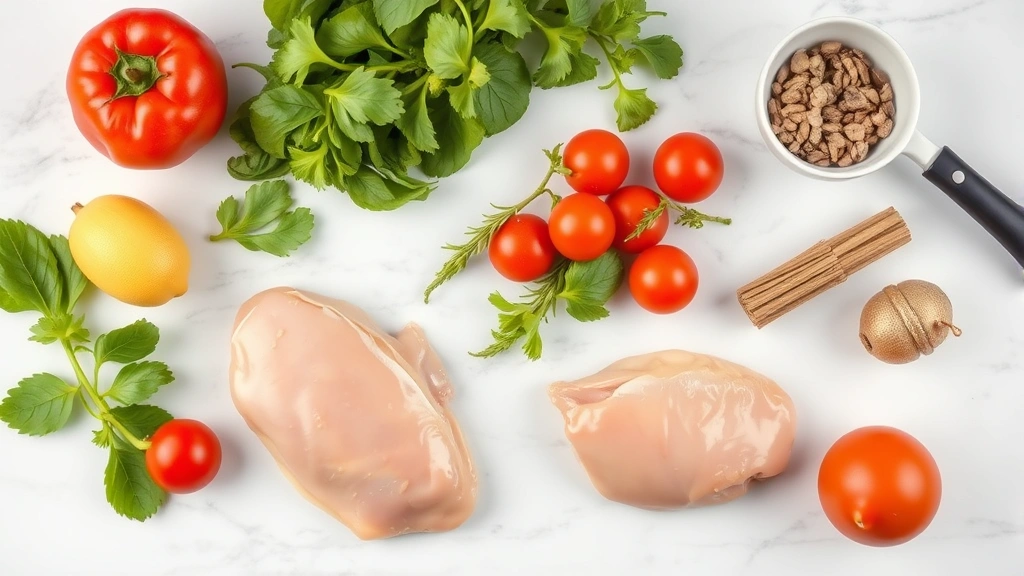
Let’s be real—watching your dog or cat stare at you with those guilt-inducing eyes while you’re eating dinner is basically a form of psychological warfare. But here’s the good news: pet-friendly people food actually exists, and it’s not just sad carrot sticks. Your kitchen is already stocked with wholesome options that can safely make their way into your pet’s bowl without turning them into a furry disaster. We’re talking about real, recognizable ingredients that won’t send you on an emergency vet visit at 2 AM.
Table of Contents
- Why Pet-Friendly People Food Matters for Your Pet’s Health
- 1. Plain Cooked Chicken: The MVP of Pet-Friendly People Food
- 2. Sweet Potatoes: Nature’s Candy That’s Actually Good for Them
- 3. Pumpkin: The Digestive Superhero
- 4. Carrots: Crunchy, Low-Calorie Snacking
- 5. Green Beans: The Veggie That Actually Tastes Good
- 6. Plain Eggs: Protein-Packed and Surprisingly Versatile
- 7. Blueberries: Antioxidant Powerhouses in Tiny Packages
- 8. Salmon: Omega-3 Rich and Skin-Coat Boosting
- 9. Plain Yogurt: Probiotic Support for Digestive Health
- 10. Apples: Crunchy, Refreshing, and Naturally Sweet
- How to Introduce Pet-Friendly People Food Without Causing Digestive Chaos
- Foods That Look Safe But Are Actually Toxic Nightmares
- Portion Control: Because Love Shouldn’t Come in Oversized Servings
- Special Considerations for Senior Pets and Those with Health Conditions
- Creating a Pet-Friendly Kitchen Culture
- Frequently Asked Questions
- The Bottom Line: Pet-Friendly People Food Done Right
The trick is knowing which human foods are genuinely safe for your pets and which ones are basically toxic grenades wrapped in deliciousness. This guide breaks down the 10 best kitchen staples that bridge the gap between your dinner plate and their food bowl, plus how to serve them without accidentally poisoning your beloved companion.
Why Pet-Friendly People Food Matters for Your Pet’s Health
Here’s something veterinarians don’t always shout from the rooftops: occasional human food can actually enhance your pet’s diet when you’re smart about it. The key word being “occasional” and “smart.” Pet-friendly people food options can provide natural nutrients, mental stimulation, and that magical moment when your cat stops judging you for existing.
Beyond the emotional payoff, incorporating safe human foods into your pet’s routine can offer nutritional variety and introduce probiotics, fiber, and antioxidants that support digestive health and immune function. Just remember: these should supplement, not replace, their primary diet. Think of it as a delicious topper, not the main event. For more structured approaches to feeding, check out our guide on homemade diet supplements for pets to learn how to create balanced additions to their meals.
1. Plain Cooked Chicken: The MVP of Pet-Friendly People Food
Cooked chicken is basically the golden retriever of the food world—universally loved and surprisingly forgiving. Strip away the skin, remove all bones, and skip the seasoning, and you’ve got a lean protein powerhouse that dogs and cats lose their minds over.
This is the gateway drug to pet-friendly people food. A plain, boneless, skinless chicken breast can be chopped into bite-sized pieces and mixed into their regular kibble or served as a training reward. It’s packed with B vitamins and amino acids that support muscle development and energy levels. Just don’t go full salt-and-pepper on it—plain is literally the entire point here.
2. Sweet Potatoes: Nature’s Candy That’s Actually Good for Them
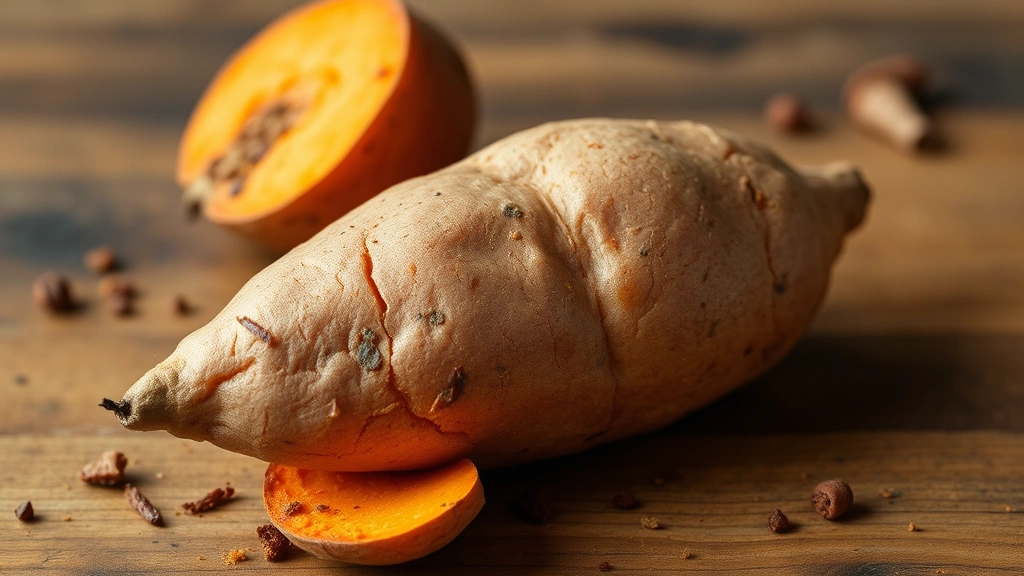
Sweet potatoes are basically the overachiever of the vegetable world. Rich in fiber, beta-carotene, and potassium, they’re a legitimate nutritional upgrade wrapped in a naturally sweet package. Roast them, steam them, or boil them—just skip the brown sugar, butter, and marshmallows situation.
Most pets find the slightly sweet flavor irresistible, making it an excellent vehicle for hiding medication if needed. For strategies on incorporating foods into your pet’s routine, our article on hiding pills in food offers practical tips. Serve in small, appropriately-sized pieces to avoid choking hazards, and introduce new foods gradually to prevent digestive upset.
3. Pumpkin: The Digestive Superhero
Pumpkin isn’t just for lattes and seasonal obsession—it’s legitimately one of the best pet-friendly people food options for digestive health. Whether your pet is dealing with constipation or diarrhea, plain pumpkin puree (not pie filling with added sugar) works like a charm.
A tablespoon or two mixed into their regular food can help regulate digestion without any pharmaceutical intervention. It’s high in soluble fiber and moisture, making it perfect for pets that need a little digestive TLC. Just check the label to make sure you’re grabbing pure pumpkin, not the sweetened pie version that’ll turn your pet into a hyperactive furball.
4. Carrots: Crunchy, Low-Calorie Snacking
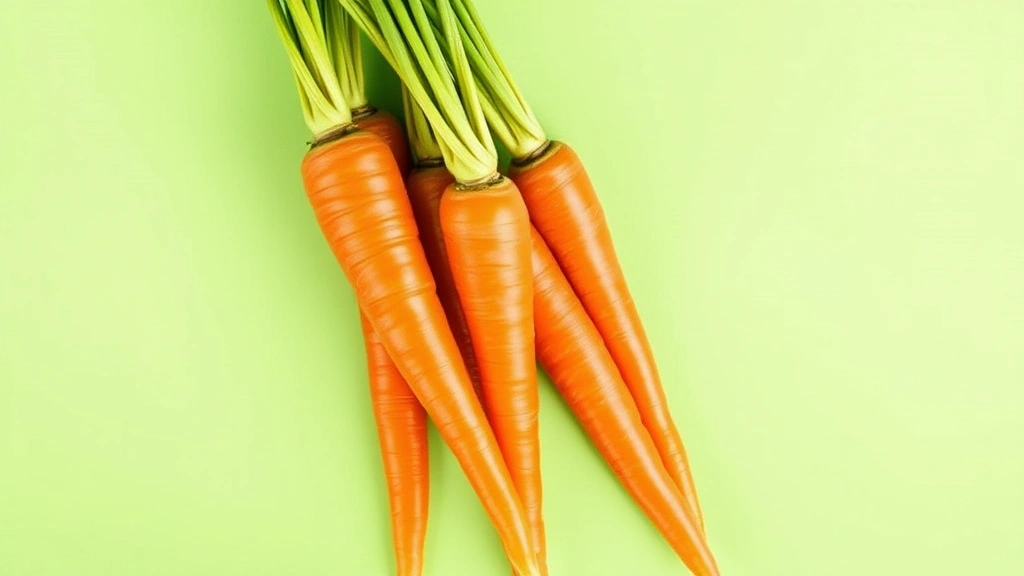
Raw or cooked, carrots are basically the vegetable equivalent of a toothbrush for your pet’s teeth. They’re low in calories, high in fiber, and provide natural crunch that helps clean teeth while satisfying that urge to chew.
For dogs, raw carrot sticks work wonderfully as a low-calorie treat between meals. For cats, you might need to cook them slightly and cut them into smaller pieces since felines are often less enthusiastic about vegetables than their canine counterparts. Either way, carrots are a guilt-free addition to your pet’s snacking rotation.
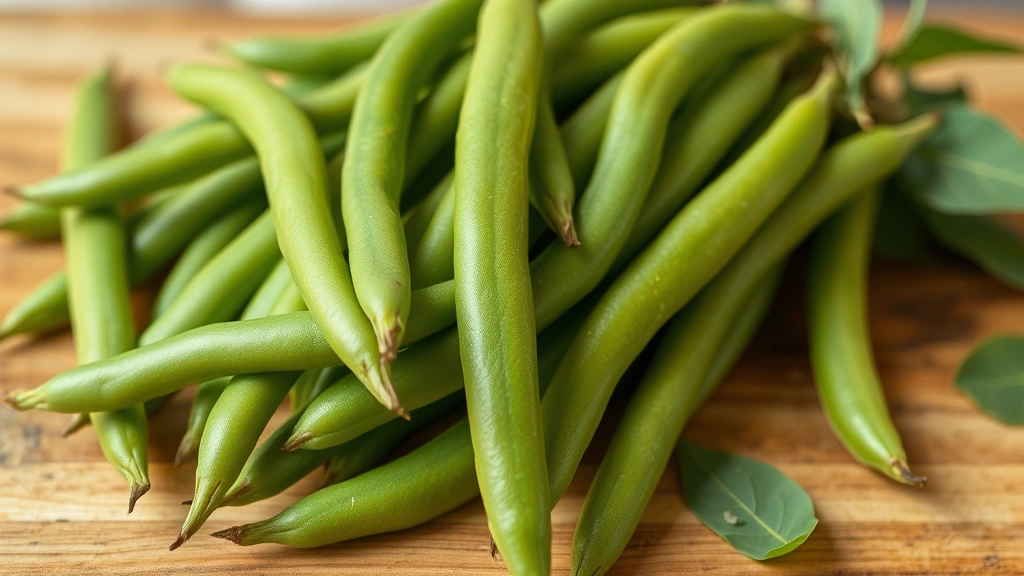
5. Green Beans: The Veggie That Actually Tastes Good
Unlike that time you tried to eat Brussels sprouts, most pets genuinely enjoy green beans. They’re low in calories, packed with vitamins, and offer a satisfying crunch that makes them feel like an actual treat rather than punishment.
Steam them, boil them, or serve them raw—just skip the garlic, onions, and seasoning. Green beans work particularly well for weight management since they’re filling but calorie-light. Mix them into kibble or serve as a standalone snack, and watch your pet suddenly become interested in vegetables. It’s basically magic.
6. Plain Eggs: Protein-Packed and Surprisingly Versatile
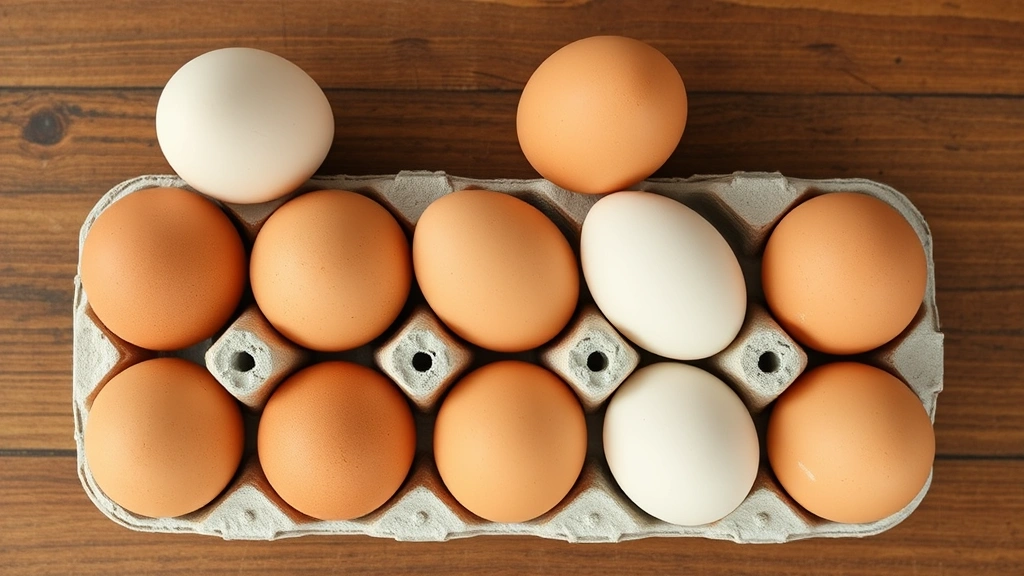
Eggs are basically nature’s multivitamin wrapped in a shell. Scrambled, boiled, or soft-cooked, eggs provide complete protein, choline for brain health, and lutein for eye health. They’re one of the most nutritionally dense pet-friendly people food options available.
A whole egg occasionally is fine for most pets, though you might want to limit yolk consumption for pets prone to pancreatitis. The whites are pure protein with minimal fat, making them ideal for senior pets or those needing weight management. Scramble them without butter or oil, and you’ve got a breakfast that’ll make your pet forget all about begging for your toast.
7. Blueberries: Antioxidant Powerhouses in Tiny Packages
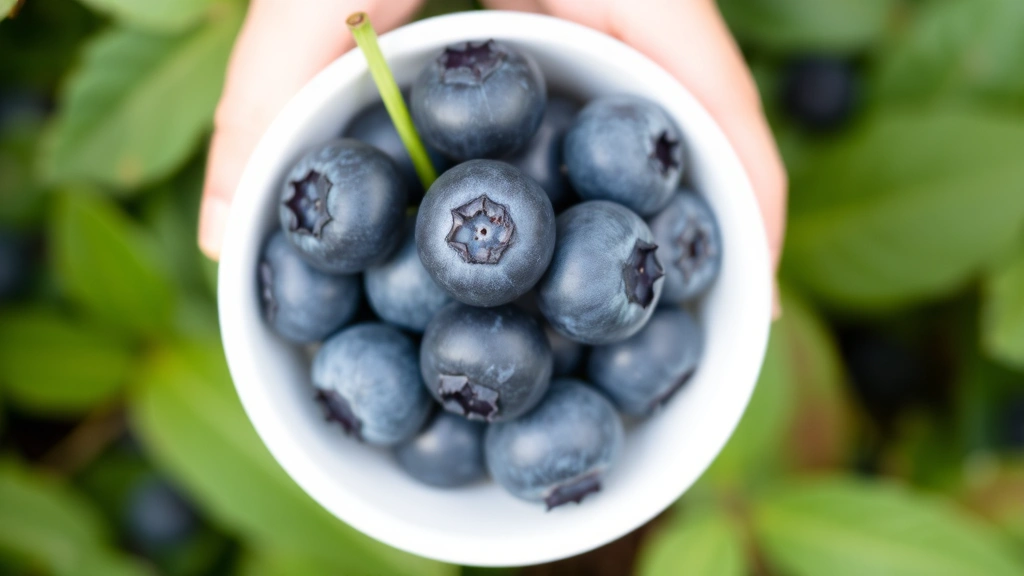
These little blue flavor bombs are loaded with antioxidants that support cognitive function and fight free radicals. For aging pets, blueberries are basically brain food disguised as a treat.

Serve fresh or frozen—many pets actually prefer the frozen version since they’re like tiny ice chips on a hot day. A small handful mixed into their food or offered as a standalone treat provides natural sweetness without refined sugar. They’re particularly beneficial for senior dogs and cats dealing with age-related cognitive decline.
8. Salmon: Omega-3 Rich and Skin-Coat Boosting
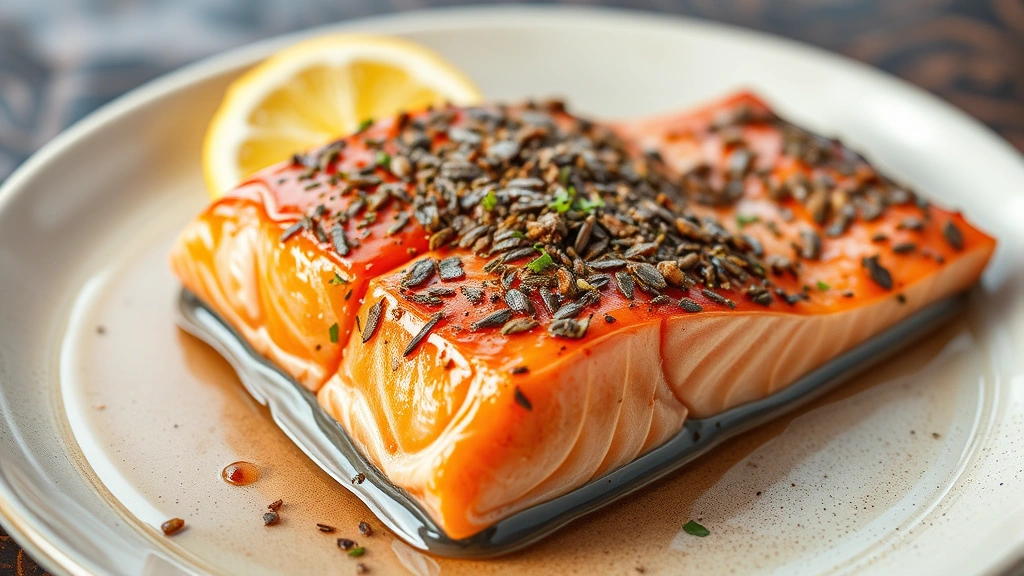
Cooked salmon (without bones, skin, or seasoning) is basically a spa treatment for your pet’s coat. The omega-3 fatty acids reduce inflammation, support skin health, and promote that glossy fur that makes people ask if you use conditioner.

Small portions of cooked salmon can be mixed into their regular food or offered as an occasional treat. It’s particularly beneficial for pets with dry skin or dull coats. Just make sure it’s properly cooked and cooled, and avoid salmon with any seasoning or added oils. For comprehensive nutritional strategies, explore our resource on raw diet supplementation to understand different feeding approaches.
9. Plain Yogurt: Probiotic Support for Digestive Health
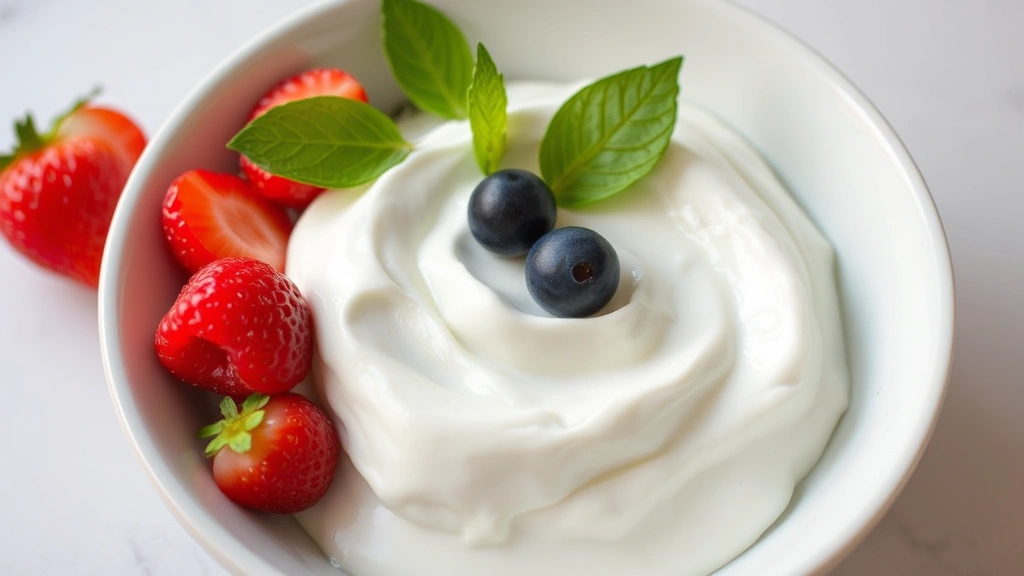
Plain, unsweetened yogurt with live cultures is basically a digestive reset button for your pet’s gut. The probiotics support beneficial bacteria growth and can improve overall digestive function.

A small spoonful mixed into their food provides probiotics without the added sugar found in flavored varieties. This is particularly helpful during or after antibiotic treatment when gut bacteria need replenishing. Just avoid anything with artificial sweeteners like xylitol, which is toxic to pets. Make sure you’re selecting pet-friendly people food that actually benefits their system rather than loading them with unnecessary sugar.
10. Apples: Crunchy, Refreshing, and Naturally Sweet
Apple slices (seeds removed, obviously) provide fiber, vitamin C, and natural sweetness without the guilt. They’re hydrating, low-calorie, and offer satisfying crunch that most pets enjoy.

Remove all seeds before serving—apple seeds contain amygdalin, which converts to cyanide in the digestive system. Slice them into appropriate sizes for your pet’s mouth, and offer occasionally as a refreshing treat. They’re particularly great for dogs and cats on warm days since the high water content helps with hydration.
How to Introduce Pet-Friendly People Food Without Causing Digestive Chaos
Here’s where most pet parents mess up: they get excited about new foods and suddenly their pet’s digestive system stages a protest. The golden rule is the 10% rule—new foods should comprise no more than 10% of their daily caloric intake, and they should be introduced gradually over 7-10 days.
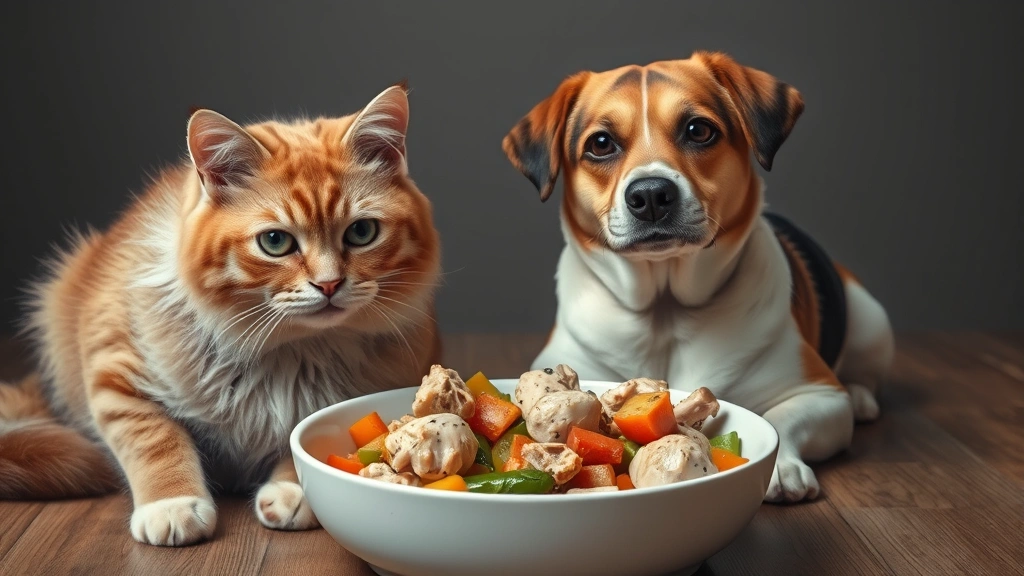
Start with tiny portions mixed into their regular food. Monitor for any signs of digestive upset, vomiting, or behavioral changes. If everything looks good, you can gradually increase the amount. This slow introduction allows their digestive system to adjust and helps you identify any potential sensitivities or allergies. For detailed guidance on transitioning between foods, check out our pet food transition schedule to ensure smooth dietary changes.
Foods That Look Safe But Are Actually Toxic Nightmares
Before you get too excited about sharing your kitchen with your pet, let’s talk about the foods that absolutely cannot make the crossover. Chocolate, grapes, raisins, onions, garlic, avocado, and anything containing xylitol are all toxic to pets and should never be offered, even in tiny amounts.

Fatty foods can trigger pancreatitis, and bones—especially cooked ones—can splinter and cause intestinal damage. Alcohol, caffeine, and anything with excessive salt are also hard passes. When in doubt, consult your veterinarian before introducing new foods. Your vet knows your pet’s specific health needs and can advise whether certain foods are appropriate for their individual situation.
Portion Control: Because Love Shouldn’t Come in Oversized Servings
Even with pet-friendly people food, portion control is crucial. A pet’s daily caloric needs are significantly lower than ours, and adding too much human food can quickly lead to obesity and associated health problems.

As a general rule, treats (including human food) should comprise no more than 10% of their daily calories. For a 50-pound dog eating about 1000 calories daily, that’s roughly 100 calories from treats. A small apple slice is about 5 calories, a tablespoon of plain yogurt is about 5 calories, and a small piece of cooked chicken is about 30 calories. Do the math before you go overboard with generosity.
Special Considerations for Senior Pets and Those with Health Conditions
Senior pets and those with existing health conditions require extra consideration when introducing pet-friendly people food. Pets with kidney disease need restricted protein, those with diabetes need careful carbohydrate management, and pets with pancreatitis need extremely low-fat options.
Before adding anything to your senior pet’s diet, discuss it with your veterinarian. They can guide you on appropriate options and portion sizes based on your pet’s specific health status. For pets dealing with illness, our guide on feeding during illness provides comprehensive nutritional strategies. What’s safe for a healthy adult pet might be dangerous for one with underlying conditions.
Creating a Pet-Friendly Kitchen Culture
Making pet-friendly people food part of your routine means establishing some household rules. Train family members not to feed pets from the table—it encourages begging and makes it harder to control what they’re actually consuming. Instead, designate specific times and portions for food sharing.
Keep a mental inventory of approved foods and their appropriate portions. Label containers clearly if you’re storing prepared pet-friendly foods separately. Make it part of your meal prep routine to set aside a portion of plain chicken or vegetables before seasoning your own food. This way, you’re not creating extra work—you’re just being intentional about what goes into your pet’s bowl.
Frequently Asked Questions
Can I feed my cat the same pet-friendly people food as my dog?
Mostly yes, but with some important differences. Cats are obligate carnivores and need more protein than dogs. They also can’t process certain compounds that dogs handle fine. Avoid onions, garlic, and foods high in carbohydrates for cats. Stick to cooked meat options primarily, and introduce vegetables more cautiously since cats are less interested in plant-based foods anyway.
Is it okay to replace a meal with pet-friendly people food?
Absolutely not. Pet-friendly people food should supplement, not replace, their complete and balanced commercial diet. Commercial pet foods are formulated to meet all nutritional requirements, while random human foods lack essential nutrients like taurine (for cats) and certain vitamins and minerals. Think of human food as occasional treats, not meal replacements.
How do I know if my pet has a food sensitivity to new foods?
Watch for vomiting, diarrhea, excessive gas, itching, or behavioral changes within 24-48 hours of introducing new food. If you notice any of these signs, stop offering that food immediately and consult your veterinarian. Keep a food diary if you’re introducing multiple new items—it helps identify which food caused the reaction.
What’s the safest way to store pet-friendly people food?
Store prepared pet food in airtight containers in the refrigerator and use within 3-4 days. Don’t leave cooked food sitting at room temperature for more than 2 hours. Freeze portions in ice cube trays for convenient single servings. Always thaw frozen food in the refrigerator, not on the counter, to prevent bacterial growth.
Can puppies and kittens eat the same pet-friendly people food as adults?
Young pets have different nutritional requirements than adults and need foods specifically formulated for growth and development. While small amounts of safe human foods are fine, they shouldn’t comprise more than 5% of a young pet’s diet. Focus on their specialized puppy or kitten formula for optimal development, and discuss any additions with your veterinarian.
Is homemade pet food safer than commercial options?
Not necessarily. While homemade food can be nutritionally appropriate, it requires careful formulation to ensure all essential nutrients are included in proper proportions. Most homemade diets are nutritionally incomplete without supplementation. If you’re interested in homemade feeding, consult with a veterinary nutritionist to create balanced recipes. Our guide on homemade diet supplements for pets provides more detailed information on this approach.
The Bottom Line: Pet-Friendly People Food Done Right
Pet-friendly people food isn’t just about spoiling your furry friend—it’s about understanding which kitchen staples can safely enhance their diet while supporting their long-term health. The ten foods covered here represent some of the safest, most nutritious options available, but they’re just the starting point.
The key to success is moderation, gradual introduction, and always prioritizing your pet’s complete and balanced commercial diet as their nutritional foundation. When you’re thoughtful about what you’re sharing from your plate, you get the best of both worlds: a happy pet who feels included in mealtime, and the peace of mind knowing you’re not accidentally poisoning them.
Start with one or two of these pet-friendly people food options, observe how your pet responds, and gradually expand their variety. Your veterinarian is always your best resource for questions about your specific pet’s dietary needs. And remember, that guilty expression they give you during dinner? That’s not actually permission to feed them everything on your plate. But a small piece of plain cooked chicken? That’s absolutely worth those big puppy eyes.





