

Is Dragon Fruit Safe for Dogs? Find Out the Juicy Truth!
Dragon fruit, also known as pitaya, has become increasingly popular among health-conscious humans for its striking appearance and impressive nutritional profile. This exotic fruit with its vibrant pink or yellow skin and speckled flesh looks almost too beautiful to eat. As pet owners, we naturally wonder whether our furry companions can share in this tropical treat. The good news is that dragon fruit is generally safe for dogs when given in moderation, but there are important considerations every dog owner should know.
Before you start sharing your dragon fruit smoothie bowl with your four-legged friend, it’s essential to understand the proper way to introduce this exotic fruit into your dog’s diet. While dragon fruit offers several health benefits, improper preparation or overfeeding can lead to digestive issues. Let’s explore everything you need to know about feeding dragon fruit to your canine companion, from nutritional benefits to potential risks and proper serving guidelines.
What is Dragon Fruit?
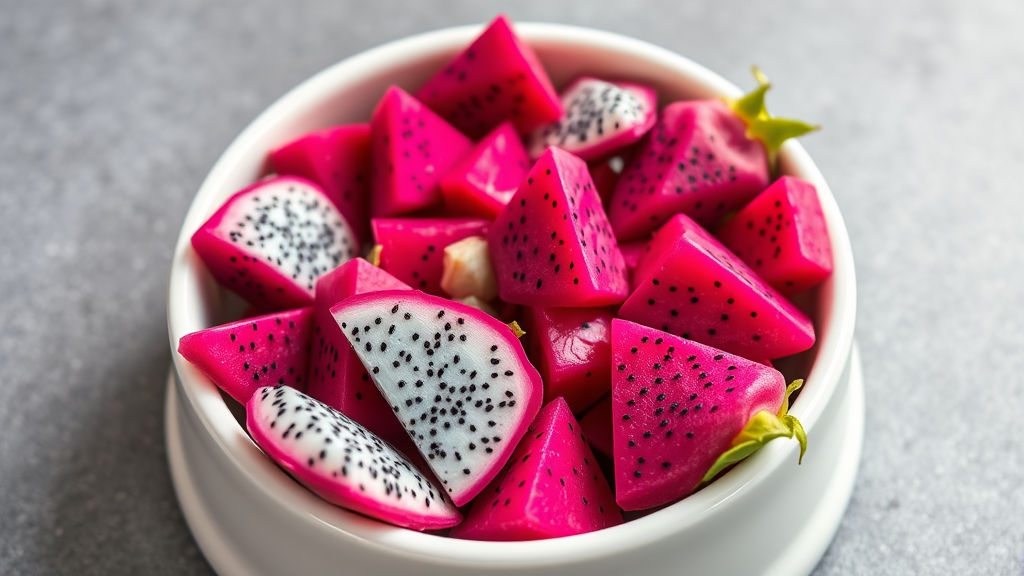
Dragon fruit, scientifically known as Hylocereus undatus, is a tropical fruit native to Central America but now cultivated worldwide in warm climates. This cactus fruit comes in several varieties, with the most common being white-fleshed with black seeds and pink-fleshed varieties. The fruit’s exterior features distinctive scales that give it its dragon-like appearance, while the interior reveals a mild, slightly sweet flesh dotted with tiny edible seeds.
Rich in vitamins, minerals, and antioxidants, dragon fruit has gained popularity as a superfood among humans. The fruit is naturally low in calories and high in water content, making it a refreshing treat. For dogs, these same characteristics make it an appealing option for a healthy snack, provided it’s given appropriately.
The USDA Food Data Central provides comprehensive nutritional information showing that dragon fruit contains significant amounts of vitamin C, iron, and magnesium, which can benefit both humans and dogs when consumed in appropriate quantities.
Nutritional Benefits for Dogs
Dragon fruit offers several nutritional advantages that can complement your dog’s regular diet. The fruit is an excellent source of vitamin C, which supports immune system function and helps with collagen production for healthy skin and joints. While dogs can produce their own vitamin C, additional sources can be beneficial, especially for senior dogs or those with compromised immune systems.
The high water content in dragon fruit, approximately 90%, makes it an excellent hydrating treat, particularly during hot weather. This can be especially beneficial for dogs who don’t drink enough water or are recovering from illness. The fruit also contains dietary fiber, which supports digestive health and can help maintain regular bowel movements.
Dragon fruit provides essential minerals including iron, which supports healthy blood cell production, and magnesium, which plays a role in muscle and nerve function. The antioxidants present in dragon fruit, including betalains and vitamin E, help combat free radicals and may support overall cellular health. Similar to other safe fruits like papaya, dragon fruit can be a nutritious addition to your dog’s treat rotation.
According to the American Kennel Club, introducing variety in your dog’s diet through safe fruits and vegetables can provide additional nutrients while keeping mealtime interesting for your pet.
Safety Considerations and Potential Risks
While dragon fruit is generally safe for dogs, there are several important safety considerations to keep in mind. The most significant concern is the potential for digestive upset if your dog consumes too much dragon fruit at once. The high fiber content and natural sugars can cause diarrhea, gas, or stomach discomfort in sensitive dogs or when given in large quantities.
Some dogs may experience allergic reactions to dragon fruit, though this is relatively rare. Signs of an allergic reaction can include itching, hives, swelling, vomiting, or difficulty breathing. If you notice any of these symptoms after feeding dragon fruit to your dog, discontinue use immediately and contact your veterinarian.
The seeds in dragon fruit are generally considered safe and are small enough to pass through a dog’s digestive system without issues. However, dogs with sensitive stomachs might experience mild digestive upset from the seeds. Unlike some other exotic fruits, dragon fruit seeds don’t contain harmful compounds, making them safer than seeds found in fruits like apples or cherries.
It’s crucial to only feed your dog the flesh of the dragon fruit and avoid the outer skin, which can be difficult to digest and may cause intestinal blockage if consumed in large pieces. The American Veterinary Medical Association recommends always removing inedible parts of fruits before offering them to pets.

How to Properly Prepare Dragon Fruit for Dogs
Proper preparation of dragon fruit is essential to ensure your dog’s safety and maximize the nutritional benefits. Start by selecting a ripe dragon fruit that yields slightly to gentle pressure but isn’t overly soft or mushy. The fruit should have vibrant color and minimal blemishes on the skin.
Begin preparation by thoroughly washing the exterior of the dragon fruit under running water to remove any dirt, pesticides, or bacteria. Using a sharp knife, cut the fruit in half lengthwise to reveal the flesh inside. The skin should peel away easily from ripe fruit, or you can use a spoon to scoop out the flesh, similar to how you might prepare an avocado.
Cut the dragon fruit flesh into small, bite-sized pieces appropriate for your dog’s size. For small dogs, pieces should be no larger than a grape, while larger dogs can handle slightly bigger portions. Remove any remaining pieces of skin and inspect the flesh for any dark spots or signs of spoilage before serving.
You can serve dragon fruit fresh at room temperature or slightly chilled from the refrigerator. Some dogs enjoy frozen dragon fruit pieces as a cooling treat during summer months. Just like with cantaloupe or other safe fruits, proper preparation ensures your dog gets maximum enjoyment and nutrition from the treat.
Serving Size Guidelines and Frequency
Determining the appropriate serving size of dragon fruit for your dog depends on several factors, including your pet’s size, weight, activity level, and overall health status. As a general rule, treats should never exceed 10% of your dog’s daily caloric intake, and dragon fruit should be considered an occasional treat rather than a regular part of their diet.
For small dogs weighing under 20 pounds, start with just a few small pieces (about 1-2 tablespoons) of dragon fruit flesh. Medium-sized dogs (20-50 pounds) can safely enjoy up to 1/4 cup of dragon fruit pieces, while large dogs over 50 pounds may have up to 1/2 cup as an occasional treat.
Frequency is just as important as portion size. Dragon fruit should be offered no more than 2-3 times per week to prevent digestive issues and maintain dietary balance. When introducing dragon fruit for the first time, start with even smaller amounts to gauge your dog’s tolerance and watch for any adverse reactions.
Senior dogs or those with diabetes should consume dragon fruit in even smaller quantities due to the natural sugar content. Always consult with your veterinarian before introducing new foods to dogs with existing health conditions. The PetMD website provides additional guidance on appropriate treat portions for different dog sizes and health conditions.
Signs to Watch for After Feeding
After introducing dragon fruit to your dog’s diet, it’s important to monitor them closely for any signs of adverse reactions or digestive upset. Most dogs tolerate dragon fruit well, but individual sensitivities can vary, and it’s always better to err on the side of caution when trying new foods.
Common signs of digestive upset include loose stools, diarrhea, excessive gas, vomiting, or loss of appetite. These symptoms typically appear within 2-12 hours after consumption and usually resolve on their own within 24-48 hours. If symptoms persist longer or worsen, contact your veterinarian for guidance.
More serious allergic reactions, though rare, require immediate veterinary attention. Watch for symptoms such as facial swelling, difficulty breathing, excessive drooling, hives, or severe vomiting. These signs indicate a potential allergic reaction that needs prompt medical intervention.
Behavioral changes such as lethargy, restlessness, or unusual panting should also be noted, as they might indicate discomfort or an adverse reaction. Keep a food diary when introducing new treats to help identify any patterns or triggers that might cause problems for your specific dog.
Similar to monitoring reactions with other fruits like peaches, maintaining careful observation helps ensure your dog’s safety and enjoyment of new treats.
Alternative Fruits for Dogs
If your dog doesn’t tolerate dragon fruit well or you’re looking for variety in their treat rotation, there are numerous other dog-safe fruits that provide similar nutritional benefits. Many common fruits offer excellent alternatives while being more readily available and often less expensive than exotic dragon fruit.
Berries are excellent choices for dogs, with blackberries and raspberries providing high levels of antioxidants and fiber. These fruits are naturally portion-controlled due to their small size, making them perfect training treats or snacks.
Tropical alternatives include papaya and pineapple (in small amounts), both of which offer digestive enzymes that can benefit your dog’s gut health. Apple slices (with seeds and core removed) provide fiber and vitamins, while bananas offer potassium and natural sweetness that most dogs enjoy.
Stone fruits like properly prepared peaches (pit removed) can be refreshing summer treats, though they require careful preparation to ensure safety. For dogs who enjoy variety, rotating between different safe fruits ensures they receive a wide range of nutrients while preventing boredom with their treats.
The Humane Society provides comprehensive lists of safe and unsafe foods for pets, helping owners make informed decisions about treat options. When considering alternatives, some owners also explore options like dates or figs, though these require careful consideration due to their high sugar content.
Frequently Asked Questions
Can puppies eat dragon fruit?
Puppies can eat small amounts of dragon fruit once they’re fully weaned and eating solid food, typically around 8-12 weeks old. However, their digestive systems are more sensitive than adult dogs, so introduce dragon fruit in very small quantities and watch closely for any signs of upset stomach. It’s best to wait until puppies are at least 4-6 months old before introducing exotic fruits, and always consult with your veterinarian first.
Is the skin of dragon fruit toxic to dogs?
Dragon fruit skin is not toxic to dogs, but it’s not recommended as food. The thick, waxy skin is difficult to digest and could potentially cause intestinal blockage if consumed in large pieces. The skin also doesn’t provide nutritional value and may contain pesticide residues. Always remove the skin completely before offering dragon fruit to your dog, just as you would for yourself.
How often can I give my dog dragon fruit?
Dragon fruit should be given as an occasional treat, no more than 2-3 times per week. Like all treats, it should comprise less than 10% of your dog’s daily caloric intake. Overfeeding dragon fruit can lead to digestive upset, diarrhea, or nutritional imbalances. Rotate dragon fruit with other safe fruits and treats to provide variety while maintaining moderation.
What should I do if my dog ate too much dragon fruit?
If your dog consumed excessive dragon fruit, monitor them closely for signs of digestive upset such as diarrhea, vomiting, or lethargy. Provide plenty of fresh water and withhold food for a few hours if they show signs of nausea. Most dogs will recover within 24-48 hours with supportive care. Contact your veterinarian if symptoms are severe, persist longer than 48 hours, or if your dog shows signs of dehydration or severe discomfort.
Are there any dogs that shouldn’t eat dragon fruit?
Dogs with diabetes should avoid dragon fruit or consume only tiny amounts under veterinary supervision due to its natural sugar content. Dogs with sensitive stomachs, inflammatory bowel disease, or a history of food allergies should also avoid dragon fruit or try it only with veterinary approval. Senior dogs with compromised digestive systems may need smaller portions and less frequent servings.
Can I give my dog dried dragon fruit?
Dried dragon fruit is not recommended for dogs as the dehydration process concentrates the natural sugars, making it much higher in sugar and calories than fresh fruit. Dried fruits often contain added sugars, preservatives, or sulfites that can be harmful to dogs. Stick to fresh dragon fruit in appropriate portions, or consider freezing fresh pieces as an alternative textural treat.
Does dragon fruit have the same benefits for dogs as it does for humans?
While dragon fruit provides some similar nutritional benefits for dogs, their dietary needs differ from humans. Dogs can benefit from the vitamin C, antioxidants, and hydration that dragon fruit provides, but they don’t require as much vitamin C as humans since they can synthesize their own. The fiber content can support digestive health in both species, but dogs need smaller amounts relative to their body size. Always remember that a balanced commercial dog food should provide all essential nutrients, with fruits serving only as supplementary treats.





