
Let’s be honest—when you’re munching on something delicious, your pet gives you those eyes. Those irresistible puppy-dog eyes (or cat stares of judgment) that make you want to share your snack immediately. But here’s the thing: not all human food is safe for our four-legged companions. That’s why understanding safe human snacks for pets is crucial for responsible pet ownership. This guide breaks down exactly which human foods your pets can enjoy without landing you in the vet’s office.
Table of Contents
- Why Pet-Safe Snacking Matters More Than You Think
- Fruits Your Pet Can Safely Enjoy
- Vegetables That Won’t Upset Your Pet’s Stomach
- Protein-Packed Safe Human Snacks for Pets
- Dairy Products: The Complicated Truth
- Grains and Starches: Safe in Moderation
- Nut Butters and Nuts: Proceed With Caution
- Foods to Never Share: The Toxic List
- Portion Control and Treat Guidelines
- Introducing New Foods: The Safe Way
- Creative Ways to Serve Safe Human Snacks
- Vet-Approved Snack Combinations
- Frequently Asked Questions
- Summary: Keeping Your Pet Healthy Through Smart Snacking
Why Pet-Safe Snacking Matters More Than You Think
Your pet’s digestive system is wildly different from yours. What’s a harmless treat for you could be toxic or cause serious health issues for your dog or cat. Many common household foods contain ingredients that pets metabolize differently, leading to anything from upset stomachs to organ failure. Understanding what’s safe helps you bond with your pet through treats while keeping them healthy and happy. Plus, incorporating safe human snacks into your dog feeding routine can add variety and enrichment to their diet.
Fruits Your Pet Can Safely Enjoy
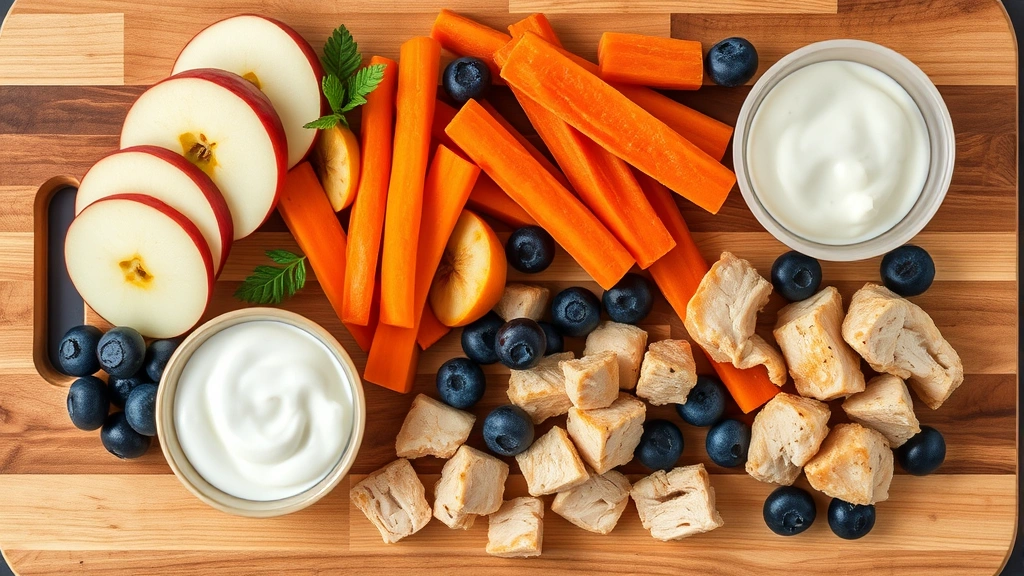
Fruits are nature’s candy, and many are perfectly safe for pets. Apple slices (without seeds—they contain cyanide compounds) make excellent crunchy treats that clean teeth. Bananas are packed with potassium and make great occasional snacks, though they’re high in sugar so moderation is key. Blueberries are antioxidant powerhouses and most pets go crazy for them. Watermelon (seedless and rind-free) is hydrating and refreshing, especially on hot days. Strawberries are safe and vitamin-rich. Always remove seeds and pits, as many contain toxic compounds. When introducing any new food, start small to monitor your pet’s reaction.
Vegetables That Won’t Upset Your Pet’s Stomach
Vegetables offer nutritional benefits and low-calorie snacking options. Carrots are fantastic for dental health and naturally low in calories—perfect for weight management. Green beans are nutrient-dense and filling without excess calories. Pumpkin (plain, not pie filling) aids digestion and is beloved by many pets. Sweet potatoes provide fiber and vitamins, though they should be cooked and given in moderation. Broccoli can be given in small amounts, though some pets find it causes gas. Cucumbers are hydrating and low-calorie, making them ideal for weight-conscious pets. Always serve vegetables plain—no butter, salt, or seasonings.
Protein-Packed Safe Human Snacks for Pets
Pets are carnivores (or carnivore-leaning), so protein snacks are typically their favorites. Plain cooked chicken is the gold standard—lean, nutritious, and most pets adore it. Turkey works similarly well and is often easier to digest. Eggs (cooked) provide complete proteins and are safe in moderation. Plain cooked beef is acceptable occasionally, though it’s higher in fat. Fish like salmon offers omega-3 fatty acids that support coat health, though it should be cooked and boneless. Always serve these proteins plain—no seasoning, garlic, or onions, which are toxic to pets. Incorporating these into your pet portion control strategy ensures balanced nutrition.
Dairy Products: The Complicated Truth
Many people assume all dairy is safe for pets, but it’s more nuanced. Most adult dogs and cats are lactose intolerant to some degree, making milk problematic. However, plain yogurt (unsweetened, no xylitol) contains beneficial probiotics and is usually tolerated better than milk. Cheese can be given occasionally in tiny amounts as a training treat, though it’s high in fat and salt. Plain cottage cheese is a safer dairy option for many pets. Always check labels for xylitol, an artificial sweetener that’s extremely toxic to dogs. When in doubt, skip dairy and opt for safer alternatives.
Grains and Starches: Safe in Moderation
While pets don’t require grains, some are safe occasional snacks. Plain cooked rice is bland and digestible, often recommended for upset stomachs. Plain oatmeal (cooked, no sugar or flavoring) provides fiber and is generally safe. Plain popcorn (no butter or salt) can be a fun, low-calorie treat. Whole wheat bread in small amounts is acceptable, though it offers limited nutritional value. Avoid anything with raisins, as they’re toxic to dogs and cats. These should comprise only a tiny fraction of your pet’s diet—they’re supplements to proper nutrition, not replacements.
Nut Butters and Nuts: Proceed With Caution
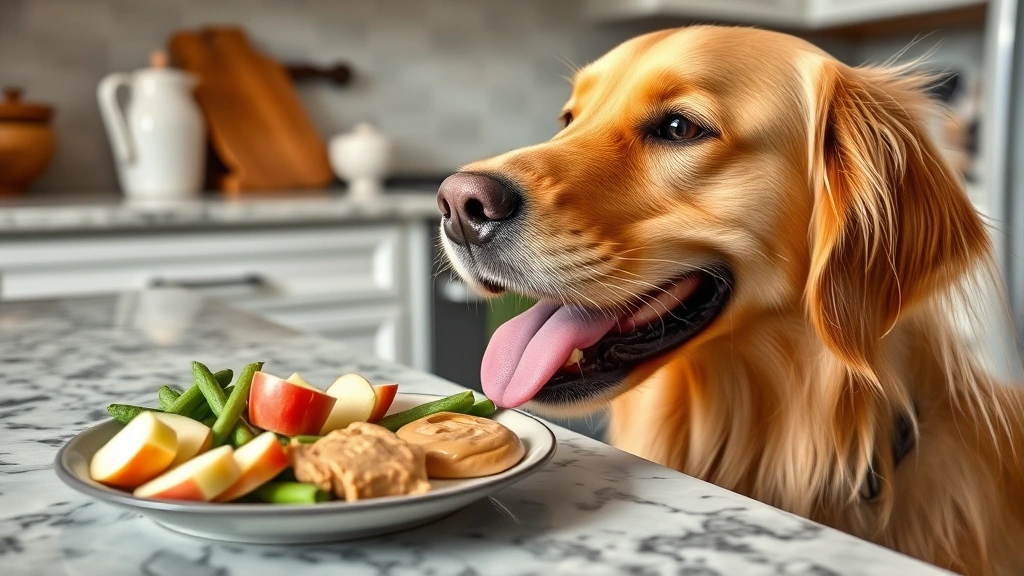
Peanut butter is famously loved by dogs, but safety depends on the brand. Xylitol-free peanut butter in small amounts is safe and makes excellent training treats or puzzle toy fillers. Regular peanut butter (double-check labels!) is fine, but it’s calorie-dense. Plain almonds in tiny quantities are acceptable for larger dogs, though they’re choking hazards for small breeds. Avoid macadamia nuts entirely—they’re toxic to dogs. Walnuts and pecans should be avoided due to potential mold toxins. When using nut butters, stick to small amounts and monitor for pancreatitis signs, especially in prone breeds.
Foods to Never Share: The Toxic List
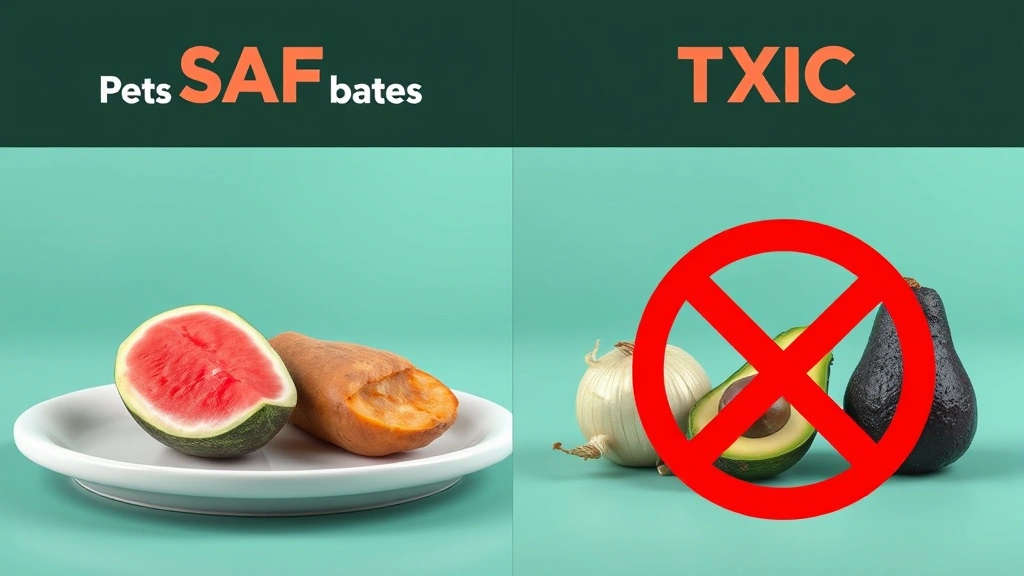
Some human foods are absolutely off-limits for pets. Chocolate contains theobromine, which is toxic to dogs and cats—dark chocolate is especially dangerous. Grapes and raisins cause kidney failure in dogs; the mechanism isn’t fully understood, but the danger is real. Onions and garlic damage red blood cells in both dogs and cats. Avocado contains persin, which causes digestive upset and potential toxicity. Xylitol (artificial sweetener) causes rapid insulin release and liver damage in dogs. Alcohol affects pets similarly to humans but with lower tolerance thresholds. Caffeine causes heart palpitations and seizures. Raw dough expands in the stomach and causes bloating. Bones (especially cooked) splinter and cause intestinal blockages. When in doubt, consult your vet before introducing new foods.
Portion Control and Treat Guidelines
Even safe foods can cause problems in excessive amounts. The general rule: treats should comprise no more than 10% of your pet’s daily caloric intake, with the remaining 90% from balanced commercial pet food. A small dog might get 50-100 calories in treats daily, while a large dog could handle 200-300. Track treats carefully—those “harmless” apple slices add up. Cat feeding schedule considerations are especially important since cats have smaller bodies and different nutritional needs. Use treats strategically during training or as enrichment, not out of habit or guilt.
Introducing New Foods: The Safe Way
Never dump a new food into your pet’s bowl without introduction. Start with a tiny amount—a single blueberry or a pea-sized piece of chicken—and wait 24 hours to monitor for adverse reactions. Signs of food sensitivity include vomiting, diarrhea, excessive gas, or itching. If all seems well, gradually increase the portion over several days. This gradual approach prevents digestive upset and helps identify food sensitivities. Keep a mental note of what you’ve introduced and when, creating a food diary if your pet has a sensitive stomach. Consider sensitive stomach supplements if your pet struggles with new foods.
Creative Ways to Serve Safe Human Snacks
Presentation matters! Freeze plain yogurt with blueberries for a refreshing summer treat. Stuff peanut butter into feeding enrichment toys for mental stimulation. Create homemade frozen treats by blending safe fruits and freezing in ice cube trays. Layer cooked chicken with vegetables for a nutritious snack. Make “pupsicles” by freezing low-sodium broth in molds. These creative presentations increase enrichment value and make snack time more exciting than simply handing over food. The mental stimulation from working for treats provides additional behavioral benefits beyond nutrition.
Vet-Approved Snack Combinations
Some combinations offer nutritional synergy. Carrots with plain yogurt provides probiotics and dental benefits. Chicken with sweet potato offers complete protein and complex carbs. Apple slices with peanut butter (xylitol-free) combines fiber, protein, and healthy fats. Pumpkin with plain cooked turkey aids digestion while providing lean protein. Blueberries with plain oatmeal offers antioxidants and fiber. These combinations create more satisfying treats than single ingredients and provide broader nutritional profiles. Always ensure the total treat amount stays within your pet’s daily caloric allowance.
Frequently Asked Questions
Can I give my pet the same snacks as my kids?
Not always. While some foods are safe for both humans and pets, preparation matters. Your kid’s apple slice might have pesticides or be served with peanut butter containing xylitol. Always verify ingredients and preparation methods before sharing. When in doubt, prepare a plain version specifically for your pet.
What should I do if my pet eats something toxic?
Contact your veterinarian or poison control immediately. Have the product name or ingredient list ready. Don’t wait for symptoms—some toxins cause delayed reactions. Time is critical for treatments like activated charcoal or stomach pumping. Keep your vet’s number and the ASPCA Animal Poison Control Center number (888-426-4435) easily accessible.
Are homemade pet treats safer than commercial ones?
Homemade treats can be safer if you control ingredients, but commercial treats formulated for pets meet nutritional standards. The key is reading labels carefully on both. Homemade allows customization for allergies, while commercial options provide consistency. Neither is inherently superior—choose based on your pet’s specific needs.
How do I know if my pet has food allergies?
Common signs include itching, excessive licking, ear infections, vomiting, diarrhea, and skin redness. Food allergies differ from sensitivities—allergies involve immune responses, while sensitivities cause digestive upset. An elimination diet under veterinary supervision identifies culprits. Blood tests and allergy panels can also help. Never self-diagnose; work with your vet.
Can senior pets eat the same safe snacks?
Generally yes, but adjust for dental health and digestion. Senior pets might need softer options like cooked vegetables instead of crunchy carrots. Smaller portions prevent digestive upset. Monitor weight carefully—seniors are less active and prone to obesity. Consult your vet about age-appropriate snacking strategies.
Is it okay to use treats for training?
Absolutely! Training treats are excellent motivators, but count them toward daily caloric intake. Use tiny pieces—training doesn’t require full-sized treats. Low-calorie options like plain cooked chicken or green beans work perfectly. This approach rewards behavior while maintaining nutritional balance.
Summary: Keeping Your Pet Healthy Through Smart Snacking
Safe human snacks for pets don’t have to be complicated. Stick to whole foods without additives, avoid the toxic list entirely, and maintain portion control. Fruits like apples and blueberries, vegetables like carrots and green beans, and proteins like plain chicken are vet-approved options that most pets enjoy. Remember that treats should enhance your pet’s diet, not replace balanced nutrition. When introducing new foods, go slow and watch for reactions. Your veterinarian is always your best resource—when in doubt about whether something is safe, call before offering it to your furry friend. With these guidelines, you can confidently share snack time with your pet while keeping them healthy and happy for years to come.





