

Harmful foods for dogs are lurking in your kitchen right now, and many pet owners have no idea they’re poisoning their furry best friends with everyday snacks. Your dog gives you those irresistible puppy-dog eyes when you’re eating dinner, and it’s tempting to share, but before you toss that chocolate chip cookie or grape under the table, you need to know which human foods are actually toxic to dogs.
Table of Contents
- Why Dogs Can’t Eat What We Eat
- Chocolate: The Sweet Killer
- Grapes and Raisins: Tiny Terrors
- Onions and Garlic: Aromatic Assassins
- Avocado: The Trendy Toxin
- Xylitol: The Artificial Sweetener Surprise
- Macadamia Nuts: The Expensive Mistake
- Alcohol: Not Even a Sip
- Caffeine: The Hidden Stimulant
- Salt and Fatty Foods: The Slow Poison
- Bones, Pits, and Choking Hazards
- What To Do If Your Dog Eats Something Toxic
- Safe Alternatives for Your Pup
- Frequently Asked Questions
- Summary: Keeping Your Dog Safe
As a vet tech with years of experience treating poisoning cases, I’ve seen the heartbreak that comes when a dog accidentally ingests something dangerous. The good news? Most of these toxic foods are completely avoidable with a little knowledge and planning. Let’s dive into the dangerous stuff so you can keep your pup safe and healthy.
Why Dogs Can’t Eat What We Eat
Here’s the thing: dogs aren’t just tiny humans with fur. Their digestive systems and metabolic processes work differently than ours. What’s perfectly safe for you could send your dog to the emergency vet in hours. Dogs lack certain enzymes that break down specific compounds, and their bodies process foods at different rates. This is why even small amounts of certain substances can cause serious damage. Understanding toxic foods for canines is essential for every dog owner, whether you have a Chihuahua or a Great Dane.
Chocolate: The Sweet Killer
Let’s start with everyone’s favorite treat. Chocolate contains theobromine and caffeine, both of which are toxic to dogs. Dark chocolate and baking chocolate are the worst offenders because they contain higher concentrations of these compounds. Even a small amount can cause vomiting, diarrhea, tremors, and in severe cases, seizures or heart problems.

The darker the chocolate, the more dangerous it is. A 10-pound dog eating a single ounce of dark chocolate might need emergency care. White chocolate? That’s actually fine because it contains no theobromine. But milk chocolate? Proceed with extreme caution. If your dog gets into your chocolate stash, call your vet immediately—don’t wait to see if symptoms develop.
Grapes and Raisins: Tiny Terrors
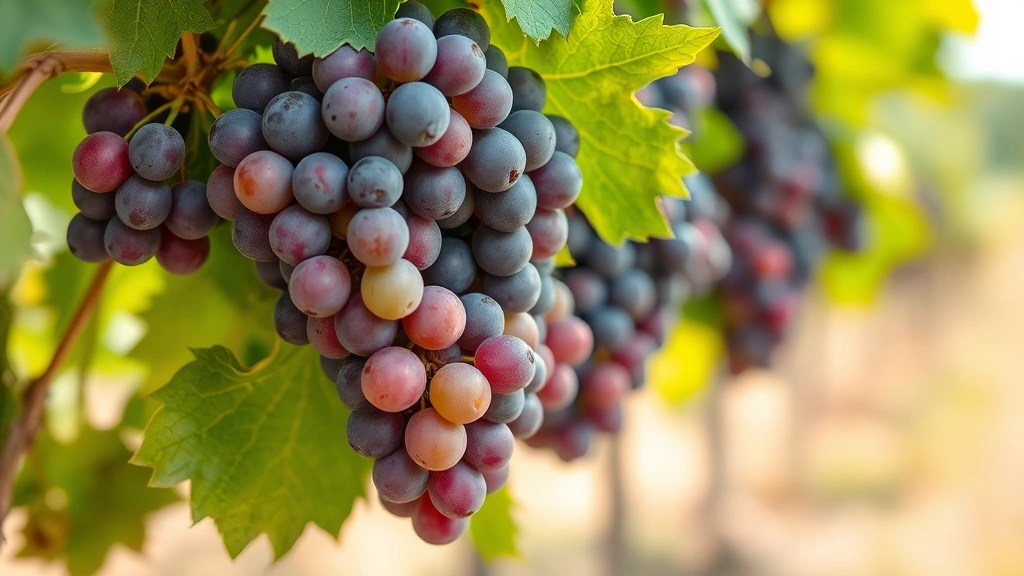
This one surprises most people, but grapes and raisins are seriously dangerous for dogs. Scientists still aren’t entirely sure what compound in grapes causes the toxicity, but the results are undeniable: kidney failure. Even a handful of grapes can trigger a fatal reaction in some dogs, while others might eat a bunch and seem fine (which is why it’s so unpredictable and scary).
The safest approach? Keep all grapes and raisins completely away from your dog. Don’t assume your pup is immune because your neighbor’s dog ate some without problems. Every dog is different, and some are hypersensitive to these fruits. If ingestion happens, get to the vet immediately—early treatment can prevent kidney damage.

Onions and Garlic: Aromatic Assassins
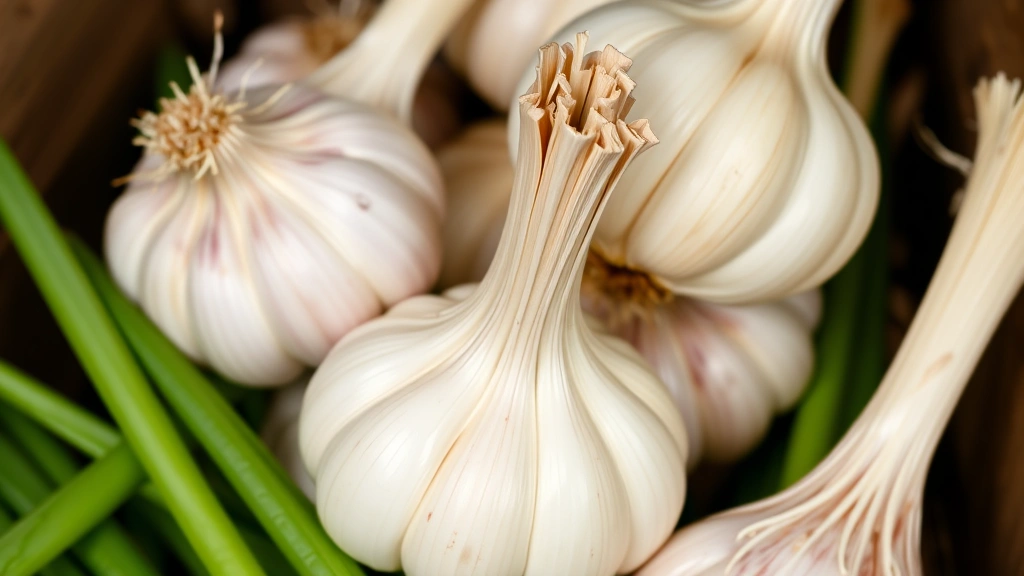
Raw, cooked, powdered, or dried—onions and garlic are all toxic to dogs. These vegetables contain compounds called thiosulfates that damage dogs’ red blood cells, leading to hemolytic anemia. Garlic is actually more concentrated and therefore more toxic than onions, but both are dangerous.
The problem is that these ingredients hide in so many foods. That delicious homemade pasta sauce, the seasoning on your takeout chicken, the garlic powder in your soup—all potential hazards. Symptoms of onion and garlic toxicity include weakness, lethargy, vomiting, and pale gums. The damage is cumulative, so even small repeated exposures add up. Keep your dog away from any food containing these ingredients.
Avocado: The Trendy Toxin
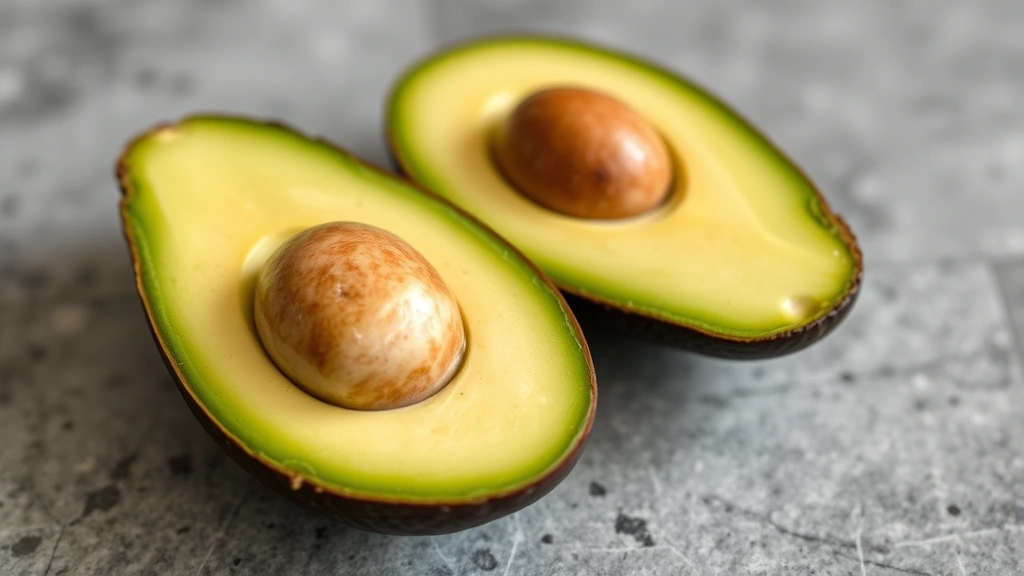
Avocado toast might be your breakfast staple, but it’s a no-go for dogs. Avocados contain persin, a fungicidal toxin that causes vomiting and diarrhea in dogs. The highest concentration of persin is in the pit and leaves, but the flesh contains it too. While avocado poisoning is rarely fatal, it’s definitely unpleasant for your pup and can lead to serious complications if your dog eats the pit (which can cause intestinal blockage).

If your dog is a counter-surfer and you keep avocados on your kitchen counter, move them somewhere safe. That guacamole you’re making? Keep it completely away from your furry friend.
Xylitol: The Artificial Sweetener Surprise
Xylitol is found in sugar-free gum, sugar-free candy, some peanut butters, and even some baked goods. This artificial sweetener causes a rapid release of insulin in dogs, leading to severe hypoglycemia (low blood sugar). Symptoms appear within 30 minutes and include vomiting, lethargy, loss of coordination, and seizures. In larger amounts, xylitol also causes liver damage.
Here’s where it gets tricky: you might not realize your peanut butter contains xylitol. Always check the ingredient list before giving your dog any human food. Some “healthy” or “keto-friendly” peanut butters specifically use xylitol as a sweetener. Even a small amount—we’re talking a teaspoon or two—can be life-threatening. This is one of the most common poisoning cases vets see, and it’s entirely preventable.
Macadamia Nuts: The Expensive Mistake
Macadamia nuts contain an unknown toxin that affects dogs’ digestive and nervous systems. Symptoms include weakness, vomiting, tremors, and hyperthermia (elevated body temperature). The good news is that macadamia nut toxicity is rarely fatal, but it’s still serious and requires veterinary care.
Because macadamia nuts are expensive and less common than other nuts, fewer dogs eat them. But if you’re snacking on macadamia nuts and your dog is begging, resist those eyes. It’s not worth the trip to the emergency vet.
Alcohol: Not Even a Sip
Your dog should never consume alcohol in any form. Even small amounts can cause intoxication, low blood sugar, seizures, and respiratory depression. Dogs are much more sensitive to alcohol than humans, and their bodies can’t metabolize it effectively. A dog that weighs 20 pounds could become seriously intoxicated from the amount of alcohol in a single beer.
This includes raw dough containing yeast, which ferments and produces alcohol. Keep all alcoholic beverages secured and away from your pup. If your dog accidentally ingests alcohol, get emergency veterinary care immediately.
Caffeine: The Hidden Stimulant
Coffee, tea, energy drinks, and some sodas contain caffeine, which is toxic to dogs. It affects their heart rate and nervous system, causing restlessness, rapid breathing, tremors, and in severe cases, seizures. Chocolate also contains caffeine (along with theobromine), which compounds the danger.
Keep your morning coffee cup away from your dog’s reach, and never intentionally give your pup any caffeinated beverages. This is especially important for small dogs, who are more susceptible to caffeine’s effects.
Salt and Fatty Foods: The Slow Poison
While not immediately toxic like chocolate or grapes, excessive salt and fatty foods cause serious health problems in dogs. Too much salt can lead to sodium poisoning and dehydration, while high-fat foods contribute to pancreatitis—a painful and potentially life-threatening inflammation of the pancreas.
This is where understanding proper dog food measurement becomes crucial. Those table scraps and fatty meats might seem harmless, but they add up. If you’re worried about overfeeding pets, keep in mind that human food is calorie-dense and nutrient-poor compared to dog food. Regular consumption of salty or fatty human foods contributes to pet obesity prevention challenges and serious health conditions.
Bones, Pits, and Choking Hazards
While not technically “food poisoning,” bones and pits deserve mention because they’re genuinely dangerous. Cooked bones splinter and can puncture the digestive tract. Pits from peaches, plums, and avocados can cause intestinal blockages. Even corn cobs (if your dog eats corn off the cob) are choking hazards.

The myth that dogs should eat bones is just that—a myth. Stick to safe chew toys and treats specifically designed for dogs. If your dog swallows something they shouldn’t, watch for signs of blockage: vomiting, loss of appetite, constipation, or abdominal pain.
What To Do If Your Dog Eats Something Toxic
If you suspect your dog has eaten harmful foods for dogs, don’t panic—but do act quickly. Call your veterinarian or the ASPCA Animal Poison Control Center (888-426-4435) immediately. Have the following information ready: your dog’s weight, what they ate, how much, and when.
Don’t induce vomiting unless specifically instructed by a veterinarian. Some toxins cause more damage coming back up than going down. Get your dog to a vet as quickly as possible, especially if symptoms appear. Early treatment can be the difference between a full recovery and a tragedy.

Safe Alternatives for Your Pup
So what CAN you give your dog? Plenty! Carrots, green beans, apples (without seeds), bananas, pumpkin, and plain cooked chicken are all safe and healthy. If you want to give your dog treats, stick to dog-specific treats or these whole foods. Your dog doesn’t need variety the way humans do—they’re perfectly happy eating the same quality dog food every day.
When you’re puppy feeding times or establishing a routine for an adult dog, focus on high-quality commercial dog food that meets AAFCO standards. This ensures your dog gets proper nutrition without the guessing game of human food.
Frequently Asked Questions
Can dogs eat a little bit of chocolate?
No. Even small amounts of chocolate, especially dark chocolate or baking chocolate, can be toxic to dogs. The theobromine and caffeine content varies by chocolate type, but it’s never safe. Milk chocolate in tiny amounts might not cause immediate symptoms in larger dogs, but it’s not worth the risk. If your dog eats any chocolate, contact your vet immediately.

What should I do if my dog eats grapes?
Contact your veterinarian or the ASPCA Animal Poison Control Center immediately. Don’t wait to see if symptoms develop. Early intervention is critical for preventing kidney failure. Your vet might recommend inducing vomiting or monitoring your dog’s kidney function with bloodwork.
Is peanut butter safe for dogs?
Most peanut butter is safe for dogs, but always check the ingredient list for xylitol. Many “natural” or “keto-friendly” peanut butters contain xylitol as a sweetener, which is extremely toxic. Stick to regular peanut butter brands that don’t contain xylitol, and give it in moderation as a treat.
What are the symptoms of dog poisoning?
Symptoms vary depending on the toxin, but common signs include vomiting, diarrhea, lethargy, loss of appetite, tremors, seizures, excessive drooling, and difficulty breathing. Some toxins cause immediate symptoms, while others take hours or days to manifest. If your dog shows any unusual behavior after eating something suspicious, contact your vet.

Can I give my dog table scraps?
Occasional small amounts of plain, unseasoned human food are usually okay, but regular table scraps are problematic. They contribute to obesity, nutritional imbalances, and digestive issues. More importantly, you might accidentally give your dog something toxic. Stick to dog-appropriate foods and high-quality dog food for optimal health.
Summary: Keeping Your Dog Safe
Harmful foods for dogs are everywhere, but you’re now equipped with the knowledge to keep your pup safe. Remember: chocolate, grapes, raisins, onions, garlic, avocado, xylitol, macadamia nuts, alcohol, and caffeine are all big no-nos. Fatty foods and excessive salt contribute to long-term health problems. When in doubt, stick to dog-specific food and treats.
Your dog depends on you to make smart choices about what goes in their body. That means resisting those puppy-dog eyes when you’re eating something toxic and choosing their health over their momentary happiness. Consult with your veterinarian about safe treat options and proper nutrition. If your dog ever ingests something suspicious, act fast—early treatment saves lives.

For more information on proper nutrition and feeding practices, check out resources from the American Kennel Club, PetMD, and consult your veterinarian. Your dog’s health is worth the effort.





