
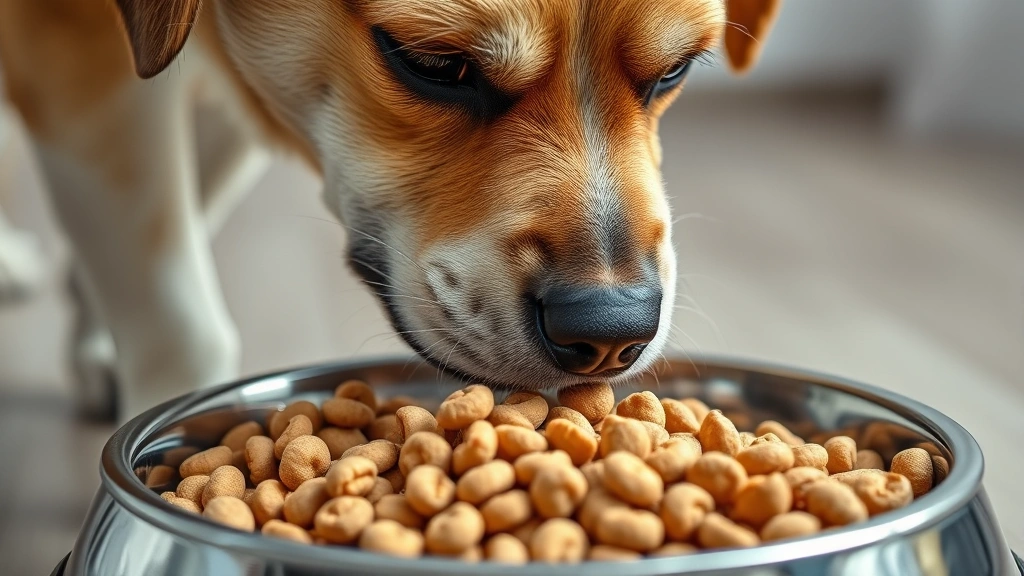
Pet food safety is one of those topics that doesn’t sound exciting until your furry friend gets sick from contaminated kibble—then suddenly you’re an expert. Whether you’re a new pet parent or a seasoned animal lover, understanding how to keep your pet’s meals safe is absolutely crucial. Your dog or cat depends on you to make smart choices about what goes in their bowl, and trust us, it’s easier than you think.
Table of Contents
- Why Pet Food Safety Matters More Than You Think
- Tip #1: Always Check the Expiration Date and Storage Conditions
- Tip #2: Know the Signs of Contaminated Pet Food
- Tip #3: Understand Ingredient Quality and Source Transparency
- Tip #4: Practice Proper Food Handling and Hygiene
- Tip #5: Monitor Your Pet’s Health and Recognize Warning Signs
- Understanding Common Pet Food Contaminants
- Choosing Brands You Can Trust
- The Transition: Introducing New Food Safely
- Homemade and Raw Diets: Extra Precautions Required
- Frequently Asked Questions
- Summary: Making Pet Food Safety a Priority
Why Pet Food Safety Matters More Than You Think
Let’s be real: nobody wants to think about their pet getting food poisoning. But foodborne pathogens like Salmonella and E. coli don’t discriminate—they can contaminate pet food just as easily as human food. According to the FDA, there have been numerous recalls of pet food products over the past decade due to contamination issues. The scary part? Sometimes you won’t even know there’s a problem until your pet shows symptoms like vomiting, diarrhea, or lethargy.
Your pet’s digestive system is sensitive, and unlike humans, they can’t tell you what’s wrong. That’s why taking pet food safety seriously isn’t paranoia—it’s responsible pet ownership. Plus, understanding proper food handling and storage can prevent expensive vet bills down the road.
Tip #1: Always Check the Expiration Date and Storage Conditions
This seems obvious, but you’d be surprised how many pet owners grab a bag of kibble without checking when it was manufactured or packaged. Pet food has a shelf life, and expired food loses nutritional value while potentially developing harmful bacteria and mold. Before buying, flip that bag around and look for the “best by” or “use by” date.
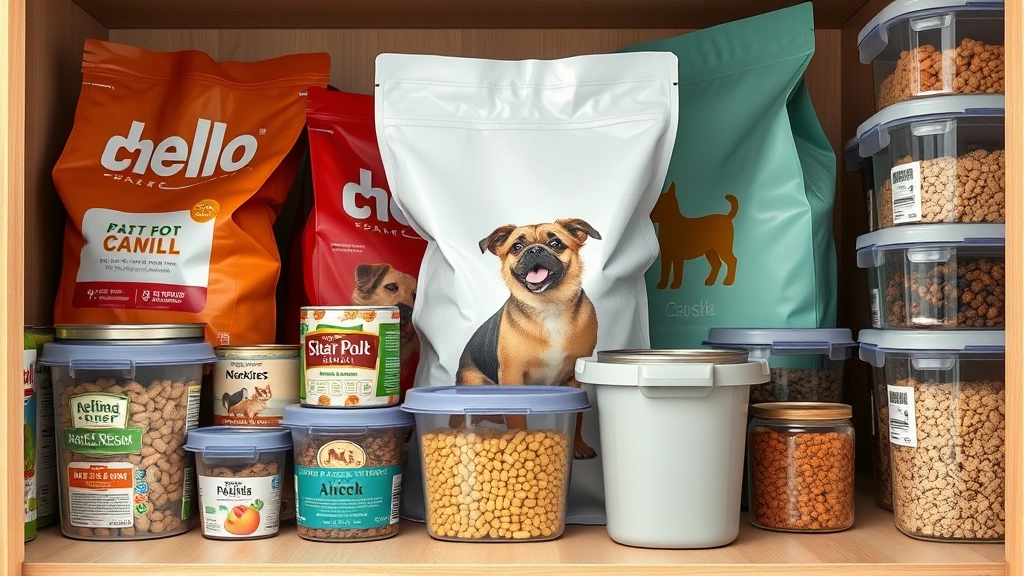
Once you get it home, storage is everything. Keep dry pet food in a cool, dry place—ideally in an airtight container rather than leaving it in the original bag. Moisture and humidity are your enemies here. If you live in a humid climate, consider investing in food-grade storage bins with tight-sealing lids. Canned or wet food should be refrigerated after opening and used within 2-3 days. Don’t just leave that open can sitting in your pet’s bowl all day; that’s a bacterial playground waiting to happen.

Tip #2: Know the Signs of Contaminated Pet Food
Contaminated food sometimes shows obvious red flags, but not always. Look for visible mold, an off smell, or unusual discoloration. If the kibble looks wet or clumpy when it should be dry, that’s a sign of moisture damage. Some contamination is invisible to the naked eye, which is why staying informed about recalls is critical.
Subscribe to FDA alerts and check the official FDA pet food recall website regularly. When a recall happens, act fast. If you have the recalled product, stop feeding it immediately and contact your vet if your pet has already consumed it. Keep receipts and packaging so you can identify exactly what you bought and when. This might seem excessive, but it could literally save your pet’s life.
Tip #3: Understand Ingredient Quality and Source Transparency
Not all pet food is created equal, and ingredient sourcing matters. Look for brands that clearly identify where their ingredients come from and how their food is tested for safety. Reputable manufacturers will have transparent supply chains and conduct regular quality testing. Avoid brands that use vague terms like “meat by-products” without specifying the source.
Reading the ingredient label is your first line of defense. The ingredients are listed by weight, so the first few ingredients are what your pet is primarily eating. Look for named meat sources (like “chicken” or “beef”) rather than generic “meat meal.” If you’re dealing with food allergies or feeding routine concerns, ingredient transparency becomes even more critical. Premium doesn’t always mean expensive—it means knowing exactly what’s in the bag and trusting the manufacturer’s quality standards.

Tip #4: Practice Proper Food Handling and Hygiene
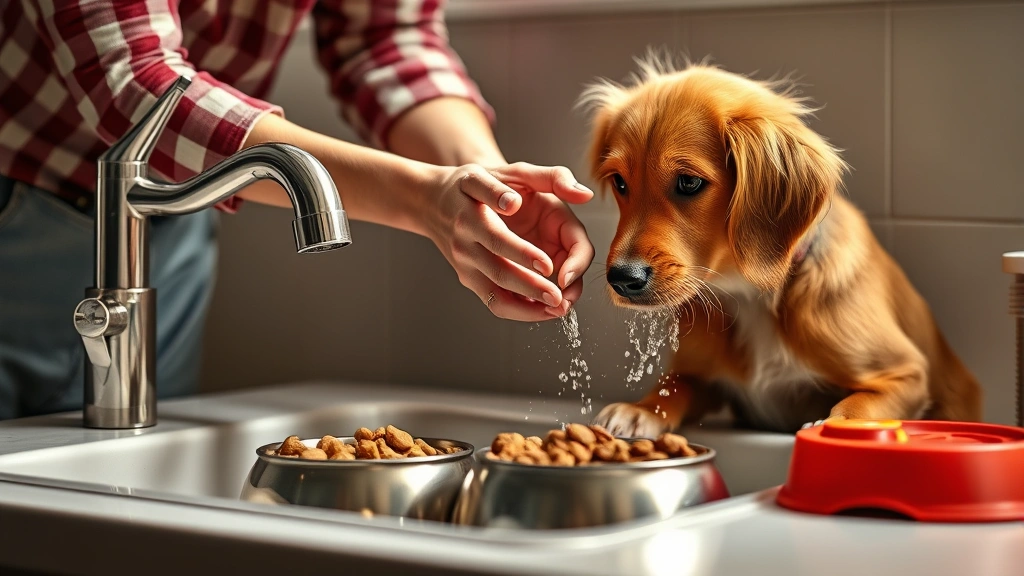
This is where pet food safety gets personal. Wash your hands after handling pet food, just like you would with human food. Use clean scoops and bowls—don’t let them pile up in the sink. Pet food bowls should be washed daily with hot soapy water, and stainless steel or ceramic bowls are easier to sanitize than plastic ones.
If you’re feeding raw or fresh food diets, the stakes are even higher. Raw meat can harbor dangerous pathogens, so handle it with the same precautions you’d use for human meat. Use separate cutting boards and utensils, wash everything thoroughly, and never let raw food sit out at room temperature for more than a couple of hours. If you’re unsure about raw feeding safety, talk to your vet or consult resources from veterinary nutritionists.
For pets with specific health needs, like those on prescription diet feeding plans, maintaining hygiene is essential since these foods are often formulated for compromised digestive systems.
Tip #5: Monitor Your Pet’s Health and Recognize Warning Signs
Even with perfect food safety practices, problems can still happen. That’s why monitoring your pet’s health is your final line of defense. Know what’s normal for your pet—their energy level, appetite, and bathroom habits. Changes can indicate a problem with their food or a developing health issue.
If your pet suddenly develops digestive issues, vomiting, loss of appetite, or lethargy after starting a new food, contact your vet immediately. These could be signs of food contamination, an allergic reaction, or a dietary mismatch. Keep notes about when symptoms started and what food your pet was eating. This information helps your vet diagnose the problem faster.
For pets with sensitive stomach feeding schedules, be extra vigilant. These pets are more susceptible to digestive upset from contaminated or inappropriate foods. Regular pet health monitoring becomes even more important, and you might want to use a pet symptom checker online to track any concerning changes.
Understanding Common Pet Food Contaminants
Knowledge is power, so let’s talk about what you’re actually protecting against. The most common culprits in pet food contamination are Salmonella, Listeria, and E. coli. These bacteria can cause serious gastrointestinal illness in pets and can sometimes be transmitted to humans (especially in households with immunocompromised people).
Mycotoxins—toxins produced by mold—are another concern, particularly in grain-based foods. Aflatoxin, in particular, has been found in contaminated pet foods and can cause serious liver damage. This is why proper storage in dry conditions is so critical. Pentobarbital, a euthanasia drug, has also been detected in some pet foods in rare cases, usually traced to rendered animal products from questionable sources.
Choosing Brands You Can Trust
Not every brand is equal when it comes to safety standards. Look for companies that meet AAFCO (Association of American Feed Control Officials) standards and conduct regular safety testing. Brands that perform their own quality testing and are transparent about it deserve your trust. Check if a brand has had recalls—one recall doesn’t necessarily mean it’s bad, but multiple recalls are a red flag.
Research where the brand manufactures its food. U.S. and Canadian manufacturers generally have stricter regulations than some other countries. Don’t be shy about contacting companies directly with questions about their sourcing and testing procedures. A reputable company will be happy to answer your questions.
The Transition: Introducing New Food Safely
Even the safest, highest-quality food can cause problems if introduced too quickly. When switching foods, do it gradually over 7-10 days, mixing increasing amounts of the new food with the old. This gives your pet’s digestive system time to adjust and helps you identify if the new food is causing any issues.
If your pet has a sensitive stomach or is on medication with a food schedule, transition even more slowly and consult your vet first. Some prescription foods require specific transition protocols, so follow your veterinarian’s guidance exactly.
Homemade and Raw Diets: Extra Precautions Required
If you’re preparing food at home or feeding raw, you’re taking on extra responsibility for pet food safety. Work with a board-certified veterinary nutritionist to ensure the diet is balanced and complete. Homemade diets often lack essential nutrients if not formulated correctly, which can be just as harmful as contaminated commercial food.
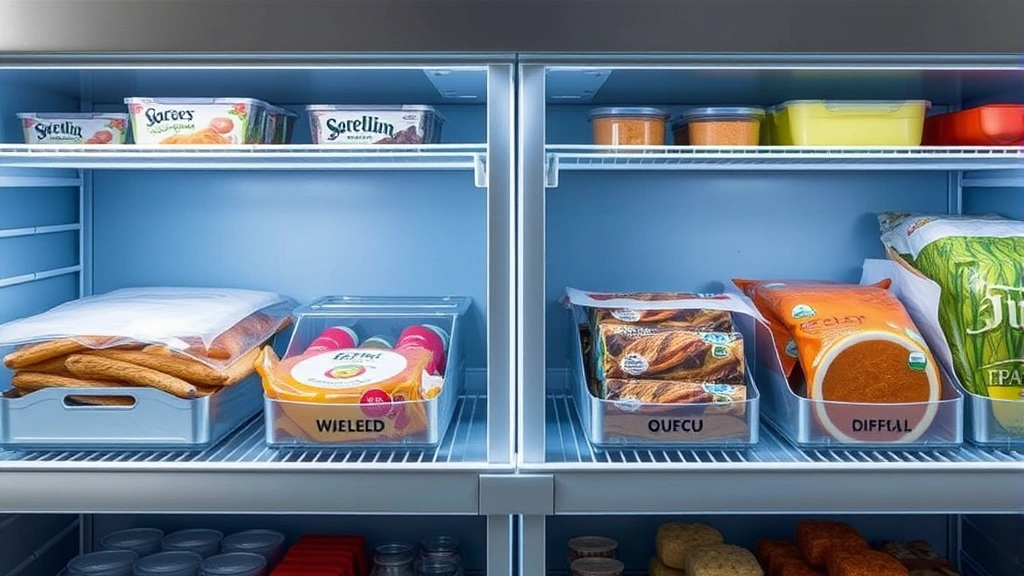
For raw diets, source meat from reputable suppliers, keep it frozen until use, and thaw it in the refrigerator rather than on the counter. Never refreeze thawed meat. Clean up immediately after feeding, and keep raw food away from areas where you prepare human food. The FDA and CDC both advise caution with raw pet food diets due to contamination risks.
Frequently Asked Questions
What should I do if I suspect my pet ate contaminated food?
Contact your veterinarian immediately, even if your pet isn’t showing symptoms yet. Provide details about the food (brand, lot number, date purchased) and any symptoms your pet is experiencing. Your vet may recommend monitoring, bloodwork, or treatment depending on the suspected contaminant and your pet’s condition.
How long can wet food sit in my pet’s bowl?
Wet food shouldn’t sit out for more than 2 hours at room temperature, or 1 hour if it’s above 85°F. Bacteria multiply rapidly in moist environments, so it’s better to be safe. Remove uneaten food and refrigerate leftovers in an airtight container.
Are grain-free diets safer than grain-inclusive diets?
Not necessarily. Grain-free foods can be contaminated just like grain-inclusive foods. The safety depends on the manufacturer’s practices, not the presence or absence of grains. Focus on choosing reputable brands with good safety records, regardless of their grain content.
Can I give my pet human food scraps?
Some human foods are safe for pets, but many are toxic (like chocolate, grapes, and xylitol). If you do share human food, make sure it’s safe for your species and only occasional. Most of your pet’s nutrition should come from properly formulated pet food.
How often should I check for pet food recalls?
Check at least monthly, or subscribe to FDA email alerts so you’re notified automatically. If you buy the same brand regularly, checking monthly is usually sufficient. If you switch brands frequently, check before each purchase.
Summary: Making Pet Food Safety a Priority
Pet food safety doesn’t have to be complicated or stressful. By checking expiration dates, choosing reputable brands, practicing good hygiene, monitoring recalls, and staying alert to your pet’s health, you’re doing everything right. Remember that your pet can’t advocate for themselves—they depend entirely on you to make safe choices about what they eat.
Start with these five essential tips and make them habits. Store food properly, read labels carefully, handle food hygienically, stay informed about recalls, and watch your pet for any signs of trouble. Your vigilance today could prevent serious illness tomorrow. Because at the end of the day, pet food safety is just another way of showing your furry friend how much you care.





