
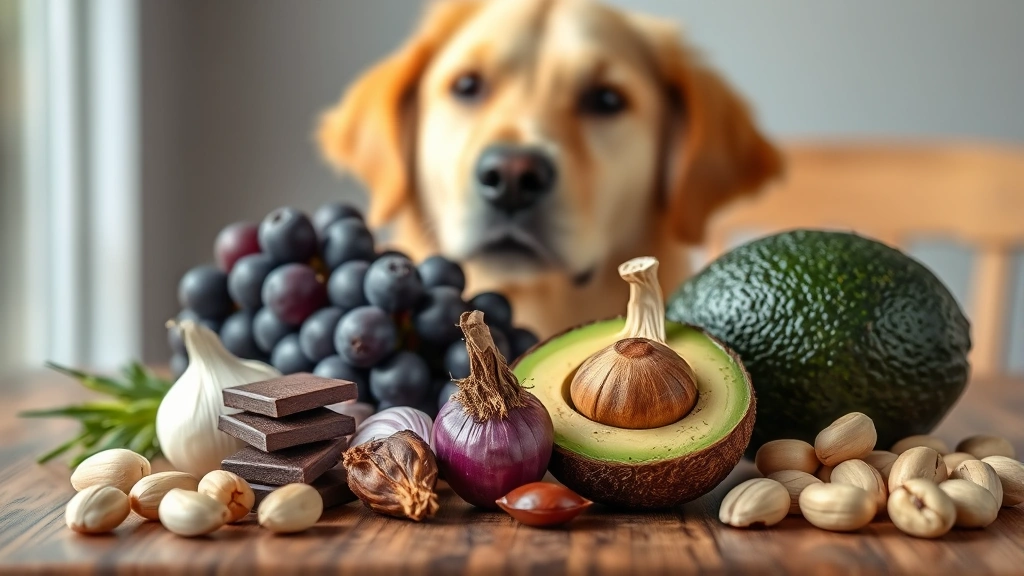
Look, we all love our dogs. They give us those puppy-dog eyes, and we want to share everything in our pantry with them. But here’s the truth: what not to feed your dog is just as important as knowing what to feed them. Some foods that are totally fine for humans are straight-up toxic to our furry best friends, and some can actually be fatal. Let’s talk about the dangerous stuff lurking in your kitchen that could seriously harm your pup.
Table of Contents
- Why Dogs Can’t Eat What We Eat
- Chocolate: The Sweet Killer
- Grapes and Raisins: Mysteriously Dangerous
- Onions and Garlic: The Allium Problem
- Avocado: Not as Healthy as You’d Think
- Macadamia Nuts: Toxic Trouble
- Alcohol: Absolutely Off-Limits
- Xylitol: The Sugar Substitute Nightmare
- Caffeine: More Dangerous Than You Think
- Salt: The Overlooked Danger
- Bones and Fatty Foods: Choking and Pancreatitis Hazards
- Raw Dough and Yeast: Expansion Problems
- Frequently Asked Questions
- Creating a Safe Feeding Environment
- When to Call the Vet
- Summary: Keeping Your Dog Safe
Why Dogs Can’t Eat What We Eat
Your dog’s digestive system is completely different from yours. They metabolize foods differently, have different enzyme levels, and their bodies can’t break down certain compounds the way ours can. What’s a healthy snack for you might be poison for Fido. Understanding toxic foods for dogs and canine nutrition is critical for any responsible pet owner.
Chocolate: The Sweet Killer
Dark chocolate and baking chocolate are the worst culprits. They contain theobromine, a compound similar to caffeine that dogs can’t metabolize efficiently. Even small amounts can cause vomiting, diarrhea, rapid heartbeat, and seizures. Milk chocolate is less dangerous, but it’s still not worth the risk. A 10-pound dog eating just one ounce of dark chocolate could be in serious trouble. Keep all chocolate locked away, especially during holidays.
Grapes and Raisins: Mysteriously Dangerous
Nobody fully understands why grapes and raisins are toxic to dogs, but they absolutely are. Even a handful can cause acute kidney failure in some dogs. The scary part? The toxicity level varies between individual dogs, so you can’t predict how your pup will react. One grape might cause nothing, or it might trigger a medical emergency. The safest approach is to never, ever give your dog grapes or raisins. Check your rotating protein sources to ensure they don’t contain raisin derivatives.
Onions and Garlic: The Allium Problem
Both onions and garlic (along with leeks and chives) contain thiosulfates that damage dogs’ red blood cells, causing hemolytic anemia. Cooked, raw, powdered—it doesn’t matter. They’re all dangerous. A dog would need to eat a significant amount to cause serious harm, but why risk it? Watch out for garlic powder in store-bought treats and seasonings. Some commercial dog foods use garlic as a flavoring agent, so always read labels carefully.
Avocado: Not as Healthy as You’d Think
Avocados contain persin, a fungal toxin that can cause vomiting, diarrhea, and pancreatitis in dogs. The pit is especially dangerous—it’s a choking hazard and contains the highest concentration of persin. Even though some dogs eat small amounts without issue, it’s not worth testing your luck. Keep guacamole and avocado toast away from your pup’s reach.
Macadamia Nuts: Toxic Trouble
These buttery, delicious nuts are toxic to dogs and can cause weakness, tremors, vomiting, and hyperthermia. The exact toxic compound hasn’t been identified, but we know they’re dangerous. Even six macadamia nuts can cause symptoms in a 10-pound dog. Check your breed specific feeding needs guide, as some breeds may be more sensitive to nut toxins.
Alcohol: Absolutely Off-Limits
Ethanol affects dogs much faster and more severely than humans. Even small amounts of beer, wine, or spirits can cause intoxication, vomiting, diarrhea, tremors, and respiratory depression. The worst part? Dogs don’t know better. They’ll drink it if given the chance. Keep all alcoholic beverages secured and never let your dog lick spilled drinks.

Xylitol: The Sugar Substitute Nightmare
This artificial sweetener is found in sugar-free gum, candy, baked goods, and peanut butter. Even tiny amounts cause a rapid insulin release, leading to severe hypoglycemia and liver damage. Xylitol is one of the most dangerous substances on this list. Always check ingredient labels on any human foods, especially peanut butter before using it as a dog treat. Some pet food consistency issues can be masked by xylitol-containing fillers, so stick to reputable brands.
Caffeine: More Dangerous Than You Think
Coffee, tea, energy drinks, and caffeine pills are all toxic to dogs. Caffeine causes rapid heart rate, tremors, seizures, and can be fatal in large doses. A single cup of coffee might not kill your dog, but it’s not something to mess with. Keep your morning brew on the counter, not on the floor where curious noses might investigate.
Salt: The Overlooked Danger
While dogs need some sodium, excessive salt causes sodium ion poisoning. Symptoms include vomiting, diarrhea, tremors, seizures, and coma. Salty snacks like chips, pretzels, and cured meats should never be given to dogs. Even seawater is dangerous if a dog drinks too much while playing at the beach.
Bones and Fatty Foods: Choking and Pancreatitis Hazards
Cooked bones splinter and can perforate the digestive tract. Raw bones are safer but still risky. High-fat foods and fatty meat trimmings cause pancreatitis, which is painful and potentially life-threatening. Stick to lean proteins and avoid giving your dog table scraps, especially during holiday meals. Consider your dog’s caloric needs for dogs when planning their diet.
Raw Dough and Yeast: Expansion Problems
Unbaked bread dough rises in the stomach, causing bloating and potentially gastric dilatation-volvulus (bloat), which is a medical emergency. Yeast fermentation also produces alcohol. Keep raw dough away from your dog, and supervise baking activities carefully.
Frequently Asked Questions
What should I do if my dog eats something toxic?
Call your veterinarian or the ASPCA Animal Poison Control Center (888-426-4435) immediately. Don’t wait to see if symptoms develop. Time is critical with many toxins. Have the product packaging or the name of the food ready when you call. The sooner you get professional help, the better the outcome.
How much chocolate is toxic to dogs?
It depends on the type and the dog’s weight. Dark chocolate is the most dangerous. Generally, 20 mg of theobromine per kilogram of body weight causes symptoms. For a 50-pound dog, just one ounce of dark chocolate could be problematic. When in doubt, contact poison control.
Can dogs eat any human foods safely?
Yes! Carrots, apples (without seeds), green beans, pumpkin, and plain cooked chicken are all safe. The key is moderation and avoiding anything seasoned or processed. Always introduce new foods slowly and watch for any adverse reactions.
Is my dog’s regular food safe?
Reputable commercial dog foods are formulated to be nutritionally complete and safe. Look for brands that meet AAFCO standards. Check labels for any of the toxic ingredients mentioned above. Your veterinarian can recommend quality options based on your dog’s age, size, and health status. The senior dog feeding routine article has more specific guidance for older pups.
What about peanut butter as a dog treat?
Most peanut butter is fine, but always check the label for xylitol. Many brands are safe and dogs love it. Xylitol-free peanut butter in moderation is a great treat option. Just watch the calories—peanut butter is high in fat.
Can dogs have dairy products?
Most adult dogs are lactose intolerant, so dairy can cause digestive upset. Small amounts of plain yogurt or cheese are usually okay, but milk should be avoided. Every dog is different, so introduce dairy slowly and monitor for symptoms.
Creating a Safe Feeding Environment
Prevention is the best medicine. Keep toxic foods stored securely, educate family members and guests about what dogs can’t eat, and never leave food unattended on tables or counters. Train your dog not to beg at the table. If you have multiple pets, make sure your dog can’t access cat food or other animals’ medications. Consider your post-surgery feeding schedule if your dog has had recent medical procedures, as restrictions may apply.
When to Call the Vet
If your dog eats something suspicious, don’t panic but do act quickly. Call your vet or poison control immediately. Have the following information ready: what your dog ate, how much, when they ate it, and your dog’s weight. Vomiting can sometimes be induced if caught early enough. Better safe than sorry—vets would rather you call with a false alarm than miss a genuine emergency.
Summary: Keeping Your Dog Safe
Understanding what not to feed your dog is essential pet ownership. Chocolate, grapes, onions, garlic, avocado, macadamia nuts, alcohol, xylitol, caffeine, excess salt, fatty foods, raw dough, and certain bones are all dangerous. When in doubt, ask your veterinarian before giving your dog any human food. Your dog doesn’t need variety or “people food” to be happy—they’re perfectly content with quality dog food and safe treats. Keep toxic substances secured, educate your family, and always act quickly if an accidental ingestion occurs. A little prevention goes a long way in keeping your furry friend healthy and happy for years to come. For authoritative information, consult the American Kennel Club, PetMD, or your veterinarian’s office. Your dog’s safety is worth the extra effort.





