
So you’re sitting there with a juicy apple, your cat’s giving you those big eyes, and you’re wondering: “Can my feline friend actually eat this?” Well, buckle up, because safe fruits for cats is way more nuanced than you’d think. While cats are obligate carnivores (fancy way of saying they’re basically tiny lions), some fruits can be a fun, occasional treat—if you pick the right ones.
Table of Contents
- Why Cats and Fruits Are a Complicated Relationship
- The Top 10 Safe Fruits for Cats
- Fruits to Absolutely Avoid
- How to Safely Introduce Fruits to Your Cat
- Preparation Tips for Feline Fruit Lovers
- Signs Your Cat Might Have Eaten Something They Shouldn’t
- Better Treat Alternatives
- The Bottom Line on Safe Fruits for Cats
- Frequently Asked Questions
Why Cats and Fruits Are a Complicated Relationship
Here’s the thing: cats don’t taste sweetness the way we do. Their taste buds are basically wired for protein and fat, which explains why your cat would rather knock your fruit bowl off the counter than actually eat from it. But some cats do enjoy certain fruits, and as a pet parent, it’s good to know which ones won’t send your kitty to the vet.
According to PetMD, while most fruits are safe in moderation, they should never replace a proper cat feeding schedule. Think of fruits as occasional treats—like that fancy coffee you get on Fridays, not your daily breakfast.
The Top 10 Safe Fruits for Cats
Let’s dive into the fruits that won’t cause your cat to stage a dramatic protest or worse, end up with digestive issues.
1. Watermelon: The Hydration Hero
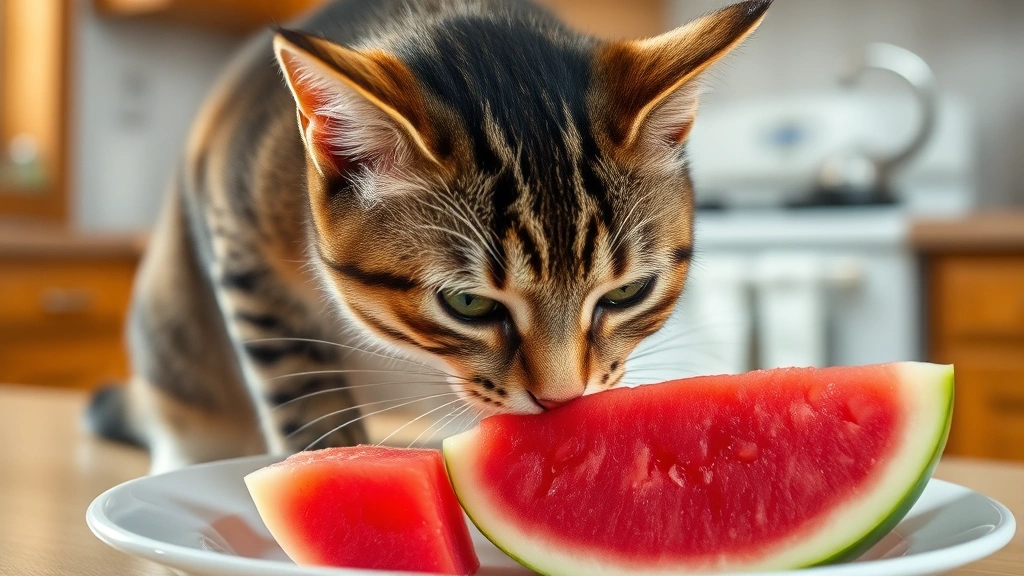
Watermelon is basically nature’s water bottle, and cats can absolutely have small amounts of it. Just remove all the seeds (those are choking hazards), and skip the rind. A tiny cube or two is perfect for hot summer days when your cat needs extra hydration. The high water content makes it ideal for cats who don’t drink enough water.
2. Cantaloupe: The Orange Wonder
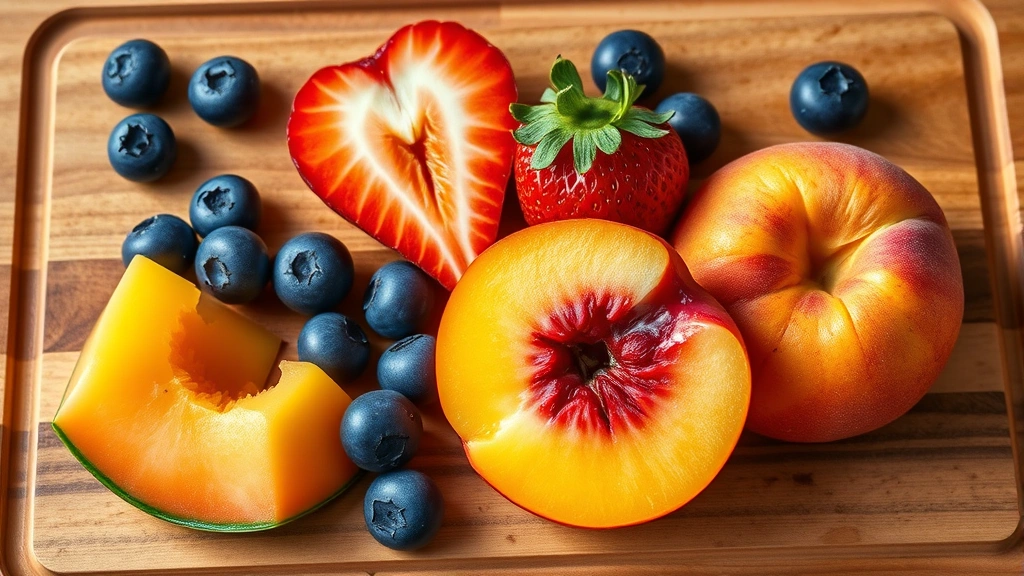
Cantaloupe is another hydrating option that some cats actually enjoy. It’s packed with vitamins A and C, though honestly, your cat’s getting those nutrients from their regular diet anyway. Remove the seeds and rind, and offer only small pieces. Some cats will ignore it completely—and that’s totally fine.
3. Blueberries: Tiny Antioxidant Bombs
These little guys are safe for cats and packed with antioxidants. You can offer one or two as an occasional treat. They’re small enough that you don’t need to cut them up, though some cats prefer them that way. Just don’t go overboard—a couple blueberries, not a handful.
4. Strawberries: The Red Temptation
Strawberries are safe for cats in very small amounts. Remove the green leafy top and offer just a tiny piece. Some cats are curious about them, while others will sniff and walk away. Either way, you’re not doing any harm with a small taste.
5. Apples: The Classic Fruit (With Caveats)
Apples are safe, BUT—and this is a big but—you must remove the seeds and core. Apple seeds contain cyanogenic compounds, which is a fancy way of saying they’re toxic. Offer only small pieces of the flesh, and make sure your cat doesn’t have access to the parts you’ve discarded.
6. Bananas: The Potassium Powerhouse
Cats can have tiny amounts of banana, though most find them boring. A piece the size of your pinky finger is plenty. Bananas are higher in sugar and carbs than other fruits, so they’re less ideal for feline diets, but a microscopic taste won’t hurt.
7. Peaches: The Fuzzy Favorite
Peaches are safe when pitted and cut into small pieces. The pit contains cyanogenic compounds (like apple seeds), so remove it completely. Some cats actually enjoy the texture and taste of peaches more than other fruits.
8. Pears: The Forgotten Fruit
Pears are totally safe for cats and contain fiber, which can support digestive health. Remove the seeds (yes, they also have those toxic compounds) and offer small chunks. Follow up with feline specific probiotics if your cat has a sensitive digestive system.
9. Mangoes: The Tropical Treat
Mango is safe for cats in tiny amounts. Remove the large pit and skin, and offer just a small piece of flesh. It’s high in sugar, so this should be an occasional, special treat—like once a month, not once a week.
10. Papaya: The Tropical Digestive Aid
Papaya contains enzymes that can support digestion. Small pieces are safe for cats, and some vets actually recommend it for digestive support. Remove all seeds and skin, and offer only a tiny amount.
Fruits to Absolutely Avoid
Now let’s talk about the fruits that are total no-nos for your feline friend. Grapes and raisins are toxic to cats (and dogs), causing kidney damage. Citrus fruits like lemons, limes, and oranges are too acidic and can upset your cat’s stomach. Avocado contains persin, which is toxic to cats. And anything with xylitol (an artificial sweetener) is extremely dangerous.
According to the ASPCA Animal Poison Control Center, if your cat ingests any toxic fruit, contact your vet immediately.
How to Safely Introduce Fruits to Your Cat
If your cat has never had fruit before, introduce it slowly. Offer a tiny piece and watch for any digestive upset over the next 24 hours. Some cats will have zero interest, and that’s perfectly normal. Cats are obligate carnivores, after all—fruits aren’t necessary for their nutrition.
Make sure any fruit treats don’t exceed 10% of your cat’s daily caloric intake. This is why following a proper cat food portions guide is essential. If you’re adding treats, you might need to adjust their main meal slightly to prevent weight gain.
Preparation Tips for Feline Fruit Lovers
Always wash fruit thoroughly before offering it to your cat. Remove all seeds, pits, and skin—these can be choking hazards or contain toxic compounds. Cut fruit into small, manageable pieces that won’t cause choking. Serve at room temperature, never cold or frozen (unless it’s a hot day and you’re offering a tiny frozen piece as enrichment).
Store any fruit you’re planning to share with your cat separately from your own fruit bowl. This prevents accidental contamination and keeps your cat from helping themselves when you’re not looking.
Signs Your Cat Might Have Eaten Something They Shouldn’t
Watch for vomiting, diarrhea, lethargy, or loss of appetite. If your cat shows any of these signs after eating fruit, contact your vet. Some cats have sensitive stomachs and might react even to safe fruits. This is especially important if your cat has existing digestive issues or is on a special diet.

Consider your cat’s overall health and pet food consistency when introducing any new foods. Cats with diabetes, kidney disease, or other health conditions might need to avoid fruits altogether.
Better Treat Alternatives
Honestly? Your cat would probably prefer treats made from actual meat. Cooked chicken, turkey, or fish are way more aligned with their natural diet and nutritional needs. If you’re looking to add variety to your cat’s diet, consider kitten feeding schedule principles even for adult cats—consistency and proper nutrition matter more than novelty treats.
If you have multiple cats, consider setting up separate cat feeding stations to control what each cat is eating. This prevents one cat from stealing another’s special treats and helps you monitor each cat’s fruit intake.
The Bottom Line on Safe Fruits for Cats
Safe fruits for cats include watermelon, cantaloupe, blueberries, strawberries, apples (seeds removed), bananas, peaches, pears, mangoes, and papaya. However, these should be occasional treats only—small pieces, infrequently. Your cat’s main nutrition should come from high-quality cat food designed to meet their specific nutritional needs as obligate carnivores.
Most cats won’t be interested in fruit anyway, and that’s completely normal and healthy. If your cat does enjoy the occasional fruit snack, just make sure you’re doing it safely and not replacing their regular meals.
Frequently Asked Questions
Can cats eat fruit every day?
No, cats should not eat fruit every day. Fruits should be occasional treats only, making up no more than 10% of their daily caloric intake. Cats are obligate carnivores and get all the nutrition they need from proper cat food. Daily fruit consumption could lead to digestive upset or weight gain.
What’s the safest fruit for cats?
Watermelon and cantaloupe are among the safest options because they’re mostly water and low in sugar. Blueberries are also very safe in tiny amounts. The key is always removing seeds, pits, and skin, and offering only small pieces.
Can cats eat bananas?
Yes, cats can eat tiny amounts of banana, but most cats aren’t interested. A piece the size of your pinky finger is plenty. Bananas are higher in sugar and carbs than other fruits, making them less ideal for feline diets.
Are grapes toxic to cats?
Absolutely. Grapes and raisins are toxic to cats and can cause kidney damage. Never offer these fruits to your cat, and keep them stored where your cat can’t access them.
What should I do if my cat eats fruit with seeds?
If your cat eats a small amount of fruit with seeds, monitor them closely for signs of distress like vomiting or lethargy. If they show any concerning symptoms, contact your vet immediately. For toxic fruits like grapes or avocado, call your vet right away regardless of symptoms.





