
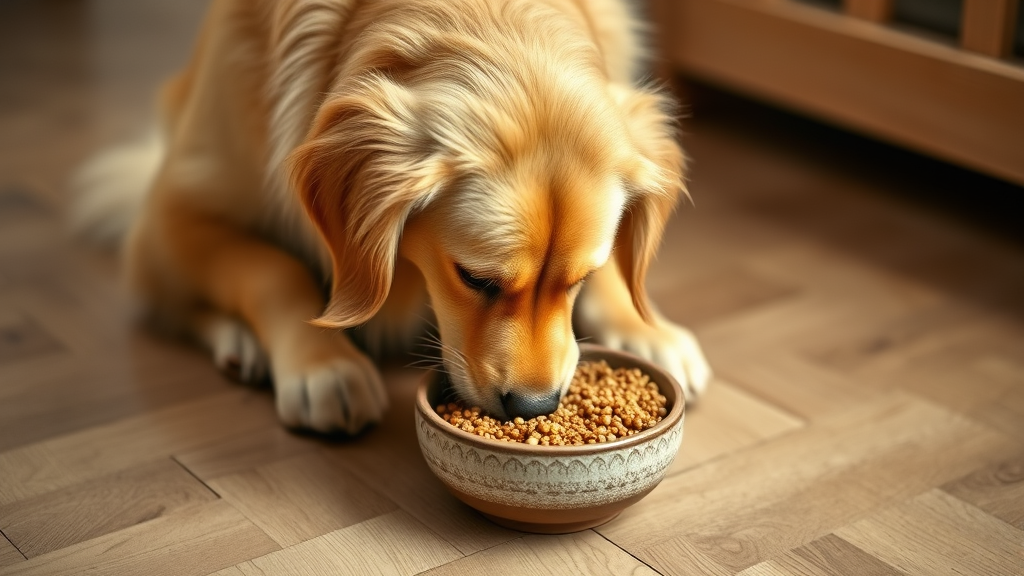
As pet owners become increasingly conscious about their dogs’ nutrition, many are exploring alternative grains and superfoods to enhance their furry friends’ diets. Quinoa, often hailed as a superfood for humans, has caught the attention of dog parents wondering if this nutrient-dense pseudo-grain could benefit their canine companions. This ancient seed, packed with protein and essential nutrients, offers a unique dietary option that differs from traditional grains commonly found in commercial dog foods.
Understanding whether can dogs eat quinoa safely is crucial for pet owners looking to diversify their dog’s meal plan. While quinoa presents numerous nutritional advantages, it’s important to understand proper preparation methods, serving sizes, and potential considerations before incorporating it into your dog’s regular diet. Let’s explore everything you need to know about feeding quinoa to your beloved pet.
What is Quinoa and Why is it Special?
Quinoa (pronounced KEEN-wah) is technically not a grain but rather a seed from the Chenopodium quinoa plant, native to South America. This pseudo-cereal has been cultivated for thousands of years and was considered sacred by the ancient Incas. What makes quinoa particularly remarkable is its status as a complete protein, containing all nine essential amino acids that the body cannot produce on its own.
Unlike traditional grains such as wheat, corn, or rice, quinoa is naturally gluten-free, making it an excellent option for dogs with grain sensitivities or allergies. The seed comes in various colors, including white, red, and black varieties, each offering slightly different nutritional profiles and flavors. According to the United States Department of Agriculture, quinoa contains higher protein levels than most grains, along with significant amounts of fiber, vitamins, and minerals.
The unique nutritional composition of quinoa includes high levels of lysine, an amino acid often limited in plant-based proteins. This makes it particularly valuable for dogs following plant-forward diets or those needing additional protein sources. Additionally, quinoa contains compounds called saponins, which are natural deterrents to pests but require proper preparation to ensure digestibility for dogs.
Nutritional Benefits of Quinoa for Dogs
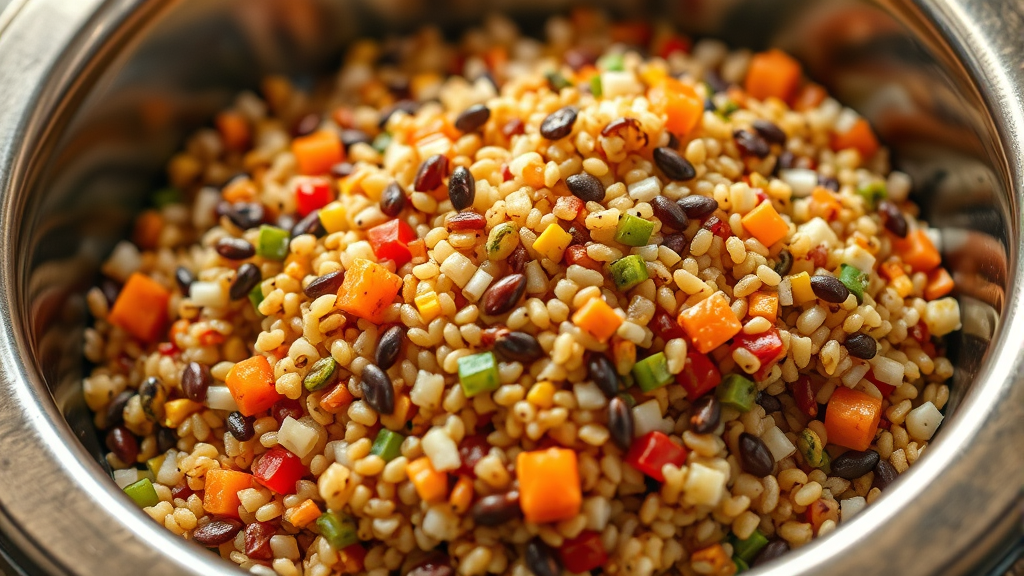
Quinoa offers an impressive array of nutrients that can complement your dog’s existing diet. As a complete protein source, it provides all essential amino acids necessary for muscle development, tissue repair, and overall health maintenance. A single cup of cooked quinoa contains approximately 8 grams of protein, making it a substantial addition to your dog’s protein intake.
The fiber content in quinoa supports healthy digestion and can help regulate bowel movements in dogs. This is particularly beneficial for dogs experiencing digestive issues or those prone to constipation. The complex carbohydrates in quinoa provide sustained energy release, unlike simple carbohydrates that cause rapid blood sugar spikes and crashes.
Quinoa is rich in essential minerals including iron, magnesium, phosphorus, and manganese. Iron supports healthy blood cell formation and oxygen transport throughout the body, while magnesium plays crucial roles in muscle and nerve function. Phosphorus works alongside calcium to maintain strong bones and teeth, and manganese acts as an antioxidant, protecting cells from damage.
The seed also contains significant amounts of B-vitamins, particularly folate, which supports cell division and DNA synthesis. These vitamins are essential for maintaining a healthy nervous system and supporting overall metabolic functions. Research published by the National Center for Biotechnology Information highlights quinoa’s antioxidant properties, which can help combat oxidative stress and support immune function in dogs.
Safety Considerations and Potential Risks
While quinoa is generally safe for most dogs, there are important safety considerations to keep in mind. The primary concern involves saponins, naturally occurring compounds found in quinoa’s outer coating that can cause digestive upset if not properly removed. These bitter-tasting substances serve as natural pesticides for the plant but can lead to stomach irritation, vomiting, or diarrhea in dogs if consumed in large quantities.
Some dogs may experience allergic reactions to quinoa, although this is relatively rare. Signs of food allergies in dogs include itching, skin irritation, excessive scratching, digestive upset, or changes in behavior. If you notice any of these symptoms after introducing quinoa, discontinue feeding and consult with your veterinarian immediately.
Dogs with existing kidney problems should consume quinoa with caution due to its moderate oxalate content. Oxalates can contribute to kidney stone formation in susceptible animals. The American Veterinary Medical Association recommends consulting with a veterinarian before introducing new foods to dogs with chronic health conditions.
Portion control is crucial when feeding quinoa to dogs. Like any new food, quinoa should be introduced gradually and in small amounts to avoid digestive upset. Overfeeding quinoa can lead to gastrointestinal distress and may contribute to weight gain due to its caloric density.
How to Properly Prepare Quinoa for Dogs
Proper preparation is essential for making quinoa safe and digestible for dogs. The first and most critical step is thoroughly rinsing the quinoa before cooking to remove saponins. Place the quinoa in a fine-mesh strainer and rinse under cold running water for at least two minutes, rubbing the seeds gently with your hands until the water runs clear rather than foamy.
Cook quinoa using a 2:1 water-to-quinoa ratio, bringing the water to a boil before adding the rinsed quinoa. Reduce heat to low, cover, and simmer for approximately 15 minutes until the water is absorbed and the seeds appear translucent with a white ring around them. Allow the quinoa to cool completely before serving to your dog, as hot food can burn their mouth and throat.
Never add seasonings, salt, garlic, onions, or other flavor enhancers when preparing quinoa for dogs. These additions can be toxic to dogs and may cause serious health complications. Plain, cooked quinoa is the safest option for canine consumption. You can prepare larger batches and store cooked quinoa in the refrigerator for up to five days or freeze it for longer storage.
Consider mixing cooked quinoa with your dog’s regular food rather than serving it as a standalone meal. This approach helps ensure balanced nutrition and makes the transition easier for dogs accustomed to their regular diet. Start with small amounts mixed into their usual food and gradually increase the proportion as your dog adjusts to the new ingredient.

Serving Size Guidelines and Frequency
Determining appropriate serving sizes for quinoa depends on your dog’s size, weight, activity level, and overall health status. As a general guideline, quinoa should comprise no more than 10% of your dog’s total daily caloric intake. For small dogs weighing 10-25 pounds, start with one to two teaspoons of cooked quinoa mixed into their regular food.
Medium-sized dogs weighing 26-60 pounds can typically handle one to two tablespoons of cooked quinoa per serving, while large dogs over 60 pounds may consume up to 1/4 cup. These are starting recommendations, and individual dogs may require adjustments based on their tolerance and nutritional needs.
Frequency of quinoa feeding should be limited to two to three times per week initially, allowing you to monitor your dog’s response to the new food. If your dog tolerates quinoa well without any digestive upset or adverse reactions, you may gradually increase frequency while maintaining appropriate portion sizes. However, quinoa should never completely replace your dog’s balanced commercial diet.
Monitor your dog’s weight and body condition when adding quinoa to their diet, as the additional calories can contribute to weight gain if not properly accounted for. Adjust their regular food portions accordingly to maintain optimal body weight. The American Kennel Club emphasizes the importance of maintaining proper body condition for overall canine health and longevity.
Quinoa Alternatives and Grain Comparisons
While quinoa offers unique nutritional benefits, several alternative grains and seeds can provide similar advantages for dogs with different dietary needs or preferences. Understanding these options helps pet owners make informed decisions about their dog’s nutrition. Can dogs eat rice is a common question, and rice remains one of the most easily digestible grain options for dogs, particularly white rice for dogs with sensitive stomachs.
Brown rice provides more fiber and nutrients than white rice, making can dogs eat brown rice another relevant consideration for pet owners. Both can dogs have brown rice and can dogs have rice are generally well-tolerated by most dogs, though they lack the complete protein profile that quinoa provides.
For dogs requiring grain-free options, can dogs eat chia seeds presents another superfood alternative. Chia seeds offer omega-3 fatty acids and fiber, though they require different preparation methods than quinoa. Similarly, can dogs have chia seeds safely when properly prepared and served in appropriate portions.
Oats represent another nutritious grain option for dogs, providing beta-glucan fiber that supports heart health and immune function. Sweet potatoes offer complex carbohydrates along with vitamins A and C, making them excellent alternatives for dogs requiring grain-free diets. Barley, when properly cooked, provides fiber and B-vitamins, though it contains gluten and isn’t suitable for dogs with wheat sensitivities.
Incorporating Quinoa into Your Dog’s Diet
Successfully incorporating quinoa into your dog’s diet requires patience, planning, and careful observation. Begin by introducing tiny amounts mixed with your dog’s regular food, watching for any signs of digestive upset or allergic reactions over the first few days. Keep a food diary to track your dog’s response, noting any changes in appetite, stool consistency, energy levels, or behavior.
Create variety by combining quinoa with dog-safe vegetables such as carrots, green beans, or sweet potatoes to enhance nutritional value and palatability. You can also mix quinoa with lean proteins like chicken, turkey, or fish to create balanced, homemade meal components. However, ensure that homemade additions complement rather than replace balanced commercial dog food unless you’re working with a veterinary nutritionist.
Consider seasonal incorporation of quinoa, using it as a warming, protein-rich addition during colder months when dogs may require additional calories for energy and warmth. During summer, smaller portions of room-temperature or slightly chilled quinoa can provide refreshing nutrition without adding excessive heat to your dog’s meal.
Work with your veterinarian to determine if quinoa fits appropriately into your dog’s specific dietary requirements, especially if your pet has food allergies, digestive sensitivities, or chronic health conditions. Professional guidance ensures that dietary changes support rather than compromise your dog’s overall health and nutritional balance.
Frequently Asked Questions
Can all dogs eat quinoa safely?
Most dogs can eat properly prepared quinoa safely, but individual tolerance varies. Dogs with existing kidney problems, food allergies, or sensitive digestive systems should be introduced to quinoa gradually and under veterinary supervision. Always rinse quinoa thoroughly before cooking to remove saponins that can cause digestive upset. Start with very small amounts and monitor your dog for any adverse reactions.
How much quinoa can I give my dog per day?
Quinoa should comprise no more than 10% of your dog’s total daily caloric intake. For small dogs (10-25 lbs), start with 1-2 teaspoons of cooked quinoa. Medium dogs (26-60 lbs) can have 1-2 tablespoons, while large dogs (60+ lbs) may consume up to 1/4 cup. Always introduce gradually and adjust portion sizes based on your dog’s individual response and nutritional needs.
Do I need to cook quinoa before giving it to my dog?
Yes, quinoa must always be cooked before feeding to dogs. Raw quinoa is difficult to digest and contains higher concentrations of saponins that can cause stomach irritation. Thoroughly rinse quinoa before cooking using a 2:1 water-to-quinoa ratio, and ensure it’s completely cooled before serving. Never add seasonings, salt, or other flavor enhancers when preparing quinoa for dogs.
What are the signs that my dog is allergic to quinoa?
Signs of quinoa allergy in dogs include excessive itching, skin irritation, hives, digestive upset (vomiting or diarrhea), changes in appetite, lethargy, or behavioral changes. Some dogs may also experience respiratory symptoms or swelling around the face or throat. If you notice any of these symptoms after introducing quinoa, stop feeding it immediately and consult your veterinarian for proper evaluation and treatment.
Can quinoa replace rice in my dog’s diet?
Quinoa can serve as an alternative to rice in your dog’s diet, offering additional protein and nutrients that rice lacks. However, can dogs eat white rice remains easier to digest for dogs with sensitive stomachs. Quinoa provides complete protein and more fiber than rice, but it’s also more calorie-dense. Consider your dog’s individual dietary needs and tolerance when making substitutions.
Is quinoa better than other grains for dogs?
Quinoa offers unique advantages as a complete protein source and gluten-free option, making it beneficial for dogs with grain sensitivities. However, “better” depends on your dog’s individual needs. Rice is more easily digestible for sensitive stomachs, while oats provide heart-healthy beta-glucan fiber. Quinoa’s higher protein content and amino acid profile make it valuable for active dogs or those needing additional protein supplementation.
Can puppies eat quinoa?
Puppies can eat small amounts of properly prepared quinoa, but their primary nutrition should come from high-quality puppy food formulated for their developmental needs. Introduce quinoa very gradually after 12 weeks of age, starting with tiny amounts mixed into their regular food. Consult with your veterinarian before adding quinoa to a puppy’s diet, as their nutritional requirements differ significantly from adult dogs and require careful balance for proper growth and development.





