

Yes, can dogs eat bananas? Absolutely! Bananas are one of the safest fruits you can share with your furry best friend, and most dogs go absolutely bananas for them (pun intended). But before you start tossing banana slices at your pup like they’re at a tropical resort, let’s dive into what you need to know about feeding bananas to dogs safely and responsibly.
Table of Contents
- Are Bananas Safe for Dogs?
- Nutritional Benefits: Why Bananas Are Actually Great for Dogs
- How Much Banana Can Dogs Safely Eat?
- Preparing Bananas for Your Dog: The Right Way
- Dogs with Special Dietary Needs and Banana Consumption
- Creative Ways to Serve Bananas to Your Dog
- Potential Risks and When to Skip Bananas
- Signs Your Dog Might Have a Banana Problem
- Bananas vs. Other Fruit Treats for Dogs
- Age Considerations: Puppies, Adults, and Senior Dogs
- The Banana and Can Dogs Eat Bananas Question: Final Thoughts
- Frequently Asked Questions
Are Bananas Safe for Dogs?
The short answer: yes, bananas are completely safe for dogs. Unlike grapes, raisins, chocolate, and avocados—which are toxic to canines—bananas pose no poisoning risk whatsoever. In fact, veterinarians and pet nutritionists frequently recommend bananas as a healthy, natural treat option. According to the American Kennel Club (AKC), bananas are an excellent source of vitamins and minerals that can benefit your dog’s overall health when given in moderation.
Nutritional Benefits: Why Bananas Are Actually Great for Dogs
Bananas aren’t just safe—they’re genuinely nutritious. A medium banana contains potassium, vitamin B6, vitamin C, and manganese. Potassium supports heart health and muscle function, which is especially important for active dogs. The natural sugars provide quick energy, making bananas perfect for dogs who need a post-exercise boost. Plus, bananas contain pectin, a type of fiber that can help with digestive health. If your dog has sensitive stomach feeding schedule concerns, bananas can be a gentle, easily digestible option.
How Much Banana Can Dogs Safely Eat?
Here’s where the “moderation” part becomes crucial. While bananas are safe, they’re also high in natural sugars and calories. The general rule of thumb is the 10% treat rule: treats (including bananas) should make up no more than 10% of your dog’s daily caloric intake. For a medium-sized dog weighing around 50 pounds, this typically means a few banana slices, not an entire fruit. Smaller dogs should get even less—think one or two small slices. Large breed dogs might handle a half-banana, but check your breed-specific feeding needs for exact guidelines. Remember, PetMD recommends always consulting your veterinarian about treat portions based on your individual dog’s health status.
Preparing Bananas for Your Dog: The Right Way
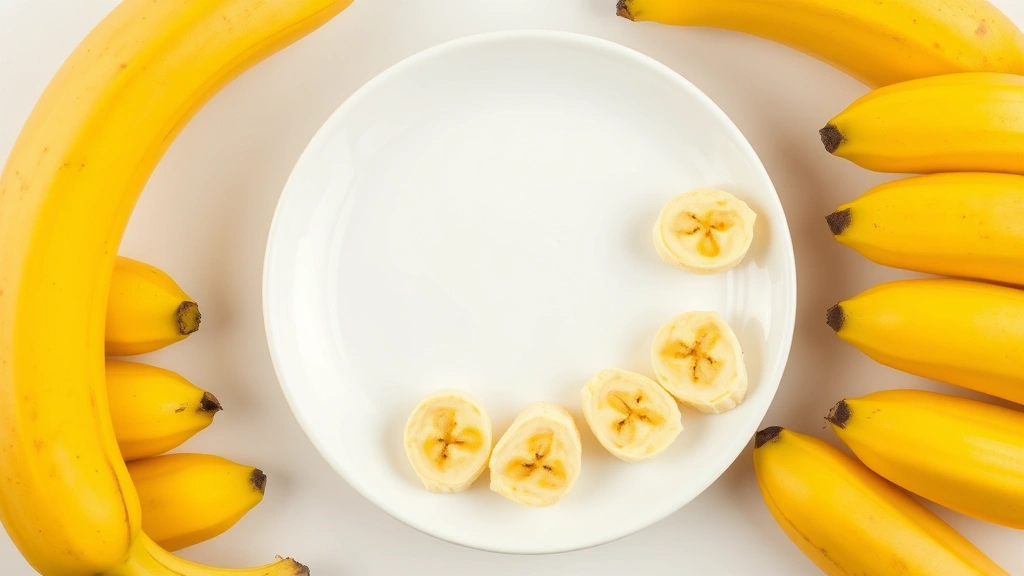
Preparation matters. Always peel the banana first—the peel isn’t toxic, but it’s tough to digest and poses a choking hazard. For small dogs or puppies, slice the banana into manageable pieces. Some dogs love frozen banana chunks, which make excellent cooling treats on hot days and can even help soothe sore gums in teething puppies. You can also mash banana into their regular food or mix it with plain peanut butter (xylitol-free!) for an extra-special treat. Avoid adding anything else—no chocolate, no sugar, no honey. Plain banana is perfect as-is.
Dogs with Special Dietary Needs and Banana Consumption
If your dog is overweight, diabetic, or has limited ingredient diet timing requirements, bananas require extra consideration. The natural sugars in bananas can affect blood glucose levels in diabetic dogs, so check with your vet first. Overweight dogs shouldn’t have banana treats frequently—the calories add up quickly. Dogs with pancreatitis should avoid bananas entirely, as the fat content can trigger flare-ups. When in doubt, your veterinarian should always be your first phone call.
Creative Ways to Serve Bananas to Your Dog
Bored with plain banana slices? Get creative! Freeze banana pieces in ice cube trays with a bit of water for refreshing summer treats. Spread mashed banana on a lick mat and freeze it for extended entertainment. Mix banana into plain Greek yogurt (no xylitol) for a protein-packed snack. Create banana “nice cream” by freezing mashed banana and blending it with a splash of dog-safe broth. These creative options keep treat time exciting while maintaining nutritional balance. Just remember the pet portion control rules apply to all preparations.
Potential Risks and When to Skip Bananas
While generally safe, bananas do carry a few considerations. The natural sugar content can contribute to weight gain and dental problems if given too frequently. The high potassium, while beneficial, could be problematic for dogs with kidney disease or certain heart conditions. Choking is a real risk if your dog is a gulper who doesn’t chew properly—always supervise treat time. Additionally, some dogs experience mild digestive upset from the high fiber content, especially if they’re not used to bananas. Start with small amounts and monitor your dog’s response.
Signs Your Dog Might Have a Banana Problem
After introducing bananas, watch for these warning signs: vomiting, diarrhea, constipation, excessive gas, or lethargy. Most dogs handle bananas beautifully, but every pup is unique. If your dog shows any of these symptoms after eating banana, eliminate it from their diet and contact your veterinarian. Dogs with finicky eater schedules might also simply reject bananas—and that’s totally fine. Never force your dog to eat something they don’t enjoy.
Bananas vs. Other Fruit Treats for Dogs
How do bananas stack up against other dog-safe fruits? Apples (without seeds) are great for dental health, blueberries are antioxidant powerhouses, and watermelon is hydrating. Bananas offer their own unique benefits with potassium and B vitamins. The best approach is variety—rotate different fruits throughout the week to provide diverse nutritional benefits. Just always avoid grapes, raisins, cherries, and anything with pits or toxic seeds.
Age Considerations: Puppies, Adults, and Senior Dogs
Puppies can eat bananas once they’re eating solid food, but keep portions tiny—a small slice once or twice weekly is plenty. Adult dogs in their prime can handle banana treats more regularly, though still following the 10% rule. Senior dogs often benefit from bananas’ soft texture and nutritional profile, especially if they have dental issues. However, older dogs with kidney problems or specific health conditions should get veterinary approval first. UC Davis School of Veterinary Medicine notes that senior dogs benefit from easily digestible treats that support overall wellness.
The Banana and Can Dogs Eat Bananas Question: Final Thoughts
So, can dogs eat bananas? Yes, enthusiastically and safely. They’re nutritious, delicious, and most dogs absolutely love them. The key is moderation, proper preparation, and attention to your individual dog’s health status. Bananas shouldn’t replace their regular diet but can be an excellent occasional treat that provides real nutritional benefits. Whether you’re increasing pet appetite or just looking for healthy snack options, bananas deserve a place in your dog treat arsenal.
Frequently Asked Questions
Can puppies eat bananas?
Yes, puppies can eat bananas once they’re eating solid food, but only in very small quantities—think one small slice once or twice weekly. Always supervise to prevent choking, and introduce new foods gradually.
Can dogs eat banana peels?
While banana peels aren’t toxic, they’re difficult to digest and pose a choking hazard. Always remove the peel before offering banana to your dog.
How often can dogs eat bananas?
Following the 10% treat rule, most healthy adult dogs can enjoy banana treats 2-3 times weekly. Dogs with weight or health issues should have them less frequently or not at all.

Can dogs eat frozen bananas?
Absolutely! Frozen banana pieces make excellent treats, especially on hot days. They’re safe and many dogs prefer the texture and cooling effect.
What if my dog ate an entire banana?
Don’t panic. One whole banana won’t cause poisoning or immediate harm, though it’s more sugar and calories than ideal. Monitor your dog for digestive upset and adjust portion sizes going forward.
Are there dogs that shouldn’t eat bananas?
Dogs with diabetes, pancreatitis, kidney disease, obesity, or specific health conditions should avoid bananas. Always consult your veterinarian before introducing new treats.
Can bananas cause diarrhea in dogs?
In some dogs, the high fiber content can cause loose stools, especially if introduced too quickly or in large amounts. Start with small portions and monitor your dog’s digestion.
Is banana better than commercial dog treats?
Bananas offer whole-food nutrition without additives or preservatives, making them excellent compared to many commercial treats. However, a balanced approach using both whole fruits and quality treats is ideal.
Summary: Can dogs eat bananas? Yes, they absolutely can! Bananas are safe, nutritious, and loved by most dogs. Just remember to peel them, keep portions small (following the 10% treat rule), and monitor your individual dog’s response. They’re perfect for healthy adult dogs but require veterinary approval for puppies, seniors, or dogs with health conditions. With proper preparation and moderation, bananas make a fantastic addition to your dog’s treat rotation.





